I’ve been to a lot of museums. Most of them are about the past. This one is about what comes next — and it’s housed in what might be the most beautiful building on the planet.
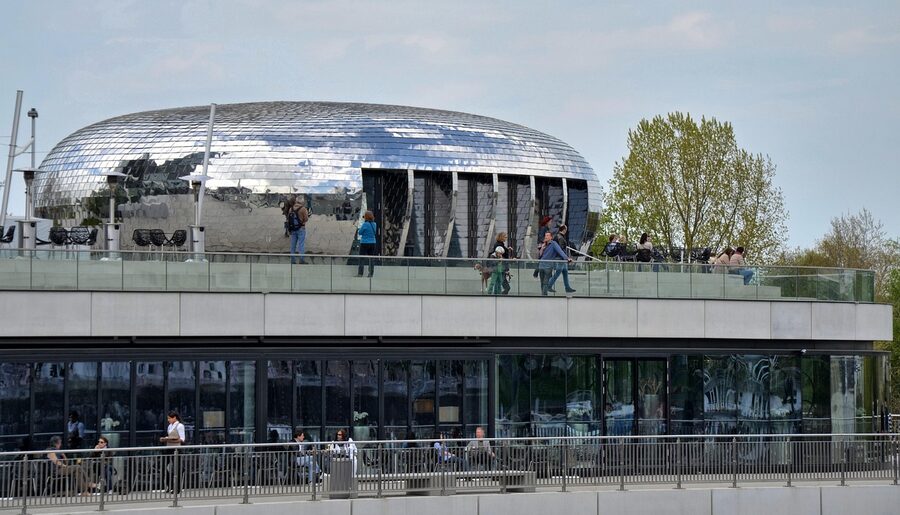
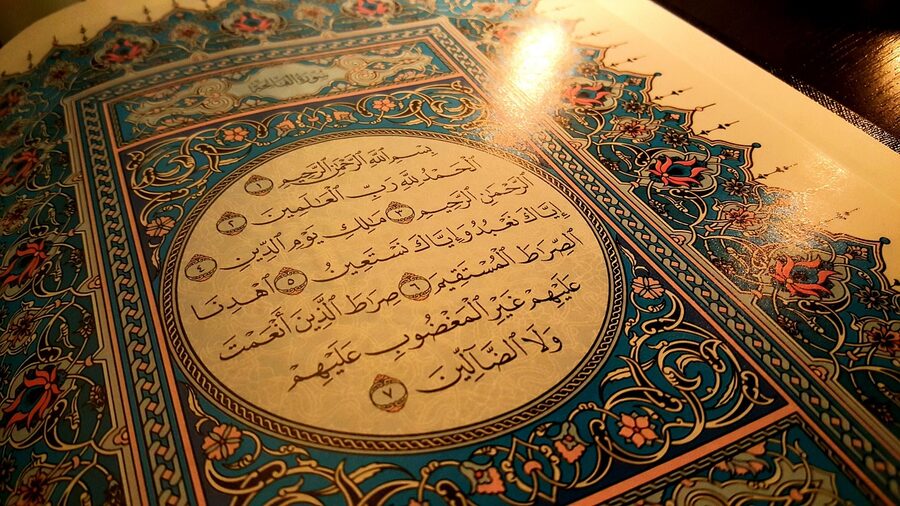
The Museum of the Future sits on Sheikh Zayed Road like a giant silver eye, covered in Arabic calligraphy cut into the facade. Even if you never go inside, it’s worth the trip just to stand beneath it and stare.
But the real reason to visit is what’s inside. Seven floors of immersive exhibits that imagine life in 2071 — space travel, bioengineering, AI consciousness, and a rainforest ecosystem. This isn’t a museum with glass cases and plaques. You walk through the future.
In a Hurry? Our Top Picks
Skip-the-line entry to all seven floors. Book online to avoid the walk-up queues.
- What You’ll See Inside
- OSS Hope — The Space Station (Floor 5)
- The Heal Institute — Bioengineering (Floor 4)
- Al Waha — The Wellness Sanctuary (Floor 3)
- Future Heroes — Kids Zone (Floor 1)
- Our Recommended Ticket
- Museum of the Future Admission Ticket —
- Practical Tips for Your Visit
- The Building — A Masterpiece in Its Own Right
- Food and Facilities
- Getting There
- What Makes This Museum Different
- Who Should Visit (And Who Shouldn’t)
- Is It Worth ?
- Night Visits and Special Events
- What Else to Do Nearby
What You’ll See Inside
The museum is organized across seven floors, each with a different theme. You start at the top and work your way down. Here’s what each floor covers.
OSS Hope — The Space Station (Floor 5)
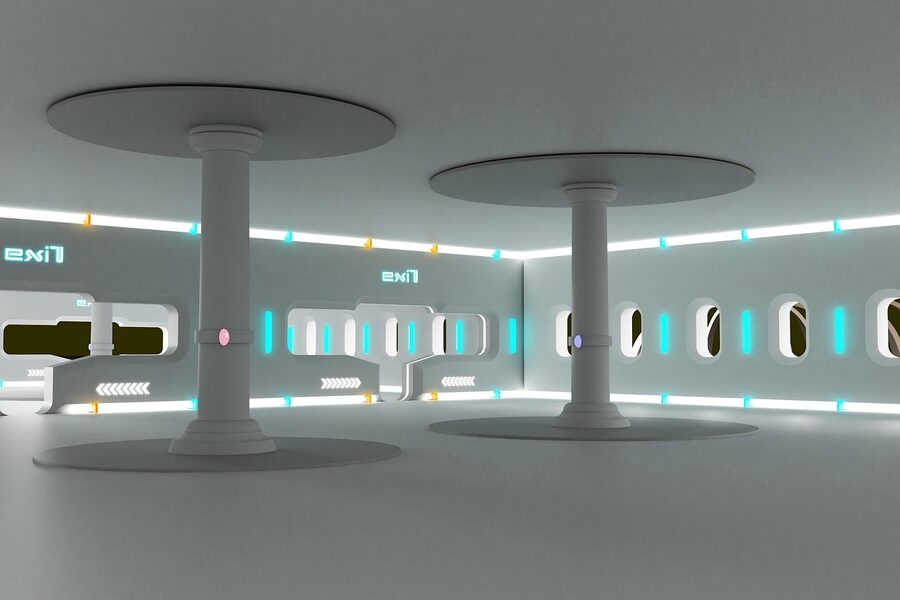
You begin with a simulated elevator ride to a space station orbiting Earth in 2071. The screens show the planet shrinking below you as you “ascend.” It’s theatrical and effective — even knowing it’s a simulation, something in your brain reacts to the altitude.
The station itself explores space colonization, asteroid mining, and life beyond Earth. Interactive screens let you design habitats and solve engineering problems. Kids love this floor. So did I.

The Heal Institute — Bioengineering (Floor 4)
This floor imagines a world where we can engineer ecosystems, grow organs, and reverse extinction. You walk through a digital rainforest teeming with species — some real, some speculative.
The DNA sequencing exhibit is fascinating. You can “design” a plant species adapted to specific environmental conditions. The ethical questions it raises about genetic engineering are left deliberately open — the museum doesn’t preach, it provokes.


Al Waha — The Wellness Sanctuary (Floor 3)
This is the quiet floor. After the sensory overload of space stations and rainforests, you enter a meditative space focused on mental wellness and human connection. Soft lighting, calming sounds, and interactive installations about consciousness.
It feels like a spa crossed with an art gallery. Some people rush through it. I think that’s a mistake — it’s the floor that sticks with you longest. Sit down, breathe, and let the experience wash over you.
Future Heroes — Kids Zone (Floor 1)
Designed for children aged 3-10, this floor turns kids into “future heroes” solving environmental challenges. It’s hands-on, colorful, and genuinely educational. Parents can watch from seating areas while kids build, code, and experiment.

Our Recommended Ticket
Museum of the Future Admission Ticket — $46
There’s only one ticket type — general admission for $46. This gets you access to all seven floors, all exhibits, and all interactive installations. No VIP upgrades, no tiers. Everyone gets the same experience.
The skip-the-line option is worth it — walk-up queues can stretch 30-45 minutes during peak times. Online tickets let you select a specific time slot and walk straight in. We cover the full floor-by-floor breakdown in our complete review of the Museum of the Future.
Practical Tips for Your Visit
Book online, always. Walk-up tickets are the same price but the queues are long. Online tickets give you a specific time slot — arrive on time and you’ll walk straight through security to the elevator.
Allow 2-3 hours. You could rush through in 90 minutes, but you’d miss the best parts. The interactive exhibits reward patience. The wellness floor in particular needs time to be appreciated.
Go in the morning. The museum opens at 10am. The first hour is the quietest — fewer crowds, shorter waits for interactive stations, and better photos of the exhibits. By noon, school groups arrive and the noise level doubles.
Photography is allowed and encouraged. The lighting is designed for photos — every room has that “Instagram moment” quality. No flash needed. The calligraphy exterior is best photographed in the afternoon when the sun hits the western face.
The gift shop is surprisingly good. Not the usual fridge magnets and keychains. They sell design books, tech gadgets, and locally made products that actually connect to the museum’s themes. I bought a book on Arabic futurism that I’m still reading.
The Building — A Masterpiece in Its Own Right
Even if you skip the exhibits, the building deserves your attention. Designed by Shaun Killa (who also designed the Ain Dubai observation wheel), it’s a pillarless torus shape — essentially a hollow donut standing upright.
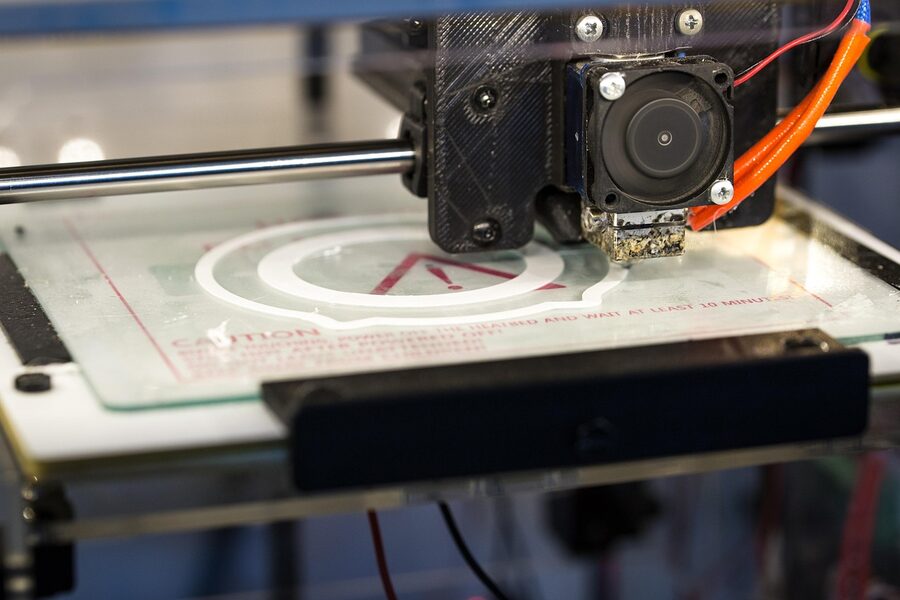
The void in the center represents the unknown — the future we haven’t written yet. The green hill it sits on is planted with native desert species. The building’s engineering is as futuristic as its contents — 3D-printed structural elements, robotic construction, and self-cleaning glass.
Food and Facilities
The museum has a café on the ground floor serving coffee, light meals, and pastries. The food is decent but pricey — $8 for a coffee, $15 for a sandwich. There are better options outside if you’re not in a rush.
Restrooms are on every other floor and they’re clean and well-maintained. The building is fully accessible with elevators between all floors. Wheelchair users report no issues navigating the exhibits.
There’s no dedicated prayer room inside the museum, but the nearby Emirates Towers complex has facilities. The museum staff can direct you.
Getting There
Metro: Emirates Towers station on the Red Line. The museum is a 3-minute walk from the station exit. This is the easiest and cheapest way to get there.
Taxi or Uber: Ask for “Museum of the Future, Sheikh Zayed Road.” It’s between Emirates Towers and the World Trade Centre. Budget $10-15 from most hotels.
Hop-on hop-off bus: Both Big Bus and City Sightseeing have stops near the museum. If you’re already on the bus tour, this is a perfect hop-off point.
What Makes This Museum Different
Most museums show you things. The Museum of the Future makes you part of the exhibit. The difference is fundamental and it’s why this place has become one of Dubai’s top attractions despite only opening in 2022.

There are no information panels. No “please do not touch” signs. No glass cases. Every exhibit is designed to be experienced, not observed. You walk through environments, interact with installations, and draw your own conclusions.
The production value is extraordinary. The museum cost $136 million to build and it shows. Every surface is designed. Every transition between floors is deliberate. The lighting shifts to match the mood of each exhibit. It feels less like a museum and more like a 7-floor art installation.
It’s bilingual throughout. All exhibits run in both Arabic and English. The Arabic content isn’t a translation — it’s written independently to reflect Arabic perspectives on the future. If you read both, you get two different lenses on the same ideas.

The museum updates its exhibits regularly. Unlike traditional museums where the collection is fixed, the Museum of the Future rotates content. What you see in 2026 won’t be identical to what visitors saw in 2024. It’s designed to evolve — fitting for a museum about the future.
Who Should Visit (And Who Shouldn’t)
Perfect for: Families with children over 5, tech enthusiasts, design lovers, anyone interested in science and innovation. The interactive elements mean even reluctant museum-goers tend to enjoy it.
Less suitable for: Very young children (under 3), people who prefer traditional museums with artifacts, or visitors expecting detailed technical information. This is broad strokes, not deep dives.

Is It Worth $46?
Yes. Without hesitation. I’ve visited many overpriced museums around the world — this isn’t one of them. The production quality is extraordinary, the content is genuinely thought-provoking, and the building alone is worth the trip.

Compared to other Dubai attractions, the value stacks up well. The Burj Khalifa observation deck is $43 for 30 minutes of views. The Museum of the Future is $46 for 2-3 hours of immersive exhibits. The cost-per-hour of entertainment is excellent.
The only caveat: if you’re expecting a traditional museum with artifacts and information panels, you’ll be confused. This is an experience, not a collection. Approach it like a theme park for your brain and you’ll love it.
One visitor summed it up perfectly: “The skip the line ticket is the way to go!” Book online, arrive at 10am, and give yourself at least two hours. You’ll leave thinking differently about what’s possible — which is exactly the point.
The museum is also one of the best rainy-day activities in Dubai (yes, it does rain occasionally). Fully indoor, climate-controlled, and engaging enough that you won’t notice the weather outside. In summer, when the outdoor heat is oppressive, this is one of the most comfortable ways to spend a morning.
Night Visits and Special Events
The museum stays open until 9:30pm, and evening visits have a completely different atmosphere. The crowds thin out after 5pm, the building’s exterior lights up with its calligraphy glowing against the night sky, and the interior feels more intimate in the darker evening light.
The museum regularly hosts special events — lectures by scientists and innovators, art installations, and workshops. Check their website or app for the current schedule. Some events are included with admission, others require separate booking.
During Ramadan and UAE National Day, the museum often extends hours and adds themed programming. The National Day celebrations in early December are particularly popular — the building becomes part of the citywide light show.
Photography at night is spectacular. The calligraphy on the facade glows white against the dark silver surface, and the void in the center frames the night sky. Bring a tripod if you have one — the long-exposure shots from across Sheikh Zayed Road are stunning.
What Else to Do Nearby
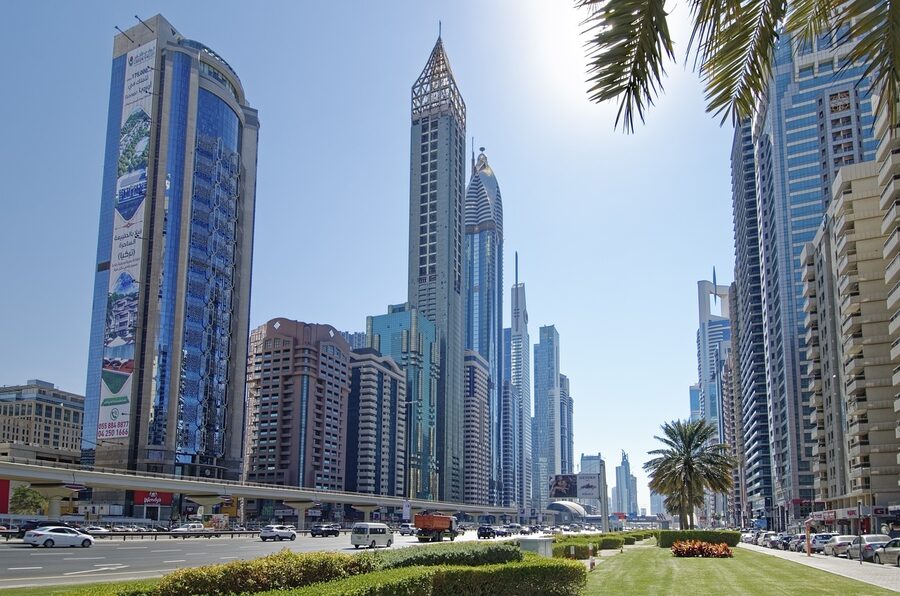
The museum sits in the heart of Dubai’s financial district. The Burj Khalifa is a 10-minute taxi ride away, and the Dubai Frame is visible from the museum grounds — it’s the giant gold picture frame on the horizon.
For a change of pace, the desert safari is the perfect counterpoint to the museum’s futurism. One day you’re imagining life in 2071, the next you’re riding a camel through sand dunes that haven’t changed in millennia.
The Old Dubai walking tours through the Creek and souks offer the city’s past — the perfect third act after experiencing its present (the skyline) and its future (this museum).