If you’re looking for a side of Tokyo that offers more than neon lights and skyscrapers, this tour to Jindaiji Temple promises an authentic glimpse of Japan’s spiritual traditions. This experience blends history, tradition, and local food into a compact 3-hour package that’s perfect for travelers wanting a meaningful cultural outing without spending all day on it.
What we love about this tour is how it balances culture with practical comfort — you’ll travel in a private air-conditioned vehicle, get a chance to participate in a rare purification ritual, and sample some of the best handmade soba noodles in the area. Plus, the inclusion of a protective charm (Ofuda) gives you a tangible keepsake of your experience.
One thing to keep in mind is that participation involves purchasing an Ofuda charm (cost included in the fee), which might be a surprise if you’re not prepared. But for those genuinely interested in traditional Buddhist ceremonies and local cuisine, this is a wonderful opportunity.
This tour is best suited for travelers who appreciate authentic cultural experiences, are comfortable with a bit of walking and participation, and want a peaceful escape from busy Tokyo streets. It also appeals to those interested in Japanese spirituality, traditional rituals, and regional food.
- Key Points
- What’s Included and What’s Not
- The Itinerary in Detail
- Meeting at Musashi-Sakai Station
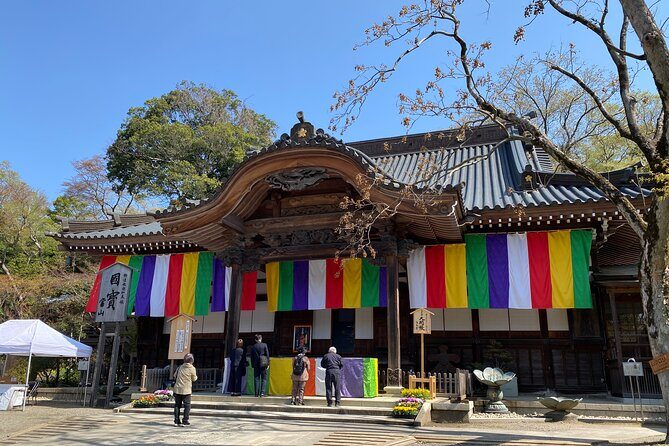
- Exploring Jindaiji Temple
- Participating in the Purification Ritual (Oharai)
- Lunch and Local Insights
- Ending with Sweets and Tea
- The Power of the Ceremony
- Authenticity and Comfort
- Food as Culture
- Final Thoughts
- More Tours in Musashino
- More Tour Reviews in Musashino
Key Points
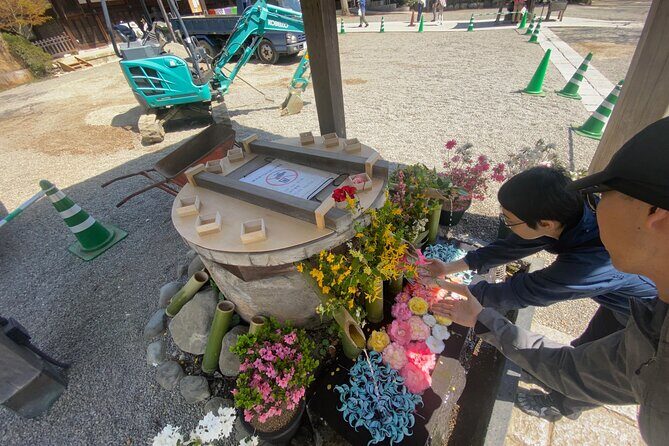
- Authentic ritual experience: Participate in a centuries-old purification ceremony performed by monks.
- Cultural insight: Learn about Japanese Buddhism and the history of Jindaiji Temple.
- Local cuisine: Enjoy hand-cut soba noodles at a traditional restaurant.
- Authentic souvenirs: Receive a protective Ofuda charm, included in the tour fee.
- Comfortable transportation: Travel in an air-conditioned vehicle with a private guide.
- Focus on tranquility: Explore quiet temple grounds and enjoy seasonal Japanese sweets and Matcha tea.
What’s Included and What’s Not
This tour offers excellent value for $72.03 per person. The fee covers transportation in a private air-conditioned vehicle, the admission fee to Jindaiji, and the cost of the Ofuda charm. The purification ritual itself is a significant highlight, as it costs around 3,000 yen if you were to do it alone — included here, it makes the experience more accessible.
Lunch isn’t included, giving you the flexibility to choose your soba noodles and enjoy a meal that suits your appetite and budget. The tour’s start and end points are conveniently located at Musashi-Sakai Station, making it easy to incorporate into your broader Tokyo itinerary.
You can also read our reviews of more tours and experiences in Musashino.
The Itinerary in Detail
Meeting at Musashi-Sakai Station
Your day begins promptly at 10:00 AM at the south exit of Musashi-Sakai Station. From there, you’ll be driven in a private vehicle to Jindaiji, a journey that offers a comfortable transition from urban hustle to tranquil tradition.
Exploring Jindaiji Temple
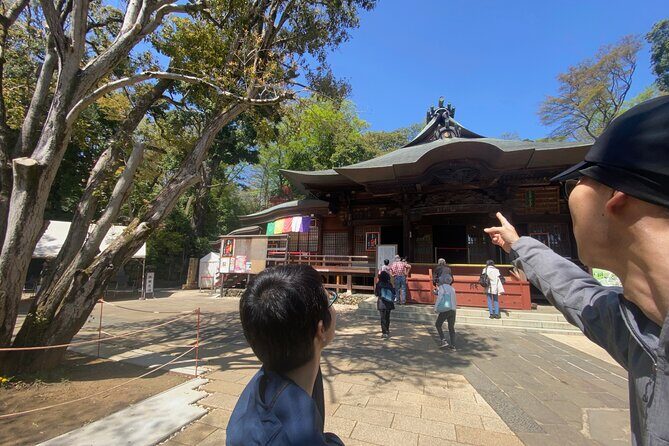
Once at Jindaiji, the guide will walk you around the peaceful temple grounds. This is where the sense of history and spirituality becomes tangible. Jindaiji, being one of the oldest in Tokyo, quietly whispers stories of centuries past, and the grounds are notably serene, making it a perfect spot for reflection.
Participating in the Purification Ritual (Oharai)
The centerpiece of this tour is the purification ritual performed inside the main hall. This is no ordinary ceremony — it involves sacred fire, performed by monks, and is a rare tradition preserved over hundreds of years. As the monks chant and the flames flicker, you’ll get a sense of the ceremony’s power and spiritual significance.
The ritual requires the purchase of an Ofuda charm, which acts as a protective amulet. The cost is included in your fee, so no need to worry about extra expenses here. You’ll have the chance to observe or participate as you feel comfortable, making it a meaningful experience whether you’re a spiritual devotee or simply curious.
Lunch and Local Insights
After the ritual, you’ll enjoy handmade soba noodles at a local restaurant. The guide will share stories about the land, the food, and the cultural importance of soba in Japanese cuisine. The noodles are freshly prepared, often made with locally sourced buckwheat, offering a taste of regional craftsmanship.
This meal is an excellent opportunity to reflect on what you’ve experienced and enjoy authentic Japanese flavors away from touristy spots.
Ending with Sweets and Tea
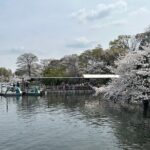
The tour wraps up with a relaxing sit-down — perhaps in a park or a botanical garden — where you’ll be served seasonal Nerikiri sweets and Matcha tea. These traditional confections and tea are a gentle way to conclude the journey, adding a touch of sweetness and calm.
What makes this experience special isn’t just the ritual or the food — it’s the combination of spiritual insight and culture. You’ll go beyond typical sightseeing to participate in a tradition that’s been kept alive through centuries. The quiet, reflective atmosphere of Jindaiji offers a stark contrast to Tokyo’s busy streets, giving you a moment to slow down and connect with Japanese spirituality.
The Power of the Ceremony
According to a recent reviewer, the purification ritual was “powerful” and deeply moving, with monks performing with fierce concentration and fire blazing. Such firsthand accounts highlight how rare and meaningful this ceremony can be, especially since photos aren’t permitted, encouraging genuine engagement.
Authenticity and Comfort
Travelers also appreciate the private, air-conditioned transportation and the flexibility to explore at your own pace. The tour is designed to maximize cultural exposure without feeling rushed or crowded, which is vital if you want a peaceful, enriching experience.
Food as Culture
The soba noodles aren’t just a meal — they’re a culinary craft, and the guide’s stories help you appreciate their significance. The inclusion of seasonal sweets and Matcha tea rounds out the experience with a taste of Japan’s culinary elegance.
Jindaiji Traditional Temple Purification Tour with Local Soba
Final Thoughts
This tour offers a thoughtful blend of spirituality, history, and cuisine—a true slice of Japan’s traditional life. Its focus on authentic rituals and local dining makes it stand out as a meaningful cultural outing, especially for travelers eager to connect more deeply with Japanese customs.
It’s ideal for those who want a relaxed yet profound experience, who enjoy learning about local traditions, and who seek a peaceful break from the hustle of city sightseeing.
This tour is perfect for travelers with an interest in Japanese culture and spirituality, who appreciate authentic experiences over commercialized attractions. It suits those comfortable with participation and reflection and who want a meaningful, less tourist-oriented glimpse into Tokyo’s traditional side.
If you’re craving a quiet afternoon of cultural discovery, spiritual insight, and delicious food, this tour offers a balanced, memorable experience.
Is this tour suitable for children?
Yes, most travelers can participate, but younger children should be comfortable with the ceremony’s nature and the walking involved.
How long does the entire experience last?
The tour lasts approximately 3 hours, including transportation, the ceremony, lunch, and leisure time.
Does the tour include transportation?
Yes, transportation is in a private, air-conditioned vehicle from Musashi-Sakai Station to Jindaiji and back.
What’s included in the price?
The fee covers the transportation, admission to Jindaiji, participation in the purification ritual, and the Ofuda protective charm.
Can I take photos during the ritual?
No, photography isn’t allowed during the purification ceremony, to preserve its sacred atmosphere.
Is lunch included?
No, lunch is not included, allowing you to choose your preferred soba restaurant.
What should I wear?
Comfortable, modest clothing is recommended, especially since you’ll be participating in a religious ceremony.
What is the best time of year to take this tour?
The tour runs most days, but you might find that spring and autumn offer especially beautiful surroundings, adding to the peaceful vibe.
This tour offers a rare chance to step into the spiritual life of Tokyo’s history through a centuries-old purification ritual, complemented by delicious soba and traditional sweets. It’s a thoughtful, well-rounded experience that rewards curiosity and a desire for genuine cultural connection. Whether you’re a spiritual seeker, a foodie, or simply someone wanting to see a different side of Japan, this journey to Jindaiji Temple is sure to leave a meaningful impression.