If you’re looking for a culinary experience that combines skill, culture, and a dash of fun, the Kaisendon and Sashimi Cutting Workshop in Tokyo offers exactly that.
Designed for food lovers and curious travelers alike, this short but immersive class gives you a rare chance to learn Japanese knife techniques, craft your own seafood bowl, and enjoy a full meal with sake. It’s a hands-on way to connect with local food culture, all within a friendly, small-group setting.
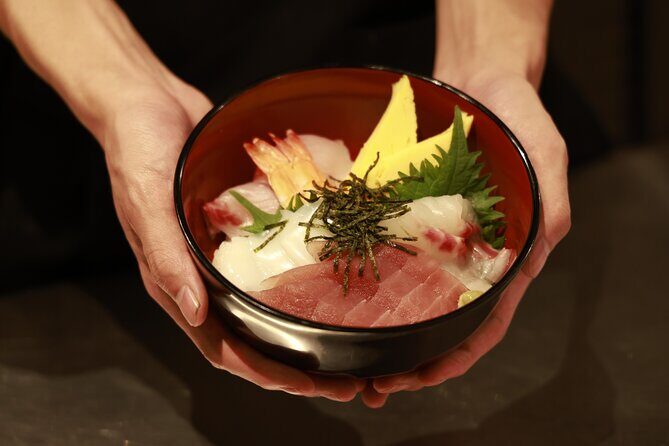
What makes this experience stand out? First, the expert instruction from Naoya Kumagai, who shares not just how to cut sashimi properly but insights into traditional Japanese knife skills. Second, the interactive nature of making your own Kaisendon—an edible souvenir that you get to enjoy at the end.
That said, be aware that this is a short course (about 90 minutes), so if you’re looking for an in-depth culinary adventure, this might serve more as a tasty introduction than a comprehensive masterclass.
This experience is perfect for travelers who want to add a local culinary twist to their trip, especially those interested in learning practical skills they can bring home. It’s also ideal for small groups (max four), making it intimate and personal. However, if you’re hoping for a long, detailed workshop or want to explore a broader Japanese cuisine, you’ll want to consider other options.
Key Points
 1 / 7
1 / 7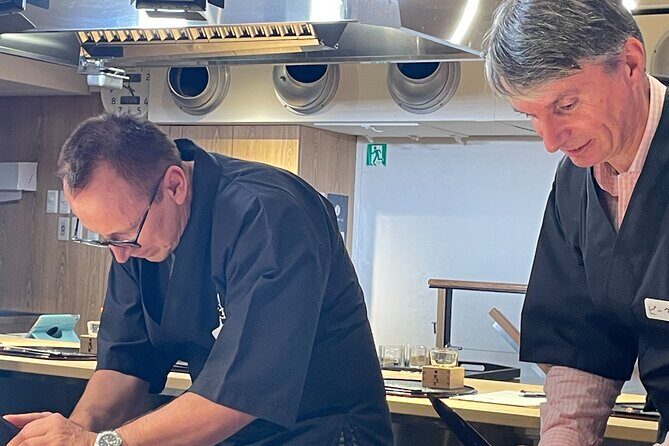 2 / 7
2 / 7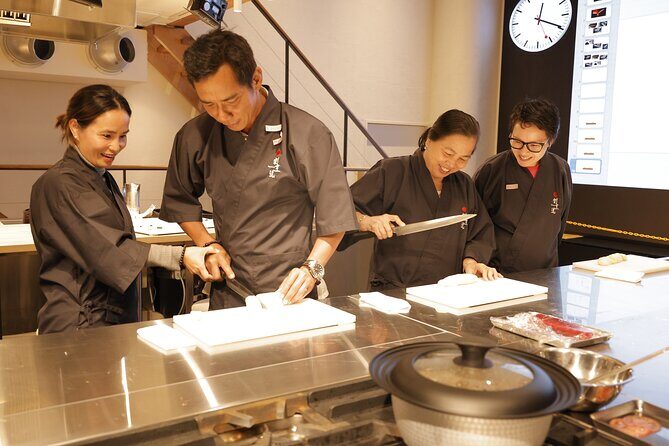 3 / 7
3 / 7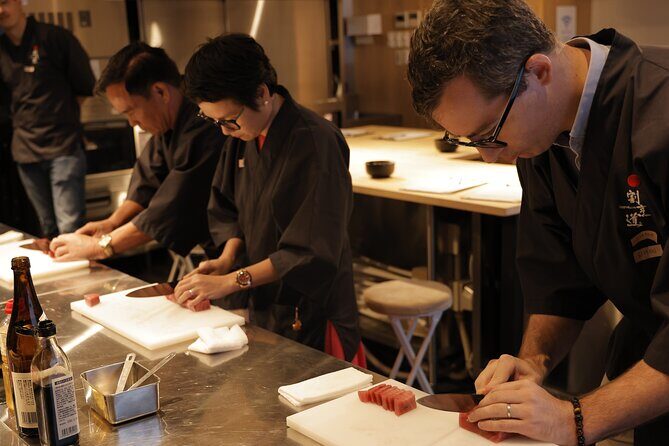 4 / 7
4 / 7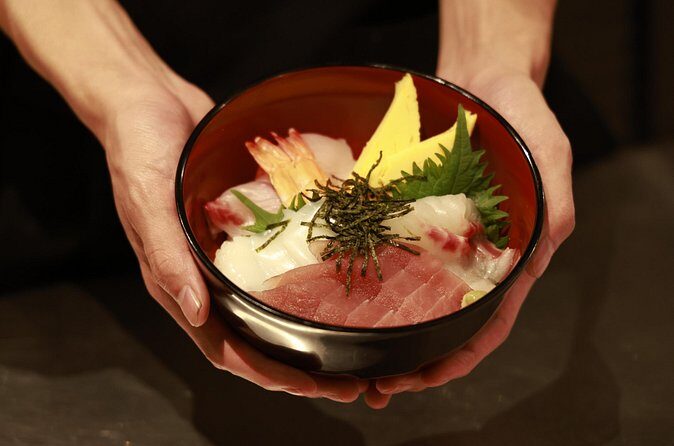 5 / 7
5 / 7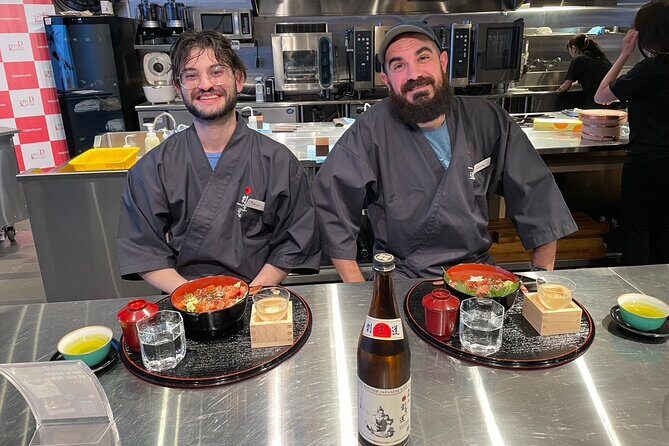 6 / 7
6 / 7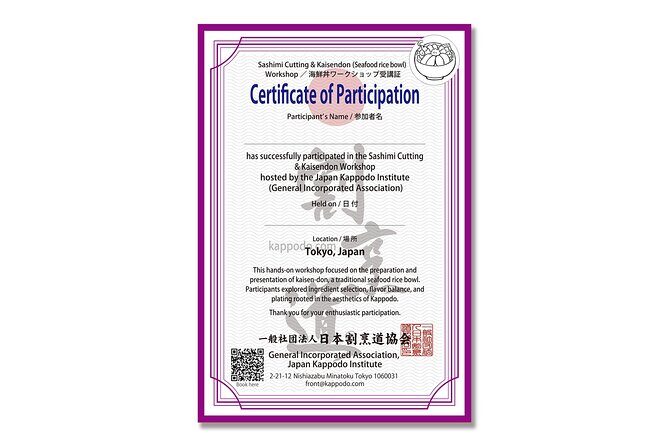 7 / 7
7 / 7- Authentic Japanese knife techniques are taught by a knowledgeable instructor, making this a valuable skill-building experience.
- Hands-on practice allows you to personally slice sashimi and assemble your own seafood bowl.
- The class includes a full meal of your Kaisendon, miso soup, and sake, providing great value.
- Small group size (up to 4 travelers) ensures personalized attention.
- The tour’s positive reviews highlight its fun, educational, and culturally enriching nature.
- It’s ideal for those interested in culinary culture and seeking an interactive activity rather than just sightseeing.
The Itinerary in Detail
The workshop begins at the Kappodo H.Q / Tokyo D Kitchen Studio in Nishiazabu, a convenient location near public transportation. The class typically starts at 1:00 pm, allowing you to settle in and get acquainted. The schedule is tightly packed but well-paced, designed to maximize hands-on participation without feeling rushed.
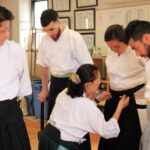
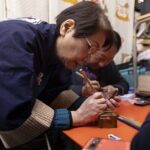
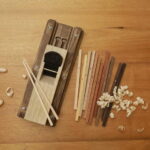
First, the instructor, Naoya Kumagai, gives a brief lecture on sashimi knives—what makes Japanese knives special, how to handle them safely, and how to care for them afterward. This is particularly useful for those new to Japanese cutlery or looking to improve their skills.
Next, you’ll watch a demonstration of proper sashimi-cutting techniques. Naoya’s skillful handling of knives is a highlight, and his explanations are clear and accessible, making complex techniques approachable even for beginners.
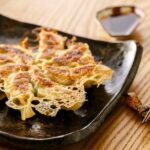
The core of the workshop involves practice: using flour dumplings to familiarize yourself with the sashimi knives, then personal practice cutting sashimi for yourself. This step is especially appreciated in reviews—many say they learned a lot about different fish and cutting angles, and felt their skills improved noticeably.
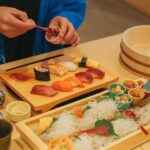
Following the practice, everyone gets to assemble their Kaisendon—placing their freshly sliced sashimi atop vinegared rice to create a personalized seafood bowl. The satisfaction of making your own meal is palpable, and it turns an ordinary lunch into a memorable achievement.
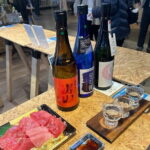
Finally, you’ll enjoy your creation along with miso soup and sake, making for a well-rounded, authentic meal. The entire experience usually lasts about 1 hour 30 minutes, providing both education and delicious food without overstaying its welcome.
You can also read our reviews of more tours and experiences in Tokyo

What Makes This Workshop Special?
One of the most praised aspects of this class is the opportunity to apply professional knife skills in a casual setting. Many reviewers mention how much they learned about cutting fish, handling knives, and creating their own sashimi bowl, which adds a tangible sense of accomplishment to the experience.
The small group size ensures personalized guidance. Several participants noted how helpful and friendly the guides and instructor were, emphasizing that their explanations were clear and encouraging. The attention to detail and patience Naoya and his team show really elevate the class from a simple cooking session to a cultural introduction.
The quality of the meal at the end is also worth highlighting. Making your own Kaisendon, then sitting down to enjoy it with some sake, turns this workshop into a full experience—more than just a class, it’s a tasting adventure.
Value for Money
At roughly $86 per person, the workshop offers great value. You get access to all tools, expert guidance, a certificate of participation, and, most importantly, a meal you created yourself. Many reviewers mention how much they appreciated the comprehensive nature—learning, practicing, and then eating—all in just over an hour.
When considering the price, think of it as a cultural class, a skill-building session, and a food experience rolled into one. The inclusion of sake tasting and a full meal adds to the overall value, making it a memorable, well-rounded activity for those eager to explore Japan’s culinary traditions.
Practical Tips for Participants
- Arrive a few minutes early to settle in and meet your small group.
- Dress comfortably; you’ll be handling knives and rice, so avoid loose or flowing clothing.
- Consider asking questions about Japanese knives or fish types—it’s a great learning opportunity beyond just cutting.
- Make sure to communicate if you have any dietary restrictions; the focus is on seafood, but the instructors are flexible and helpful.
- This experience seems best suited for those with an interest in cooking or Japanese food culture, rather than purely sightseeing travelers.
Who Will Love This Experience?
Travelers who enjoy interactive, hands-on activities will find this workshop both fun and educational. If you’re curious about Japanese culinary techniques or want to learn a skill that can impress friends back home, this class hits the mark. It’s also ideal if you appreciate small-group settings where you receive personal attention.
Food enthusiasts, especially those who enjoy seafood, will love making their own Kaisendon and experiencing a taste of Japan’s fresh fish offerings. The added element of knife handling makes it appealing for aspiring home chefs or anyone interested in proper fish preparation.
Finally, this experience suits travelers seeking a cultural activity that’s more than just watching; it’s about participating and creating. The positive reviews confirm that many leave feeling accomplished, full, and with new knowledge—and that’s a good enough reason to try it.




The Sum Up
For anyone looking to add a unique culinary activity to their Tokyo itinerary, the Kaisendon and Sashimi Cutting Workshop offers a solid, enjoyable introduction to Japanese food culture. The mix of expert guidance, practical skill-building, and delicious food makes it a worthwhile investment. It’s especially suited for small groups or those eager to learn about Japanese knives and seafood in a friendly, informal setting.
While it’s not a deep dive into Japanese cuisine, it delivers a memorable, hands-on experience that you can confidently say you participated in. Perfect for foodies, curious travelers, or anyone wanting a meaningful souvenir from Tokyo—this workshop will leave you with skills, stories, and a full belly.
Kaisendon and Sashimi Cutting Workshop
FAQ
How long does the workshop last?
The entire experience takes about 1 hour and 30 minutes, from start to finish.
What’s included in the price?
All tools used during the lesson, a tour guide, alcoholic beverages including sake, the seafood bowl you make, and a certificate of participation are included.
Where does the workshop meet?
It begins at Kappodo H.Q / Tokyo D Kitchen Studio in Nishiazabu, Tokyo, a location accessible via public transportation.
Is there a minimum number of participants?
Yes, the tour requires at least one traveler, but it is limited to a maximum of four, ensuring a personal experience.
Can I cancel if I change my mind?
Yes, free cancellation is available up to 24 hours in advance for a full refund.
Is this suitable for beginners?
Absolutely. The class is designed to teach basic sashimi-cutting techniques and is friendly to those new to Japanese knives.
Do I need to bring anything?
No, all tools and ingredients are provided. Just bring a willingness to learn and have fun.
Can I join if I don’t speak Japanese?
Yes, the guides are friendly and helpful, and the instructions are clear, making it accessible for non-Japanese speakers.
This workshop makes for a delightful, authentic addition to your Tokyo adventure—combining skill, culture, and great food in an intimate setting. Whether you’re a dedicated foodie or simply curious about Japanese cuisine, it’s a chance to create a memorable meal and learn something new.