
If you’re craving a taste of Rwanda beyond sightseeing, this Kigali cooking class offers a genuine look into local life and culinary traditions. It’s more than just learning recipes; it’s a chance to connect with Rwandan culture through food, an experience that leaves you with new skills and a full belly.
What we love about this tour is how it balances authenticity with comfort—you’ll cook on a traditional charcoal stove just like locals do, then see how modern homes use gas. The sharing of stories and the communal meal make this feel like a visit to a friend’s house rather than a tourist trap. However, it’s worth mentioning that the activity isn’t suitable for those with mobility issues or young children under 18.
Ideal for curious food lovers who enjoy hands-on experiences, this class is perfect if you want to understand Rwandan cuisine while sharing a meal with new friends. It’s also a great way to take home practical skills that can impress at your next dinner party. At just $25, the price offers a surprising value for a local, cultural experience that goes beyond typical sightseeing.
This experience made our article of The Top 3 Tours & Things To Do In Gasabo.
Key Points
 1 / 4
1 / 4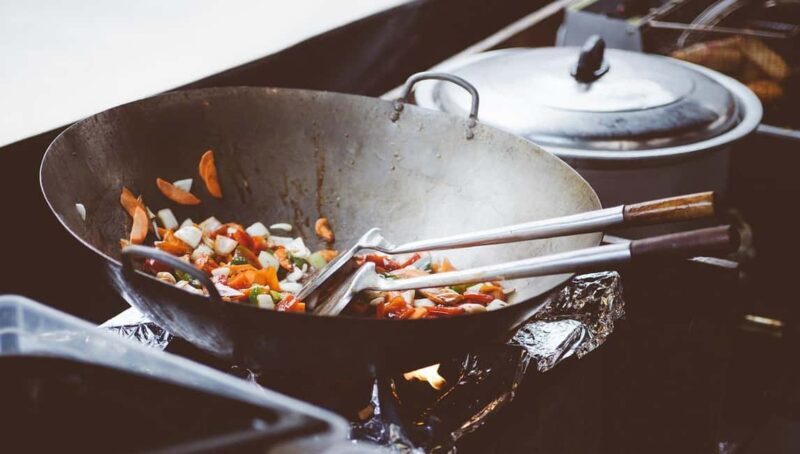 2 / 4
2 / 4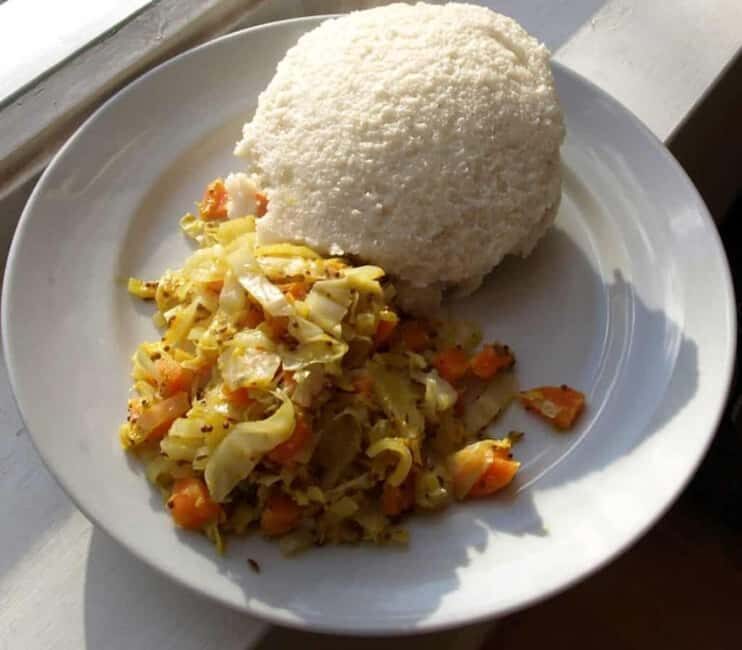 3 / 4
3 / 4 4 / 4
4 / 4- Authentic Cooking Experience: Learn to prepare traditional Rwandan dishes with local ingredients.
- Cultural Insights: Discover how food plays a role in Rwandan culture through guided storytelling.
- Hands-On Methodology: Cook on both traditional charcoal stoves and modern gas, gaining practical skills.
- Community and Sharing: Enjoy a homemade feast with fellow participants, recreating the warmth of a Rwandan family meal.
- Affordable Value: At $25, this class offers a rich, memorable experience—especially considering the cultural and culinary takeaway.
- Accessible for Food Enthusiasts: Perfect for travelers seeking immersive, interactive experiences.

👉 See our pick of the The Top 3 Tours & Things To Do In Gasabo
The Experience in Detail
Starting at the meeting point inside Club Rafiki in Nyamirambo, you’ll notice a welcoming atmosphere that sets the tone for the day. The meeting spot is easy to find—marked clearly with a large sign—and has a comfortable space to wait before jumping into the cooking adventure.
The guide kicks off with a brief introduction to Rwandan food and its cultural significance. We appreciated the way the guide shared stories that gave context to each dish, making the cooking more meaningful. It wasn’t just about following recipes; it was about understanding why these ingredients and methods matter to Rwandans.
You can also read our reviews of more tours and experiences in Gasabo.

Cooking on a Traditional Charcoal Stove
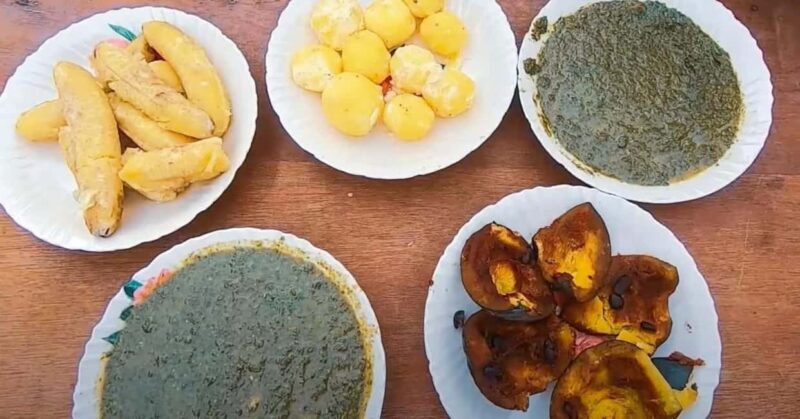
One of the tour’s highlights is the hands-on cooking. You’ll learn how to prepare dishes such as ugali (a maize porridge that’s a staple), beans, vegetable stew, and fried plantains. The use of a traditional charcoal stove really stands out—cooking with charcoal isn’t just nostalgic; it’s a window into how many Rwandan households prepare their daily meals. This tactile experience is invaluable for understanding the flavors and techniques.
You’ll also get to see how modern homes cook with gas, offering a glimpse into everyday life in Kigali. This dual approach helps travelers appreciate the blend of tradition and modernity that defines Rwanda’s culinary landscape.
Discovering Key Dishes
The guide shares secrets of dishes like Isombe (cassava leaves)—a leafy green vegetable often cooked with spices—and Ibishyimbo (beans). The process of making these dishes might be new to many, but the clear instructions and communal environment ensure everyone can participate, regardless of culinary skill level.
From the reviews, we know the experience is educational and fun, with Caesar noting it was “really nice, educational and fun,” and praising the delicious food. Participants often comment on how the homemade meal tastes better because it’s crafted with care and authentic ingredients.
Sharing the Meal
After the cooking, everyone gathers around to enjoy their self-made Rwandan feast. Sharing food in this setting creates a cozy, family-like atmosphere. It’s a chance to savor tasty dishes and connect over the shared experience. The meal is simple but packed with flavor, giving you a true taste of Rwanda’s everyday cuisine.
More Great Tours NearbyWhy This Tour Stands Out
The value for money here is notable. For just $25, you get a guided cooking session, a homemade meal, bottled water, and cultural insights. The price reflects the personal attention and hands-on nature of the experience. It’s a rare opportunity to learn traditional cooking techniques while engaging deeply with local culture.
The small group atmosphere keeps things intimate and interactive. You won’t feel lost in a crowd, and the guide can tailor the experience to your interests. Plus, the flexible booking with a “pay later” option helps travelers plan without stress.
Practical Details
Starting at Club Rafiki, the activity runs for a few hours, making it easy to fit into a day of sightseeing. It ends back at the same meeting point, simplifying logistics. The activity is not suitable for people with mobility impairments or children under 18, so plan accordingly.
If you’re concerned about language, don’t worry—English is the language used throughout. The tour is designed to be accessible and inclusive, with a focus on sharing knowledge and fostering fun.
Who Should Sign Up?
This experience is best suited for foodies, culture seekers, and travelers who enjoy interactive, local-led experiences. If you’re curious about everyday life in Rwanda and want practical skills in preparing traditional dishes, it’s a fantastic choice.
It’s also a good fit for those who appreciate authentic, hands-on activities rather than passive sightseeing. Whether you’re traveling solo or with friends, you’ll find the communal aspect both enjoyable and enriching.
However, if you have mobility issues or are traveling with young children under 18, this might not be the best fit. The focus on physical participation on traditional stoves and the adult-oriented environment makes it less suitable for certain groups.
The Sum Up
For just $25, this Kigali cooking class offers more than just a meal—it’s a window into the country’s culinary traditions and cultural soul**. You’ll learn technique, taste authentic flavors, and leave with new skills to recreate Rwandan dishes at home. It’s a perfect way to connect with Kigali’s everyday life in a relaxed, friendly setting.
Travelers who love interactive experiences and want a practical souvenir from their visit will find this tour well worth the time. The focus on traditional cooking methods combined with a shared meal makes it feel genuine and rewarding.
If you’re hungry for authentic, flavorful food and a deeper understanding of Rwanda’s culture, this class is a real gem. It’s a fun, affordable, and meaningful addition to any Kigali itinerary.
Kigali: From Market to Table Cooking Class in Kigali
FAQ
Is this tour suitable for children?
This experience is not suitable for children under 18, as it involves active participation on traditional stoves and is designed for an adult audience.
How much does the tour cost?
The tour costs $25 per person, which includes the guided cooking session, the self-prepared meal, bottled water, and cultural insights.
Where does the tour start and end?
It begins inside Club Rafiki in Nyamirambo and ends back at the same location, making logistics simple and straightforward.
What languages are used during the class?
English is the language used for instructions and storytelling, making it accessible for most travelers.
Is the activity physically demanding?
Participants do need to stand and actively cook, but it’s generally manageable for most fit adults. It’s not suitable for those with mobility impairments.
Can I cancel if my plans change?
Yes, you can cancel up to 24 hours in advance for a full refund, providing flexibility for your travel plans.
What makes this experience worth it?
The combination of hands-on learning, authentic dishes, and the opportunity to share a meal with new friends makes this worth every penny, especially considering the cultural depth and practical skills gained.