Climbing Mount Kilimanjaro is often called a bucket-list adventure, and for good reason. This 7-day guided tour along the Machame route offers a chance to stand on the continent’s highest point, Uhuru Peak, while enjoying some of the most varied and striking landscapes Tanzania has to offer.
While it’s not a casual walk in the park, this trek is designed for those with a good level of fitness who want an authentic, well-supported experience.
Two things we particularly love about this tour are its focus on acclimatization—thanks to the “trek high, sleep low” strategy—and the scenic variety, from lush rainforests to icy summits. The route’s design not only increases the chances of a successful summit but also makes the journey itself a fascinating exploration of nature’s extremes.
One thing to consider is the price point—$2,600 per person. When you factor in accommodation, guides, food, and safety equipment, it offers good value for an all-in package. But travelers should be aware of additional costs like park fees, personal gear, and travel insurance.
This tour is best suited for active travelers ready to push themselves physically and mentally, and who appreciate a well-organized, informative guide. It’s perfect for those seeking a genuine mountain adventure with a manageable level of support.
- Key Points
- An In-Depth Look at the 7-Day Machame Route Kilimanjaro Trek
- Day 1: Moshi to Machame Gate
- Day 2: Machame Gate to Machame Camp
- Day 3: Machame Camp to Shira Camp
- Day 4: Shira Camp to Barranco Camp
- Day 5: Barranco Camp to Karanga Camp
- Day 6: Karanga Camp to Barafu Camp
- Day 7: Barafu to Uhuru Peak to Mweka Camp
- What’s Included and What’s Not
- Preparing for Success
- Other Practical Details
- The Experience: Authentic, Challenging, and Rewarding
- Authenticity and Value
- The Challenge and the Reward
- Who Should Consider This Tour?
- Final Thoughts
- FAQ
- The Best Of Kilimanjaro National Park!
- More Hiking & Trekking Tours in Kilimanjaro National Park
- More Tours in Kilimanjaro National Park
- More Tour Reviews in Kilimanjaro National Park
Key Points
 1 / 5
1 / 5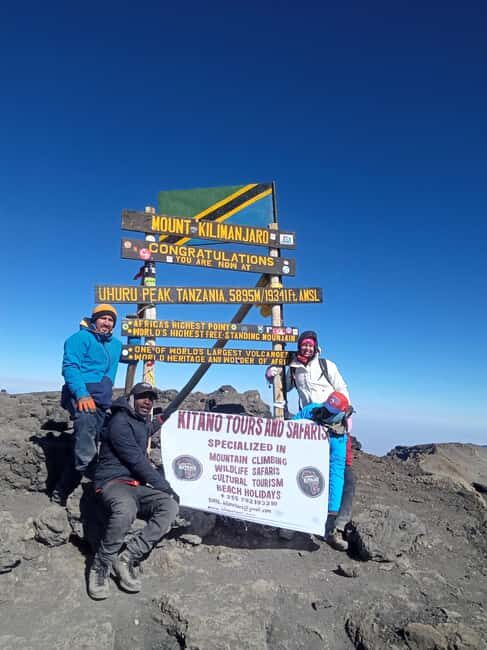 2 / 5
2 / 5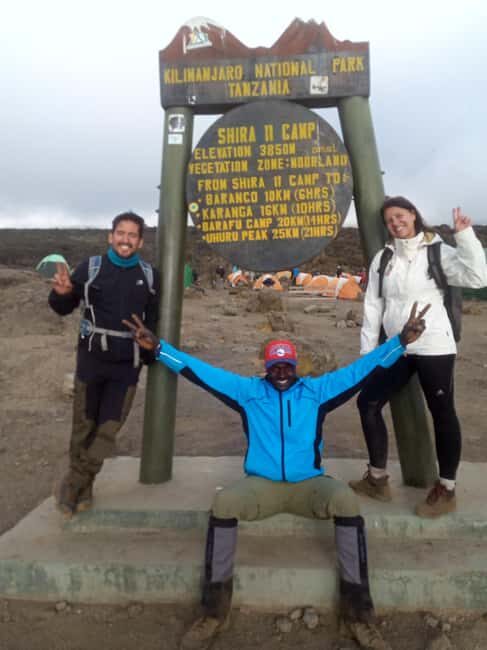 3 / 5
3 / 5 4 / 5
4 / 5 5 / 5
5 / 5- Balanced Acclimatization: The route’s “trek high, sleep low” approach enhances the chances of reaching the summit.
- Varied Landscapes: Expect rainforest, alpine deserts, and icy summits, making it a visually stunning experience.
- All-Inclusive Support: Guides, meals, tents, and emergency oxygen are included, simplifying logistics.
- Preparation Matters: Good physical fitness and the right gear significantly improve your experience.
- Authentic Experience: Traveling with a professional guide means understanding local customs and mountain ecology.
- Extra Costs: Budget for park fees, personal gear, and insurance separately.
👉 See our pick of the What Are The Best Tours & Things To Do In Kilimanjaro National Park? Our Top 16 Picks
An In-Depth Look at the 7-Day Machame Route Kilimanjaro Trek
The Machame route, affectionately known as the “Whiskey route,” is one of the most popular paths up Kilimanjaro. Its popularity stems from its striking scenery and the route’s clever design that boosts your chances of summiting. The journey spans a full week, giving your body ample time to adjust to the high altitude—crucial for success, as many reviews note.
You can also read our reviews of more hiking tours in Kilimanjaro National Park
Day 1: Moshi to Machame Gate
Your adventure begins with a short drive from Moshi, a lively gateway town, to the Machame Gate. From here, you’ll start your trek through lush rainforest. This initial walk introduces you to Kilimanjaro’s rich flora and fauna, where monkeys and colorful birds might greet you.
The path then leads to the Shira Plateau, a vast, semi-desert area that hints at the dramatic landscapes ahead. The route here is designed to gradually increase altitude while enjoying striking views—your first taste of what’s possible if you stay steady.
Day 2: Machame Gate to Machame Camp
Today involves a steep ascent crossing the Shira Plateau. This is where the “trek high, sleep low” pattern begins, as you’ll gain altitude during the day but descend slightly to camp, helping your body acclimatize. This section merges with the Lemosho route briefly, offering an added variety of scenery and terrain.
Day 3: Machame Camp to Shira Camp
Continuing upward, you’ll reach the Shira Camp, situated on a high-altitude volcanic landscape. The views here are impressive—vast, open vistas of volcanic rocks and rugged scenery. The route’s terrain changes from lush to more barren, preparing you for the mountain’s icy upper reaches.
More Great Tours NearbyDay 4: Shira Camp to Barranco Camp
The trek from Shira to Barranco Camp takes you through stunning natural features like the Great Barranco Wall, a challenging but rewarding climb that often leaves climbers feeling more confident. The scenery is dramatic, with giant boulders, unique flora, and sweeping views of Kibo.
You can also read our reviews of more tours and experiences in Kilimanjaro National Park
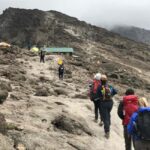
Day 5: Barranco Camp to Karanga Camp
This day takes you across more rugged terrain, moving toward the Karanga Valley, a vital acclimatization spot. The landscape remains stark and beautiful, and the altitude gains here continue to prepare you for the final ascent.
Day 6: Karanga Camp to Barafu Camp
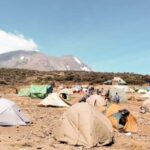
From Karanga, you ascend to Barafu Camp, the base camp for the summit push. Nighttime here can be cold, and the atmosphere is a mix of anticipation and focus. Your guide will review the plan for the early morning attempt on Uhuru Peak.
Day 7: Barafu to Uhuru Peak to Mweka Camp
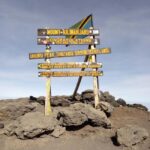
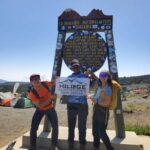
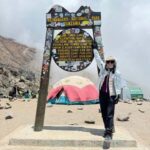
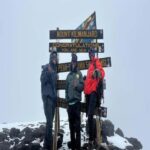
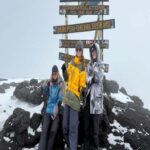
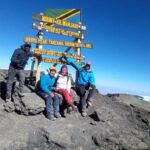
The final stretch begins around midnight, with a steep, cold climb in the dark toward the summit. Reaching Uhuru Peak is a momentous achievement—standing on the highest point in Africa at 19,341 feet. The views of the sunrise over the continent are unforgettable. After celebrating your success, you’ll descend to Mweka Camp for rest and recovery.
What’s Included and What’s Not
The package includes a professional English-speaking guide, meals during the trek, drinking water, tents with sleeping mattresses, a portable toilet, and oxygen tanks for emergencies. These essentials help keep the logistics straightforward and reduce stress, allowing you to focus on the climb.
However, it’s vital to budget for park fees, personal trekking equipment, travel insurance, visa fees, and personal expenses. These are not included but are necessary for a smooth trip.
Preparing for Success
What you bring matters. Pack comfortable shoes, warm clothing, a hat, camera, snacks, sunscreen, water, and a daypack. The mountain can be freezing at night, even in the dry season, so layers are key. Remember, acclimatization days are vital—rushing can increase risk of altitude sickness, which is why the route’s design encourages gradual elevation gain.
Other Practical Details
- The tour is conducted in English.
- You can reserve without immediate payment, offering flexibility.
- It isn’t suitable for children under 12, pregnant women, or those with mobility, heart, or respiratory issues. Plus, the maximum weight limit is 254 lbs (115 kg).
- Cancellations are accepted up to 24 hours in advance for a full refund.
The Experience: Authentic, Challenging, and Rewarding
From reviews, it’s clear this route’s scenery leaves a lasting impression. Many travelers mention the “stunning views” from the summit and across the diverse terrain. The combination of rainforest, volcanic barrenness, and icy summit creates a multi-layered experience that keeps your eyes wide open.
The route’s focus on acclimatization is a real advantage. Many climbers report higher success rates because of the thoughtfully spaced camps and the “trek high, sleep low” approach. It’s not just about reaching the top but about doing so safely and comfortably.
Support from professional guides, including their knowledge of local customs, mountain ecology, and safety procedures, adds a layer of confidence. The inclusion of emergency oxygen tanks reassures those concerned about altitude sickness—a common worry.
Authenticity and Value
At $2,600, the tour offers a comprehensive package—guides, meals, tents, and safety gear. When you consider the cost of independent arrangements, this is quite reasonable, especially given the logistical support and safety measures. That said, remember to budget for extra costs like park fees and personal gear, which can add up.
The Challenge and the Reward
This trek is physically demanding. Expect long days, steep ascents, and cold nights. But the sense of achievement when you finally stand atop Kilimanjaro is unmatched. Many travelers recount the “pride,” “adventure,” and “breathtaking views” that make it all worthwhile.
Who Should Consider This Tour?
This tour is best for active travelers ready to handle elevation changes and rugged terrain. It’s ideal if you want a guided, supported climb with a focus on acclimatization and scenic variety. It suits those who value authentic adventure over luxury, and who are prepared to follow safety guidelines and bring the right gear.
It’s not suited for young children, pregnant women, or those with significant health or mobility issues. Also, travelers over 254 lbs should consider the weight limit for safety reasons.
Final Thoughts
Climbing Kilimanjaro via the Machame route offers an exciting mix of challenges and awe-inspiring scenery. The route’s design promotes better acclimatization, increasing your chances of summiting successfully, while the diverse landscapes—from lush rainforests to icy summits—keep the journey visually fascinating. With professional guides, included meals, and safety gear, this trip provides solid support for those seeking a genuine mountain adventure.
At $2,600, it’s a fair investment in a once-in-a-lifetime experience, provided you’re prepared for the physical demands and extra expenses. It’s a trip that rewards effort with unparalleled views, a profound sense of achievement, and stories to tell for years.
If you’re in good shape, eager to challenge yourself, and want to experience the real Kilimanjaro, this tour ticks all the boxes. It’s an authentic, well-supported, and scenic way to conquer Africa’s highest peak.
Kilimanjaro: 7-Day Machame Route Hiking Tour
FAQ
Is this tour suitable for beginners?
While it’s accessible for those with good fitness levels, climbing Kilimanjaro is physically demanding. Beginners should be prepared for steep ascents and altitude challenges.
What kind of scenery will I see?
You’ll encounter a variety of landscapes, including rainforest, volcanic plains, and icy summit areas. The views from the top are especially breathtaking.
Are meals included?
Yes, all meals during the trek are included, making logistics simpler. You’ll enjoy nutritious food designed to sustain you on the climb.
What safety measures are in place?
Guides are professional and experienced, and emergency oxygen tanks are available. The route’s design also supports acclimatization to reduce altitude sickness risks.
Is there a weight limit for participants?
Yes, the maximum weight allowed is 254 lbs (115 kg). This is mainly for safety and logistical reasons.
What equipment should I bring?
Comfortable shoes, warm clothing, a hat, camera, snacks, sunscreen, water, and a daypack are recommended. Proper gear is essential for comfort and safety.
Can I book now and pay later?
Yes, you can reserve your spot with a flexible “pay later” option, giving you time to organize your travel plans.
Are there any age restrictions?
Yes, children under 12, pregnant women, and those with certain health issues are not advised to participate.
In sum, this Kilimanjaro tour offers a well-rounded, scenic, and supportive way to reach the continent’s highest point. It’s a journey that demands respect but rewards with unforgettable views and a profound sense of achievement.
You can check availability for your dates here: