If you’re looking for a way to connect with Japan’s sweet traditions beyond just tasting, this wagashi-making experience at Koboji Temple offers a rare chance. It combines crafts, culture, and a bit of history in a setting that’s both peaceful and authentic. While we haven’t personally done this exact experience, reviews and descriptions paint a compelling picture of what you can expect.
What we love about this tour is how it makes Japanese sweets, or wagashi, accessible and personal. You get to learn the delicate art of nerikiri, the main sweet in traditional tea ceremonies, in a stunning space that feels worlds away from Tokyo’s bustling streets. Plus, the experience ends with matcha served by a kimono-clad host—an elegant touch that transports you to a different time.
A potential consideration is the activity’s duration—just 60 minutes—which might seem short to some. But given the intimate setting and expert guidance, it’s a compact, focused glimpse into Japanese confectionery. This tour is especially well-suited for travelers who appreciate cultural craftsmanship and want a memorable, hands-on experience that’s both educational and fun.
If you’re curious about Japanese traditions, enjoy sweet treats, or want a unique cultural souvenir—like a photo in a kimono—this experience could be just the thing. It’s perfect for those who love authenticity and want to walk away with a new skill.
- Key Points
- Starting Point: Koboji Temple in Mita
- The Setting: An Authentic Tatami Room
- The Core of the Activity: Making Nerikiri
- Sampling and Tea Ceremony
- Dressing in Kimono or Oshima Tsumugi Haori
- Duration, Group Size, and Practicalities
- Value and Pricing
- More Dessert Tours in Tokyo
- More Tour Reviews in Tokyo
Key Points
 1 / 8
1 / 8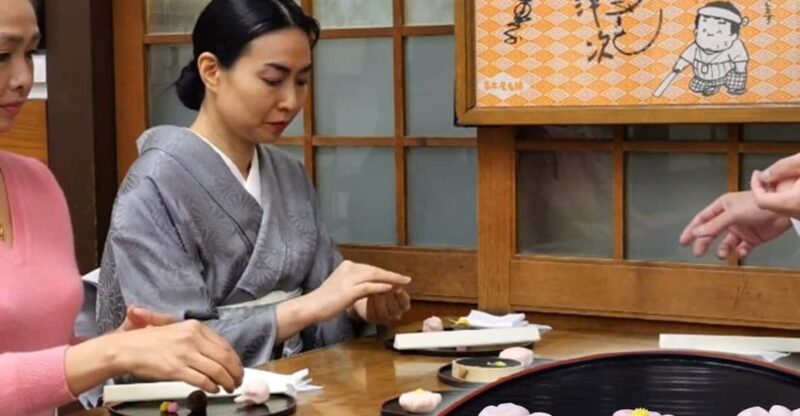 2 / 8
2 / 8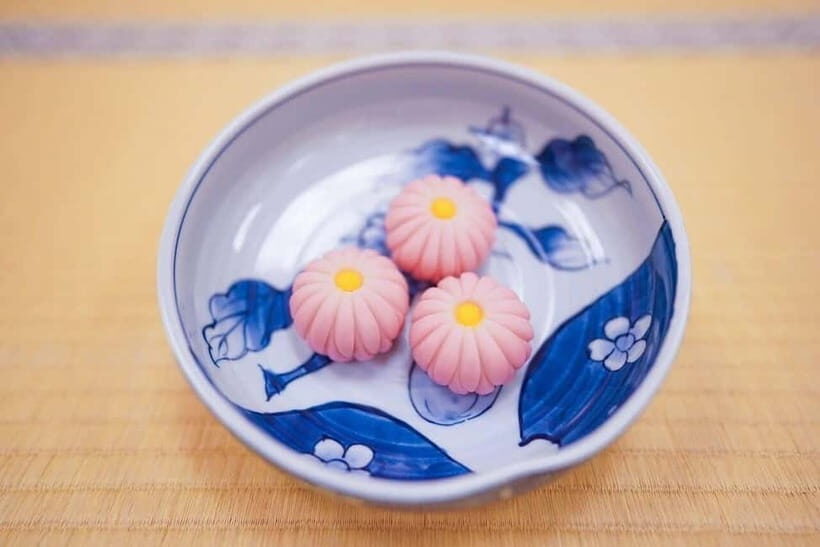 3 / 8
3 / 8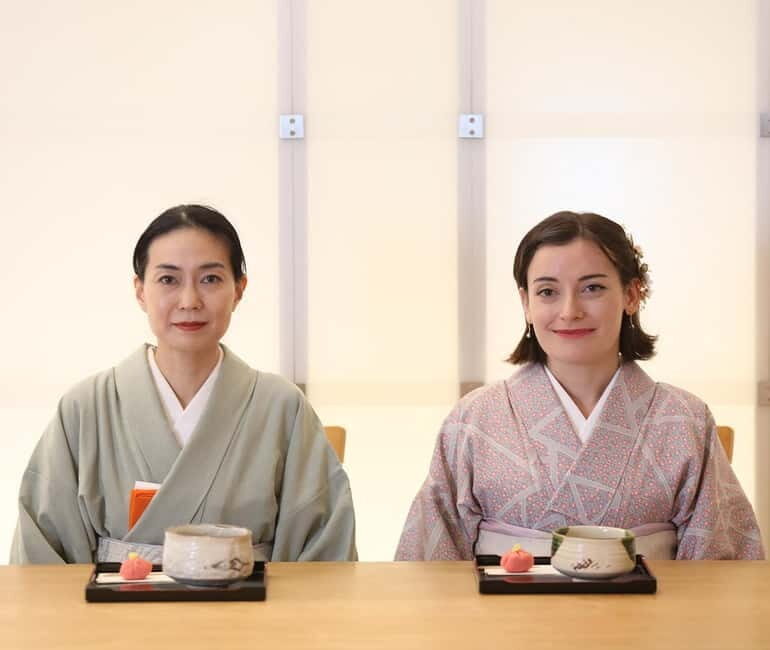 4 / 8
4 / 8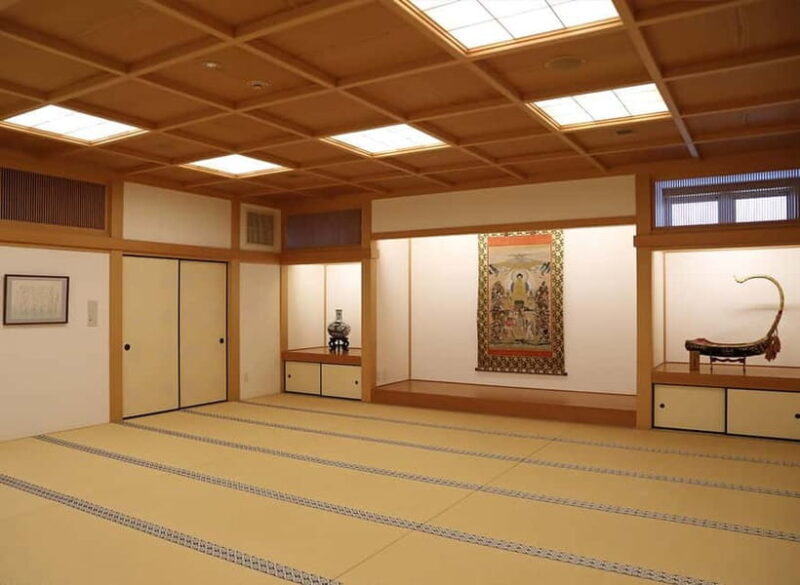 5 / 8
5 / 8 6 / 8
6 / 8 7 / 8
7 / 8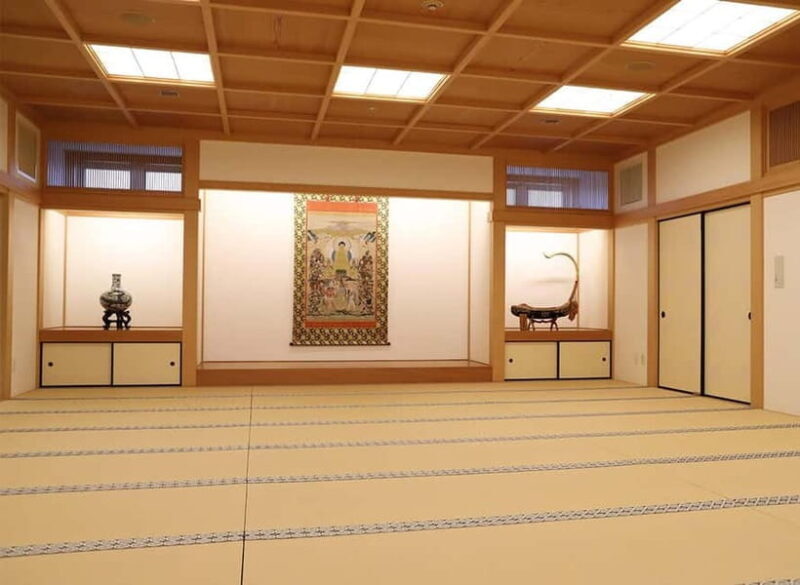 8 / 8
8 / 8- Authentic setting: Conducted in a genuine 24-tatami-mat tatami room within Koboji Temple
- Cultural immersion: Learn about the significance of Japanese sweets in tea ceremonies
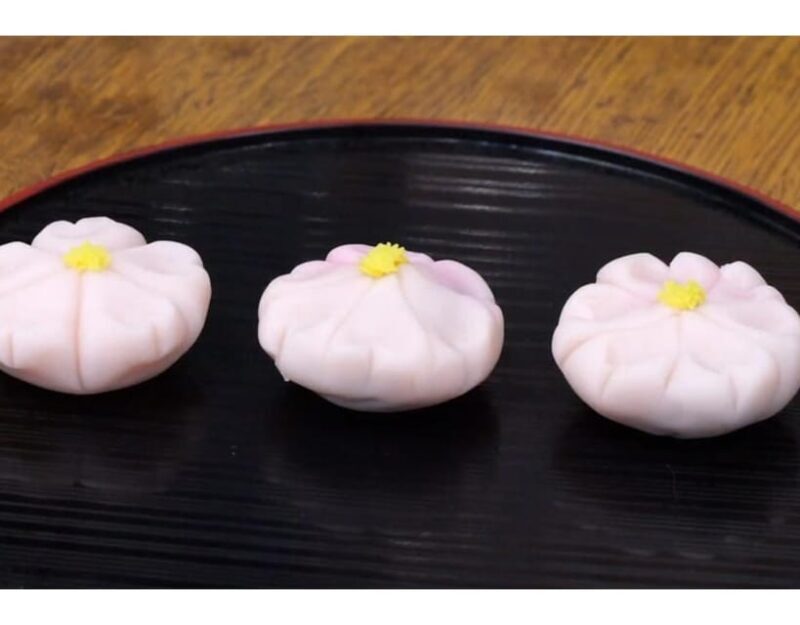
- Hands-on activity: Create nerikiri, the delicate sweet used in traditional tea rituals
- Expert guidance: Hosted by experienced, friendly guides who explain the history and techniques
- Beautiful attire options: Optional kimono or Oshima Tsumugi haori dress-up adds a memorable touch
- Includes matcha: Savor freshly made matcha to complement your sweets
Starting Point: Koboji Temple in Mita
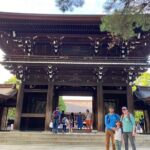
The tour kicks off at Koboji Temple, a serene and picturesque location in Tokyo’s Mita area. The atmosphere alone sets the tone—peaceful, respectful, and rich with cultural echoes. The meeting point is straightforward—no complicated transfers, just a short walk or easy transit from central Tokyo.
You can also read our reviews of more tours and experiences in Tokyo


The Setting: An Authentic Tatami Room
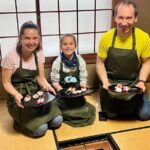
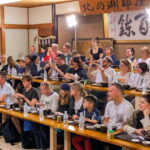
The activity takes place in a traditional 24-tatami-mat room, which offers a genuine Japanese ambiance. The room’s design, with sliding shoji screens and minimalistic decor, immerses you in the atmosphere where Japanese tea ceremonies and sweets originated. It’s a space that feels both historic and welcoming.
As the reviews mention, the venue is air-conditioned, ensuring comfort even in summer or humid weather—a thoughtful touch that makes the experience enjoyable regardless of season.
The Core of the Activity: Making Nerikiri
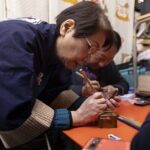
Your guide, an experienced host, introduces you to nerikiri, the sweet paste made from sweetened white bean paste and glutinous rice flour. This is the main confection used in formal tea ceremonies—delicately shaped, often resembling flowers or seasonal motifs.
The process is surprisingly approachable: think of it like playing with playdoh, as one reviewer put it. The key is in the gentle shaping and color layering, which the guide patiently explains step-by-step. You’ll learn about the significance of each shape and color, gaining insight into how aesthetic harmony plays a vital role in Japanese sweets.
Sampling and Tea Ceremony
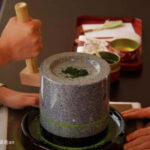
Once your nerikiri is finished, you’ll enjoy the main sweets alongside fresh matcha green tea. The matcha is prepared traditionally and served by the host dressed in a kimono, adding a layer of elegance and authenticity to the moment.
The host will also share insights about the history of Japanese sweets in tea ceremonies, deepening your appreciation for these tiny edible artworks. One reviewer described the experience as “really fun, like playing with Playdoh,” highlighting how accessible and engaging the process can be.
More Great Tours NearbyDressing in Kimono or Oshima Tsumugi Haori
A special option is the chance to wear a kimono or a rare Oshima Tsumugi haori. Oshima Tsumugi is a luxurious silk textile, known for its lightweight feel and beautiful kasuri patterns, representing a rare opportunity to experience Japanese elegance firsthand.
The kimono master will dress you comfortably over your casual clothes—no need to bring anything. Whether for photos or just to feel immersed in tradition, this add-on makes the experience even more memorable.





Duration, Group Size, and Practicalities
The activity lasts about 60 minutes, which makes it easy to fit into a busy Tokyo itinerary. The group size tends to be small, ensuring plenty of personal attention from your guide.
Guides speak both English and Japanese, making the experience accessible for international visitors. Since the experience is bookable with flexible payment options, you can reserve your spot confidently, knowing you can cancel up to 24 hours in advance for a full refund.
Making Wagashi (Japanese sweets) at Tokyos Koboji Temple
Value and Pricing
At $74 per person, this experience offers good value given the intimate setting, expert guidance, and cultural depth. You’re not just making sweets—you’re learning about their significance, enjoying beautiful surroundings, and capturing photos in traditional attire.
One of the reviews highlights how engaging and warm the guide was, with praise for Tae’s kindness and patience, especially when participants took extra time. The venue’s aesthetics—“gorgeous,” as described—adds to the overall enjoyment, making this a highlight for those who appreciate well-curated spaces.
Another review likens making nerikiri to playing with Playdoh, emphasizing how approachable and fun the activity is, even for beginners. This suggests it’s suitable for a wide range of ages and skill levels.
This tour is ideal for travelers interested in Japanese culture, traditional crafts, and culinary arts. It works well for couples, solo travelers, or small groups wanting a personalized activity. If you’re a fan of tea ceremonies, sweets, or dressing in kimono-style attire, you’ll find plenty to enjoy here.
It’s also a good option for those who prefer authentic, hands-on experiences over more commercial or superficial tours. It’s not suited for wheelchair users, but if you’re comfortable on your feet and enjoy delicate craftsmanship, this could be a memorable highlight of your trip.
This wagashi-making experience at Koboji Temple offers a rare glimpse into the refined world of Japanese sweets, blended seamlessly with cultural tradition and beautiful surroundings. The small group setting, expert guidance, and optional kimono dress-up make it a memorable, enriching activity.
Whether you’re a foodie, a culture lover, or simply seeking a unique souvenir from your Tokyo visit, this activity balances educational value with genuine fun. It’s a chance to learn a skill, taste exquisite sweets, and feel like you’ve stepped into a different era—all in just an hour.
If you value authenticity, intimacy, and cultural depth, this experience is well worth considering. It’s a peaceful, beautiful, and surprisingly playful way to connect with Japan’s storied traditions.
Is this experience suitable for children?
While the activity is designed for adults, children who are patient and enjoy crafting might find it fun. However, it’s best suited for those able to sit and focus for 60 minutes.
Do I need to bring anything?
No, just comfortable clothes and a camera. The host will provide all materials, and dressing in kimono or haori is optional.
Can I book with flexible payment?
Yes, you can reserve your spot now and pay later, giving you flexibility in planning your trip.
Are guides available in English?
Yes, guides speak both English and Japanese, making the experience accessible for international visitors.
Is the venue accessible for wheelchairs?
No, this activity is not suitable for wheelchair users due to the traditional tatami room setting.
Can I cancel if my plans change?
Yes, you can cancel up to 24 hours in advance for a full refund, allowing for easy adjustments to your itinerary.
This wagashi-making tour at Koboji Temple offers a genuine, engaging taste of Japan’s confectionery craft, set amid serene surroundings and with expert guidance. Whether for a special photo opportunity, a new skill, or a deeper appreciation of Japanese culture, it’s a small but meaningful part of any Tokyo visit.
You can check availability for your dates here: