Discovering Kibera: An Honest Look at the Nairobi Slum Tour
This tour of Kibera, Africa’s second-largest informal settlement, is often recommended as a genuine way to understand a side of Nairobi that many travelers overlook. Our review is based on the experiences shared by travelers who have ventured into this vibrant community, guided by locals who live and breathe Kibera daily.
If you’re curious about real urban life beyond the tourist spots, this two-hour journey offers a window into resilience, hope, and community amidst challenging conditions.
What we particularly appreciate about this experience is the opportunity to see community-led initiatives first-hand, such as housing, education, and health projects. Plus, the fact that you’ll be accompanied by a local youth guide—someone who grew up in Kibera—adds an authentic touch that can’t be manufactured. The modest price of $25 for a detailed, guided tour makes it accessible and packed with value.
The only consideration? The tour’s concentration on community life means you’ll want to keep an open mind and respect local sensitivities.
This tour is best suited for travelers eager to go beyond surface-level sightseeing and genuinely connect with local stories and realities.
Key Points
- Authentic Local Engagement: Guided by someone from Kibera who knows the area intimately.
- Impactful Community Focus: Learn about ongoing NGO projects supporting education, housing, and health.
- Respectful Approach: Designed as a safe, responsible way to experience a complex community.
- Excellent Value: At $25, it offers a meaningful insight into everyday life in Kibera.
- Accessible and Well-Organized: Transfers are included, with a flexible pay-as-you-go policy.
- Highly Praised Guides: Reviewers consistently mention knowledgeable, friendly guides who make the experience memorable.
👉 See our pick of the 16 Best Tours & Things To Do In Nairobi (With Prices)
- Key Points
- Exploring Kibera: An In-Depth Review
- Introduction to the Experience
- What Makes This Tour Special?
- The Itinerary: What to Expect
- Real Traveler Perspectives
- Pricing and Value
- Group Size and Organization
- Considerations for Travelers
- The Sum Up
- FAQs About the Kibera Slum Tour
- The Best Of Nairobi!
- More Shopping Tours in Nairobi
- More Tours in Nairobi
- More Tour Reviews in Nairobi
Exploring Kibera: An In-Depth Review
 1 / 2
1 / 2 2 / 2
2 / 2You can also read our reviews of more shopping tours in Nairobi



Introduction to the Experience
This two-hour tour of Kibera in Nairobi, arranged by DALA Tours, promises an authentic look into one of Africa’s most well-known informal settlements. It’s recommended by travelers for its honest storytelling and respectful approach, setting it apart from more superficial sightseeing. We love how the tour highlights community resilience and ongoing NGO projects, offering insight into what’s being done—and what still needs attention—to improve lives.
One of the main draws is the local guide—someone who grew up in Kibera—who shares personal stories and connects travelers with community members. We also appreciate the inclusion of a visit to Kenya’s largest public primary school, giving visitors a glimpse into local education efforts that have historically lifted families out of poverty.
A possible drawback to consider is the short duration—at about two hours, it’s a quick snapshot. For those craving an immersive, day-long experience, this might feel limited. However, for most travelers wanting a thought-provoking, respectful introduction without feeling overwhelmed, it’s an ideal choice. It’s best suited for those who are genuinely interested in understanding urban poverty, community projects, or simply want a different perspective on Nairobi.
What Makes This Tour Special?
Guided by Locals Who Know the Area Inside Out
One of the most praised aspects of this tour is the knowledgeable and friendly guides. According to reviews, guides like Bramwel and Frederick are not only well-informed but also genuinely caring about the experience they provide. Many reviewers point out that guides grow up in Kibera themselves, which makes the stories they share more authentic and personal. As one traveler noted, “He knew everyone in the village. We met a man who invited us into his home and shared stories of his family’s hardships.”
This personal touch enhances the tour’s credibility and ensures visitors get more than just a surface tour—they get a window into everyday life.
Focus on Community Projects and NGO Efforts
The tour doesn’t shy away from discussing NGO projects aimed at improving housing, education, and health in Kibera. This provides a balanced perspective, showing progress alongside the community’s challenges. Travelers appreciate being able to ask questions about what’s working and what’s not, gaining a nuanced understanding of development efforts.
Respectful and Responsible Tourism
Designed with sensitivity, the tour emphasizes respect for residents’ privacy and dignity. Visitors are encouraged to put their cameras down and focus on the human stories. Reviewers repeatedly mention feeling safe and welcomed, with guides acting as “amigos” rather than mere guides. This approach fosters authentic interactions that can be both emotionally impactful and educational.
The Itinerary: What to Expect
Stop 1: Kibera Community Walk
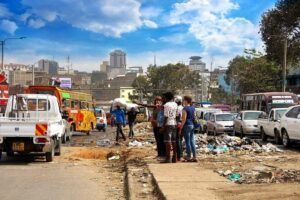
Your adventure begins at the designated meeting point, Olympic Primary School, a symbol of hope and resilience in Kibera. From there, you’ll walk through narrow alleyways and colorful makeshift homes, seeing everyday life in motion. Expect to see local markets, community centers, and perhaps children playing football or residents working on small-scale businesses.
Multiple reviews highlight how guides like Bramwel or Frederick show personal connections, taking you into homes or sharing stories about their own lives. One traveler said, “Bramwel grew up in Kibera, and although he moved out, he still lives nearby, which makes his stories all the more authentic.” Such insights help visitors understand how residents navigate life in a crowded, often tough environment.
Stop 2: Kenya’s Largest Public Primary School
The tour concludes at Olympic Primary School. This institution has a history of lifting families out of poverty and is the largest public primary school in Kenya. Visitors learn about education initiatives and see firsthand how local children are learning despite adversity. Many reviewers mention the emotional impact of seeing kids eager to learn, which underscores the community’s resilience.
Real Traveler Perspectives
The reviews consistently praise the guides’ friendliness, with one noting, “Our guide Bramwel was amazing, knowledgeable, and made us feel safe.” Another describes it as a “humbling experience” and emphasizes that it’s a “safe way to experience Kibera”, highlighting the importance of guided tours for respectful and responsible visiting.
Some travelers share touching moments, like being invited into homes or meeting local residents with smiles despite hardships. One reviewer pointed out, “Everyone had smiles on their faces, and I wish we could have helped all of them.” This underscores how the tour fosters empathy and understanding.
You can also read our reviews of more tours and experiences in Nairobi





Pricing and Value
At $25 per person, this tour offers remarkable value. It’s a short, well-structured experience packed with authentic encounters and meaningful insights. Compared to other Nairobi activities, it provides a deep dive into local life without wasting time or money on superficial attractions. The inclusion of transfers from a designated meeting point makes logistics straightforward and stress-free.
Group Size and Organization
Most reviews mention small to medium-sized groups, with a maximum of 50 travelers. This allows for a more personal experience and easier interaction with guides and residents. The process for booking is simple—just pay on the spot, which many appreciate for its trust-based approach.
Considerations for Travelers
While many find the tour eye-opening and inspiring, travelers should be prepared for potentially muddy or uneven paths, especially if it rains. Wearing sturdy shoes is recommended. It’s also wise to approach the experience with an open mind and respect for the community.
The Sum Up
This Kibera slum tour is an excellent option for travelers wanting a thoughtful, respectful, and authentic insight into a community often misunderstood. The guides’ local knowledge and focus on community projects add depth to the experience, making it more than just a sightseeing stroll. It’s a chance to see resilience in action and to learn about ongoing efforts to create positive change.
The tour’s value for money and impactful storytelling make it a worthwhile addition to any Nairobi itinerary. Whether you’re interested in urban development, social issues, or simply want to broaden your understanding of Kenya’s diverse communities, this experience offers genuine insights that will stay with you long after the walk.
Ideal for: Curious travelers seeking an authentic, respectful look at urban life, those interested in community development, or anyone wanting to see Kenya through a different lens.
Memorable Daily KIBERA Slums/Toi Market Tour with Locals (2 hours)
FAQs About the Kibera Slum Tour
Is the tour suitable for all ages?
Yes, most travelers can participate. It’s designed to be respectful and educational, with a focus on community life.
How long does the tour last?
Approximately 2 to 3 hours, including transfers and the visit to the primary school.
What is included in the price?
All fees and taxes are covered, plus round-trip transfers from the designated meeting point.
Do I need to prepare anything?
Wearing sturdy shoes and dressing appropriately for the weather is advised. Bring an open mind and respect for the community.
Can I take photos during the tour?
It’s encouraged to be respectful; many guides recommend putting away cameras at times to honor residents’ privacy. Focus on storytelling over snapshots.
Is the tour family-friendly?
Most likely yes, but it’s always good to check with the provider if traveling with very young children.
How do I book the tour?
You can reserve in advance online, typically 11 days ahead on average. The pay-as-you-go policy means you pay upon arrival.
Are tips expected?
Tips are not included, so if you feel the guides did a great job, a tip is appreciated but not mandatory.
What if I have special needs or mobility issues?
Since the tour involves walking through narrow alleys, check with the provider to discuss your specific needs beforehand.
What’s the best way to prepare for this experience?
Learn a little about Kibera’s background, go with an open mind, and arrive ready to listen and observe. It’s a chance to understand a community beyond the headlines.
In the end, this Kibera tour opens a door into a resilient community, guided by locals who want to share their stories. It’s a worthwhile addition to your Nairobi journey if you’re eager to see a different side of Kenya and understand the ongoing efforts for better living conditions. Just remember: approach with respect, curiosity, and an open heart.