If you’re looking for an experience that goes beyond typical sightseeing, the Omo Valley 4-day, 3-night cultural tour offers just that—a chance to step into a land where traditions have remained unchanged for centuries.
This private journey, operated by Walk in Ethiopia Tours, promises a genuine encounter with some of Africa’s most distinctive tribes, from the Hamer to the Mursi and Karo. It’s a trip that combines adventure, culture, and stunning scenery in one package.
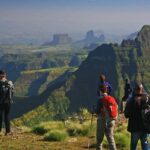
What we love about this tour is how it balances authentic encounters with well-organized logistics. The guides are praised for their knowledge, enhancing each stop with stories that bring the tribes’ customs to life. Also, the landscapes you’ll see—endless plains, rugged mountains, and vibrant riverbanks—are every bit as captivating as the people.
One thing to keep in mind is that the terrain can be rough—this isn’t a luxury safari but a genuine expedition into remote Ethiopia. Expect bumpy roads, early mornings, and some long drives. It’s best suited for travelers who are keen on culture and are comfortable with moderate physical activity. If that sounds like you, this tour could be a highlight of your Ethiopian adventure.
- Key Points
- An In-Depth Look at the 4-Day Itinerary
- Day 1: Konso Cultural Centre & the Ari Tribe
- Day 2: Mago National Park & Hamer Tribe
- Day 3: Karo Tribe & the Hamer
- Day 4: Return to Addis Ababa
- Transportation & Practicalities
- What’s Included & What’s Not
- Authentic Encounters and the Value for Money
- Who Will Love This Tour?
- Final Thoughts: Is It Worth It?
- FAQ Section
- The Best Of Addis Ababa!
- More Historical Tours in Addis Ababa
- More Tours in Addis Ababa
- More Tour Reviews in Addis Ababa
Key Points
 1 / 7
 2 / 7
 3 / 7
 4 / 7
 5 / 7
 6 / 7
 7 / 7
- Authentic cultural experiences with tribes that have preserved centuries-old traditions
- Expert guides who are knowledgeable and passionate about the region and its customs
- Stunning landscapes that offer incredible photo opportunities and scenic views
- Good value for money considering the included entrance fees, transportation, and guided experiences
- Limited group size ensures personalized attention and a more intimate experience
- Rough roads and early starts are part of the adventure but require some flexibility

👉 See our pick of the 2 Best Tours & Things To Do In Addis Ababa (With Prices)
An In-Depth Look at the 4-Day Itinerary
You can also read our reviews of more historical tours in Addis Ababa

Day 1: Konso Cultural Centre & the Ari Tribe
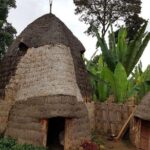
Your journey begins with a flight to Jinka, followed by a short drive to explore the Konso Cultural Centre. Although the tour doesn’t go into detail about this stop, it’s a good introduction to the broader cultural landscape of southern Ethiopia. Then, you’ll meet the Ari tribe, known for their pottery skills and banana tree skirts called Enset. The women here are often adorned with colorful jewelry and numerous piercings—visual cues of their traditions that make for striking photographs.
One of the most engaging aspects of this first day is observing how the Ari people decorate themselves—beads, bracelets, and body jewelry serve both aesthetic and cultural purposes. The local guides ensure you learn about the symbolisms behind their attire and customs, making the experience both visual and educational.
Day 2: Mago National Park & Hamer Tribe
The highlight of Day 2 is the drive through Mago National Park en route to the Mursi tribe, famous for their lip plates—a bold, striking tradition where women stretch their lower lips with large discs. Travelers often find this both fascinating and shocking, but it’s a powerful way to witness how beauty standards can differ so dramatically.
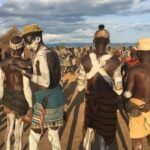
The guides are praised for their knowledge of the tribes’ customs—a helpful factor, considering some practices may seem quite intense to outsiders. In the afternoon, your journey continues to Turmi, home to the Hamer tribe, renowned for their bull jumping and Evangadi dance ceremonies. As one reviewer shared, the Hamer are “well known for their bull jumping and dancing,” which are both spectacular and culturally significant rituals.
Day 3: Karo Tribe & the Hamer
Early morning takes you across the rough roads to visit the Karo tribe, known for their pierced lower chins stuffed with metal or nails. The physical modifications are part of their cultural identity, and guides help explain these rituals’ social and spiritual meanings.
This day is a chance to see more of the Hamer territory, further emphasizing the diversity of customs within the region. The contrast between tribes—body art, dress, and rituals—highlights the vivid tapestry of Ethiopia’s indigenous cultures. The journey back to Jinka allows travelers to reflect on the profound differences and similarities among these groups.
Day 4: Return to Addis Ababa
After breakfast, you’ll transfer back to the airport for your flight to Addis Ababa. This is a relaxing end to a whirlwind adventure, giving you time to process the vivid impressions of Ethiopia’s tribal life.
You can also read our reviews of more tours and experiences in Addis Ababa


Transportation & Practicalities
Traveling in a latest-model, air-conditioned Land Cruiser makes a significant difference when navigating Ethiopia’s rough terrains. The tour’s private setup means your group enjoys the flexibility and intimacy that large tour buses often lack.
Timing is crucial; early starts ensure you get the most out of each day, especially for longer drives and visiting more remote villages. While this means some long days, the guides’ efficiency helps keep things moving without feeling rushed.
What’s Included & What’s Not
For $1,307.70 per person, you receive guides, entrance fees, and three breakfasts. It’s a fair bundle considering the private transportation, the expertise of guides, and the costs of visits to all the tribes and parks.
However, flights—both international and domestic—are not included, so travelers should plan accordingly. Photography fees are also not included, which is common in many cultural destinations.
Authentic Encounters and the Value for Money
This tour really shines in its authenticity. Travelers consistently praise the guides for their knowledge and friendliness, turning what could be a superficial experience into a meaningful cultural exchange. The reviews highlight how well-organized the trip is, with many calling out the well-planned itinerary and value for money.
One reviewer shared, “The Omo Valley was a great experience, lovely people, and beautiful culture,” emphasizing how the trip delivers on its promise of deep cultural exposure. Others appreciated the stunning views and peaceful tribes that have preserved their traditional ways of life.
While the tour involves some bumpy roads and early mornings, these are part of the adventure that makes the experience genuine. It’s not a luxury escape but a raw, real look into a part of Ethiopia few travelers ever see.
Who Will Love This Tour?
This experience suits adventurous travelers who are comfortable with a certain level of physicality and don’t mind rough roads. It’s perfect for those who want to connect with authentic cultures rather than just see them from afar. If you’re interested in body art, ritualistic customs, and traditional ways of life, you’ll find this tour compelling.
It’s also suited for small groups or those who prefer a personalized experience—the private setup and dedicated guides ensure an intimate journey. If your goal is to capture stunning photographs or simply learn about Ethiopia’s diverse tribes, this tour offers you a solid, well-rounded package.
Final Thoughts: Is It Worth It?
Absolutely. For $1,307.70, you get a comprehensive, well-organized, and authentic glimpse into Ethiopia’s tribal life. The inclusion of entrance fees, transportation, and expert guides means fewer surprises and more focus on the experience itself.
The tour offers stunning scenery, rich cultural interactions, and a chance to witness traditions that have persisted for centuries—an experience that leaves a lasting impression. It is especially valuable for travelers craving deep culture and who are ready for a bit of adventure.
If you’re prepared for the rugged roads and early mornings, this trip will reward you with perspectives and memories unlike any other. It’s a rare chance to see Ethiopia’s living customs up close, all while being guided by passionate locals who care about sharing their heritage.
Omo Valley 4days 3nights Cultural Tour
FAQ Section
Is this tour suitable for all travelers?
It’s best suited for those who are comfortable with rough roads, early mornings, and a bit of physical activity. The tour is not overly strenuous but involves some travel over uneven terrain.
Are all the tribes included in this tour?
The itinerary covers the Mursi, Hamer, and Karo tribes, among others, along with visits to Mago National Park and the Konso Cultural Centre.
What is the transportation like?
Travel is in a modern, air-conditioned Land Cruiser, which helps make rough roads more bearable. The private setup ensures comfort and flexibility.
Are meals included?
Yes, breakfast is included on all three mornings. Lunch and dinner are not included but can be arranged or purchased locally.
Can I take photographs during the tour?
Yes, but photography and camera fees are not included in the package. Always ask permission before photographing tribes, respecting their privacy and customs.
How long are the drives each day?
The drives can be long, especially on Day 2 and Day 3, when the terrain is rugged. Expect some travel time between stops, but the guides aim to keep the day balanced.
What should I pack?
Bring comfortable clothing suitable for hot days and cooler evenings, sturdy shoes for walking, and a camera. Don’t forget sunscreen and insect repellent.
To sum it up, this Omo Valley 4-day cultural tour offers a meaningful, eye-opening experience into some of Africa’s most enduring traditions. It’s a perfect choice for curious, adventurous travelers eager to explore Ethiopia’s remote tribes in an organized yet authentic way. While it requires some flexibility and willingness to face basic conditions, the rewards—stunning scenery, unforgettable encounters, and a deeper understanding—are well worth it.