Paro-Ta Dzong: A Close Look at Bhutan’s Cultural Treasure Chest
If you’re planning a trip to Bhutan, a visit to the Paro-Ta Dzong, now known as the National Museum of Bhutan, is a must. This historic fortress, perched above the town of Paro, offers more than just impressive architecture — it’s a gateway into Bhutan’s soul, filled with artifacts, art, and stories that capture the country’s unique blend of tradition, spirituality, and natural harmony.
While it’s a relatively compact experience, it’s packed with detail and insight, making it a worthwhile addition to your Bhutan itinerary.
Two things we particularly like about this tour are the authentic cultural insights you get from exploring the museum’s seven floors and the breathtaking panoramic views of Paro valley from the ramparts. The museum’s setting in a fortress that once guarded against invasions adds a layer of historical drama, and the quiet shrine room tucked away at the top feels like a sacred secret you’ll want to discover.
The only potential downside? The museum’s high elevation and many stairs mean it’s not the best fit for those with mobility issues or who tire easily.
This experience works really well for history buffs, culture seekers, and those wanting a deeper understanding of Bhutan’s spiritual roots. It’s suitable for most travelers who are comfortable with walking and standing, and it offers a solid value considering the wealth of artifacts and views included.
Key Points
- Historic Setting: Housed in a former watchtower, the museum’s architecture is as fascinating as its exhibits.
- Cultural Gems: Ancient thangka paintings over 500 years old tell stories through vibrant colors and symbolism.
- Royal Artifacts: Discover weapons, attire, and regalia that highlight Bhutan’s monarchical past.
- Natural Connection: Exhibits include delicate butterfly specimens and a rare armillary sphere used by astrologers.
- Authentic Experience: The quiet shrine room offers a glimpse into sacred Bhutanese relics many visitors overlook.
- Stunning Views: The ramparts provide panoramic vistas of Paro valley—a moment of peace and beauty.
An In-Depth Look at the Paro-Ta Dzong Experience
You can also read our reviews of more tours and experiences in Paro.
The Historical and Architectural Context
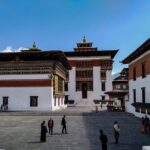
The Paro-Ta Dzong isn’t just a museum; it’s a storybook structure that offers a tangible link to Bhutan’s past. Originally built as a watchtower, this circular stone fortress was meant to defend Paro Rinpung Dzong from invasions from the north. Walking into the Dzong feels like stepping into a Himalayan time capsule — thick walls, winding corridors, and a sense of purpose that echoes through the stones. Its shape, reminiscent of a conch shell, symbolizes the sacred sound of Dharma in Buddhism, adding spiritual significance to its sturdy walls.
What You Can Expect Inside
Once inside, you’re greeted with a curated display of seven floors of artifacts and art. The museum combines history, religion, and natural history, giving you a well-rounded picture of Bhutanese life. The exhibits are thoughtfully arranged, and the lighting and layout help maintain a sense of reverence and discovery.
Thangka Paintings and Religious Art
A highlight is the collection of ancient thangka paintings, some dating back over 500 years. These vibrant, detailed pieces are more than decorative — they depict Buddhist legends, deities, and teachings, using color and symbolism that require a bit of study to fully appreciate. The paintings are displayed in a way that invites close inspection, and many visitors find themselves lingering to decipher the stories told through brushstrokes.
Royal Artifacts and Regalia
The upper floors house royal artifacts like weapons, traditional attire, and regalia. These items give a glimpse into Bhutan’s monarchical traditions and the importance placed on ceremony and protection. While the artifacts are displayed in a straightforward manner, their historic significance is palpable, especially when you consider the role these objects played in Bhutan’s history.
Ritual Relics and Spiritual Items
You’ll discover relics such as conch horns and ceremonial masks, which play a crucial part in Bhutanese rituals. These artifacts are often considered sacred, and their presence adds a layer of spiritual depth to the museum experience.
The Natural History Section
One of the more unexpected parts of the museum is its natural history collection. Delicate butterfly specimens and preserved wildlife illustrate Bhutan’s close relationship with nature. The armillary sphere — an ancient astronomical instrument used by Bhutanese astrologers — stands out as a fascinating exhibit. Astrology isn’t just a historical curiosity here; it influences everyday life, guiding decisions from weddings to business openings.
More Great Tours NearbyThe Quiet Shrine Room
Perched at the top of the museum, the shrine room is a hidden gem. Often missed by visitors, it houses relics revered for their protective and spiritual significance. Sitting quietly here offers a moment of reflection, away from the busy corridors below. The views from this level are spectacular — you can gaze over Paro valley and feel the uplifting connection between the sacred and the earthly.
The Experience and Its Practicalities
Expect to spend about 1.5 to 2 hours exploring the museum at your own pace. The seven floors involve quite a bit of walking and climbing, so comfortable shoes are essential. The building’s high elevation and the winding layout mean those with mobility issues should prepare accordingly. Photography is sometimes restricted, so check signage or ask staff if you want to capture certain exhibits.
The price of $3,500 for a group of up to 8 is a fair investment considering the breadth of exhibits and the panoramic views included. Since transportation and a guide are not part of the package, plan to visit as part of a larger tour or arrange your own transport. Many reviews highlight the good value for money, especially given the authentic experience and the depth of cultural insight.
Why Choose This Tour?
This visit is ideal if you’re interested in understanding Bhutan beyond its landscapes — into its spiritual beliefs, royal history, and relationship with nature. The curated exhibits and the atmospheric building itself offer a quiet, contemplative experience that’s both educational and soul-stirring. It’s a good choice for those who prefer self-guided exploration, as the museum allows you to go at your own pace without the pressure of a guided tour.
Final Thoughts
Visiting the Paro-Ta Dzong is a highlight that combines history, art, and a sense of spiritual serenity. It’s more than a museum — it’s a window into Bhutanese identity, woven into the very stones of the fortress. The good value and authentic atmosphere make it a worthwhile stop for anyone eager to deepen their understanding of Bhutanese culture and tradition.
While it might not be suitable for visitors with limited mobility or those seeking a fast-paced experience, it offers a meaningful slowdown and reflection. The panoramic views alone are worth the effort, and the treasure trove of artifacts will stay with you long after the visit.
If you want to step off the beaten path and connect with Bhutan’s soul, this tour offers an authentic, thoughtful, and visually stunning experience.
Paro-Ta Dzong: National Museum of Bhutan
FAQs
Is the Paro-Ta Dzong suitable for all ages?
It’s generally suitable for most ages, but because of the many stairs and high elevation, it might be challenging for travelers with mobility issues or those who tire easily.
Do I need to book in advance?
Booking is recommended, especially if you want to secure your spot and take advantage of the flexible “reserve and pay later” option. It’s a popular site, and planning ahead helps.
What should I wear for the visit?
Comfortable shoes are a must due to the walking involved. Since the museum is in a historic fortress, dress respectfully and be prepared for some coolness at higher levels.
Are there any restrictions on photography?
Photography may be restricted in certain areas, so look for signs or ask staff if you want to take pictures.
Is there a guide included?
No, guided tours are not included, but you can explore at your own pace. Many visitors appreciate the freedom to linger in exhibits that interest them most.
Can I combine this with other sights?
Yes, many recommend a walk down to Paro Rinpung Dzong for a broader experience of the area’s religious sites and markets.
In sum, the Paro-Ta Dzong offers a balanced and enriching look at Bhutan’s rich tapestry of history, art, and spirituality, all set against stunning Himalayan vistas. It’s a place where every stone and artifact tells a story — perfect for travelers eager to understand Bhutan’s deeper soul.
You can check availability for your dates here: