If you’re visiting Tokyo and want a taste of authentic Japanese craftsmanship alongside a cultural stroll, this Private Japanese Sample Food Making and Asakusa History Tour offers a balanced blend of hands-on fun and historical insight. While I haven’t taken this exact tour myself, the reviews and detailed itinerary paint a compelling picture of what you can expect.
What makes this experience stand out? First, the opportunity to create your own sample food—these intricately crafted fake dishes are almost indistinguishable from real food. Second, the combination of exploring Kappabashi Street, often called “Kitchen Town,” and visiting Sensoji Temple ensures you get a genuine slice of Tokyo life, from culinary craftsmanship to spiritual history.
A possible consideration? The tour lasts approximately three hours, so it’s a good idea to be prepared for a moderately paced activity. Also, since it involves a hands-on workshop, it’s best suited for those comfortable getting their hands a bit messy and with no nail art or polish that might come off in wax.
This tour is ideal for travelers seeking a unique, interactive experience that combines Japanese food artistry with cultural exploration. Families, foodies, or anyone curious about Japan’s famous fake food industry will find this especially rewarding.
- Key Points
- Introduction: Why This Tour Is a Must-Consider for Your Tokyo Trip
- Detailed Look at the Itinerary
- Starting Point and Meeting Details
- Senso-ji Temple: A Cultural Icon
- Kappabashi Street: The Culinary Mecca
- Hands-On Sampuru Making Workshop
- Final Stop: Exploring the Neighborhood
- What We Loved About the Tour
- Review Highlights
- The Price and Value Analysis
- Practical Details That Matter
- Who Will Appreciate This Tour?
- The Sum Up: Is It Worth Your Time?
- FAQ
- More Food & Drink Experiences in Tokyo
- More Tours in Tokyo
- More Tour Reviews in Tokyo
Key Points
- Hands-on experience with making Japanese Sampuru (sample food models), perfect for creative souls.
- Accessible for all ages from 7 and up, with wheelchair and stroller-friendly options.
- Includes visits to Tokyo’s iconic Sensoji Temple and bustling Kappabashi Street.
- Small group size (max 15) ensures individualized attention and a friendly atmosphere.
- A cultural blend: Learn about the history and craft behind Japan’s famous fake food displays.
- Value for money with guided instruction, take-home samples, and insightful commentary.
Introduction: Why This Tour Is a Must-Consider for Your Tokyo Trip
This Private Japanese Sample Food Making and Asakusa History Tour offers more than just sightseeing; it’s a chance to understand a uniquely Japanese art form while exploring a neighborhood packed with tradition and lively commerce. Many travelers love the personalized attention in small groups and the rare chance to craft their own tempura sampuru—a Japanese culinary craft that has fascinated people worldwide thanks to viral videos and intricate detail.
Two standout aspects are the opportunity to get hands-on with wax and plastic and the guide’s ability to share stories about famous artisans and the origins of fake food in Japan. The fact that kids as young as seven can join makes it family-friendly without sacrificing depth or quality.
One potential drawback? The tour involves physical activity and handling wax, which might not appeal to everyone, especially those with allergies or sensitivities. Also, as it lasts just under three hours, it’s more of a quick immersion rather than a lengthy cultural deep-dive.
This experience suits food lovers, families, and curious travelers eager to learn about Japan’s quirky culinary displays or those looking for a fun, interactive activity away from typical sightseeing.
You can also read our reviews of more food & drink experiences in Tokyo

Detailed Look at the Itinerary
Starting Point and Meeting Details
The tour begins at the APA Hotel Asakusa Tawaramachi Station Mae, a convenient spot near public transportation. Meeting at 9:45 AM for a 10:00 AM start, travelers can expect a prompt, well-organized beginning. The group size is capped at 15, ensuring personal attention, and the tour is wheelchair and stroller accessible, making it inclusive for most visitors.
Senso-ji Temple: A Cultural Icon
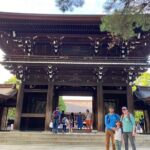
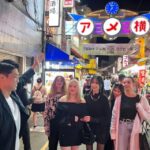
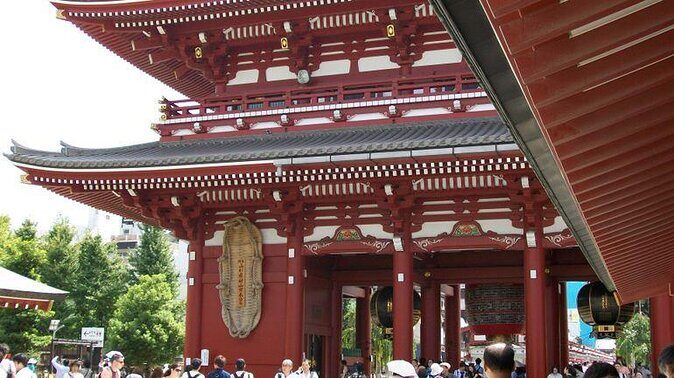
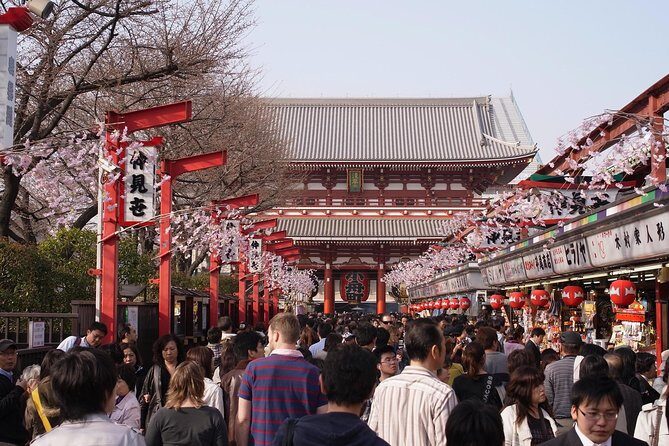
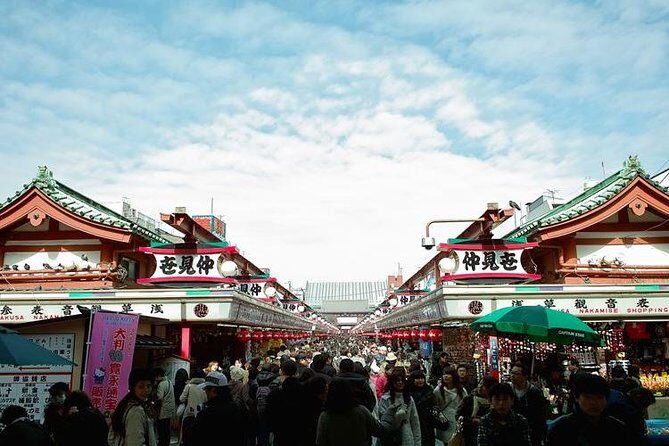
Your first stop is Senso-ji Temple, Tokyo’s oldest and most visited Buddhist temple. As the spiritual heart of Asakusa, Senso-ji’s atmosphere is lively, colorful, and steeped in tradition. Entrance is free, and the 30-minute visit provides a snapshot of Japan’s religious architecture and vibrant street life.
Many reviewers highlight the temple’s stunning gates and lively Nakamise Dori shopping street, which connects the temple’s main gate to the temple itself. This bustling street is lined with vendors selling souvenirs, snacks, and traditional crafts. As one reviewer noted, “Making the sample food and learning about the history of Kappadori will not be an experience we forget.”
Kappabashi Street: The Culinary Mecca
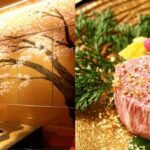
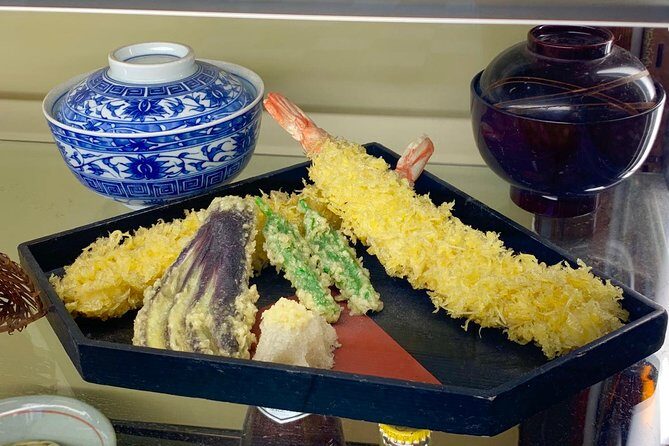
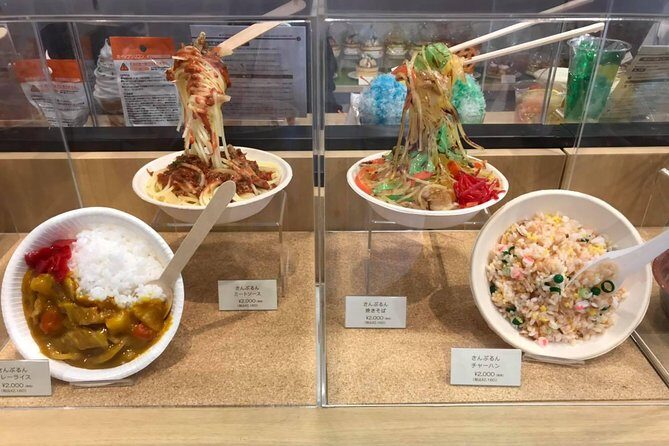
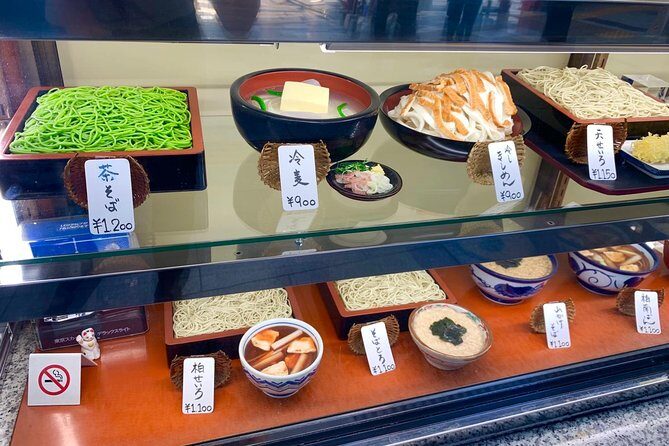
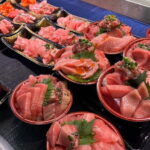
Next, you’ll explore Kappabashi Street, known as “Kitchen Town.” This street is a paradise for culinary enthusiasts, filled with shops selling professional knives, cookware, and of course, sample food models. It’s a fascinating area where you’ll see displays of plastic food—a craft that has become a hallmark of Japanese food culture.
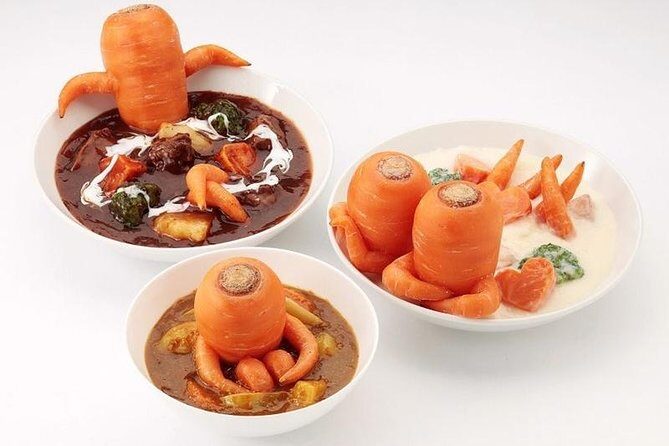
As the guide explains, the art of making fake food began in the 1930s. A famous artisan, Takizo Iwasaki, created realistic wax and plastic models as a way for restaurants to display their offerings. Today, artisans often spend years perfecting their craft—some models can take a week to make, and prices can reach up to $500 USD for a single masterpiece.
Many visitors find Kappabashi a surprisingly visual feast, with countless shop windows showcasing glistening fake sushi, tempura, and ramen bowls. Making a tempura sampuru during the workshop is a highlight, with most participants surprised at how simple and satisfying the process is, thanks to clear guidance.
You can also read our reviews of more tours and experiences in Tokyo

Hands-On Sampuru Making Workshop
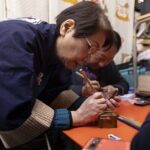
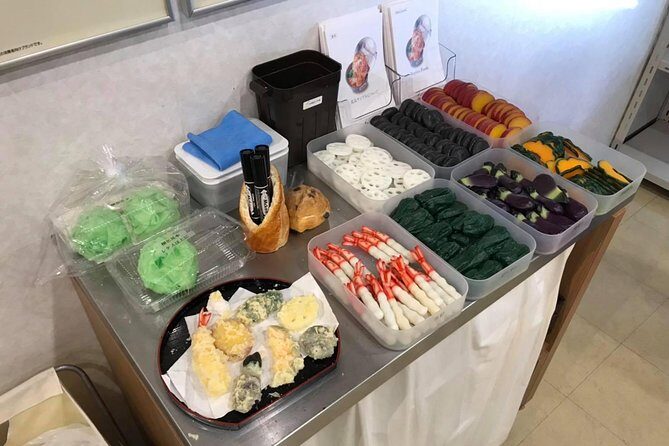
The core of the experience is the interactive workshop where you will craft your own tempura sample. The guide explains the history and significance of sampuru, emphasizing that these displays are an integral part of Japanese restaurant culture, often costing more than the real food they imitate.
During the workshop, you’ll handle wax (or plastic) to create your own piece, which you can take home as a souvenir. Participants often commend the friendly, knowledgeable guides—as one reviewer put it, “Hitomi was so friendly and told us many memorable things about the area and about food sample making history.”
Final Stop: Exploring the Neighborhood
The tour concludes back at the meeting point, but travelers are encouraged to explore more on their own. The area around Asakusa is full of traditional shops and eateries, and if you opt for an extended tour, you might enjoy visiting the oldest tempura restaurant in Japan or taking a more comprehensive Tokyo tour.
What We Loved About the Tour
The expert guidance really stands out. We appreciated how the guides not only explained the history of sampuru but also shared stories about the artisans and cultural significance behind the craft. Their enthusiasm made the experience more immersive and enjoyable.
The hands-on workshop is genuinely fun—most guests find themselves surprisingly adept at creating their tempura, and the ability to bring home a customized sample makes it a memorable keepsake. Plus, watching the intricate detail of fake food models is fascinating; it’s a craft that takes up to 10 years to master.
The visit to Sensoji Temple and the nearby shopping street adds a rich cultural layer, giving a well-rounded glimpse of Tokyo’s heritage. The proximity of these sites makes it convenient and efficient, especially for travelers with limited time.
Review Highlights
- “Making the sample food and learning about the history of Kappadori will not be an experience we soon forget.” — Kira_A
- “Hitomi, the tour guide, was so friendly and told us so many memorable things about the area and about food sample making history.” — Murray_M
The Price and Value Analysis
At $176.46 per person, the tour offers a solid value, especially considering the guided instruction, the take-home sample, and the chance to see iconic Tokyo sights. Compared to the cost of private workshops or specialty souvenirs, this tour packs in both cultural insight and a fun activity.
The inclusion of an English-speaking guide and small group size enhances the experience’s intimacy, making it easier to ask questions and connect with the guide and fellow travelers. It’s also a family-friendly activity, with kids aged 7 and older able to participate, making it suitable for a variety of travelers.
Practical Details That Matter
- Duration: About 3 hours, a perfect length for a morning or early afternoon activity.
- Availability: Tuesdays, Thursdays, and Sundays, with a meeting time at 9:45 AM.
- Accessibility: Wheelchairs and strollers are welcomed, ensuring inclusivity.
- Clothing: Dress for weather, as the tour operates regardless of rain, although certain conditions may modify the route slightly.
- Preparation: Guests should avoid nail polish, as wax may remove it during the crafting process.
- Cancellation Policy: Refunds are available if canceled at least 4 days in advance; otherwise, cancellations are non-refundable.
Who Will Appreciate This Tour?
This experience is ideal for families with children, food lovers, and culture seekers. It offers a perfect blend of interactive fun and cultural education, making it suitable for those wanting a break from traditional sightseeing. It’s especially appealing to travelers who enjoy learning about unique Japanese crafts and want a memorable souvenir to take home.
It’s also a great introduction to Tokyo’s vibrant neighborhood of Asakusa, combining spiritual, culinary, and artisanal elements into one compact experience.
The Sum Up: Is It Worth Your Time?
For travelers wanting to dip their toes into Japanese culture while enjoying a hands-on activity, this tour hits the mark. The small group size ensures a personalized experience, and the expert guides make complex crafts accessible and fun. The visit to Sensoji Temple and the vibrant streets of Asakusa adds a scenic, cultural dimension that rounds out the experience.
While the activity involves some physical handling of wax and a relatively short duration, it offers genuine insight into Japan’s fake food industry—a quirky but significant part of the hospitality scene. The ability to create and keep a personalized sampuru makes this tour a memorable keepsake.
This experience is best suited for curious travelers, families, and anyone eager for a fun, educational slice of Tokyo that’s quite unlike the usual sightseeing. If you’re interested in food, craftsmanship, or just looking for a playful way to connect with Japan’s culture, this tour is well worth considering.
Private Japanese Sample Food Making and Asakusa History Tour
FAQ
Is this tour suitable for children?
Yes, children aged 7 and up can participate. All minors must be accompanied by an adult.
Are wheelchairs and strollers allowed?
Yes, the tour is accessible for both wheelchairs and strollers, making it inclusive for travelers with mobility needs.
How long does the whole experience last?
It lasts approximately 3 hours, making it an easy addition to a day of sightseeing.
What is included in the price?
Guided instruction, the making workshop, a take-home sampuru, entry to Sensoji Temple, and a guided walk of Kappabashi Street.
Are meals included?
No, meals, food, and drinks are not included. You can explore local eateries afterward.
What should I wear?
Dress appropriately for the weather, and avoid nail polish if you plan to participate in the wax-making.
Can I extend the tour?
Yes, there are options for add-on private Tokyo tours and a lunch at an historic tempura restaurant available at checkout.
What if I’m late?
Guests should arrive 10 minutes before the start. The tour may proceed without latecomers, but contact the guide if you’re running late.
What is the cancellation policy?
Full refunds are available if canceled more than 4 days before the tour. After that, cancellations are non-refundable.
In all, this tour presents a lively, engaging way to connect with Tokyo’s culinary and cultural highlights. It’s a playful, educational experience that offers tangible souvenirs and stories to take home—perfect for those who love a bit of hands-on fun during their travels.