- Introduction
- Key Points
- The Experience: What to Expect
- The Location and Setting
- The Itinerary Breakdown
- Making and Tasting Sushi
- The Instructors and Atmosphere
- The Value and Price Point
- How It Compares to Other Experiences
- Why This Tour Works Well
- The Sum Up
- FAQs
- More Workshops & Classes in Tokyo
- More Tour Reviews in Tokyo
Introduction
 1 / 6
 2 / 6
 3 / 6
 4 / 6
 5 / 6
 6 / 6
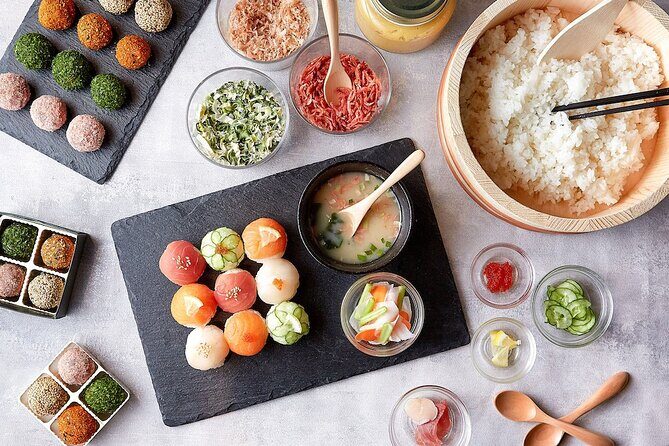
Imagine trying your hand at making authentic sushi in the heart of Tokyo—sounds like a deliciously memorable experience, doesn’t it? This highly-rated private sushi-making tour in Tokyo promises an engaging, hands-on class where you’ll learn to craft two classic types: Nigiri and Maki. While we haven’t personally participated, the glowing reviews and detailed descriptions suggest it’s a fantastic way to connect with Japanese culture through food.
What we particularly like about this experience is the friendly, English-speaking instructors who make the class approachable for everyone, and the location in Asakusa, a vibrant neighborhood teeming with history and culture. The small group setting ensures personalized attention, which is perfect for beginners or those eager to pick up sushi-making tips. One potential consideration is the price—at around $1,430 for up to 15 people, it’s on the higher end, but the inclusions and authentic experience make it a worthwhile splurge for food lovers.
This tour fits best travelers who want a deep cultural experience with a focus on food, especially those interested in learning new skills while sightseeing in Tokyo’s most historic district. If you’re after an interactive activity that yields both a tasty meal and a memorable story to tell, this class could be just what you’re looking for.
Key Points
- Authentic Learning: Hands-on sushi making with experienced English-speaking instructors.
- Cultural Location: Situated in Asakusa, a neighborhood rich with history and sights.
- Class Duration: Approximately 1 hour 50 minutes, blending education and enjoyment.
- Menu Options: Includes classic Nigiri and Maki sushi, with options for gluten-free, vegan, vegetarian, and halal diets.
- Reviews Highlight: Warm, patient teachers and fresh ingredients make the class stand out.
- Value: Offers a memorable cultural experience at a premium price, emphasizing quality and authenticity.
You can also read our reviews of more tours and experiences in Tokyo

The Experience: What to Expect
The Location and Setting
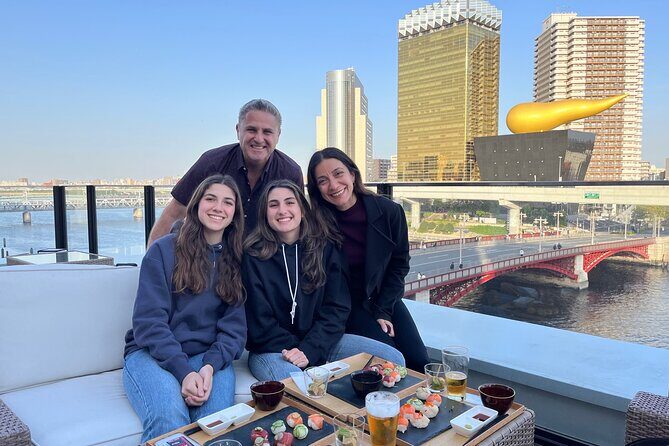
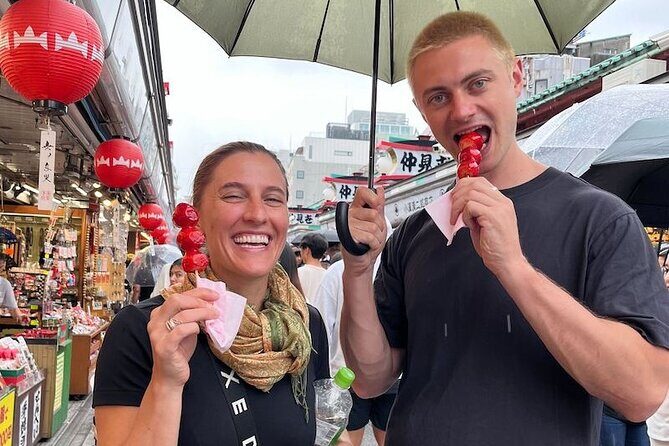
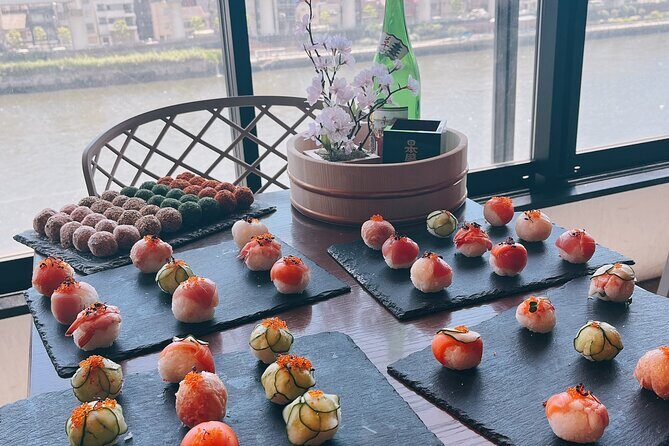
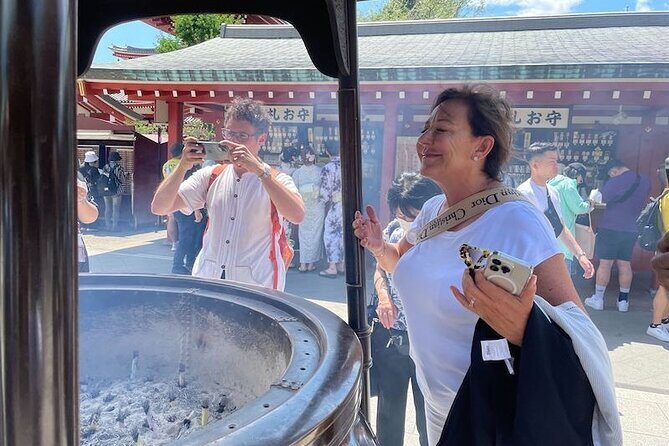
The class is based in Asakusa, one of Tokyo’s most iconic districts, famous for the Senso-ji Temple and lively shopping streets. Being just one minute from the station, it’s incredibly accessible. Asakusa’s streets buzz with traditional shops, snack stalls, and historic temples, making it the perfect backdrop for a cultural cooking class. After your lesson, you can easily continue exploring temples, markets, or scenic spots like the Sumida River.
The Itinerary Breakdown
The class begins with a brief introduction to sushi’s history—a step that sets the tone for understanding why this food is such a vital part of Japanese culture. Then, you’ll move into the kitchen, where your instructor will demonstrate the techniques for making Nigiri—the classic rice-topped fish—and Maki rolls, the familiar seaweed-wrapped sushi.
Throughout the nearly two hours, you’ll learn about sushi ingredients, the importance of freshness, and how to shape and roll the sushi properly. The instructor’s lively and clear communication ensures even beginners can follow along, and the reviews mention that the class remains fun and easy to understand, even in English.
Making and Tasting Sushi
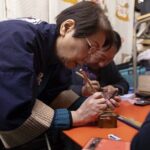
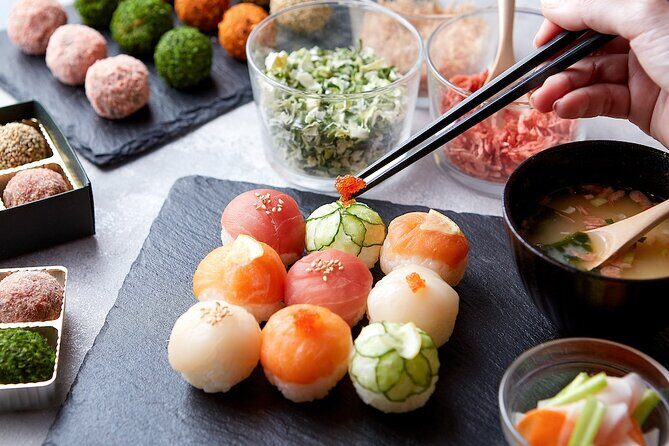
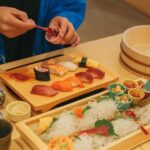
The first half of the class is all about hands-on sushi preparation. Expect to make as many pieces as you like—an aspect praised by travelers who appreciated the opportunity to practice and perfect their skills. The fresh fish used, along with well-prepared rice, produces sushi that’s tasty enough to enjoy immediately. Many reviewers note how delicious and fresh the sushi turns out, making the investment worthwhile.
In the second half, you’ll sit down to eat your creations, which is a highlight. It’s rewarding to taste your own work—something that adds a personal touch to the meal. One guest remarked, “the fish was fresh and tasted fantastic,” confirming the quality of the ingredients.


The Instructors and Atmosphere
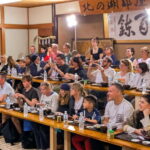
The local staff are described as enthusiastic, patient, and friendly, creating an inviting environment for all participants. One reviewer noted, “Yui was a great teacher,” and another appreciated Masaki’s joyful guidance. Their passion for sharing Japanese cuisine shines through and makes the class more than just a cooking lesson—it turns into a cultural exchange.
The Value and Price Point
While $1,430.19 per group might seem steep, especially for solo travelers, it drops to a more reasonable rate for groups of up to 15. This fee covers all ingredients, the instruction, and the experience itself—an all-in-one cultural activity that combines education, delicious food, and unforgettable memories.
Compared to dining out in Tokyo’s restaurants, where quality sushi can be pricey, this class offers a value-packed opportunity to learn and enjoy Japanese cuisine in a relaxed setting. Plus, the small group size ensures personalized attention, making it suitable for beginners or even seasoned foodies eager to refine their skills.
How It Compares to Other Experiences
Participants often rate it as a top activity—ranking 11th in the world for gourmet experiences and 25th for Asian activities on TripAdvisor. The focus on authentic techniques and cultural context makes it stand out among other classes that tend to be more touristy or superficial.
Why This Tour Works Well
This class is especially appealing to travelers who value culture and want a tangible skill to take home. Whether you’re traveling solo, with family, or in a small group, the personalized instruction, friendly atmosphere, and location in historic Asakusa combine to create a memorable experience.
Keep in mind that menu options are flexible, accommodating gluten-free, vegan, vegetarian, and halal diets, which broadens its appeal. However, it’s best to contact the provider in advance if you have specific dietary needs, as on-the-day changes are not possible.
The Sum Up
For anyone eager to try making traditional Japanese sushi in a lively Tokyo neighborhood, this class offers a compelling combination of fun, learning, and deliciousness. The emphasis on authentic techniques and personalized guidance ensures you’ll leave with new skills and a full belly. The location in Asakusa adds cultural depth, making it more than just a cooking class—it’s a small window into Japan’s rich culinary and cultural tapestry.
While the price may be a consideration for budget-conscious travelers, the quality of instruction, fresh ingredients, and memorable experience justify the cost for those seeking an authentic, hands-on activity. Ideal for foodies, culture enthusiasts, and anyone looking to create a special memory in Tokyo, this sushi-making tour is a worthwhile splurge.
PrivateSushi Making Tokyo! Popular Sushi Class in Japan!
FAQs
Is this a private or group experience?
It is a private experience for your group, with only your party participating, allowing for personalized attention.
How long does the class last?
Approximately 1 hour 50 minutes, blending instruction, practice, and tasting.
Are dietary restrictions accommodated?
Yes, options for gluten-free, vegan, vegetarian, and halal menus are available, but please notify in advance as same-day changes aren’t accepted.
Where is the class located?
It’s in the center of Asakusa, just one minute from the station, a vibrant area filled with historic sites and shops.
What is included in the price?
All ingredients, the instruction from an English-speaking chef, and the meal of the sushi you prepare are included.
Can I cancel if my plans change?
Yes, free cancellation is available until 24 hours before the class, for a full refund.
Is transportation provided?
No, hotel pickup and drop-off are not included. Participants are expected to reach the meeting point independently.
What should I wear?
Comfortable clothing suitable for cooking is recommended, but no special attire is required.