Introduction: Exploring Tokyo’s Sumo Heart in Ryogoku
If you’re curious about sumo wrestling, Tokyo’s Ryogoku district is the place to be. This guided tour offers a captivating glimpse into the sport’s history, traditions, and daily life, all wrapped into a manageable 3.5-hour experience. Whether you’re a sports enthusiast or just looking to deepen your understanding of Japan’s cultural icons, this tour provides a well-rounded, authentic approach.
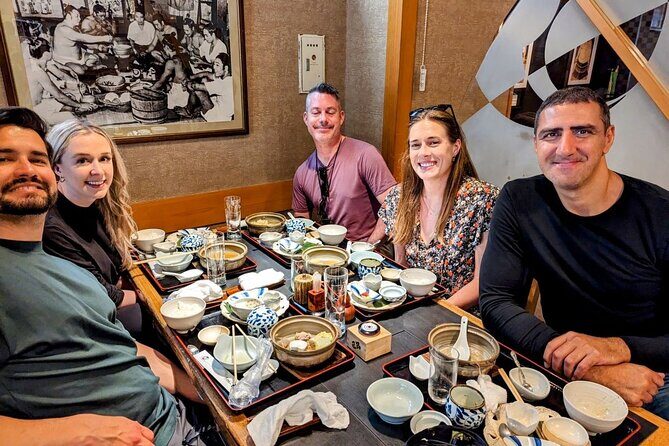
What we love most about this experience are two things: first, the personalized attention that comes from small group sizes—max eight travelers—making the stories and sights more engaging. Second, the delicious inclusion of a traditional chanko-nabe lunch, giving a real taste of the wrestlers’ diet and the communal spirit of sumo.
A potential consideration? The tour doesn’t include active sumo matches or practice viewing, so if witnessing a live match is your goal, you’ll need to seek additional arrangements. However, for a comprehensive cultural overview, this tour hits all the right notes. It’s best suited for travelers who want a meaningful, off-the-beaten-path experience that combines history, local flavor, and expert guidance.
Key Points
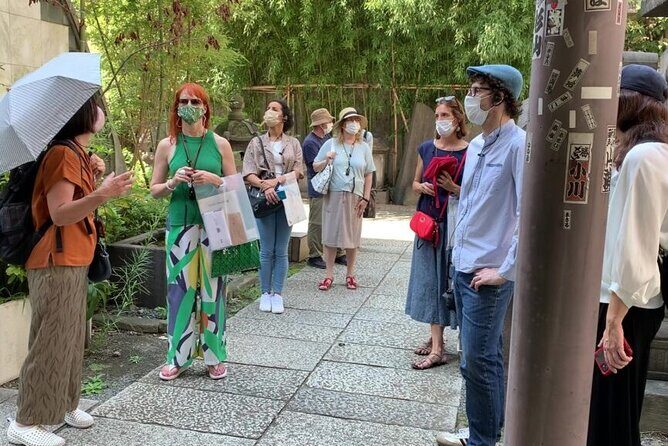
- Authentic insights into sumo’s traditions and history from knowledgeable guides
- Small group size creates a personalized, engaging experience
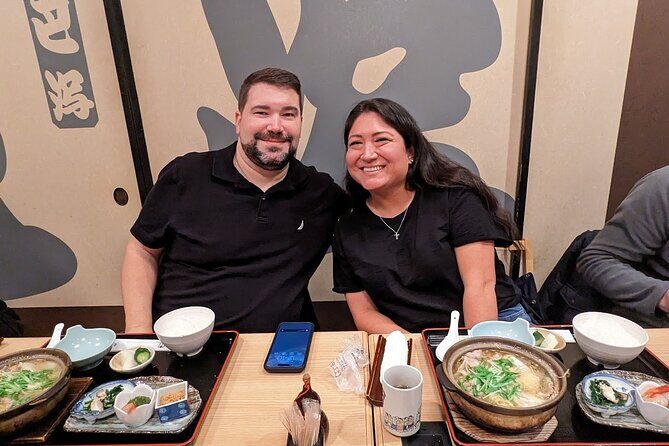
- Includes a traditional chanko-nabe lunch, a vital part of sumo culture
- Visits to multiple iconic sites like stables, shrines, and sumo arenas
- No need to worry about getting lost—a guide navigates the route
- Perfect for those interested in cultural history and local customs
A Walk Through Ryogoku’s Sumo Heritage
This tour is a prime way to learn about sumo wrestling beyond just watching matches. It begins at the Hakkaku-beya Sumo Stable, where you’ll peer at the training ground from outside. While you won’t step inside (admission is free but limited to external views), it’s a rare chance to see where wrestlers live and train daily. The guide will share anecdotes about their routines, discipline, and the significance of stables in sumo life.
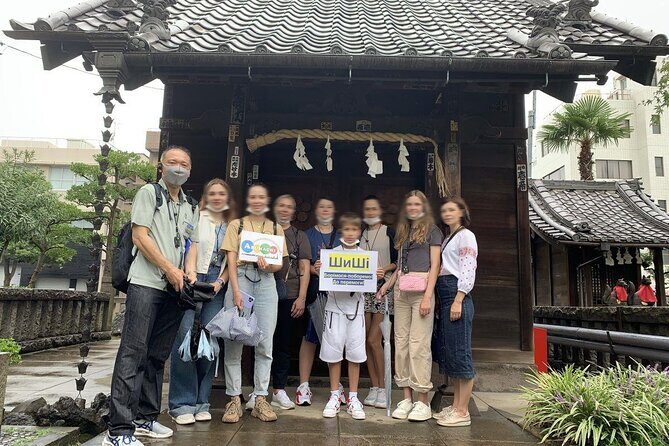
Next is the Nominosukune Shrine, a site that might seem modest but packs historical weight. It’s dedicated to the founder of sumo, enshrined here for good reason. You’ll learn that sumo’s origins date back over 1500 years, and the rituals performed here—like the ring-entering ceremonies—are still relevant today. The shrine is also a place where the Japan Sumo Association visits three times annually to pray for successful tournaments. Travelers often comment on the depth of stories shared here, with one reviewer noting, “We loved the way the guide explained the refined rules and ceremonies that have evolved over centuries.”
A visit to Ryogoku Kokugikan offers a peek at the iconic sumo arena from the outside. While you won’t witness a live match, the guide’s stories about the structure, including the drum tower and banners, make it feel alive. This arena is where Japan’s top sumo tournaments happen three times a year, and knowing its history adds a new layer of appreciation.
The Ryogoku Edo Noren transports you back to old Edo (Tokyo’s former name). Here, you’ll see a full-scale sumo ring and learn how the sport was embedded in the social fabric of samurai-era Japan. The atmosphere lets you imagine what it must have felt like during those times, when sumo was more than just a sport but a social ritual.
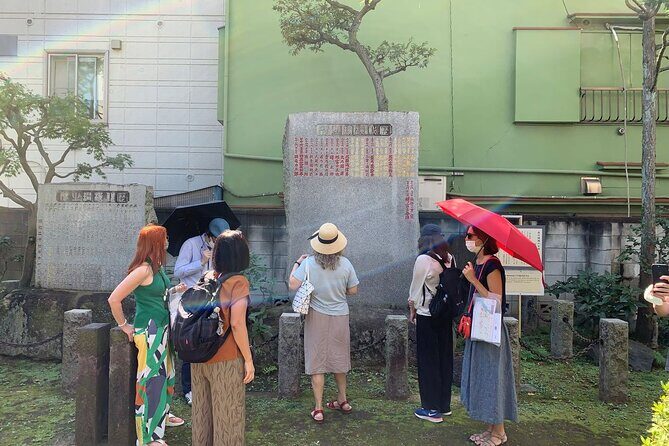
The Ekoin Temple continues this historical journey, showcasing the traditional venues where tournaments were held during the Edo period. The guide will explain how wrestlers’ social status was intertwined with the tournaments and how the rituals have persisted or changed over the centuries.
Next up is the Kasugano Stable, home to a Bulgarian-born wrestler, which highlights the international aspect of sumo today. Visitors find it amusing that wrestlers use “wrestler-size” bicycles—a quirky detail that shows how the sport blends tradition with modern life.
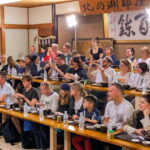
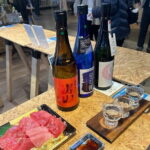
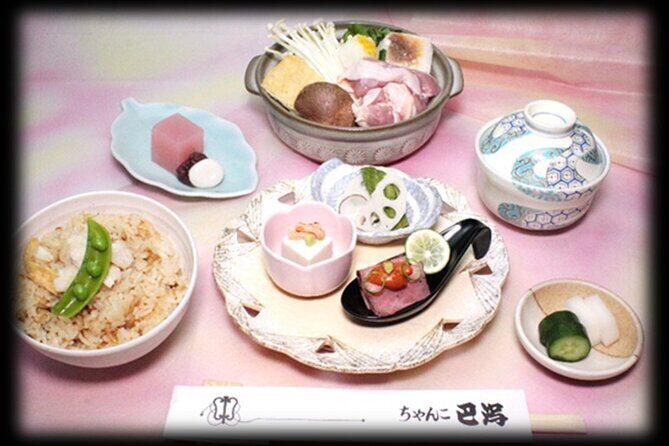
Finally, the tour concludes with a visit to Tomoegata Chanko, one of Tokyo’s top chanko-nabe restaurants. This hearty hot-pot dish is the cornerstone of sumo wrestlers’ diets, designed to help them gain weight and build muscle. As you enjoy your meal, your guide will share insights into how sumo athletes maintain their strength and physique. Reviews mention that this lunch is “delicious and gives you a real taste of sumo culture.”
You can also read our reviews of more historical tours in Tokyo
What the Tour Offers in Value
Priced at approximately $142.56 per person, this tour offers a comprehensive look at sumo that many travelers find worth every yen. It might seem like a modest cost for such an immersive experience when you consider the inclusion of a traditional lunch, expert-guided visits, and the chance to step beyond typical tourist sights.
Because the tour is limited to eight travelers, it ensures a more intimate environment where questions are welcome, and stories flow freely. Plus, the group discounts can make this a more economical choice for families or small groups.
The three-and-a-half-hour duration strikes a good balance: enough time to explore multiple sites without fatigue. Starting at 9:30 am, it fits well into a full day and leaves you room afterward for additional sightseeing or leisure.
How This Tour Sells Itself
Travelers rave about their guides—knowledgeable, personable, and passionate about sumo and Tokyo’s history. One reviewer remarked, “Aki-san was very knowledgeable about the culture and ways of sumo wrestling,” emphasizing the quality of local guides. Others appreciated the stunning views and the stories that brought each site alive, making history tangible.
While the tour doesn’t include active sumo viewing or matches, it offers deep context that enhances understanding of the sport’s significance in Japan. If you’re seeking a behind-the-scenes cultural experience, this tour provides a uniquely detailed perspective.
Practical Tips for Travelers
- Book in advance: The tour is popular, often booked around 46 days ahead.
- Arrive on time at Ryogoku Station, the starting point.
- Come prepared for some walking and outdoor site visits—wear comfortable shoes.
- Bring questions: The small group format encourages conversation.
- Enjoy the lunch: It’s part of the authentic experience—don’t miss the chanko-nabe.
The Sum Up
This guided tour offers a well-rounded, authentic look into Japan’s sumo tradition, perfect for those who want more than just watching matches. The combination of historical sites, cultural insights, expert guides, and a hearty sumo-style meal makes it a valuable experience for curious travelers eager to understand the sport’s place in Japanese society.
Ideal for history buffs, culture seekers, or anyone interested in delving into a unique aspect of Japan’s heritage, this tour balances education with enjoyment. The small group size ensures an immersive, personalized experience, making every story and sight more meaningful.
While it lacks live sumo bouts, what you gain is a deep appreciation of the sport’s rituals, history, and modern-day relevance—an enriching addition to any Tokyo itinerary that’s worth the price.
You can also read our reviews of more tours and experiences in Tokyo



Ryogoku sumo town history / culture and chanko-nabe lunch
FAQ
Does the tour include actual sumo matches or practice sessions?
No, this tour does not include watching live matches or practice sessions. It focuses on historic sites and cultural insights related to sumo.
What is included in the price?
The tour includes guided visits to various sumo-related sites and a traditional chanko-nabe lunch.
How many people are in each tour group?
The tour is limited to a maximum of 8 travelers, ensuring a more personal experience.
Where does the tour start and end?
It begins at Ryogoku Station and concludes at the Tomoegata Chanko restaurant.
Is the tour suitable for children or non-Japanese speakers?
Most travelers can participate, and guides are typically knowledgeable. The intimate setting and storytelling make it accessible for a wide range of ages and backgrounds.
What should I wear?
Comfortable shoes are recommended for walking around the various sites and stable visits.
Is transportation between sites included?
The guide navigates the route, so no separate transportation is needed during the tour.
Can I cancel if my plans change?
Yes, the tour offers free cancellation if canceled at least 24 hours in advance, allowing flexibility for your travel plans.
Exploring Ryogoku through this thoughtfully curated tour offers more than just sightseeing—it’s a genuine opportunity to connect with one of Japan’s most iconic sports and its cultural heart. Whether you’re a sumo novice or a seasoned fan, the mix of history, tradition, and delicious food makes this a memorable addition to your Tokyo visit.