Exploring Tokyo’s Shinto Shrines: A Guided Journey into Japanese Culture
If you’re curious about Japan’s ancient spiritual traditions, a guided visit to Tokyo’s Shinto shrines offers an engaging, respectful, and insightful way to do so.
This three-hour tour—offered by Japan Awaits—takes you through three of Tokyo’s most significant Shinto sites, accompanied by a knowledgeable guide who makes the experience both accessible and memorable. It’s especially perfect if you’re pressed for time but don’t want to miss out on an authentic cultural encounter.
What we love about this tour is how it balances education with a relaxed pace. The guides are praised for their friendliness and depth of knowledge, making complex customs like purifying oneself or offering prayers feel approachable. Plus, the included entrance fees and transportation mean there are no unexpected costs, which is always a relief.
The only potential hitch? Since it’s a group tour with a fixed schedule, it might not suit those seeking complete flexibility or a more independent exploration.
This tour is ideal for travelers who want to avoid the hassle of navigating Tokyo’s busy streets alone while gaining a meaningful understanding of Shintoism—a cornerstone of Japanese life. It’s especially valuable for those interested in Japanese mythology, cultural practices, or simply looking for a peaceful, culturally enriching experience amid Tokyo’s urban buzz.
- Key Points
- A Close Look at the Itinerary
- Meiji Jingu Shrine
- Kanda Shrine
- Tokyo Daijingu Shrine
- What’s Included and What to Expect
- What’s Not Included
- Why This Tour Offers Value
- Practical Tips for Participants
- The Authenticity and Atmosphere
- Who Should Consider This Tour?
- Final Thoughts
- FAQ
- More Tours in Tokyo
- More Tour Reviews in Tokyo
Key Points
 1 / 8
1 / 8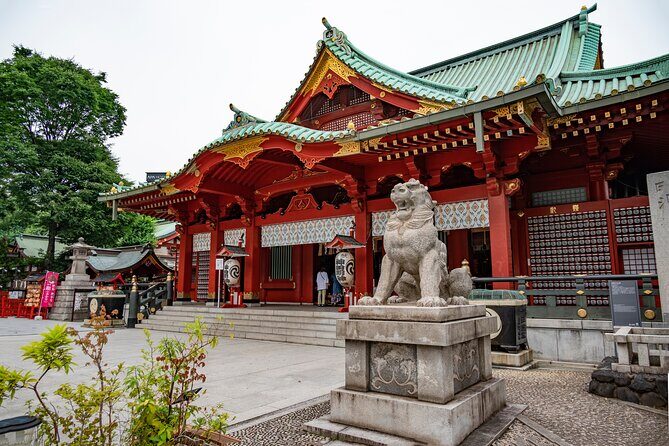 2 / 8
2 / 8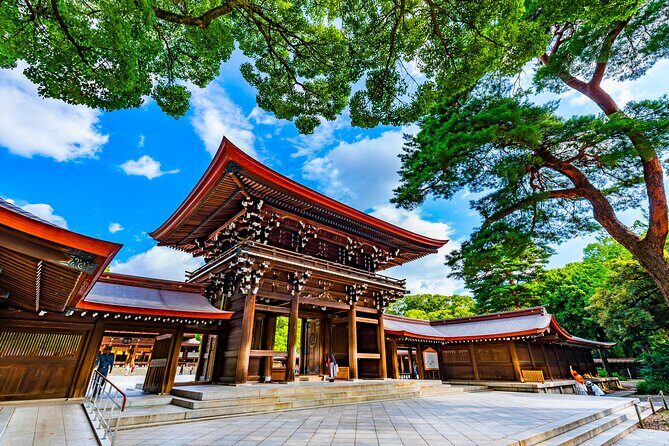 3 / 8
3 / 8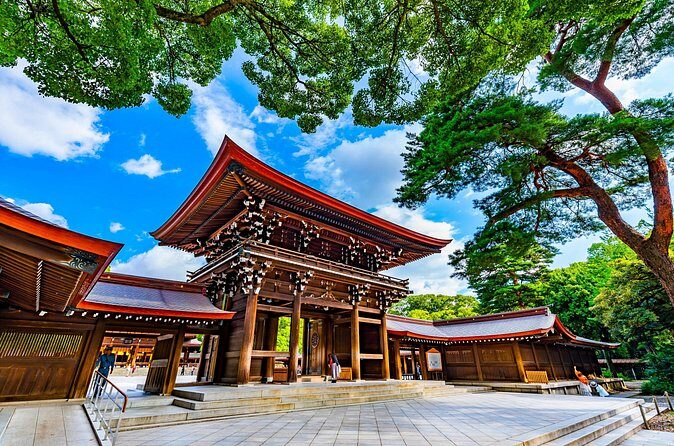 4 / 8
4 / 8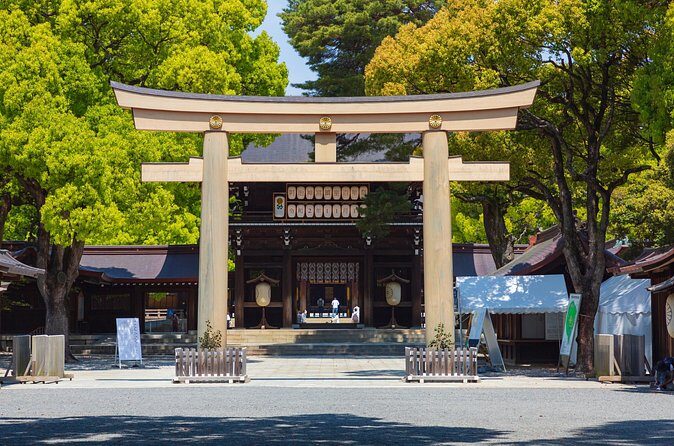 5 / 8
5 / 8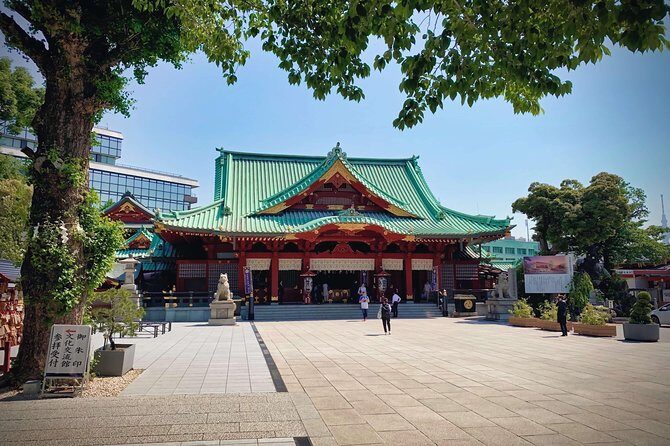 6 / 8
6 / 8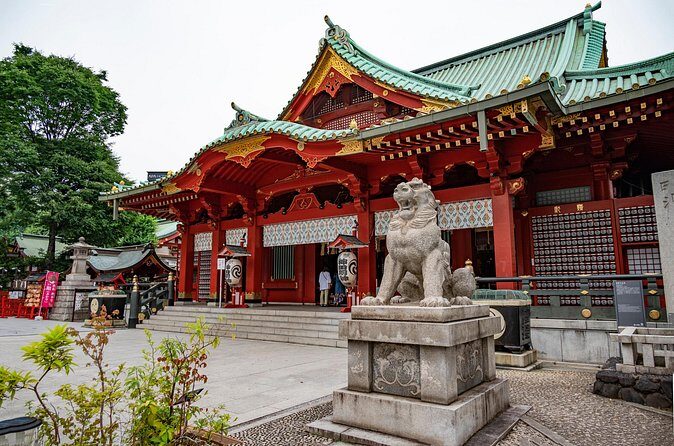 7 / 8
7 / 8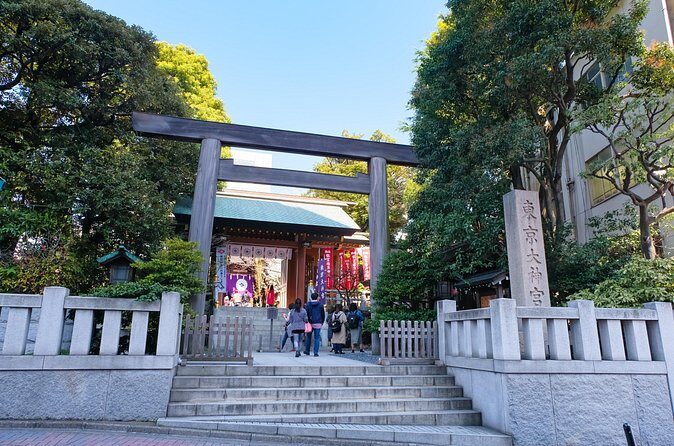 8 / 8
8 / 8- Private, personalized experience ensures your group’s questions and interests come first.
- Visit three top shrines in one tour, saving time and avoiding long lines.
- Learn about customs like purification, prayer, and attracting success from a knowledgeable guide.
- All entrance fees are included, so no surprise costs.
- Transportation between shrines is covered, making the experience smooth.
- Ideal for short visits aiming to understand Japanese spiritual traditions without the hassle of self-guided navigation.
A Close Look at the Itinerary
Start at Harajuku Station—a lively hub in Shibuya—serving as your gateway to an authentic Tokyo experience. While the station itself is famous for youth fashion and pop culture, it’s also the launch point for your spiritual journey. From here, your guide will lead you through an efficient route that makes the most of your limited time.
You can also read our reviews of more tours and experiences in Tokyo.



Meiji Jingu Shrine
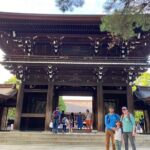
The first stop is Meiji Jingu, one of Tokyo’s most famous Shinto shrines, dedicated to Emperor Meiji and his Empress Shken. You’ll love the way this shrine is surrounded by a thick forest that seems to transport you away from Tokyo’s cityscape. The approach through the trees adds a sense of tranquility, setting the tone for your visit.
We found the explanations here especially valuable; the guide will help you understand the significance of purification rituals like washing your hands at the temizuya (water basin) and how visitors pray for health, happiness, or success. Many reviews praise the guide’s storytelling—one mentioned that “the explanations we had to appreciate what we were looking at” made the experience much richer.
Kanda Shrine
Next, you’ll explore Kanda Shrine in Chiyoda, which has been standing for over 1,270 years. Despite being rebuilt multiple times due to fires and earthquakes, it remains a lively, well-maintained site. Located in the heart of Tokyo, Kanda Shrine offers a glimpse into a more urban, yet deeply spiritual, space.
Our guide’s knowledge really shines here, sharing stories about the shrine’s history and its role in Tokyo’s development. One reviewer noted that their guide was “very knowledgeable on the history of all the shrines,” which added layers of context to their visit. Visiting this shrine provides insight into how Shinto tradition adapts within a bustling modern city.
Tokyo Daijingu Shrine
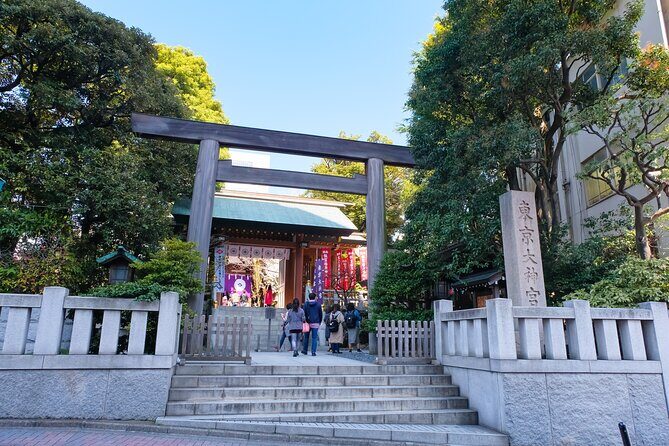
The final stop is Tokyo Daijingu, a shrine affectionately called “O-Ise-sama in Tokyo” because it enshrines deities associated with marriage. If you’re interested in love, relationships, or just want to see a lively, authentic shrine, this is the perfect ending point. Many visitors find this shrine particularly charming because of its reputation among women seeking blessings for romantic success.
One review highlights how the guide explained the significance of the shrine’s rituals, making the experience more meaningful. It’s a place where you can observe locals praying for happiness in their personal lives, adding a human touch to your cultural exploration.
What’s Included and What to Expect
The tour covers all the essentials—professional English-speaking guides, entrance fees, and public transportation between the shrines. The guides are often praised for their friendliness, patience, and ability to convey complex customs clearly. One reviewer particularly appreciated a guide named Ami, who “made the tour genuine and friendly.”
Since transportation is included, you don’t need to worry about navigating Tokyo’s subway system, which can be confusing for newcomers. Just be prepared for some walking—reviews mention it’s a “long walk,” so comfortable shoes are recommended.
The tour starts at 9:00 am and lasts approximately three hours, making it a manageable addition to a busy Tokyo itinerary. It’s private to your group, so you can ask questions freely and enjoy a personalized experience.


What’s Not Included
You’ll need to arrange your own food and drinks, and gratuities are optional. The tour doesn’t include hotel pickups or drop-offs, so plan to meet at Harajuku Station. The focus is on the shrines and educational experience; it’s not a food tour or shopping trip.
Why This Tour Offers Value
At $204.78 per person, the price might seem steep for a short tour, but the value is clear when you consider all that’s included—entrance fees, transportation, and a knowledgeable guide who enhances your understanding of Japanese culture. Visitors consistently praise the experience for its depth of information and the chance to see three iconic shrines efficiently, which can be hard to do on your own.
The reviews mention how the guides’ explanations made the visit special. For instance, one traveler says, “Our guide was very knowledgeable and took us to various shrines, explaining what the statues represented.” That kind of insight helps transform a touristy visit into a meaningful cultural lesson.
Practical Tips for Participants
Dress smart casual, as respectful attire is appreciated at shrines. Since the experience is subject to weather, check forecasts and be prepared for rain or shine. If the weather turns extreme, the tour can be canceled or rescheduled, with a full refund offered if necessary.
Late arrivals are discouraged; although your guide will wait 30 minutes, missing the start means you’ll miss out. The tour is designed for most travelers, but those with mobility issues should note the walking involved.
The Authenticity and Atmosphere
What sets this tour apart is the genuine interaction with Tokyo’s spiritual sites. You’ll see locals performing rituals, offering prayers, and engaging in traditional practices, which provides a window into everyday life for many Japanese people. The shrines are peaceful oases amid the city’s hustle, and the guide’s explanations help you appreciate the layers of history, mythology, and customs embedded in each site.
While you won’t get the full, day-long experience of a pilgrimage, this tour hits the highlights and offers a solid foundation for understanding Shinto beliefs. Many reviewers say it’s a “must-do” to gain insight into Japanese lifestyle beyond the urban surface.
Who Should Consider This Tour?
This experience is perfect for travelers with limited time who still want a meaningful cultural encounter. It’s especially suitable if you’re curious about Japanese spirituality, mythology, or rituals. It’s also great for those who prefer a guided experience that takes the guesswork out of visiting cultural sites.
If you’re traveling with children, note that kids must be accompanied by an adult, but many reviews mention how engaging and educational the explanations can be for visitors of all ages. And if you’re interested in understanding the role of religion in daily Japanese life, this tour provides valuable context.
Final Thoughts
This Shinto Shrine tour offers a well-rounded, authentic glimpse into one of Japan’s most enduring spiritual traditions. The combination of beautifully maintained shrines, expert guides, and practical logistics creates an experience that’s both educational and enjoyable. It’s especially suited for curious travelers who want to understand Japan beyond its famous pop culture and bustling streets, delving into the customs and beliefs that shape everyday life.
If you want a manageable, insightful introduction to Shintoism that respects both tradition and modernity, this tour delivers on all counts. It’s a chance to step away from Tokyo’s busy streets and into a peaceful world where rituals and history combine. For a modest investment, you’ll come away with a richer appreciation of Japan’s spiritual landscape—and some memorable photos along the way.
Shinto Shrine Tour: Explore Japanese Culture in Tokyo
FAQ
Is this a private tour?
Yes, the tour is exclusive to your group, ensuring a personalized experience with your own guide.
How long does the tour last?
It runs for approximately three hours, starting at 9:00 am, covering three shrines and transportation between them.
Are entrance fees included?
Yes, all shrine entrance fees are included in the price, so there are no hidden costs.
What should I wear?
Smart casual attire is recommended; respectful dress is appreciated at religious sites.
Can I join if I have mobility issues?
The tour involves walking between sites, so consider your comfort level. It’s best to check with the provider if you have specific concerns.
What happens if the weather is bad?
The tour is subject to weather conditions. If canceled due to extreme weather, you’ll have the option to reschedule or receive a full refund.
To sum it up, this guided Shinto shrine tour strikes an excellent balance between education, convenience, and cultural authenticity. It’s a great way to deepen your understanding of Japanese traditions without getting lost in the city. Whether you’re a history buff, spirituality seeker, or just curious about local customs, this experience offers a respectful, insightful, and memorable glimpse into Tokyo’s spiritual heart.