- Introduction
- Key Points
- An In-Depth Look at the Experience
- The Setting: Inside a Real Sushi Bar with a Fishy Heritage
- The Sushi-Making Process
- The Optional Sake Tasting: Elevate Your Meal
- Practical Details and Value
- Authenticity and Experience
- Who Is This Tour Best For?
- Final Thoughts
- FAQ
- More Workshops & Classes in Tokyo
- More Tour Reviews in Tokyo
Introduction
If you’re craving an authentic taste of Japan’s sushi culture, this Sushi Making Class at a real Tuna Broker’s shop in Ebisu offers a rare peek behind the scenes. Unlike standard classes that may be held in generic kitchens or touristy spots, this experience takes place inside a functioning sushi bar operated by a licensed tuna broker—an insider’s insight into Japan’s seafood trade and culinary artistry.
We love how this tour combines hands-on sushi crafting with a deeper understanding of the role of Tuna brokers at Toyosu Market, giving you context and flavor that extends beyond just making sushi. Plus, the opportunity to work with fresh, premium-grade Toyosu tuna sourced that very morning ensures a level of quality that elevates your creations.
One consideration? The class is small and expertly guided, which means it’s wonderfully intimate but also requires timely arrival. It’s best suited for food lovers, first-time visitors eager to learn sushi techniques, or those genuinely curious about Japan’s fish trade and culinary craftsmanship.
You can check availability for your dates here:Key Points
- Authentic Setting: Held inside a working Ebisu sushi bar operated by a licensed tuna broker, offering genuine insight into Japan’s seafood industry.
- Hands-On Experience: Craft seven different types of sushi, including nigiri and maki, guided by a professional instructor.
- Premium Ingredients: Work with fresh Toyosu tuna and seasoned sushi rice prepared exactly as it’s served in local Tokyo restaurants.
- Cultural Insight: Learn about the role of tuna brokers at Toyosu Market and Japan’s seafood trade, adding depth to your culinary skills.
- Sake Tasting (Optional): Enhance your experience with four regional Japanese sakes, including the famous Dassai, paired to bring out the flavors of your sushi.
- Convenient Location: In Ebisu, close to Shibuya, making it accessible for travelers exploring central Tokyo.
You can also read our reviews of more tours and experiences in Tokyo
An In-Depth Look at the Experience
The Setting: Inside a Real Sushi Bar with a Fishy Heritage
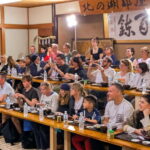
This experience is unique because it takes place inside a real Ebisu sushi bar rather than a commercial teaching kitchen or tour bus. The space is lively but intimate, with the aroma of fresh seafood filling the air. Since it’s a working sushi shop, you’ll see the hustle and bustle of sushi chefs at work, which adds an authentic flavor to your lesson.
The venue is operated by a licensed tuna broker, which is a big deal in Japan. This connection means the tuna you work with is sourced directly from the Toyosu Market, Japan’s premier seafood auction site. Starting with a brief introduction to Toyosu Market, you’ll quickly realize the importance of tuna trading in Japan’s culinary culture. The guide will explain how tuna brokers select, bid for, and handle the fish, giving you a slice of Japan’s seafood economy.
The Sushi-Making Process
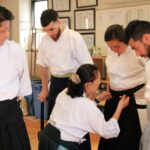
Once inside, you’re greeted by a knowledgeable, friendly instructor who guides you through each step—perfect for beginners and those with some experience alike. The process begins with a lesson on seasoned sushi rice (shari), which is crucial in achieving the authentic texture and flavor. The rice is seasoned exactly as it would be in a local restaurant, giving you a true taste of Japanese sushi.
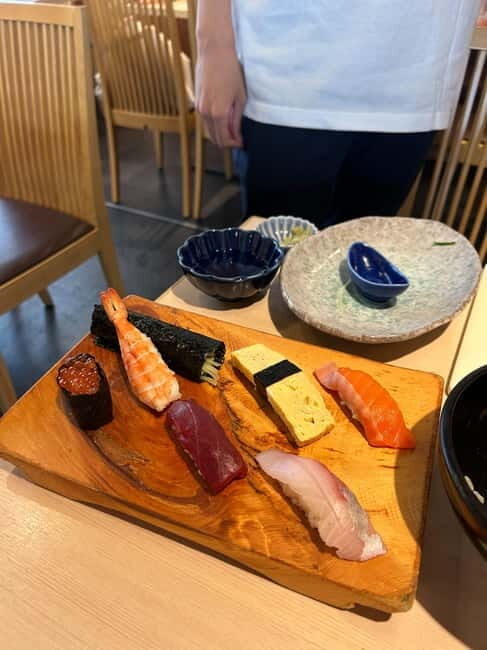
You’ll craft seven types of sushi—each representing a different style or ingredient. These include:
- Ikura (Salmon Roe): Gunkan-style, briny and flavorful, served in a seaweed cup.
- Ebi (Shrimp): Lightly boiled, naturally sweet, and a classic favorite.
- Tamago (Sweet Egg Omelet): Dashi-infused, rolled into a soft, sweet block.
- Kanpyo Maki (Dried Gourd Roll): Vegetarian, with a sweet-savory flavor profile.
- Maguro (Lean Tuna): Deep red, clean in flavor, a sushi staple.
- Hamachi (Yellowtail): Firm yet buttery, prized for its balanced richness.
- Salmon: Smooth, fatty, and widely loved around the world.
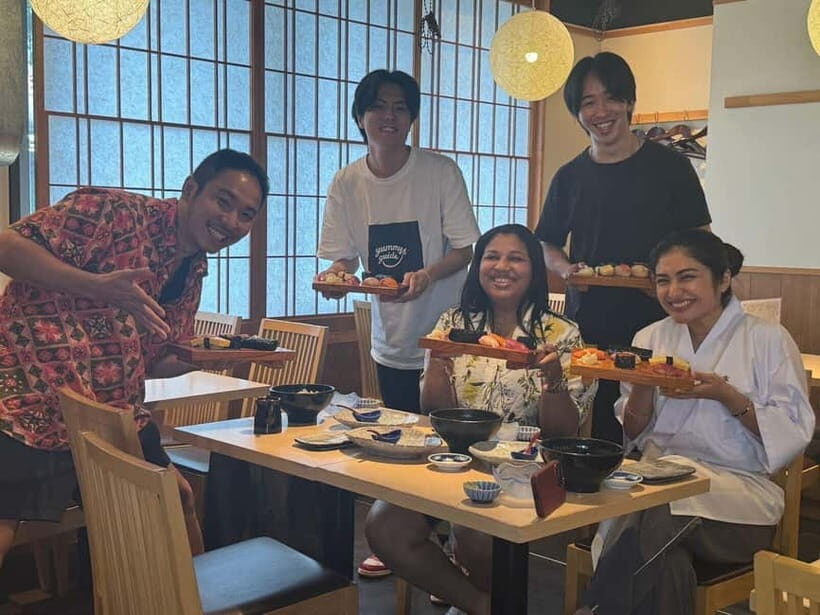
Throughout the session, expect clear, step-by-step guidance designed to equip you with techniques for shaping and slicing each piece—whether you’re making nigiri or rolls. The small group size ensures personalized attention and a relaxed atmosphere, perfect for first-timers or those eager to refine their skills.
More Great Tours NearbyThe Optional Sake Tasting: Elevate Your Meal
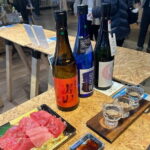
For an extra layer of enjoyment, many opt for the Sushi & Sake Experience upgrade. Here, you’ll sample four premium Japanese sakes, each carefully selected to complement the seafood. Sake options include:
- Hidakami (Miyagi): A crisp, ultra-dry junmai sake with a clean finish.
- Konkon (Miyagi): Smooth, with balanced umami and gentle acidity.
- Yukinobosha (Akita): Floral aromas and silky texture.
- Dassai (Yamaguchi): Famous for its elegance and modern profile.
This tasting not only introduces you to regional sake diversity but also offers tips on how to enjoy sake like a local. It turns the class into a full Japanese culinary experience, rewarding you with a nuanced appreciation of sake’s role in Japanese dining.


Practical Details and Value
The class typically lasts around two hours and costs $54, which is a fair price considering the quality of ingredients, expert guidance, and the authentic setting. The inclusion of seven types of sushi makes it a generous offering—more than enough for a satisfying lunch or a light dinner.
Since the ingredients are sourced fresh each morning, you’re guaranteed quality and freshness that you’d rarely get in a touristy sushi-making class. Plus, the fact that it’s a small group means you’ll get plenty of individual support—ideal for those who want to learn proper technique or just enjoy a fun, hands-on activity.
Transportation isn’t included, but the location in Ebisu, near Shibuya, makes it quite accessible for most visitors. Arrive about 10 minutes early, as the start time is firm, and you’ll want to settle in comfortably.
Authenticity and Experience
One of the major strengths of this tour is its authenticity. Unlike classes run by large tour companies in generic settings, this experience offers genuine insight into Japan’s seafood trade through the lens of a licensed tuna broker. Visitors often comment on the knowledgeable guides who explain the significance of each step with clarity and enthusiasm.
A reviewer noted, “The guides are very knowledgeable, making the experience both educational and fun.” This authenticity helps you appreciate sushi not just as a delicious meal but as a part of Japan’s cultural and economic fabric.
Who Is This Tour Best For?
This experience is perfect for travelers who want more than just a sushi meal—those interested in learning the craft and the story behind Japan’s sushi scene. It’s especially suited for food lovers, curious travelers, and anyone wanting to understand the importance of freshness and technique in sushi preparation.
It’s also a good choice for those who prefer small, intimate tours with personalized attention, rather than large group classes. If you’re a first-time visitor or a seasoned foodie eager to refine your sushi skills, this class offers a blend of education, hands-on fun, and cultural insight—without the fluff.
Final Thoughts
This sushi-making class stands out because it combines authenticity, quality ingredients, and expert guidance within a real sushi bar operated by a licensed tuna broker. It’s an experience that delivers not only delicious sushi but also a deeper understanding of Japan’s seafood industry and sake culture.
The small group setting, coupled with freshly sourced ingredients and a professional instructor, ensures you leave with confidence and new skills—plus a full stomach. The optional sake tasting adds a delightful dimension that can transform an ordinary sushi class into a memorable culinary adventure.
For travelers eager to connect with Japan’s culinary roots and learn skills they can recreate at home, this class offers an excellent value. It’s especially suited for those who want an interactive, authentic, and culturally rich experience in Tokyo’s lively Ebisu district.
Sushi Making Class at a Real Tuna Dealers Shop in Shibuya
FAQ
Is any prior experience needed?
No, the class is designed to be beginner-friendly, with no prior sushi-making experience required.
Where is the class located?
It takes place inside a working sushi shop in Ebisu, near Shibuya, making it easy to access for most visitors to Tokyo.
How many sushi pieces will I make?
You will craft and enjoy seven different types of sushi, ranging from nigiri to maki rolls.
What ingredients are used?
The ingredients include fresh Toyosu market tuna, seasoned sushi rice, and various traditional toppings like salmon roe, shrimp, tamago, and more.
Can I upgrade my experience?
Yes, there’s an optional upgrade for a guided sake tasting of four premium Japanese sakes, including Dassai.
How long does the class last?
Typically around two hours, providing enough time to learn, make, and enjoy your sushi.
What’s included in the price?
The fee covers the sushi-making class, ingredients, seven pieces of sushi, a drink (tea or water), and optionally, the sake tasting.
Are transportation arrangements provided?
No, transportation is not included; you should plan to arrive on your own.
How can I book and pay?
Reservations can be made with the flexibility to reserve now and pay later, with cancellation available up to 24 hours in advance for a full refund.
Is the class conducted in English?
Yes, the class is conducted in both English and Japanese, making it accessible for international visitors.
In the end, this sushi class offers a hands-on, authentic taste of Japan that’s hard to find elsewhere. Whether you’re a food novice or a sushi enthusiast, it’s a chance to learn, taste, and enjoy in a setting that respects the craft and culture behind each bite.
You can check availability for your dates here: