If you’re looking for a hands-on way to connect with Japanese culture, this food sample making and shopping tour in Tokyo’s Asakusa district could be just the experience you need. Designed to give visitors an authentic peek into a quirky and important part of Japanese culinary tradition, this activity combines creativity, education, and a bit of leisure.
Whether you’re a foodie, a curious traveler, or just love unique souvenirs, this tour packs a lot of value into roughly two hours.
What we find particularly appealing is the opportunity to make your own food samples — a craft that’s both surprisingly fun and educational — and the chance to explore Kappabashi, a street famed for professional kitchenware. Our favorite parts? The knowledgeable guide who explains the tools and techniques clearly, and the chance to purchase beautiful Japanese tableware and food samples as souvenirs.
One possible drawback? The tour is fairly short, so if you’re craving more time to browse or make more samples, you’ll need to plan accordingly.
This experience suits travelers interested in culture, cuisine, and craftsmanship, especially those who want a practical, interactive activity that’s suitable for most ages. It’s perfect for families, couples, or solo explorers eager to learn about an iconic part of Japan’s culinary scene in a relaxed setting.
- Key Points
- Experience Breakdown: What to Expect
- Starting Point: Ganso Food Sample Shop Kappabashi Showroom
- Food Sample Making: 40 Minutes of Creativity
- Shopping at 1 Chome: 20 Minutes of Browsing
- Strolling on Kappabashi Street: 1 Hour of Cultural Exploration
- Is It Worth the Price?
- Practical Tips for Participants
- Who Should Consider This Tour?
- The Sum Up
- FAQ
- More Food Experiences in Tokyo
- More Food & Drink Experiences in Tokyo
- More Tour Reviews in Tokyo
Key Points
- Authentic Cultural Insight: Food sample making is a unique window into Japanese food presentation practices.
- Expert Guidance: Knowledgeable guides help you understand the tools and techniques, making the experience accessible.
- Quality and Value: The tour includes the food sample making fee, and optional shopping allows for memorable souvenirs.
- Efficient and Engaging: At just about two hours, it’s a compact experience that packs in a lot.
- Flexible Shopping: Free time at Kappabashi’s shops lets you buy your favorite samples and kitchenware.
- Family-Friendly: Suitable for most travelers, with a focus on hands-on fun and cultural learning.
Experience Breakdown: What to Expect
You can also read our reviews of more food & drink experiences in Tokyo

Starting Point: Ganso Food Sample Shop Kappabashi Showroom
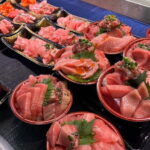
The tour begins in the heart of Kappabashi, arguably Tokyo’s most famous street for professional kitchenware. As you arrive at the Ganso Food Sample Shop’s showroom, you’re greeted by a vibrant array of realistic-looking food samples—plastic and wax dishes that mimic everything from sushi to tempura. This shop is a treasure trove for anyone interested in Japanese culinary aesthetics.
Here, you’re introduced to the art of crafting food samples, which Japan has refined into a true craft. The guide explains how these replicas are used in restaurant displays, advertising, and even as tasting aids. The highlight? You’ll get to make your own tempura food sample with wax, guided step-by-step by your expert.
Food Sample Making: 40 Minutes of Creativity
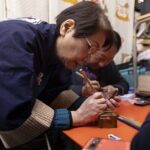
The workshop lasts around 40 minutes, during which you’ll be provided with an apron and all necessary materials. The instructions are clear, and the guide’s knowledge helps demystify the process — for instance, explaining why certain tools are used or how the wax is shaped to resemble crispy tempura batter.
Many reviews mention how surprisingly realistic and detailed these samples turn out. One traveler noted, “The guide was very patient and explained everything so well — I loved the entire process.” If you have nail art or long nails, be aware that the process might require some gentle adjustments, as the wax work demands some finesse.
You don’t need to bring anything besides your curiosity—everything from the wax to the tools is provided. The process is quite tactile and fun, making it a perfect activity for those who appreciate craftsmanship and cultural oddities.
Shopping at 1 Chome: 20 Minutes of Browsing
After making your own sample, you’ll have about 20 minutes to explore a shop packed with more food samples. It’s the ideal spot to pick up a ready-made souvenir, whether it’s a tiny sushi plate or a bowl of ramen. The shop’s free admission makes browsing light on your wallet, but be prepared for the temptation to spend once you see the variety and quality.
Strolling on Kappabashi Street: 1 Hour of Cultural Exploration
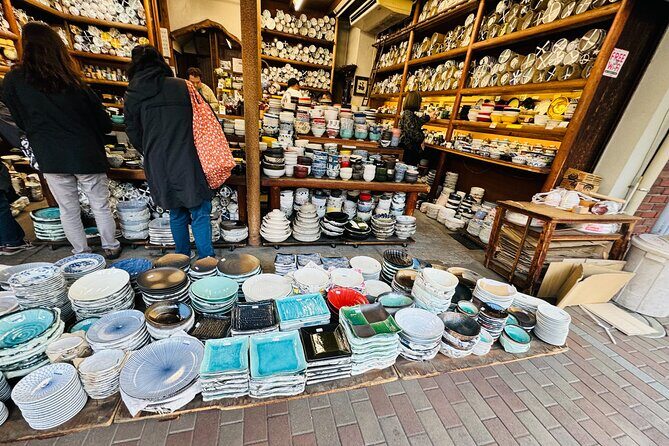
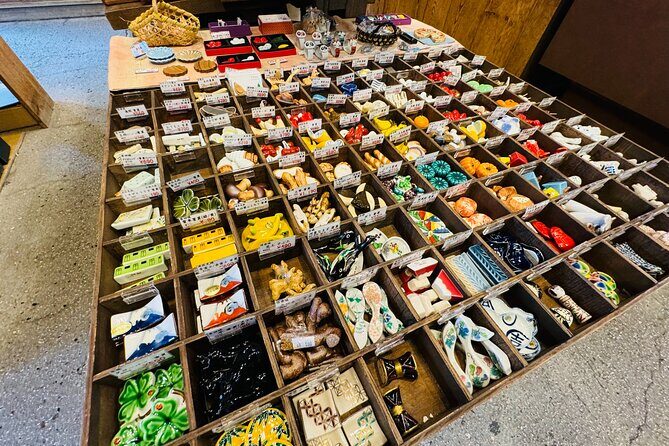
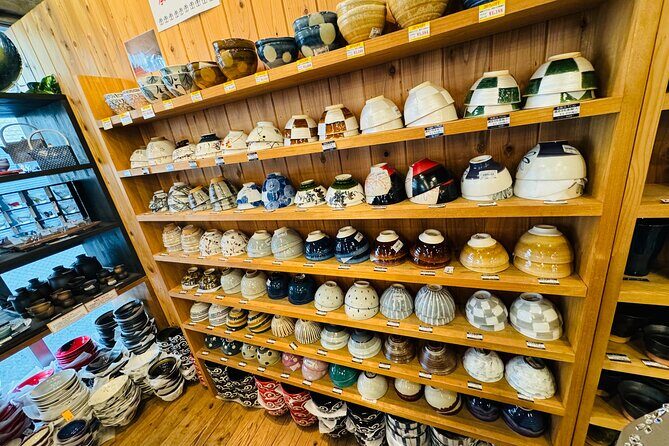
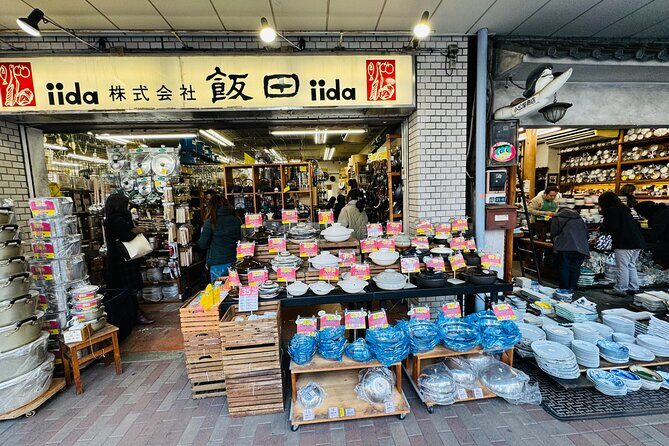
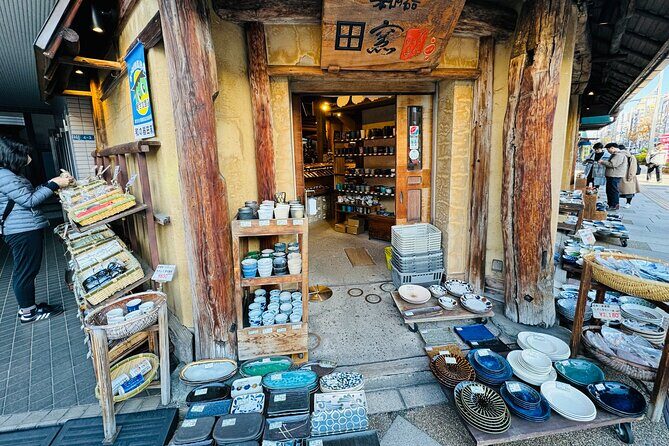
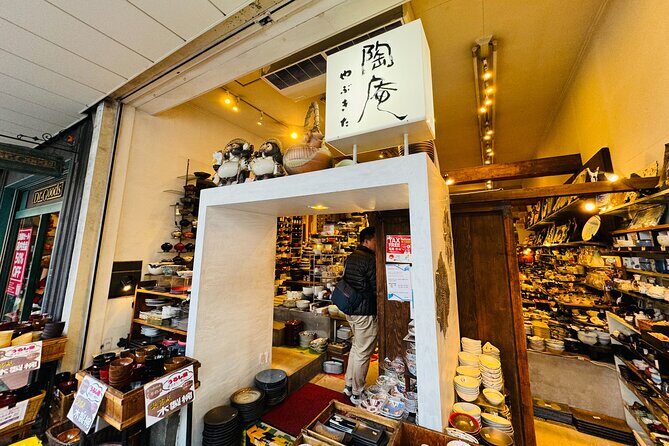
The final segment takes you on a leisurely walk along Kappabashi Dori, famous for its kitchen tools and tableware used by professional chefs. This street is a feast for the eyes—rows of knives, spatulas, ceramic dishes, and chopsticks that showcase Japanese design at its best.
Your guide will point out some of the most interesting finds and explain the significance of different utensils and tableware styles. Expect to see some beautifully crafted Japanese ceramics and possibly pick out a unique souvenir. As one reviewer said, “The guides made the shopping feel more personal; I learned a lot about Japanese kitchen culture.”
This part of the tour is optional but highly recommended if you appreciate culinary craftsmanship and functional art. It also provides a relaxed environment to browse at your own pace.
You can also read our reviews of more tours and experiences in Tokyo


Is It Worth the Price?
At $116.89 per person, the tour offers a well-rounded experience packed with cultural insight and hands-on activity. The fee covers your food sample making class, a knowledgeable guide, and the use of all materials. Considering the uniqueness of making your own tempura wax sample and the exposure to professional-grade kitchen tools, many will find the cost justified. Plus, the optional shopping lets you extend the experience if desired.
While not a bargain bin activity, it’s a fair value considering the quality of instruction and the memorable souvenirs you can bring home. It’s especially appealing for those who enjoy interactive, cultural activities rather than passive sightseeing.
Practical Tips for Participants
- The tour starts at 2:30 pm from Niimi Jumbo Cook, which is near public transportation. Plan to arrive a little early to settle in.
- The activity is suitable for most travelers; just wear clothes with sleeves that can be rolled up. Those with nail art may want to consider how the process might affect their nails.
- The tour is limited to a maximum of 4 travelers, making it intimate and personalized.
- Remember that shopping costs at stores depend on individual choices, so budget accordingly.
- The tour is confirmed upon booking, with free cancellation available up to 24 hours before the start.
Who Should Consider This Tour?
This experience is ideal for foodies, craft lovers, and culturally curious travelers. If you enjoy hands-on activities, you’ll appreciate the chance to make something tangible and delicious-looking. It’s also great for families or couples looking for a fun, sharing experience that’s both educational and entertaining.
If you’re interested in Japanese culinary presentation techniques or want a memorable souvenir, this tour offers an approachable introduction. It’s designed for those who value authenticity and quality over speed, making the 2-hour duration a perfect window without feeling rushed.
The Sum Up
For travelers who want a distinctive taste of Japanese culture that’s both fun and informative, this food sample making and shopping experience in Asakusa offers a genuine glimpse into how food presentation and kitchenware are celebrated in Japan. The knowledgeable guides, along with the chance to create your own tempura wax sample, make this a memorable activity that goes beyond typical sightseeing.
The combination of interactive craftwork, cultural insights, and shopping makes it a well-rounded choice for curious explorers. It’s especially suited for those who appreciate authentic, hands-on experiences that leave you with souvenirs and stories to tell.
If you’re visiting Tokyo and looking for something different—something you can genuinely participate in and remember—this tour is worth considering. It’s a perfect way to add a splash of craftsmanship and culinary fun to your trip, with the benefit of expert guidance every step of the way.
Tokyo : Food sample making and shopping in Asakusa
FAQ
What is included in the tour fee?
The fee covers your food sample making fee, the guide’s services, and all materials needed to craft your wax tempura.
Are there any additional costs?
Yes, shopping costs at each store depend on what you choose to buy. The tour itself does not include any shopping expenses.
How long does the tour last?
The entire experience lasts approximately 2 hours, including the sample making, browsing, and walking on Kappabashi Street.
What should I wear?
Wear clothes with sleeves that can be rolled up if possible. Aprons are provided, and comfortable attire is recommended.
Is the activity suitable for children?
While not explicitly stated, the hands-on nature and age-appropriate craft suggest it’s suitable for most ages, provided they can handle the wax work.
Where does the tour meet?
At Niimi Jumbo Cook, 1-chome-1-1 Matsugaya, Taito City, Tokyo. The guide will meet you there at 2:30 pm.
Can I cancel the tour?
Yes, free cancellation is available up to 24 hours before the scheduled start.
Is the tour available for solo travelers?
Yes, the tour can accommodate solo travelers, with a maximum group size of four for a more personalized experience.
What makes this experience special?
The combination of making your own food sample and exploring Japanese kitchenware culture makes it both fun and educational, with plenty of opportunities for unique souvenirs.
This tour offers a genuine and engaging glimpse into a lesser-known aspect of Japanese culinary artistry, wrapped in a friendly, small-group atmosphere. Whether you’re a dedicated foodie or just someone curious about Japan’s playful side, it promises a rewarding two hours well spent.