- Introduction
- Key Points
- A Detailed Look at the Experience
- Location and Meeting Point
- The Itinerary and What to Expect
- Cultural Insights and Commentary
- Making Your Souvenir
- Price and Value
- Customer Experience and Feedback
- Who Will Love This Tour?
- The Sum Up
- FAQ
- More Food Experiences in Tokyo
- More Food & Drink Experiences in Tokyo
- More Tour Reviews in Tokyo
Introduction
 1 / 5
 2 / 5
 3 / 5
 4 / 5
 5 / 5
If you’re looking for a uniquely Japanese activity that offers both a glimpse into local culture and a fun, hands-on experience, this Food sample making in Asakusa tour could be just what you need. While many travelers stick to sightseeing, this workshop takes you behind the scenes of Japan’s culinary artistry—without the need to be a master chef. Instead, you’ll craft your own wax food sample, a tiny but vital part of Japanese restaurant displays.
What we love about this experience is how accessible and engaging it is. First, the tour guide—Yuko—receives rave reviews for her excellent translation skills and her ability to make the history of fake food fun and interesting. Second, the value is impressive; at around $100, you not only get a memorable souvenir but also a genuine cultural insight. A potential downside? It’s a relatively short activity, lasting just an hour and a half, so it’s best suited for those who want a quick but meaningful cultural break.
This experience is perfect for curious travelers who enjoy crafting, food lovers interested in Japanese cuisine, or anyone wanting a memorable, Instagram-worthy souvenir. It’s suitable for most travelers, especially those who appreciate small-group activities with personal attention.
Key Points
- Hands-on Cultural Experience: Make your own realistic wax food sample, specifically tempura, which is a staple of Japanese cuisine.
- Learn About Japanese Food Culture: Discover the significance of food samples in Japanese restaurants and how they started.
- Inclusive and Convenient: All materials, including aprons, are provided, and no prior experience is needed.
- Small Group and Personal Touch: With a maximum of four travelers, you’ll get personalized guidance and interaction.
- Good Value for Money: Price includes the guide and the making fee, creating a unique souvenir you can take home.
- Accessible Location and Timing: Starts at 2:30 pm in Asakusa, near public transport, making it easy to fit into any Tokyo itinerary.
You can also read our reviews of more food & drink experiences in Tokyo
A Detailed Look at the Experience
Location and Meeting Point
The tour kicks off at Niimi Jumbo Cook, located in the bustling neighborhood of Asakusa—famous for its traditional atmosphere and proximity to Senso-ji Temple. The meeting point is conveniently near public transportation, making it straightforward to reach from central Tokyo. Starting at 2:30 pm, the timing makes for a relaxed afternoon activity, allowing you to explore Asakusa’s vibrant streets before or after.
The Itinerary and What to Expect
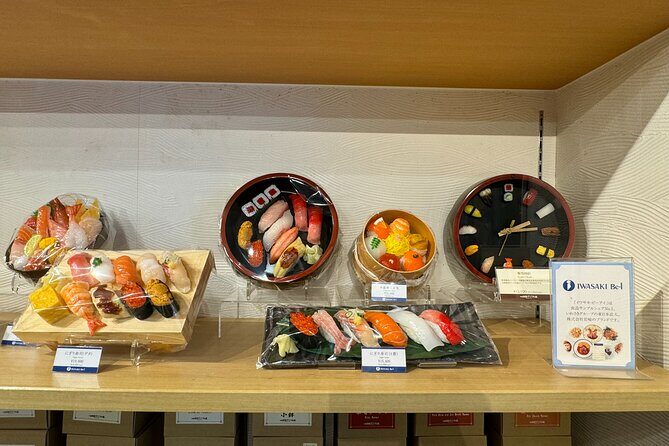
Once gathered, you’ll be introduced to the art of Japanese food sample making—an industry that dates back to the early 20th century. Your guide will explain how these fake foods have become an essential part of restaurant marketing, helping customers visualize dishes before ordering.
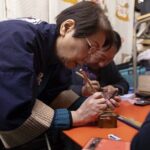
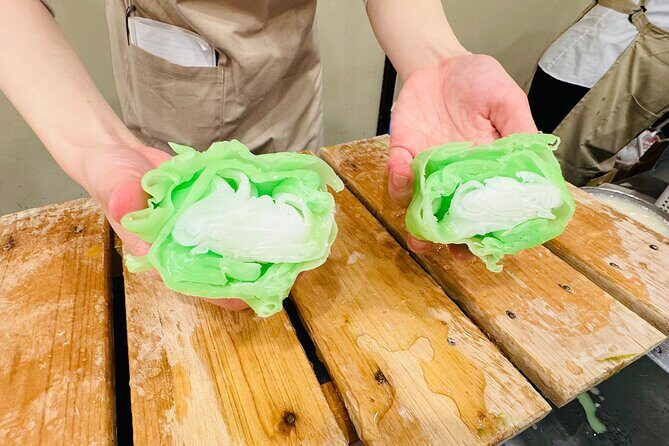
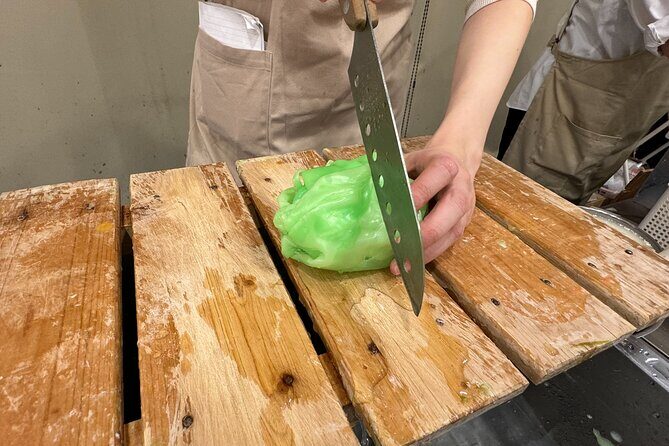
The workshop itself involves wax modeling, where you’ll select from a range of ingredients—shrimp or eggplant tempura, pumpkin, shiitake mushrooms, and a piece of lettuce. Each participant will create two tempura pieces and one lettuce piece, which are crafted with great attention to realism. The process is surprisingly straightforward, even for beginners, thanks to clear instructions and helpful tips from your guide.
Throughout, you’ll be provided with aprons and asked to roll up sleeves, ensuring a clean workspace. The workshop lasts for about 90 minutes, which is ample time to learn the techniques and create your own miniature culinary masterpiece.
Cultural Insights and Commentary
What makes this activity stand out is the storytelling from your guide, who shares insights into the origins of food samples—started as a way to attract customers and now a beloved Japanese craft. These stories add depth to what might otherwise be just a craft session and help you appreciate the cultural importance of these miniature displays.
You can also read our reviews of more tours and experiences in Tokyo
Making Your Souvenir
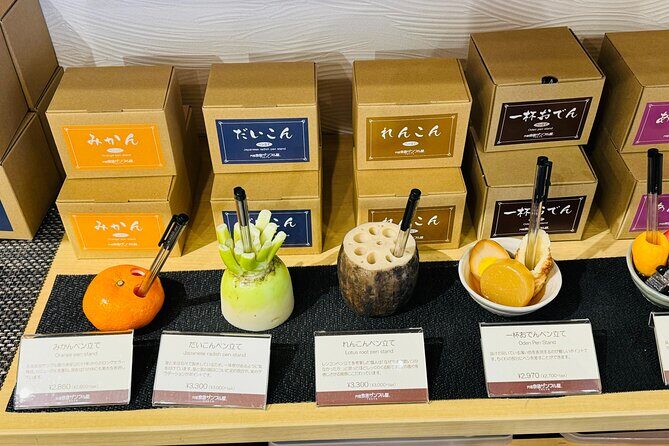
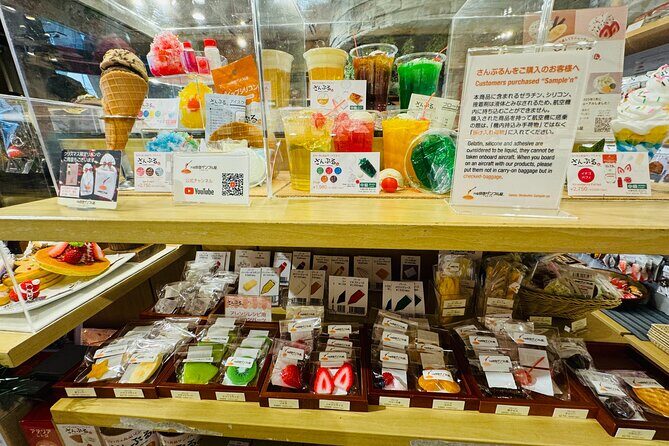
The finished wax food samples are surprisingly realistic, resembling actual tempura to the untrained eye. You’ll have a charming, durable keepsake—an instant conversation starter and a unique memento of your trip. As one reviewer put it, the experience was “Fake food, real fun,” emphasizing how engaging and enjoyable it was to create such a realistic replica.
Price and Value
At $100.97 per person, the cost covers the guide, all materials, and the making fee. While it might seem a bit steep for a short activity, consider the quality of the experience and the souvenir you’ll take home. Creating your own food sample offers a distinct, tactile connection to Japanese culture that many travelers find memorable and worth the price.
Customer Experience and Feedback
The most compelling praise comes from Edward_M, who called the experience “WONDERFUL” and appreciated how the guide, Yuko, provided excellent context, translation, and shop insights. The small group size (max four travelers) means personalized attention, ensuring everyone leaves with a smile and a high-quality wax sample.
Who Will Love This Tour?
This activity is ideal for foodies, craft lovers, and those keen to explore an unusual aspect of Japanese culture. It’s also suitable for travelers seeking a short, engaging activity that fits easily into a busy Tokyo schedule. Since no prior experience is needed, families, couples, and solo travelers alike will find it accessible and enjoyable.
However, if you’re hoping for a long, in-depth workshop, this might feel a bit brief. It’s best viewed as a quick cultural detour rather than a full-day immersion.
The Sum Up
The Tokyo Food Sample Making Experience in Asakusa offers a fascinating peek into an often-overlooked aspect of Japanese food culture. The opportunity to create your own miniature, realistic tempura piece is both fun and educational. With friendly guidance, a small group setting, and a charming souvenir to take home, it’s a memorable activity that adds a little flavor to your trip.
For travelers who love hands-on activities, want to learn about local customs, or are simply looking for a fun photo opportunity, this tour provides good value and genuine engagement. It’s especially suited for those with a playful or artistic side, or anyone eager to take home a tangible, authentic piece of Japan’s culinary artistry.
Tokyo: Food sample making in Asakusa
FAQ
Is this experience suitable for children?
Yes, most travelers can participate, and children who enjoy crafts and food can find this activity enjoyable. Just keep in mind the activity involves wax modeling and some fine motor work.
Do I need to bring anything for the workshop?
No, everything you need—aprons, materials, instructions—are provided. Just wear clothes with sleeves you can roll up comfortably.
How long does the workshop last?
Approximately 1 hour and 30 minutes, including instruction, crafting time, and wrapping up.
Is transportation to the meeting point easy?
Yes, the meeting point is near public transportation in Asakusa, a popular and well-connected area of Tokyo.
What is included in the price?
The fee covers the guide, the food sample making materials, and your own wax food sample souvenir.
Can I cancel if my plans change?
Yes, the tour offers free cancellation up to 24 hours in advance, giving you flexibility if your schedule shifts.