A Compact Dive into Tokyo’s Artistic and Sumo Heritage
We haven’t taken this exact tour ourselves, but from what’s offered, it looks like a rewarding blend of art, history, and authentic Japanese culture packed into just 2.5 hours. It’s a great choice if you’re curious about Ukiyo-e art or want a quick but meaningful glimpse into Edo-period traditions.
We particularly appreciate that this tour offers a well-rounded experience—visiting the Sumida Hokusai Museum to see the works of the legendary artist, then strolling through a peaceful Japanese garden that echoes the scenes depicted in Hokusai’s landscapes. Plus, the inclusion of sumo culture and the Ryogoku area makes it a richer cultural snapshot of Tokyo.
One notable strength is the knowledgeable guide who, according to reviews, shares insights clearly and passionately—making complex cultural topics accessible. Another plus is the balanced itinerary that seamlessly combines art, history, and local traditions without feeling rushed.
However, some travelers might find the timing tight—just two and a half hours—so it’s best suited for those who enjoy immersive, but concise, cultural explorations. If you’re after a deeper dive into any one aspect, you might want to supplement with additional visits later.
This tour is ideal for art lovers, history buffs, or anyone fascinated by Japanese traditions. It’s especially suited for those who prefer small group experiences—with a maximum of 6 travelers—and enjoy getting detailed explanations on-site. If you’re short on time but want a meaningful overview of Edo culture through art and sport, this tour is a good fit.
- Key Points
- Exploring the Itinerary in Detail
- Sumida Hokusai Museum – A Visual Feast
- Memorial Reflection – A Moment of Remembrance
- Kyu Yasuda Garden – A Taste of Edo Serenity
- Ryogoku Kokugikan – The Sumo Heartland
- Ekoin Temple – Sacred Grounds and Cultural Links
- Ryogoku Edo Noren – Ending with Edo Flavor
- Analyzing the Value
- Practicalities
- Who Will Love This Tour?
- Final Thoughts
- FAQ
- More Tour Reviews in Tokyo
Key Points
 1 / 5
 2 / 5
 3 / 5
 4 / 5
 5 / 5
- Concise yet comprehensive: The 2.5-hour structure covers art, garden, and sumo highlights efficiently.
- Expert guide: Knowledgeable narration enhances understanding of Hokusai and sumo culture.
- Authentic experience: Visiting real locations like the Sumida Hokusai Museum and Ryogoku area offers genuine insights.
- Cultural variety: Combines visual art, historical sites, serene gardens, and sports culture.
- Good value: Includes museum admission and a small-group setting for personal attention.
- Ideal for art and culture enthusiasts: Perfect for those with limited time but eager to learn deeply.
Exploring the Itinerary in Detail
You can also read our reviews of more tours and experiences in Tokyo.



Sumida Hokusai Museum – A Visual Feast
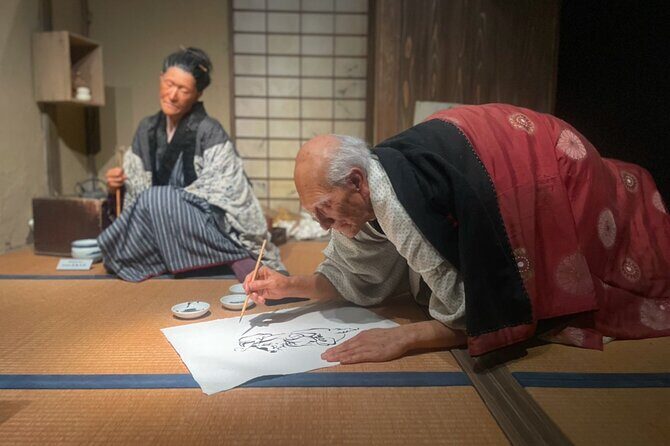
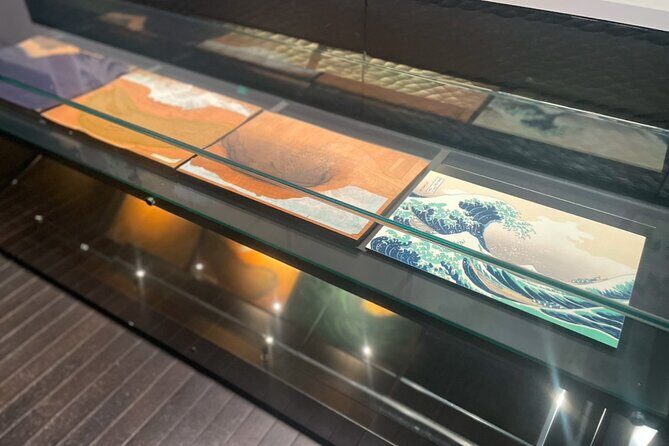
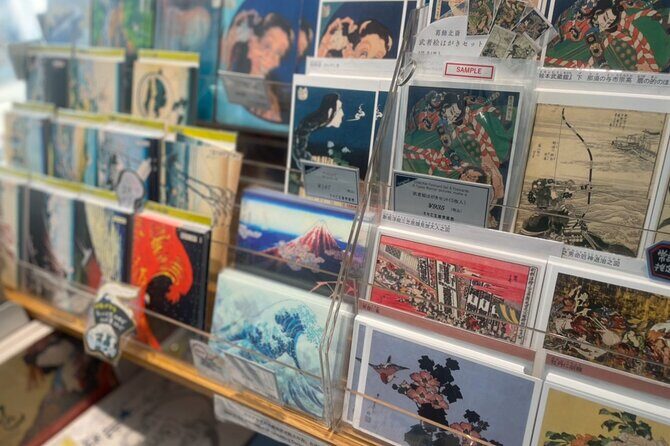
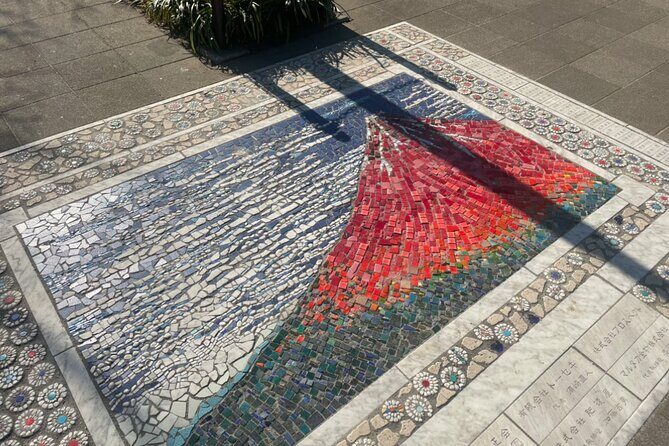
The tour begins at the Sumida Hokusai Museum, dedicated to the life and work of Katsushika Hokusai, one of Japan’s most iconic ukiyo-e artists. Here, you’ll see a variety of his artworks—from pop and casual styles to breathtaking landscapes, like his famous “Great Wave”—giving you a well-rounded view of his evolution. The museum’s design is modern yet respectful of traditional aesthetics, making it a fitting setting for contemplating his influence.
Your guide will explain the different styles of Ukiyo-e, revealing how Hokusai’s approach changed over his long career. We loved the way the guide connects Hokusai’s life to his paintings, making the art more meaningful and less abstract. The museum visit lasts about an hour, providing enough time to see key pieces and ask questions.
Memorial Reflection – A Moment of Remembrance
After the museum, you’ll pass by a site built in remembrance of a significant disaster in Tokyo’s history. While brief, this stop offers a quiet moment to reflect on the city’s resilience and the importance of remembering the past. It’s a small pause that adds depth to the tour, reminding us that culture is also about resilience and memory.
Kyu Yasuda Garden – A Taste of Edo Serenity
Next, you’ll stroll through Kyu Yasuda Garden, a peaceful Japanese garden from the Edo period. This spot allows you to see the type of scenery often depicted in Ukiyo-e landscapes. Touching the stone lanterns or peering into the pond’s calm waters might make you feel like a character in one of Hokusai’s scenes.
The guide emphasizes how gardens like these are integral to understanding traditional Japanese aesthetics. The visit lasts about 20 minutes, making it a perfect spot for photos or a quiet moment amidst your busy sightseeing.
Ryogoku Kokugikan – The Sumo Heartland
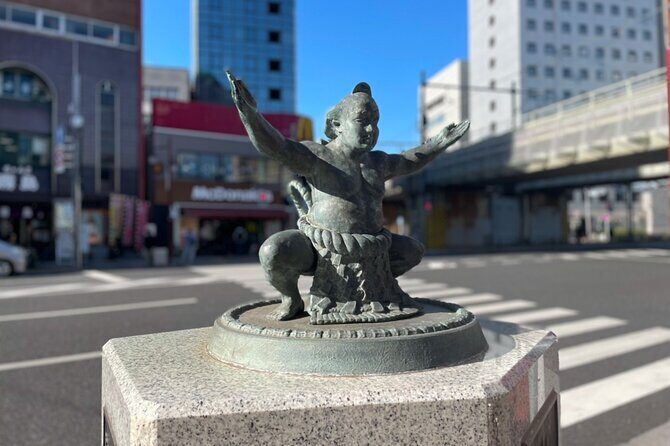
Then, your walk takes you to Ryogoku Kokugikan, the notorious sumo arena. While the tour only visits the exterior, this is the sacred ground where sumo matches are held, and it’s a must-see for fans of Japanese sports. You’ll get a glimpse of the architecture and the significance of sumo as a national sport rooted in tradition.
The connection between sumo and Hokusai’s world is explained by the guide, highlighting how this sport has long been intertwined with Tokyo’s cultural fabric. Even just seeing the outside of the Kokugikan gives you a sense of the seriousness and reverence sumo commands in Japan.



Ekoin Temple – Sacred Grounds and Cultural Links
The visit continues at the Ekoin Temple, where you’ll learn about the spiritual significance of the Ryogoku area for sumo wrestlers and the connection to Hokusai’s era. The temple houses important stone monuments and offers insights into the sacred traditions of sumo and Edo culture.
This stop adds a layer of spirituality and history, illustrating how religion, sport, and art all converged in this neighborhood. The guide’s explanations make these connections clear and engaging.
Ryogoku Edo Noren – Ending with Edo Flavor
Finally, the tour concludes at Ryogoku Edo Noren, a lively district that recreates the look and feel of an Edo-era town. Here, you can wander through traditional shops and perhaps pick up small souvenirs or snacks. While the tour doesn’t include dining, this district offers a glimpse into historic Tokyo’s everyday life.
The quick 10-minute visit wraps up the experience on a lively note, leaving you with a sense of the area’s bustling history.
Analyzing the Value
At $64.76 per person, this tour offers a decent value for those interested in cultural authenticity and expert guidance. The price includes museum admission—a significant cost saving if you were to visit on your own—and the small group size ensures you get personalized attention. The guide’s knowledge seems to be a highlight, with reviews praising their clarity and enthusiasm.
Given that the tour covers art, history, and sport, it offers a well-rounded picture of Edo culture without overwhelming the traveler with too many sites or too much walking. The timing is tight but manageable, making it a practical choice for visitors with limited time.
Practicalities
- Duration: The 2.5-hour length makes it easy to fit into a busy sightseeing day.
- Group Size: Limited to 6 travelers, enhancing interaction and questions.
- Physical demands: The tour involves walking but is suitable for those with moderate fitness levels.
- Meeting point: Conveniently located near public transport, reducing travel hassle.
Who Will Love This Tour?
This experience is especially suited for art lovers eager to connect Hokusai’s paintings to real places, as well as history and culture buffs interested in the traditions of sumo and Edo-era Tokyo. It’s perfect if you prefer small-group tours and appreciate guides who can explain complex topics clearly. Travelers with a short layover or limited time in Tokyo will find this a rich yet manageable cultural highlight.
It may not satisfy those seeking a deep dive into any one focus area, but it does a fine job of creating a balanced, insightful overview that leaves you with a better understanding of Tokyo’s layered heritage.
Final Thoughts
This tour offers a wonderful gateway into Tokyo’s artistic and sumo culture in just a few hours. The combination of a visit to the Sumida Hokusai Museum, a stroll through a historic garden, and a look at sumo’s sacred sites makes it a well-rounded experience. The expert guides and small group size ensure a personal touch that enhances learning and enjoyment.
For anyone fascinated by Japanese art, history, or sport, this tour strikes a good balance between depth and accessibility. It’s especially great for travelers seeking a taste of authentic Edo traditions without the hassle of planning multiple separate visits. If you want a memorable, compact cultural snapshot of Tokyo, this tour is worth considering.
Tokyo: Know about Hokusai and Sumo culture in 2.5 hours
FAQ
Is the tour suitable for people with limited mobility?
While it involves walking around various sites, the tour is designed for those with moderate physical fitness. If you have concerns, it’s best to check with the provider.
How long is the museum visit?
The Sumida Hokusai Museum visit lasts about one hour, giving enough time to see key artworks and learn about Hokusai’s style.
Are meals included?
No, the tour does not include meals or snacks. It ends at Ryogoku Edo Noren, where you can explore restaurants on your own.
Is there any shopping involved?
Shopping costs are not included; you can browse the shops at Ryogoku Edo Noren if you wish.
What is the group size?
The tour is limited to a maximum of 6 travelers, ensuring a more intimate experience.
Can I cancel if my plans change?
Yes, free cancellation is available up to 24 hours before the tour start time for a full refund.
Is this tour good for children?
While suitable for most ages, it’s best for children who are comfortable walking and sitting for a while.
Does the tour include interior visits to sumo facilities?
No, the exterior of Ryogoku Kokugikan is only visited; inside access is not part of this tour.
What should I bring?
Comfortable walking shoes, a camera, and perhaps some water—though most sites are easily accessible.
Will I learn about the connection between Hokusai and sumo?
Yes, your guide will explain the links between the artist’s work and the sumo traditions of the area.
This tour offers a smart, engaging way to understand some of Tokyo’s most iconic cultural elements—art, sport, and history—without the fuss and with plenty of opportunities for authentic discovery.