If you’re after a genuine taste of Japanese culture, especially during the lively Setsubun season, this tour offers more than just sightseeing — it’s an immersive experience. It takes you into the heart of Sugamo, a thriving local neighborhood in northern Tokyo, known for its friendly atmosphere and traditional festivities.
For anyone curious about how local Japanese communities celebrate seasonal customs, this tour is an inviting introduction.
What makes this tour particularly appealing? First, the chance to participate in the soybean scattering ritual at Kogan-ji Temple, an age-old tradition meant to chase away evil spirits and bring good fortune. Second, the opportunity to sample authentic Ehomaki hand-rolled sushi, eaten in total silence facing the lucky direction, which is a fun and unique experience.
One possible consideration? This tour is somewhat focused on cultural rituals and local food, so it might not suit travelers seeking a fast-paced sightseeing schedule or those with mobility issues, as it involves a fair amount of walking and cultural participation.
This experience is ideal for travelers who love authentic local customs, enjoy trying regional snacks, and want a deeper understanding of one of Japan’s most cheerful seasonal traditions.
Tokyo: Setsubun soybean scattering & Ehomaki hand roll sushi
Key Points
- Authentic ritual experience: Participate in traditional soybean scattering at Kogan-ji Temple.
- Local neighborhood charm: Explore Sugamo’s bustling shopping street, full of local snacks and shops.
- Cultural insight: Learn about the significance of Setsubun, a seasonal dividing point in Japan.
- Delicious tasting: Enjoy traditional Japanese snacks, including the famous Darayaki pancake.
- Unique eating custom: Try Ehomaki sushi, eaten facing the year’s lucky direction in complete silence.
- Cultural symbolism: Visit a large Jizo Bosatsu statue, a protector of travelers, and explore nearby temples with fascinating enshrined deities.
This tour offers an engaging look into Japan’s seasonal customs, set against the backdrop of Sugamo’s vibrant shopping street, which is often called the “Grandma’s Harajuku” because of its friendly, accessible charm. The neighborhood, stretching over a kilometer along Jizo-dori Street, buzzes with activity, especially during festival times like Setsubun.
Meeting at JR Yamanote Line Otsuka Station, the group gathers at the ticket gate. From there, it’s just a short walk to the heart of Sugamo, a neighborhood loved by both locals and visitors for its affordable, delicious snacks and warm atmosphere. Once on the street, you’ll see an impressive large Jizo Bosatsu statue guarding the entrance — a symbol of protection for travelers and children. Visitors often comment on the sense of community here; it feels less touristy and more like visiting a local’s favorite neighborhood.
You can also read our reviews of more tours and experiences in Tokyo.


Visiting Kogan-ji Temple: A Cultural Focal Point
Your first stop is Kogan-ji Temple, a site bustling with elderly people wishing for longevity and good health. The temple grounds are home to a statue of Kannon, the Goddess of Mercy, whose followers wash their bad parts for health benefits. Behind the main temple, a second smaller temple features Fukuju Kannon and Fudo Myoo, deities associated with protection and blessings.
Reviews highlight the warm, inviting atmosphere of the temple and the significance of the Setsubun ritual. Participants gather on the temple stage, where local celebrities and temple monks toss soybeans, mandarin oranges, rice cakes, and sweets — a lively event that symbolizes driving away demons and inviting good luck.
The Soybean Scattering Ritual
This part of the tour is a highlight. You’ll witness the Setsubun tradition, which marks the change of seasons, especially the shift from winter to spring in February. During the event, a man or woman (a Toshio or Toshionna) dressed as a demon is symbolically expelled, while soybeans are scattered shouting, “Oni wa soto! Fuku wa uchi!” (“Demons out! Good luck in!”).
Participating in this ritual is a memorable experience, and you’ll get to throw your own soybeans, feeling connected to a centuries-old custom designed to purify and bring happiness. It’s also fun to see the children, who often enthusiastically join in.
Exploring Sugamo’s Shopping Street
Post-ritual, the tour meanders along Jizo-dori, where local shops tempt visitors with an array of snacks, sweets, and crafts. Most reviews remark on the friendly atmosphere and the chance to try authentic Japanese treats.
One of the tour’s culinary highlights is a stop at a Japanese sweets shop established in 1937, where the famous Darayaki pancake is available. Made without synthetic preservatives, these pancakes are filled with red bean paste and either premium butter or Danish cream cheese, flavored with a dash of black pepper and rock salt. Many visitors praise its handmade, authentic taste with comments like, “This Darayaki feels like a warm hug from Japan’s past.”
More Great Tours NearbyEhomaki Hand-Rolled Sushi
The pinnacle of the experience is eating Ehomaki, a traditional thick sushi roll eaten during Setsubun. You’ll learn that it’s customary to face the year’s lucky direction and eat the entire roll without speaking — a practice believed to bring good fortune and health. The guide explains that Ehomaki can contain ingredients like tuna, salmon, beef, or vegetables, offering a hearty snack.
Most reviews mention the fun and slightly mysterious ritual of eating Ehomaki in silence, which adds a humorous twist to the meal. It’s a simple yet meaningful tradition, and the experience offers a tangible connection to Japanese customs.



The Value of the Tour
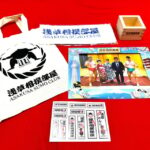
Priced at $54 per person, this experience packs in culture, history, and food. The fee includes the soybean scattering, a choice of snacks, the Ehomaki sushi roll, and a masu sake cup filled with dried soybeans, making it a well-rounded value for those interested in authentic local customs.
While transportation isn’t included, the meeting point at a central Tokyo station makes this accessible. The guide, fluent in English, ensures explanations are clear and engaging. Reviews from past participants note the friendly guides and welcoming atmosphere, making it comfortable for travelers of all backgrounds.
This experience is perfect for culture enthusiasts looking for an authentic and immersive activity. If you love trying regional foods and are curious about seasonal traditions, you’ll find this both educational and fun. It’s especially suited for those comfortable with walking and participating actively in rituals.
However, it might not be ideal for travelers with limited mobility or those expecting a fast-paced sightseeing tour. The focus is on participation and understanding, rather than just observing.
This tour offers a unique glimpse into Japan’s seasonal customs, blending cultural rituals with delicious local snacks in a lively neighborhood setting. It’s a wonderful way to see a different side of Tokyo — one rooted in community, tradition, and good fortune.
You’ll appreciate the authenticity of the experience and the chance to engage directly with local customs, all for a reasonable price. Whether you’re traveling solo, as a couple, or with family, this tour provides memorable moments that will stay with you long after you’ve left Sugamo.
For anyone eager to go beyond the typical tourist fare and experience Japan’s vibrant local traditions firsthand, this tour is a well-balanced, enjoyable choice.
What is included in the tour?
The tour includes a soybean scattering ritual experience, a selection of local snacks including Darayaki pancakes, Ehomaki sushi, and a masu sake cup filled with dried soybeans.
Where does the tour start and end?
It begins at JR Yamanote Line Otsuka Station ticket gate and finishes back at the same meeting point.
Is transportation to the attractions included?
No, transportation to and from the attractions is not included, so you’ll need to travel independently to the meeting point.
What should I bring?
Comfortable shoes, a camera, and water are recommended. Dress appropriately for the weather and walking involved.
Is this tour suitable for children?
While the activities are family-friendly, the focus on participation and walking might be less suitable for very young children or those with mobility issues.
Can I cancel if my plans change?
Yes, you can cancel up to 24 hours in advance for a full refund, offering some flexibility.
What language is the guide speaking?
The guide speaks English, Japanese, and Chinese, ensuring clarity for diverse travelers.
How long does the tour last?
While the exact duration isn’t specified, tours typically last around a few hours, with plenty of time for participation and enjoying the sights.
Is this experience available year-round?
The tour is centered around Setsubun, which occurs in February, so it’s a seasonal activity tied to this specific celebration.
Embark on this lively journey into Japan’s Setsubun customs and discover a side of Tokyo that combines history, community, and delicious food in a truly authentic setting.
You can check availability for your dates here: