If you’re curious about Japan’s most famous sport and want a closer look at its traditions and history, a tour like this can be both enlightening and tasty. This Sumo History Tour offered by Maji Super Tours takes you into the heart of Rygoku, the sumo capital of Tokyo, with a well-balanced mix of cultural insights, historical sites, and, of course, plenty of sumo spirit.
It’s a chance to see the sport beyond the big tournaments and get a slice of the daily life of sumo wrestlers, all without paying for a ticket to watch a match.
What we really like about this experience are the expert insights from guides who bring the local scene alive, and the chance to sample authentic chanko-nabe, the hearty stew that fuels sumo wrestlers. On the flip side, if you’re expecting to attend a sumo match or need wheelchair accessibility, this might not be your best fit. But for those interested in history, culture, and authentic local flavors, this tour offers good value.
This experience is especially suited for history buffs, culture lovers, and foodies who want a deeper connection to Japan’s sumo world without the crowds or high prices of attending a tournament. It’s also good for travelers who appreciate small-group tours that give you more personalized attention.
Key Points
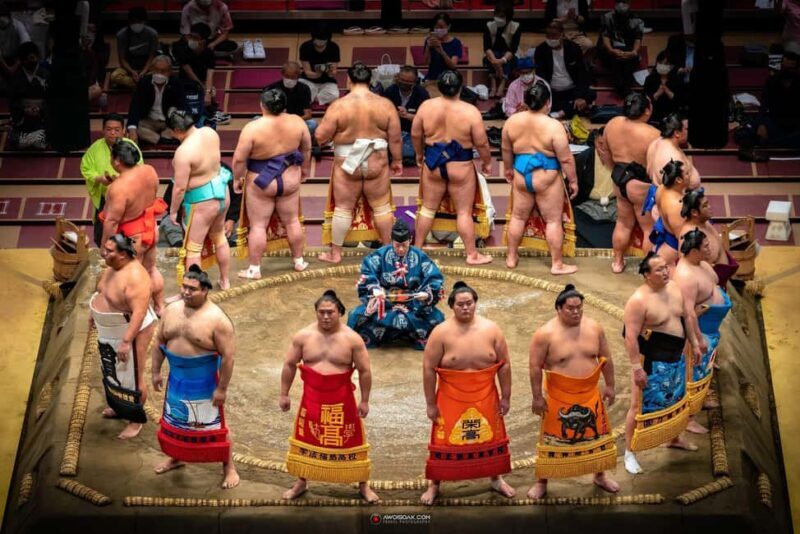
- Authentic cultural experience: Learn about sumo’s roots and traditions from knowledgeable guides.
- Historic sites: Visit the birthplace of sumo and explore the spiritual and cultural significance of the sport.
- Behind-the-scenes insights: See sumo stables from outside and learn about a typical wrestler’s daily life.
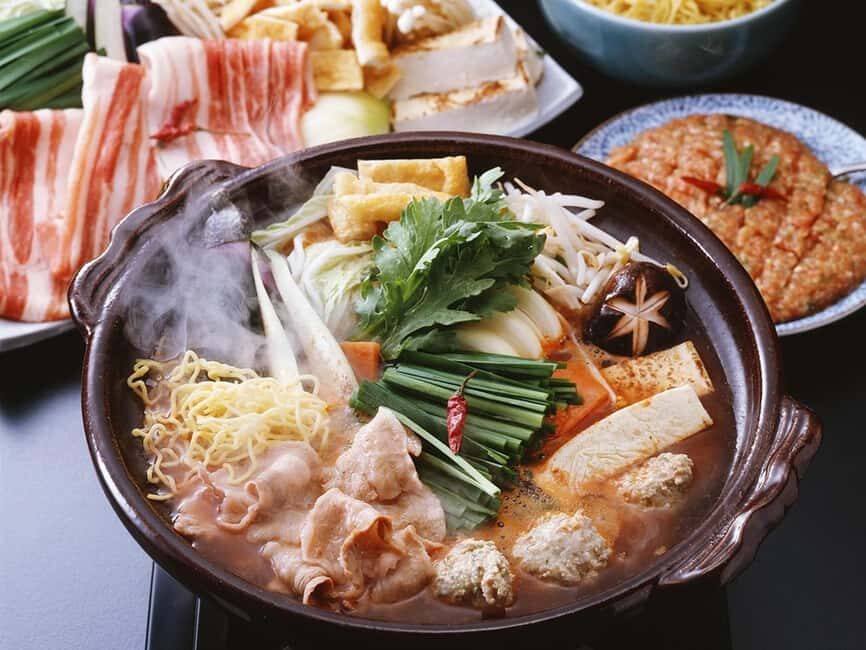
- Tasty finale: End with a traditional chanko-nabe meal, the preferred diet of sumo wrestlers.
- Flexible options: Two tour routes cater to whether the Sumo Museum is open, ensuring a full experience either way.
- Small groups: Limited to 10 participants, making for a more intimate and engaging experience.
Exploring the Rygoku Sumo Scene
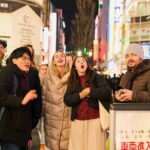
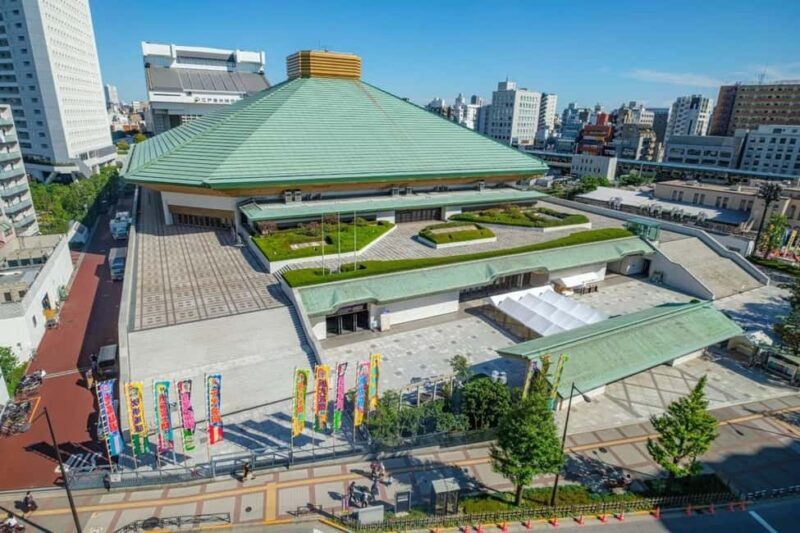
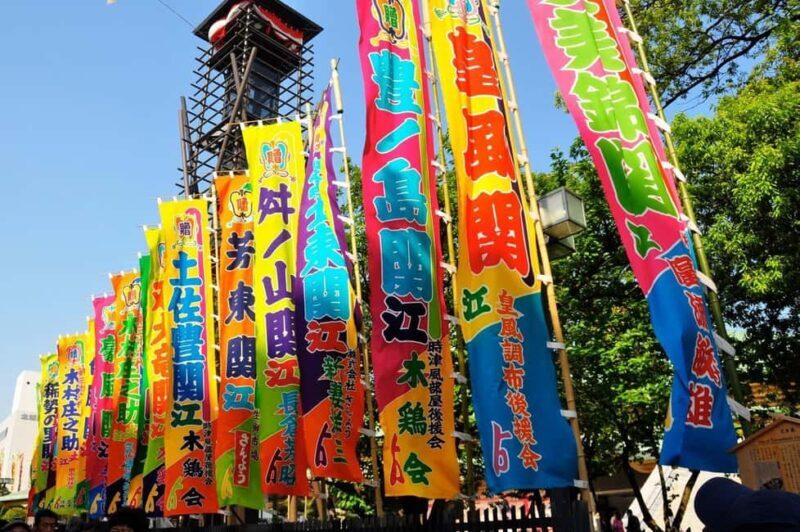
The tour begins at Rygoku Station’s West Exit, a lively spot filled with sumo banners, shops, and restaurants. It’s a great introduction to the district’s sumo atmosphere. From there, your guide will lead you to the Rygoku Kokugikan — Japan’s most famous sumo arena. Here, you’ll learn about how the tournaments are run and learn about the rituals that make sumo unique, like salt-throwing and ceremonial dress.
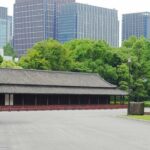
One of the standout features of the tour is the visit to Ek-in Temple and the Chikara-zuka monument. These are considered the spiritual birthplace of sumo, dating back to the 17th century when the sport was part of Shinto rituals. Walking through these sites, you’ll get a sense of how sumo began as prayers for peace and prosperity. Many reviews remark on the meaningful connection to tradition; one participant noted, “I loved learning how sumo originated from spiritual practices, not just a sport.”
If you’re interested in seeing memorabilia, the Sumo Museum is a highlight — showcasing photos, ceremonial aprons, trophies, and other artifacts. The museum gives a tangible sense of the sport’s history and cultural importance. However, if your visit coincides with a tournament day, the museum is reserved for ticket holders, and the tour will instead focus on the lively, outside-the-arena scene, which is still full of energy and color.
You can also read our reviews of more historical tours in Tokyo
The Edo NOREN and Sumo Ring Replicas
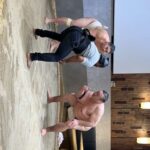
A fun part of the tour is the life-sized replica sumo dohyo (ring). You can snap photos, learn the ritualistic salt-throwing, and even try a sumo pose. Many reviewers have commented how this hands-on element adds a playful touch to the tour. It’s a great way to get a feel for the sport’s physical demands and ceremonial intricacies.
The Heart of the Tour – Chanko-Nabe Lunch
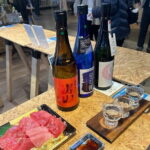
The tour concludes with a traditional chanko-nabe lunch. This hearty stew is the fuel of sumo wrestlers, packed with vegetables, meat, and tofu, simmered in a flavorful broth. Each guest receives their own mini hotpot, a cozy way to experience sumo culture through cuisine. As one review notes, “The lunch was more than just food; it was a window into the daily life and discipline of a sumo stable.” You’ll find that the meal is filling but not overly fancy — the focus is on authenticity and camaraderie.
Additional drinks and sides are available to order separately, giving you flexibility to customize your meal. The restaurant setting is friendly and group-oriented, making it easy to relax and chat about what you’ve seen.
Tour Structure and Practicalities
Route A is ideal if the Sumo Museum inside Kokugikan is open. It begins at Rygoku Station’s West Exit, with the guide providing a lively introduction to the district. It then takes you inside the arena’s exterior, explaining the significance of the building and the rituals associated with tournaments.
Route B is the alternative if the museum is closed, which can happen on non-tournament days. Instead, it emphasizes the spiritual and historical roots of sumo, with outside visits to famous sumo stables. This route offers a behind-the-scenes look at what daily life is like for sumo wrestlers, with explanations about their training, meals, and hierarchy — often accompanied by spotting wrestlers arriving or leaving.
The tour lasts about 3 hours, starting at 10:00 a.m., and is limited to small groups of 10, ensuring personalized attention. The meeting point is convenient, directly in front of the 7-Eleven at Rygoku Station’s West Exit, a familiar landmark.
Cost-wise at $81 per person, the tour offers good value for a comprehensive glimpse into sumo, especially considering the inclusion of the chanko-nabe lunch. It’s more affordable than attending a tournament, and the guide’s insights add a lot of depth to the experience.
Note: This tour does not include tickets to a sumo match, so if you want to see a live tournament, you’ll need extra tickets. But even without that, the cultural and historical focus is rewarding.
More Great Tours NearbyWhat Travelers Say
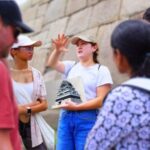
Reviews highlight the tour’s informative and engaging guide, who makes complex rituals understandable. Many appreciate the balance of history, culture, and food, making it a well-rounded experience. One comment notes, “Our guide was fantastic, full of stories and insights that made the whole experience come alive.” Others mention the hands-on opportunity with the sumo ring replica as a highlight.
Some reviews suggest that the small group size creates a more intimate atmosphere, perfect for asking questions and soaking in details. The inclusion of the chanko-nabe meal receives high praise, often described as “a delicious, filling sign of sumo’s everyday life.”
You can also read our reviews of more tours and experiences in Tokyo


The Sum Up
This Sumo History Tour in Tokyo offers a meaningful way to explore Japan’s national sport beyond the stadiums. Its focus on cultural roots, rituals, and daily life makes it perfect for travelers seeking an authentic, educational experience. The addition of a traditional chanko-nabe lunch provides a delicious, communal ending that emphasizes the sport’s role in everyday sumo life. With small groups, knowledgeable guides, and flexible routes, it’s an accessible and rewarding choice for those wanting to understand and appreciate sumo in its cultural context.
While it might not satisfy die-hard sports fans expecting access to live matches, it compensates with depth, authenticity, and a taste of sumo’s spiritual and social fabric. It’s especially well-suited for curious travelers who love history, culture, and local cuisine — and who enjoy a relaxed, personable tour environment.
Tokyo: Sumo History Tour with Chanko-Nabe Lunch
FAQ
Does this tour include tickets to a sumo tournament?
No, the tour does not include tournament tickets. On non-tournament days, it focuses on the Sumo Museum and outside scenes. On tournament days, the museum is reserved for ticket holders, but you’ll still see the arena’s exterior and surrounding sites.
What is the meeting point?
The tour starts at Rygoku Station’s West Exit, right in front of the 7-Eleven store, at 10:00 a.m. The guide will be waiting there.
How long does the tour last?
It lasts approximately 3 hours. You’ll want to wear comfortable shoes and clothes suitable for walking and the weather.
Is this tour suitable for all ages?
Generally, yes, but the tour is not wheelchair accessible, and some sites involve walking or standing for a bit. It’s best suited for those comfortable with moderate physical activity.
Can I customize the experience?
The tour offers two routes depending on the museum’s schedule, but within that, it provides a rundown of sumo’s history, culture, and daily life.
What should I bring?
Bring comfortable shoes, weather-appropriate clothing, and curiosity. The guide often shares interesting stories, so a notebook or camera could also be handy.
Will I learn about sumo rituals?
Yes, the guide explains rituals like salt-throwing and what they symbolize, making the experience more meaningful.
Is the food experience vegetarian-friendly?
The chanko-nabe is a traditional stew with meat and vegetables. If you have dietary restrictions, you might want to inquire with the restaurant beforehand.
How does this compare to other sumo experiences?
This tour offers a cultural and historical focus rather than a live match or training session, making it ideal for those interested in the sport’s background and traditions.
This guided tour is a great way to deepen your understanding of sumo, a sport often seen only during tense, televised tournaments. It’s an authentic, engaging, and tasty journey into a unique part of Japanese culture — perfect for travelers eager to go beyond the typical sightseeing and connect with local traditions.
You can check availability for your dates here: