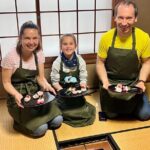
When visitors think of Japan, many picture serene tea ceremonies, colorful sweets, and centuries-old traditions. This particular tour in Tokyo offers a hands-on dive into that world, allowing participants to craft two types of Japanese sweets—Ohigashi and Nerikiri—and enjoy a casual matcha tea ceremony.
While I haven’t taken this exact tour myself, I’ve studied its details thoroughly, and it’s clear that it promises a delightful, authentic peek into Japan’s culinary culture—at a very reasonable price.
What makes this experience stand out? First, the use of high-quality ingredients from Kyoto’s long-established shops, which ensures that your sweets are genuinely traditional. Second, the combination of making and learning—not just watching—makes it more memorable than a simple demonstration.
However, a potential consideration is the timing; the schedule is tight, and delays might be frustrating if you’re running behind or if language barriers cause confusion.
This tour suits curious travelers eager to engage with Japan’s historic sweets and tea in a relaxed setting, especially those who appreciate hands-on experiences and cultural insights.
Key Points
- Authentic ingredients from Kyoto elevate the sweets’ quality.
- The tour includes three distinct activities: Ohigashi, Nerikiri, and Matcha tea.
- The price of $29 offers good value for a rich cultural experience.
- Timing is structured, so punctuality helps ensure smooth participation.
- English translation is available, making the experience accessible to non-Japanese speakers.
- The group size is not specified but typically small enough for personalized attention.
- Key Points
- A Closer Look at the Experience
- The Itinerary
- The Experience’s Strengths
- What Travelers Say
- Practical Details and Value
- Breaking Down the Experience: What You’ll Really Get
- Sweets Making: Ohigashi and Nerikiri
- The Tea Ceremony
- The Schedule and Duration
- Group Size and Accessibility
- Who Will Love This Tour?
- Final Thoughts: Why Pick This Experience?
- FAQs
- More Dessert Tours in Tokyo
- More Tour Reviews in Tokyo
A Closer Look at the Experience
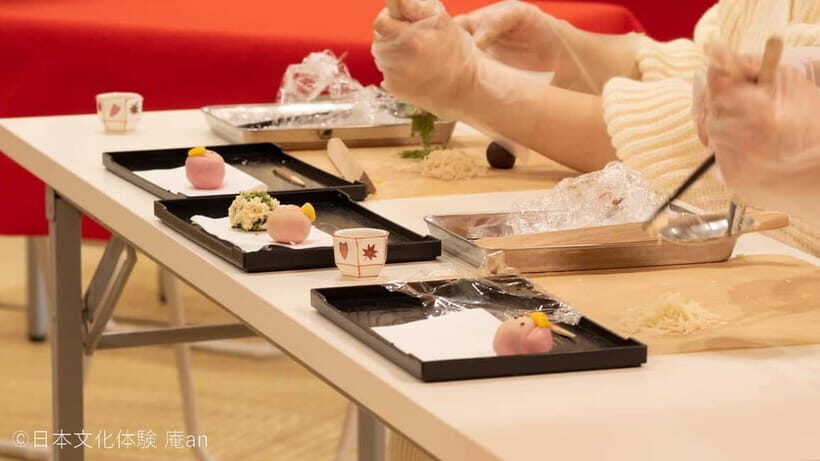
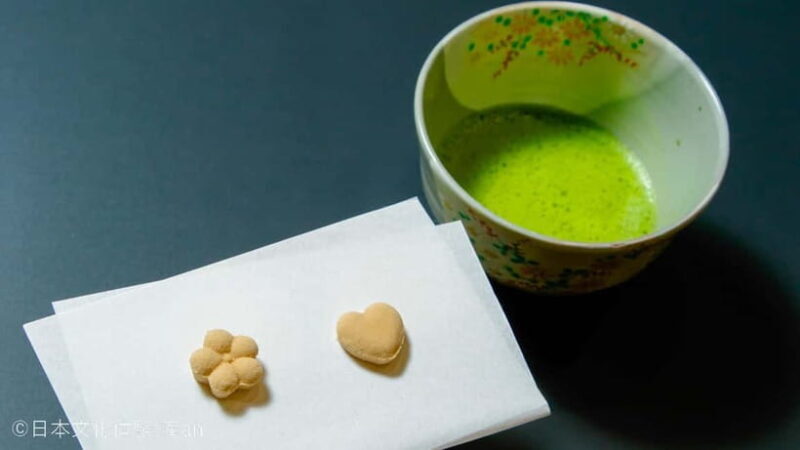
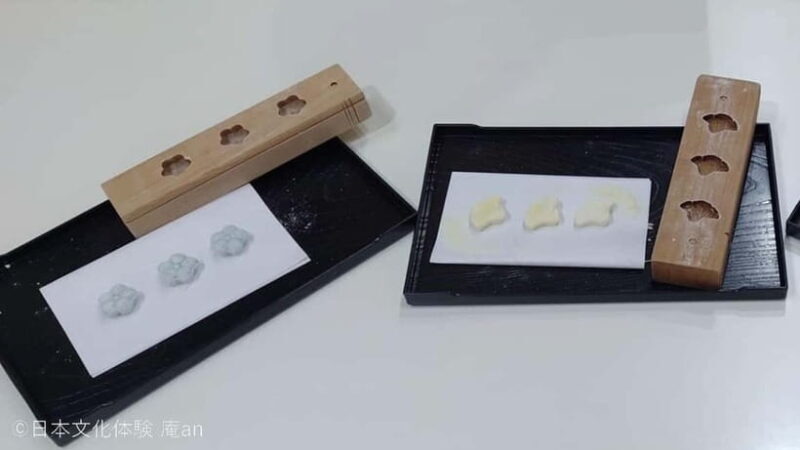
This tour offers a well-structured journey into Japan’s traditional sweets and tea culture, designed to be accessible and engaging. It starts at AN TOKYO Japanese Culture Experience, a common meeting point that’s easy to find in central Tokyo. From there, the schedule unfolds over roughly two hours, with a focus on hands-on participation rather than passive observation.
You can also read our reviews of more tours and experiences in Tokyo
The Itinerary
Start and Introduction: The experience begins with a brief explanation of traditional Japanese sweets, setting the scene for the activities ahead. You’re introduced to Wasanbon, a Japanese sugar used to make Ohigashi, giving you context about the ingredients’ history and significance.
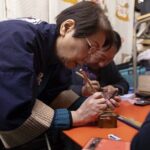
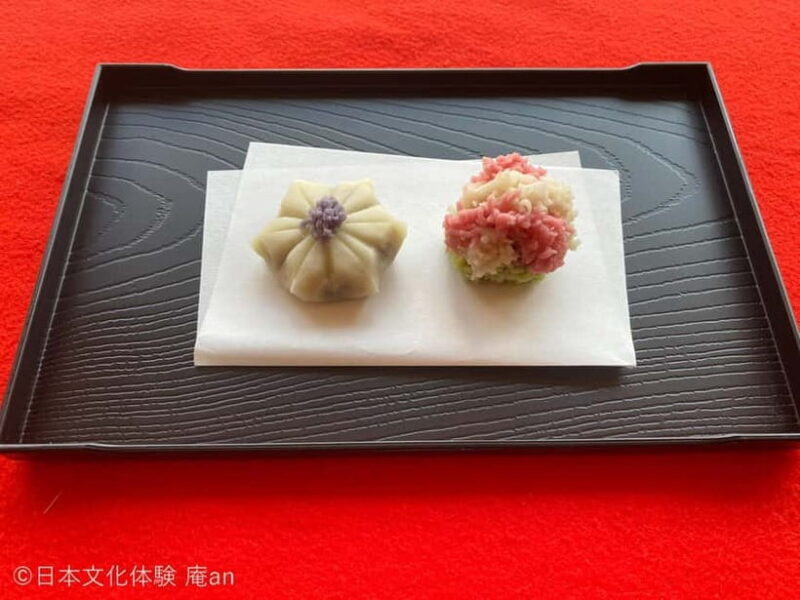
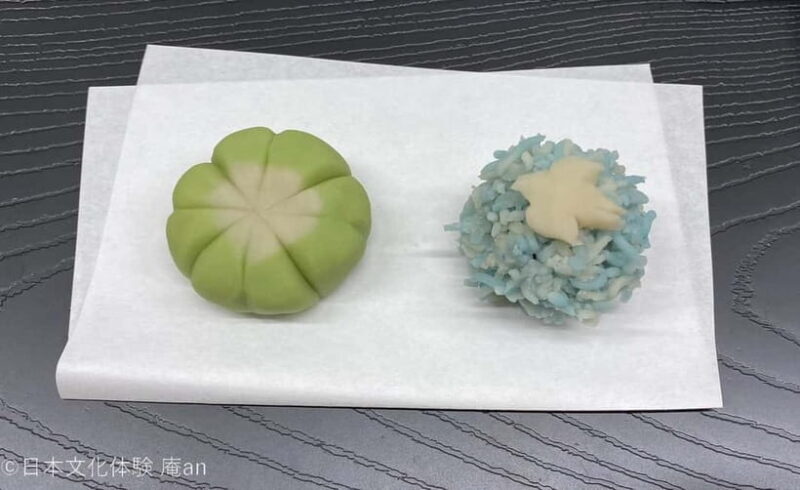
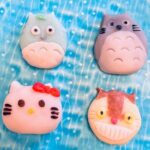
Ohigashi Making: You’ll craft dried-type sweets (Ohigashi). These are often colorful, beautiful confections, and you’ll work with traditional tools and techniques. The review notes they use white and red bean paste from Kyoto, emphasizing authenticity. Expect this segment to take about 20 minutes, giving enough time to learn and enjoy the process.
Nerikiri Sweets: Next, you’ll move on to flower-shaped Nerikiri, made from white or red bean paste, and shaped to match the season. The process involves some artistic flair—perfect for those who enjoy both cooking and crafts. This segment lasts about 30 minutes, offering a satisfying balance of creativity and tradition.
Breaks: The schedule includes about 20-minute breaks, which are practical for stretching or chatting with fellow participants, making this more than just a hurried workshop.
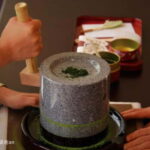
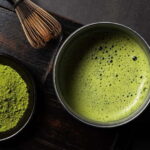
Matcha and Tea Ceremony: The highlight is the matcha grinding demonstration and a casual tea ceremony. You’ll get to grind your own single-origin, special matcha—an experience that brings you closer to the Japanese tea tradition. The tea session lasts approximately 20 minutes, and you’ll have plenty of opportunity for photo moments and relaxed tasting.
Wrap-up: The experience concludes with a few minutes of picture-taking and eating/drinking, leaving you with a tangible souvenir of your efforts—plus the chance to savor your handmade sweets.
The Experience’s Strengths
What we really appreciate about this tour is its combination of making, tasting, and learning. Unlike many tours that only show or explain, here, you actively participate, which enhances the memory and appreciation of each skill.
Authentic ingredients from Kyoto lend a real sense of tradition—these are not cheaply mass-produced sweets but carefully sourced items. The use of single-origin matcha adds a layer of quality and authenticity that serious tea lovers will value.
What Travelers Say
One reviewer described it as “Tutto bellissimo,” highlighting how satisfying the experience was. Another shared that the dried sweets and flower-shaped Nerikiri made them feel immersed in Japan’s culinary art. The positive reviews emphasize the enjoyment of crafting and the friendly, relaxed atmosphere.
More Great Tours NearbyPractical Details and Value
At $29 per person, this experience is a solid value, especially considering the quality of ingredients and the variety of activities packed into just over two hours. Optional extras—like take-out boxes for an additional 100 JPY or adding color for 200 JPY—allow further customization, though they are not necessary to enjoy the core experience.
The tour is well-suited for families, couples, or solo travelers keen to learn something real about Japan’s sweet and tea traditions. Children under 2 can participate free of charge if they sit on a parent’s lap, making it accessible for families.




Breaking Down the Experience: What You’ll Really Get
Sweets Making: Ohigashi and Nerikiri
Ohigashi are drier, often colorful, sweets traditionally served during tea ceremonies or festivals. The use of Wasanbon sugar means you’re working with a very fine, traditional Japanese sugar that melts smoothly and imparts subtle sweetness. Making these involves shaping and decorating, which is satisfying and offers insight into how Japanese artisans craft visually appealing confections.
Nerikiri, often floral or seasonal, involves working with bean paste and molds. It’s a bit like edible origami—shaping and coloring your sweets to match the current season or occasion. Participants enjoy the artistic aspect and get to take home their creations.
The ingredients are sourced from Kyoto’s reputable shops, ensuring the sweets’ authenticity and taste. The review highlights that you’ll be matching the season, adding another layer of cultural appreciation.
The Tea Ceremony
The tea segment is casual but meaningful. You’ll learn the process of grinding matcha and see a demonstration of Japanese tea-making techniques. The special single-origin matcha elevates the experience, providing a taste of authentic, high-quality tea.
The relaxed atmosphere helps demystify what can seem a formal, ceremonial process, making it accessible. The focus on casual enjoyment rather than strict formality allows you to relax and appreciate the flavor and ritual.
The Schedule and Duration
The experience’s total length—about 115 minutes of active participation—strikes a good balance between depth and convenience. It’s long enough to get a real sense of the process but not so lengthy as to become tiring, especially with the breaks included.
Group Size and Accessibility
While the exact group size isn’t specified, the structured nature and inclusion of translation suggest a small to medium group size, promoting interaction. English translation is provided as much as possible, making it friendly for international visitors.
Who Will Love This Tour?
If you’re someone who enjoys hands-on cultural experiences and has an interest in Japanese food traditions, this tour is ideal. It’s well-suited for first-time visitors wanting to get a taste of Japan’s sweets and tea, as well as for those intrigued by traditional crafts.
It’s especially good for families or couples looking for a relaxed, interactive activity. The fact that children under 2 sit free if they stay with a parent makes it a family-friendly option.
However, those expecting a formal or in-depth tea ceremony may find this experience more casual than ceremonial. It’s more about fun, learning, and tasting than about mastering Japanese tea etiquette.
Final Thoughts: Why Pick This Experience?
This tour offers a practical and enjoyable way to connect with Japan’s culinary arts in a friendly, accessible setting. For just $29, you get hands-on crafting, tasting, and cultural insights—all in a comfortable environment. You’ll come away with beautiful handmade sweets, a better understanding of matcha, and a sense of how Japanese sweets are woven into daily and ceremonial life.
It’s perfect for curious travelers who want an authentic, approachable glimpse into Japan’s sweet traditions without the formality or expense of high-end tea ceremonies. The experience’s focus on quality ingredients and interactive learning makes it a worthwhile addition to any Tokyo itinerary.
If you’re eager to try your hand at Japanese sweets and enjoy a casual tea experience, this tour is a charming and worthwhile choice.
Tokyo: Two Types of Japanese Sweets Making and Tea Ceremony
FAQs
Is this experience suitable for children?
Yes, children under 2 can participate for free if they sit on a parent’s lap. The experience is relaxed and engaging for all ages.
How long does the tour last?
The full experience takes approximately 115 minutes, including breaks, making it manageable for most schedules.
Are the ingredients authentic?
Yes, the sweets use white/red bean paste from Kyoto’s long-established shops, ensuring genuine flavors and quality.
Is the English translation sufficient?
Yes, English translation is provided as much as possible, helping international guests follow along comfortably.
Can I take my sweets home?
You can purchase a take-out box for 100 JPY if you want to bring your creations with you.
Are there any additional costs?
Optional extras like adding color (200 JPY) or experience completion certificates (300 JPY) are available, but not necessary.
What if I have dietary restrictions or food allergies?
The tour details don’t specify accommodations for allergies. It’s best to contact the provider beforehand if you have concerns.
How is the group size managed?
While not specified, the structure suggests groups are small enough for personalized attention, and English support is available.
This experience offers a delightful way to connect with Japan’s sweets and tea traditions in a relaxed, hands-on setting. Whether you’re a foodie, a culture lover, or simply curious about Japan’s culinary arts, it provides a meaningful, authentic taste of Japanese craft and flavor—at a price that won’t break the bank.
You can check availability for your dates here: