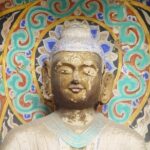
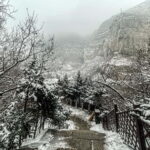
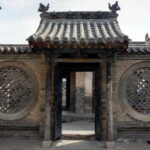
When it comes to Chinese Buddhist art, the Yungang Grottoes in Datong stand out as a masterpiece of early cave carvings. This review aims to give you an honest, detailed look into what you can expect when visiting these ancient sandstone caves, based on recent experiences and practical details.
Whether you’re an art lover, a history buff, or simply someone looking for an awe-inspiring stop during your China trip, the Yungang Grottoes offer a profound glimpse into centuries of spiritual and artistic expression.
What we really appreciate about this experience is its affordable price point—just $21 per person—which makes it accessible for most travelers. Plus, the convenience of mobile ticketing simplifies entry, avoiding long lines and paperwork. On the other hand, a potential downside is that this ticket doesn’t include transportation or guided services, so you’ll want to plan your day accordingly.
This tour suits travelers who enjoy self-guided exploration, are comfortable walking moderate distances, and are keen on authentic sites that reveal a blend of artistry and spirituality. If you like the idea of wandering through historic caves at your own pace, this is an experience worth considering.
- Key Points
- Introduction: An Invitation to Experience Ancient Art
- Why Visit the Yungang Grottoes?
- The Itinerary: What to Expect
- Stop 1: The Main Grottoes
- The Carvings and Artistic Styles
- Visiting Tips
- The Practicalities of Your Visit
- Opening Hours and Ticketing
- Booking and Admission
- Accessibility and Additional Info
- Limitations
- What Do Visitors Say?
- The Value of This Tour
- Who Will Love This Experience?
- The Sum Up: Is the Yungang Grottoes Worth It?
- FAQ
- More Tickets in Datong
- More Tour Reviews in Datong
Key Points
- Affordable entry: The ticket costs only $21, providing excellent value for access to a UNESCO-listed site.
- Self-guided format: No guide included, perfect for independent explorers who enjoy reading up on history or using a guidebook.
- Flexible schedule: You can visit during morning or afternoon sessions, with last entry at 4:30 pm.
- Accessible for many: Free entry for children under 120 cm or under 6 years old, and seniors over 60 with valid ID.
- Simple booking process: Just an online reservation and presenting your passport at entry; no paper tickets needed.
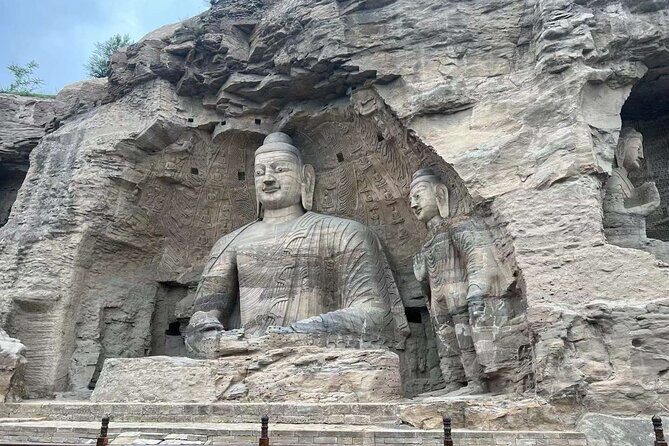
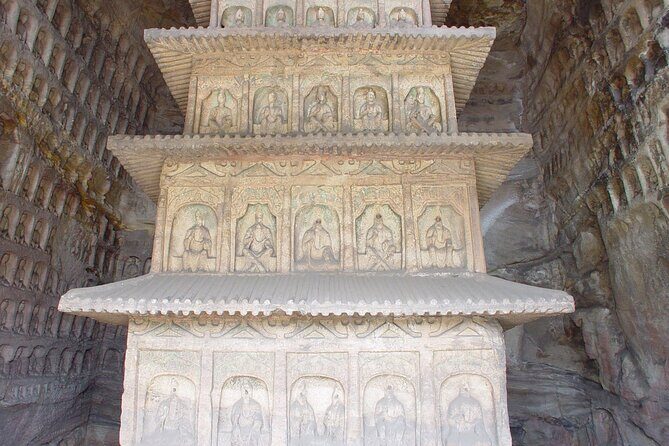
- Stunning carvings: Over 51,000 statues and intricate carvings, many of which are within caves 1-20, showcasing diverse styles.
Introduction: An Invitation to Experience Ancient Art
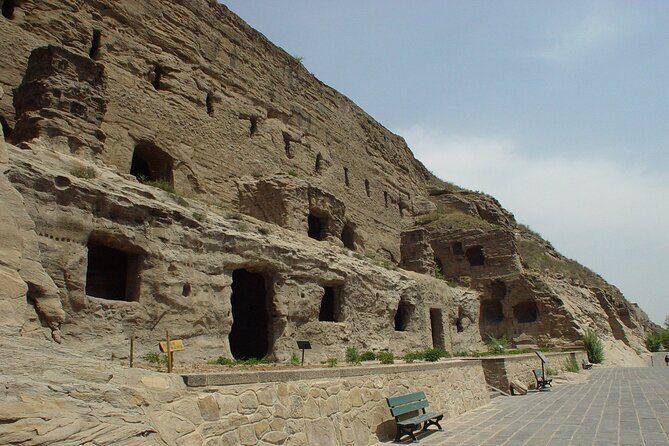
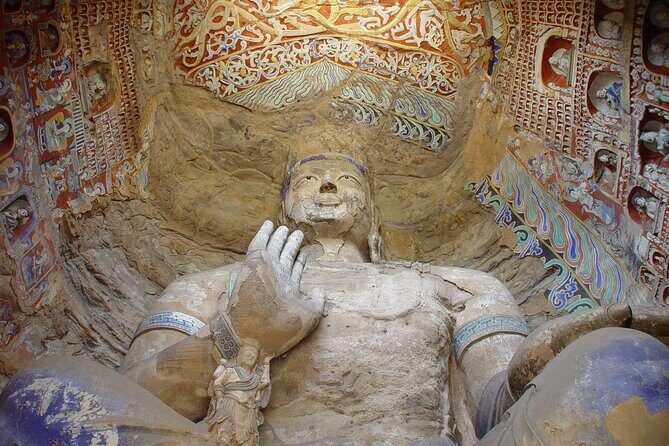
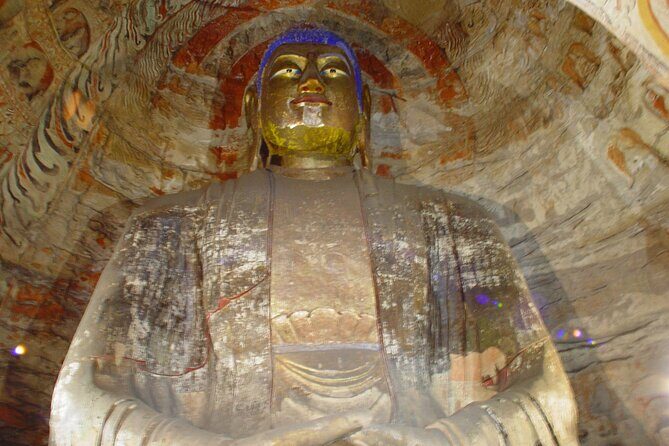
We haven’t personally wandered through the Yungang Grottoes, but after reviewing the details, it’s clear that this site offers a remarkable peek into Chinese Buddhist art carved into sandstone cliffs. With over 51,000 statues, ranging from tiny figurines to massive 17-meter Buddhas, the scale and craftsmanship are truly impressive.
Two features stand out. First is the ease of access—pre-booking your ticket online means minimal hassle, and showing your passport at the entrance is all you need. Second, the diversity of caves—especially caves 1 to 20—are packed with different styles, giving you a broad perspective on early Buddhist sculpture and architecture.
A possible drawback? Since there’s no included guide service, you’ll need to do some homework beforehand or bring a guidebook to fully appreciate the carvings’ stories and symbolism.
All in all, this experience appears perfect for those with a curiosity for history, art, or spirituality, and who prefer exploring at their own pace rather than in large tour groups.
You can also read our reviews of more tours and experiences in Datong
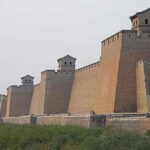
Why Visit the Yungang Grottoes?
The Yungang Grottoes are a highlight for anyone interested in the development of Buddhist art in China. The site embodies a fusion of cultural and religious influences that created a unique artistic style. As a UNESCO World Heritage site, it preserves a significant chapter of Chinese civilization, making it a must-see for those seeking an authentic and meaningful experience.
The Itinerary: What to Expect
Stop 1: The Main Grottoes
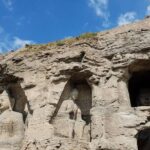
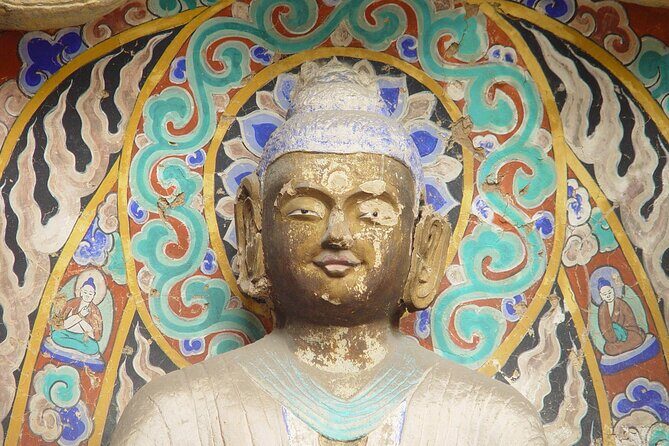
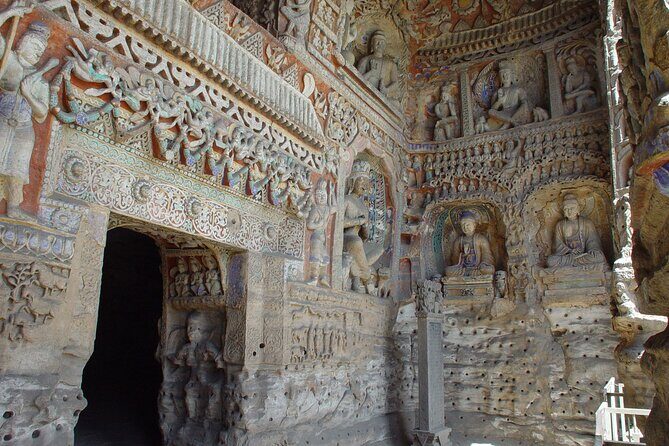
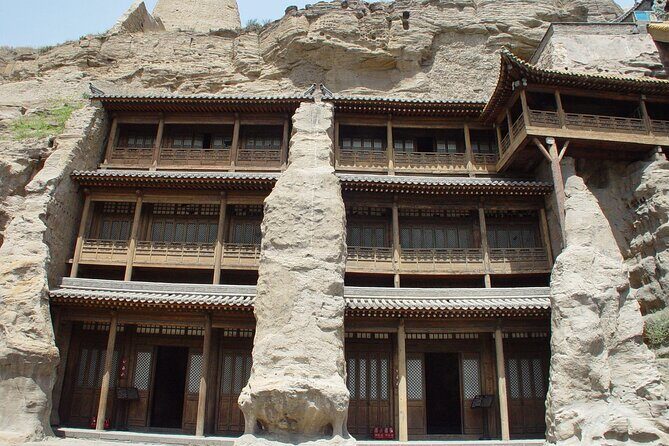
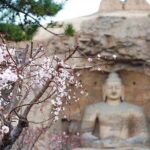
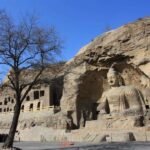
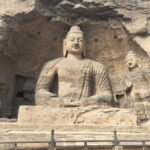
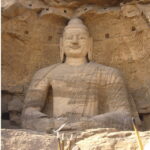
Your journey begins with a visit to the main cluster of caves, primarily caves 1 through 20. These are the most interesting and contain a majority of the sculptures and carvings. As you walk through sandstone corridors, you’ll be greeted by dozens of Buddhas, bodhisattvas, and guardian figures, each displaying detailed drapery, serene expressions, and symbolic gestures.
What makes these caves compelling? The craftsmanship and scale. Some statues are just tiny figurines, while others are massive, designed to inspire awe. Among the highlights are the towering Buddhas that seem to gaze down from the cliffs, their calm expressions inviting reflection.
The Carvings and Artistic Styles
The carvings reflect a fusion of influences, evident in the different styles across caves. Some exhibit a more delicate, intricate approach, while others are bolder and more monumental. This variety reveals the evolution of Buddhist art over time and the blending of local and foreign stylistic elements.
Visiting Tips
- Arrive early (preferably during the morning session) to avoid crowds—one reviewer noted this as a smart tip for a more intimate experience.
- Wear comfortable shoes—there’s a fair amount of walking and uneven surfaces.
- Bring a camera—the scenes are stunning and rich with detail, perfect for photography.
- Remember, the Yungang Museum inside is closed on Mondays, so plan your visit accordingly.
The Practicalities of Your Visit
Opening Hours and Ticketing
The site opens from 8:30 am to 5:00 pm, with the last entry at 4:30 pm. You can choose between the morning (8:30-12:30) or afternoon (12:30-4:30) sessions, allowing flexibility depending on your schedule.
Booking and Admission
Booking is straightforward through online platforms. Once your ticket is issued, you’ll receive confirmation, and at the entrance, just show your passport—no need for a physical ticket. The ticket price of $21 is quite reasonable given the site’s significance.
Accessibility and Additional Info
The tour is suitable for travelers with moderate physical fitness because of the walking involved. Children under 120 cm or under six years old, as well as seniors over 60, get free entry with valid ID, making it friendly for families and older travelers.
Limitations
While the ticket includes access, transportation and guided services are not included. You’ll need to arrange your own ride or join a guided tour package if you’d prefer expert narration and transportation.
What Do Visitors Say?
One recent reviewer gave the experience a perfect 5-star rating, describing it as a “beautiful experience” and emphasizing the fascinating caves. The tip to arrive early to avoid queues resonated well with others, highlighting that the site can get busy during peak hours. The lack of guided service was not seen as a big issue, especially for independent travelers who enjoy discovering in their own time.
The Value of This Tour
For just $21, you gain access to one of China’s most important cultural and religious sites. The self-guided format allows you to customize your pace, linger over the details that catch your eye, and truly appreciate the craftsmanship. The simple booking process and free entry for certain age groups add to the overall convenience and value.
Who Will Love This Experience?
This tour is best suited for independent travelers who enjoy exploring historic sites at their own pace. It’s ideal if you’re interested in Buddhist art and architecture, appreciate stunning visual details, and prefer a cost-effective way to see a UNESCO site. If you’re okay with walking moderate distances and doing a bit of reading or research on your own, you’ll find this a rewarding stop.
The Sum Up: Is the Yungang Grottoes Worth It?
Absolutely. The Yungang Grottoes offer a compelling journey into early Chinese Buddhist art, all wrapped up in an accessible, economical package. The vast number of statues and carvings, combined with the diverse styles, make this a memorable visit. It’s a place where history and spirituality come alive through stone, and it provides a profoundly authentic experience for those willing to explore at their own pace.
If you’re visiting Datong and have an interest in ancient art or religion, this site deserves a spot on your itinerary. The combination of stunning carvings, ease of access, and affordability makes it a worthwhile investment for curious travelers eager to understand more about China’s cultural depth.
Yungang Grottoes Ticket Booking
FAQ
Do I need to book tickets in advance?
Yes, pre-booking online is recommended for convenience and to secure your spot, especially during busy times.
Can I buy tickets at the site?
While you might be able to purchase on arrival, pre-booking ensures you avoid long queues and guarantees entry.
Is there a guided tour option?
This ticket is for admission only, with no guide service included. You can explore independently or arrange a guided tour separately.
What are the opening hours?
The site is open daily from 8:30 am to 5:00 pm, with last entry at 4:30 pm.
Are children and seniors eligible for free entry?
Yes, children under 120 cm or under 6 years old, and seniors over 60 with valid ID, can enter free of charge.
How long does the visit usually last?
Visitors often spend 4 to 6 hours exploring the caves at their own pace.
What should I bring?
Comfortable walking shoes, a camera, and your passport for verification.
Is transportation included?
No, transport needs to be arranged separately.
Are the caves accessible for people with mobility issues?
The review mentions moderate physical fitness; uneven surfaces might pose challenges for some.
When is the museum inside closed?
The Yungang Museum inside is closed on every Monday.
Exploring the Yungang Grottoes is a journey into an artistic world carved in stone, waiting to be appreciated by those who value history, craftsmanship, and authentic cultural sights.