If you’re craving an experience that goes beyond typical Ethiopia sightseeing, the 3 Days Omo Valley Tour offers a deep dive into the vibrant cultures of some of Africa’s most captivating tribes. This guided journey, organized by Ethio BackpackerTours, provides a window into the lives of the Mursi, Karo, and Hamer tribes — communities with traditions that have changed little over generations.
It’s a whirlwind trip that balances culture with logistical convenience, making it a compelling choice for adventurous travelers eager to see Ethiopia’s lesser-trodden side.
What we particularly love about this experience is its focus on authentic encounters — meeting with tribes that rarely see travelers and witnessing their traditional customs firsthand. The included visits to the Jinka Museum and Ari Village add context and background, enriching your understanding of the region.
Plus, the convenience of flying into Jinka rather than overlanding the entire route reduces fatigue and maximizes your time with the tribes.
One potential drawback is the tight schedule — with early mornings and multiple village visits packed into just three days, it can feel rushed. If you prefer slow-paced travel or longer stays in each location, this might not be your ideal choice. However, for those seeking a structured, informative introduction to the Omo Valley’s diverse peoples, this tour hits many key points effectively.
This experience suits travelers who value cultural authenticity, enjoy guided tours, and are comfortable with a quick-paced itinerary. It’s especially good for first-time visitors to Ethiopia wanting a snapshot of tribal life without the hassle of extensive planning.
- Key Points
- A Deep Dive into the 3-Day Omo Valley Experience
- Day 1: Arrival and Initial Impressions in Jinka
- Day 2: Tribal Encounters — Mursi, Turmi, and the Hamer
- Day 3: Karo Tribe and Farewell
- Transportation and Logistics
- Value and Cost Analysis
- Authenticity and Cultural Respect
- Real Traveler Feedback
- Who Should Consider This Tour?
- Final Thoughts
- FAQ
- The Best Of Jinka!
- More 3-Day Experiences in Jinka
- More Tours in Jinka
- More Tour Reviews in Jinka
Key Points
- Authentic Cultural Encounters: Visit tribes like the Mursi, Karo, and Hamer and see their traditional customs up close.
- Convenient Travel: Flights to Jinka cut down travel time and focus your experience on the tribes.
- Expert Guidance: A local guide enhances understanding and offers insights into each community’s way of life.
- Balanced Itinerary: A mix of museum visits, village tours, and cultural observations provides a well-rounded experience.
- Value for Money: The $780 cost includes flights, transportation, guide, and some cultural visits, offering a comprehensive package.
- Flexible Booking: Book now with the option to pay later, and cancel up to 24 hours in advance with a full refund.

👉 See our pick of the 9 Of The Best Tours & Things To Do In Jinka
A Deep Dive into the 3-Day Omo Valley Experience
You can also read our reviews of more tours and experiences in Jinka

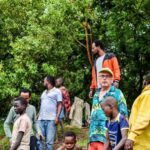

Day 1: Arrival and Initial Impressions in Jinka
Your journey begins with a flight from Addis Ababa (flight ET171, arriving at 13:20). Once you land in Jinka, a friendly driver and guide will meet you at the airport, immediately setting the tone for a trip grounded in local knowledge and hospitality.
After a quick lunch, your first stop is the Jinka Museum, which offers a glimpse into the region’s archaeology, ethnography, and history. While small, the museum provides valuable background, especially for understanding the tribes you’ll encounter later. Following this, you’ll visit the Ari Village, where you can observe one of the region’s most prominent ethnic groups. This initial experience helps bridge the gap between tourist and local, fostering respect and curiosity about the community’s traditions.
Day 2: Tribal Encounters — Mursi, Turmi, and the Hamer
The highlight of this tour is undoubtedly the early morning drive to Mursi Village. Known for their striking lip and ear plates, the Mursi are the most recognizable of the tribes in the Lower Omo Valley. The scene here is compelling — women with large clay discs stretching their lower lips, and men dressed in traditional adornments. We loved the way the guide emphasizes respectful photography and cultural sensitivity, which is crucial when engaging with communities that have long guarded their customs.
After a hearty lunch, your journey continues to Turmi, home of the Hamer tribe. Known for their colorful beadwork and intricate body adornments, the Hamer have a complex social system based on age grades and rituals. Visitors often comment on the vibrant energy during Hamer ceremonies, their body scarification, and the allure of their adornments. As one reviewer notes, “The Hamer women’s necklaces are a riot of color, and the way they decorate themselves is both beautiful and meaningful.”
Day 3: Karo Tribe and Farewell
Your final day begins with a drive to the Karo tribe, the smallest of the Omo communities — only about 1,500 members. What makes Karo special is their face and body painting with chalk and ochre, which they do to enhance their attractiveness and social standing. This visit offers a different perspective on tribal aesthetics and social rituals.
After a quick early lunch in Jinka, you’ll head back to the airport for your return flight to Addis Ababa (flight ET171, departing at 13:50). While the trip is short, it packs a lot into the three days, leaving many travelers saying they gained a much richer appreciation for Ethiopia’s cultural diversity.
More Great Tours NearbyTransportation and Logistics

Transportation is provided in an air-conditioned vehicle, which offers a comfortable ride through the sometimes rugged terrain of the Omo Valley. The tour starts and ends with airport transfers, which simplifies your planning. The schedule’s early mornings mean you’ll need to be prepared for long days but also for the best lighting and fewer crowds at the villages.
Group size isn’t specified, but given the organized nature and guided service, it’s likely to be small or mid-sized, fostering a more intimate experience. The inclusion of all fees and taxes helps clarify the overall cost, making it easier to compare with other options.




Value and Cost Analysis
At $780 per person, this tour covers flights, private transport, guide services, museum entry, and tribe visits. Considering how rare and authentic these encounters are, many travelers find the price reasonable — especially since it minimizes logistical headaches. However, it’s not a budget trip; the focus is on quality, guided experiences rather than backpacker-style DIY.
Authenticity and Cultural Respect
A major strength of this tour, as reflected in reviews, is the emphasis on respectful engagement. Tour organizers seem committed to ensuring visitors appreciate the tribes’ customs without overstepping boundaries. For example, the guide’s advice on photography and behavior helps ensure these visits are respectful rather than intrusive.
Real Traveler Feedback
One reviewer shared, “The tribes are genuinely welcoming, and the guide’s explanations helped me understand their social structures and traditions. It’s not just a photo opportunity — it’s a glimpse into a way of life that’s slowly changing.” Others appreciated the balance of cultural insight and logistical comfort, which allows you to focus on connection rather than stressing over arrangements.
Who Should Consider This Tour?
This trip is best suited for adventurous travelers eager for an authentic cultural experience in Ethiopia, without extensive overland travel. It’s ideal for those comfortable with early mornings and a packed schedule. If you want to see a variety of tribes and gain insight into their customs within a short time, this tour offers great value.
It may not be suited for travelers seeking a slow, relaxed pace or those with mobility issues, given the early starts and village visits. Still, for a concise, well-organized introduction to Oromia’s tribal communities, this tour hits many important marks.
Final Thoughts
The 3 Days Omo Valley Tour offers a glimpse into Ethiopia’s most striking and culturally resilient tribes. It’s a chance to see traditions that have persisted for generations, all within a manageable itinerary that balances comfort with authenticity. While it’s fast-paced, the experience promised — and often delivered — is eye-opening and memorable.
For travelers looking for a guided, structured way to connect with Ethiopia’s diverse tribal peoples, this tour provides good value and a meaningful snapshot of life in one of Africa’s most intriguing regions. Just remember: to truly appreciate the villages, bring a respectful attitude and an open mind—these communities will leave a lasting impression long after the trip ends.
3 Days Omo Valley Tour
FAQ
Is transportation provided from the airport to the hotel?
Yes, a driver and guide will meet you at Bole International Airport in Addis Ababa and transfer you to your hotel. The following day, they will also meet you to start the flight to Jinka.
Are all fees and taxes included in the price?
Yes, the tour price covers all fees and taxes, making it straightforward to understand the total cost before booking.
What’s the main focus of this tour?
The primary focus is on visiting tribes like the Mursi, Karo, and Hamer, providing direct cultural contact and insights into their traditional lifestyles.
Can I customize the itinerary?
The tour is pre-organized, but you can book now and reserve your spot with the flexibility of paying later, or cancel up to 24 hours in advance for a full refund.
How long are the village visits?
While specific visit durations aren’t detailed, expect early mornings, full days of travel and visits, and a schedule designed to maximize your time with each community.
Is this tour suitable for all ages?
Given the early starts and quick pace, it’s best suited for fit, adventurous travelers. Children or those with mobility issues might find it challenging.
What should I bring for the tribal visits?
Comfortable clothes, respectful photography gear, and a respectful attitude are essential. Remember, these are living communities, not a zoo.
Is there an opportunity to buy souvenirs?
While not explicitly mentioned, local tribes often sell handmade jewelry and crafts, so you might find some memorable keepsakes.
How authentic are these tribal encounters?
The tour emphasizes respectful engagement, allowing genuine interaction with traditional communities that maintain their customs despite outside influence.
In all, this trip offers an authentic, guided peek into Ethiopia’s remarkable tribal mosaic. It’s a chance to witness customs that have persisted through time, all while traveling comfortably and efficiently — perfect for those eager to see Africa’s vibrant cultural tapestry in a compact package.
You can check availability for your dates here: