This experience made our article of 9 Of The Best Tours & Things To Do In Jinka.
- A Genuine Look at Ethiopia’s Omo Valley Tribal Tour
- Key Points
- Exploring the 4-Day Itinerary
- Day 1: Arrival and the Ari Tribe
- Day 2: From Jinka to Turmi with Market Visits
- Day 3: The Nyangatom and Karo Tribes
- Day 4: Mursi Women and Cultural Reflection
- Transportation, Accommodation, and Guide Quality
- What about timing and group size?
- Analyzing the Cost and Overall Value
- Who Will Love This Tour?
- The Sum Up
- FAQ
- The Best Of Jinka!
- More 4-Day Experiences in Jinka
- More Tours in Jinka
- More Tour Reviews in Jinka
A Genuine Look at Ethiopia’s Omo Valley Tribal Tour
 1 / 7
 2 / 7
 3 / 7
 4 / 7
 5 / 7
 6 / 7
 7 / 7
If you’re dreaming of traveling beyond the standard tourist trail and into one of Africa’s most captivating cultural landscapes, this Four Days Omo Valley Tribal Tour from Jinka might just be what you’re looking for. While I haven’t personally taken this exact journey, the detailed itinerary and glowing reviews suggest it offers an authentic, immersive experience of Ethiopia’s last wilderness.
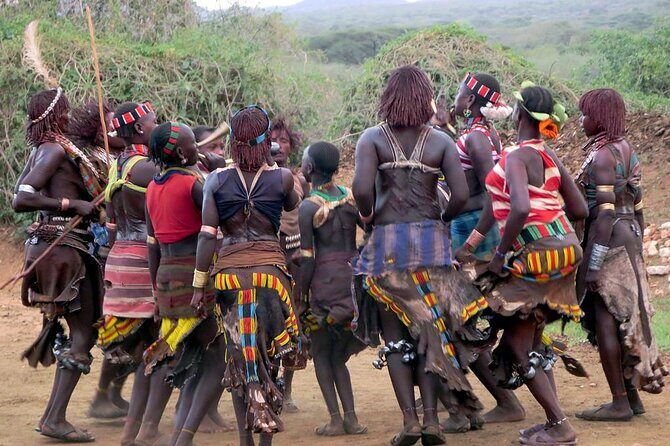
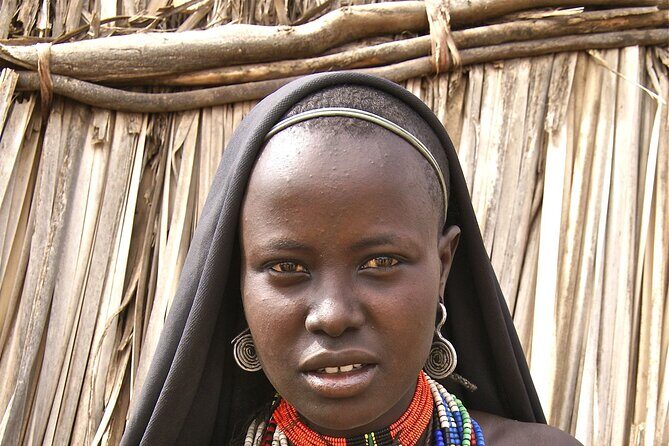
What makes this tour stand out? First, it’s the opportunity to visit multiple tribes—including the Ari, Hamar, Bena, Nyangatom, Kara, and Mursi—each with distinct customs, dress, and rituals. Second, the chance to witness tribal markets and possibly bull jumping, a ritual for Hamar men, promises a once-in-a-lifetime insight into local traditions.
A possible consideration? The trip involves plenty of driving and walking on uneven terrain, which requires a moderate level of physical fitness. It’s not suited for those expecting luxury or a completely relaxed pace. But if you’re eager for genuine cultural encounters, this tour offers a substantial dose of Ethiopia’s tribal heritage in just four days.
Overall, it’s best suited for travelers who value cultural authenticity, are adventurously curious, and want a balanced mix of guided sightseeing and personal exploration.
👉 See our pick of the 9 Of The Best Tours & Things To Do In Jinka
Key Points
- Authentic Cultural Encounters: Visiting tribes with unique customs and traditional dress
- Diverse Highlights: Markets, rituals like bull jumping, and body painting demonstrations
- Group Size & Comfort: Private transportation and a professional guide ensure a smooth experience
- Cost & Value: At $600 per person, it provides a comprehensive, well-organized glimpse into tribal Ethiopia
- Physical Demands: Moderate fitness needed for walking and exploring rugged terrain
- Authentic Experience: The tour emphasizes genuine interactions over touristy performances
You can also read our reviews of more tours and experiences in Jinka

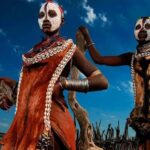
Exploring the 4-Day Itinerary
Day 1: Arrival and the Ari Tribe
The journey begins in Jinka, where your guide will pick you up from the airport or a designated location. From there, you settle into your hotel, such as Nassa Pension, and prepare for your first taste of tribal Ethiopia. The highlight is visiting the Ari tribe, Ethiopia’s largest lower Omo valley community.
The Ari women are easy to spot, often wearing skirts crafted from Enset, a false tree that’s central to their textile traditions. These women are also skilled potters, and their craftsmanship adds a tangible dimension to your understanding of their daily life. Reviews emphasize the friendliness of the Ari, with one traveler noting, “Our guide brought us close to their daily routines, making it feel real.”
Day 2: From Jinka to Turmi with Market Visits
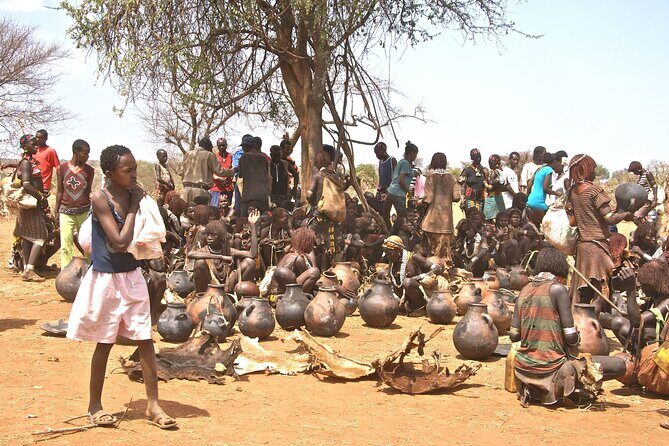
A three-hour drive takes you from Jinka to Turmi, a hub for the Hamar tribe. Along the way, you’ll visit a colorful tribal market—on specific days of the week, such as Thursday in Key Afer, Tuesday in Alduba, or Saturday in Dimeka. These markets are bursting with traditional textiles, jewelry, and livestock, offering a lively scene where tribespeople barter in vibrant surroundings.
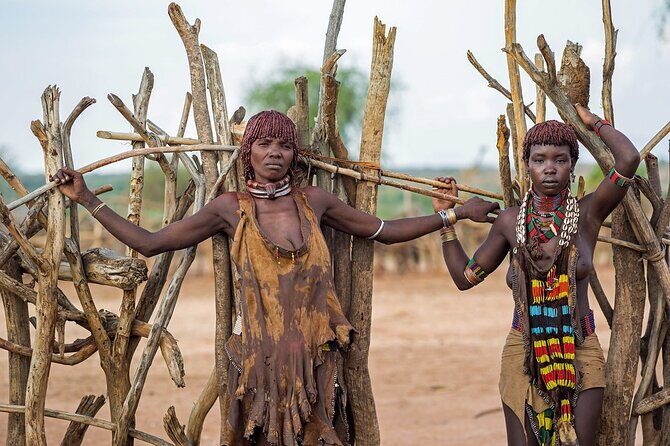
In the late afternoon, you’ll explore the Hamar village. Known for their bull jumping ceremony—an important rite of passage marking full adulthood—this ritual can be mesmerizing. If lucky, you might witness the event, which involves young men leaping over a line of bulls to prove their bravery. One reviewer recalls, “Seeing the bull jumping was a surreal experience—such a raw and powerful tradition.”
Day 3: The Nyangatom and Karo Tribes
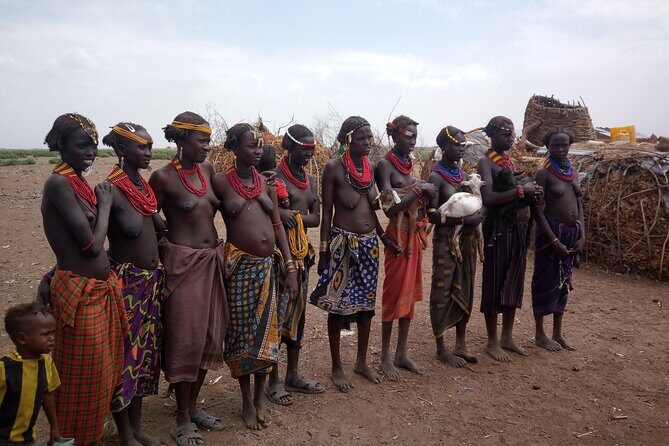
Your day starts with a scenic drive to Kangaten, a small border town where the Nyangatom tribe resides. These semi-nomadic people wear goatskin skirts and are renowned for their elaborate necklaces, which add to their striking appearance. The visit offers a glimpse into a lifestyle that balances tradition with mobility, shaped by the landscape and border proximity.
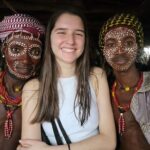
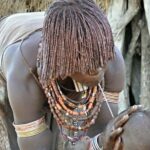
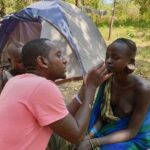
Next, you’ll head to Karo village, famous for body painting and decoration—a true craft mastered by this small tribe. Travelers often comment on how the Karo display their culture through vibrant facial and body art, which they see as a form of storytelling and identity.
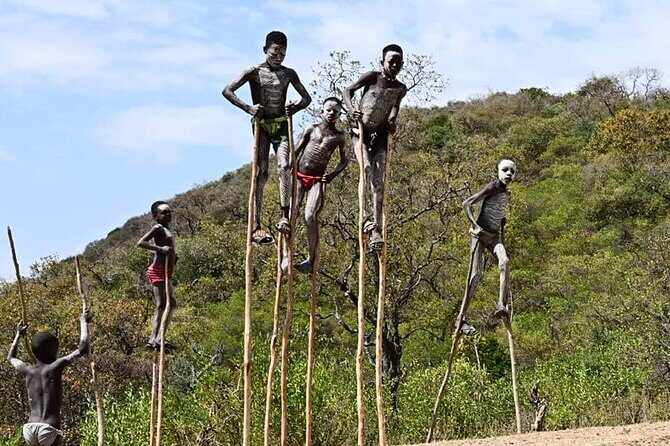
After a hearty lunch in Turmi, the journey continues with a stop to see stick-walking boys from the Bena tribe. These boys demonstrate incredible agility, walking on high wooden sticks—a performance that symbolizes their strength and discipline. One reviewer appreciated this unique sight, noting, “It’s a skill you won’t see anywhere else, and it’s fascinating to watch.”
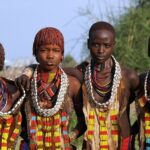
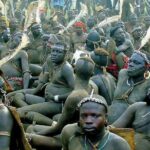
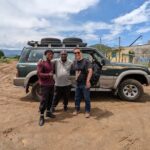
Day 4: Mursi Women and Cultural Reflection
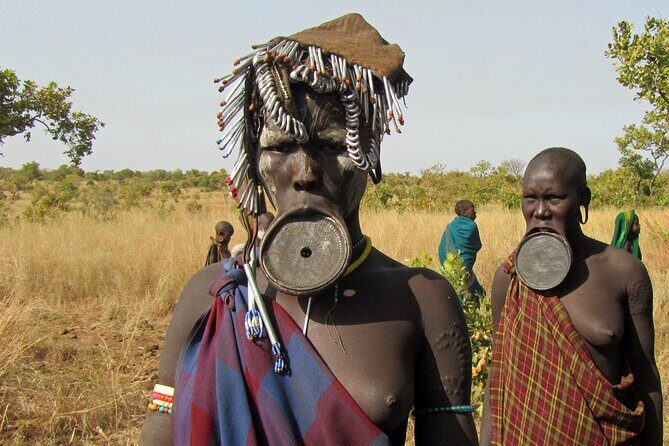
The final day takes you into Mago National Park to visit the Mursi tribe, famous for their lip plates—a striking tradition where women wear large, circular discs in their lower lips. The larger the plate, the more beautiful the woman is considered, a concept both intriguing and challenging to understand from a Western perspective.
The visit is often a highlight, as travelers marvel at the boldness of this custom. One reviewer remarked, “The Mursi women’s lip plates are startling at first, but it’s a symbol of beauty and status for them.”
After this immersive experience, you’ll head back to Jinka to visit the South Omo Research Center or Jinka Museum. These institutions provide additional context on tribes you didn’t visit or want to learn more about, including short documentaries detailing rites of passage and daily life.
Finally, your trip concludes with transportation back to the airport for your flight to Addis Ababa or your next destination.
Transportation, Accommodation, and Guide Quality
This tour includes private transportation throughout, ensuring you travel comfortably between stops without the hassle of public transport. The accommodation—such as Nassa Pension—offers basic but clean facilities with breakfast included, making mornings straightforward after adventurous days.
The guide is a core part of this experience. Reviews highlight their knowledgeable explanations and friendly attitude, which help you understand the significance of each ritual or tradition you observe. Having a professional guide enriches the experience, transforming simple sightseeing into meaningful cultural engagement.
What about timing and group size?
The tour operates with a pickup at 8:00 am, allowing you to maximize each day. Because it’s a private experience, only your group participates, leading to a more personalized, flexible itinerary. The 4-day duration is designed to balance seeing multiple tribes without rushing, but be prepared for long days of travel and walking.
Analyzing the Cost and Overall Value
At $600 per person, this tour delivers a comprehensive package that includes transport, accommodation, admission fees, and guiding services. Compared to the cost of organizing similar visits independently—driving, booking local guides, finding reliable transportation—this package offers good value.
The reviews are unanimous about the quality of the experience—“Our tour was carefully planned, and the guides made it feel genuine,” says Zekerijah Z. The inclusions, especially the cultural insights provided by knowledgeable guides, make this a worthwhile investment for those eager to understand Ethiopia’s tribal diversity.
Who Will Love This Tour?
This experience is ideal for adventurous travelers who crave authentic cultural interactions over polished tourist attractions. It suits those with moderate physical fitness, as exploring villages and walking on varied terrain are part of the journey.
It’s also perfect for curious minds interested in anthropology, anthropology enthusiasts, or anyone wanting to see Ethiopia’s last wilderness with a trusted guide. If your idea of travel is to connect with real communities and witness age-old traditions firsthand, this tour checks all those boxes.
The Sum Up
This 4-day Omo Valley tribal tour offers an immersive, well-organized look into some of Ethiopia’s most remarkable indigenous cultures. The chance to visit multiple tribes—each with their own traditions, dress, and rituals—means you come away with a deeper appreciation for human diversity.
You’ll love the knowledgeable guides who bring the culture alive, and the stunning scenery and vibrant markets that form the backdrop of this adventure. The tour’s value lies in its ability to pack so much into just four days, giving an authentic taste of life in Ethiopia’s most remote regions.
While it’s physically demanding, the experience is profoundly rewarding for those eager to see cultures that are disappearing fast. It’s perfect for open-minded travelers who believe that the best trips are those that challenge and inspire.
In short, this tour is a rare opportunity to witness the resilience and beauty of Ethiopia’s tribal communities—without sacrificing comfort or authenticity.
Four Days Omo Valley Tribal Tour From Jinka
FAQ
Is transportation included in the tour?
Yes, the tour includes private transportation throughout the entire four days, making travel between sites comfortable and efficient.
What kind of accommodation should I expect?
You’ll stay at a hotel like Nassa Pension, which offers basic but clean rooms with breakfast included.
Do I need to arrange my own guide?
No, the tour comes with a professional guide who knows the area and the tribes well, enhancing your understanding of local customs.
Are meals included?
Breakfast is included, but lunch and dinner are not. You can purchase food locally, often at your stops or in towns.
Can I expect to see rituals like bull jumping?
Bull jumping is a seasonal ritual, so availability depends on the timing of your visit. If it occurs during your stay, you’ll have the chance to witness this powerful rite of passage.
What is the physical effort involved?
Moderate physical activity is required—walking on uneven terrain, visiting villages, and possibly participating in short hikes. Travelers should have a moderate fitness level.
How far in advance should I book?
Most bookings are made about 56 days in advance, so planning ahead ensures availability and proper preparation.
This tour offers a rare, intimate look at Ethiopia’s tribal life, perfect for adventurous spirits eager for genuine cultural encounters and unforgettable scenery.