
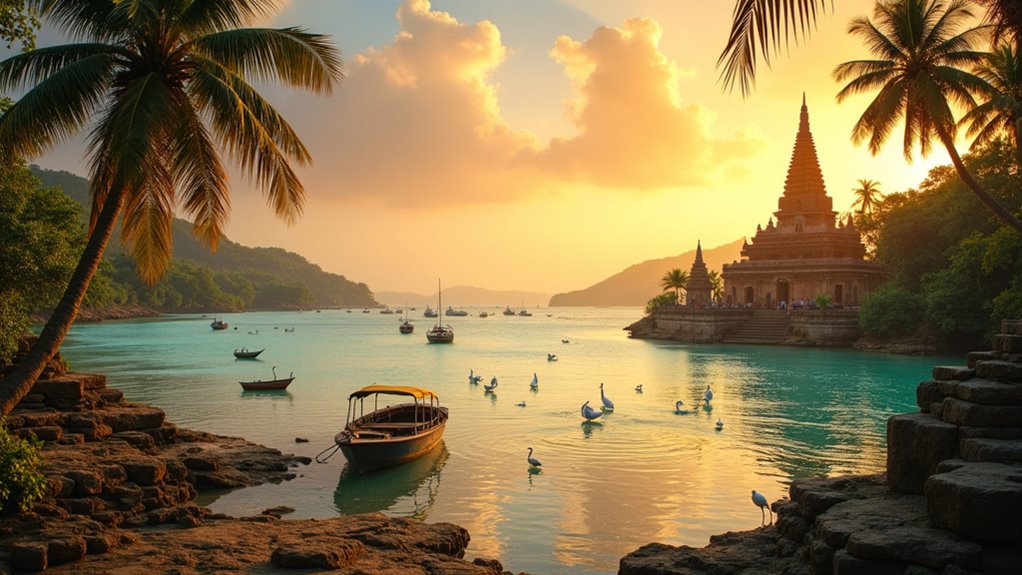
Hambantota’s southern coastline offers travelers an impressive mix of wildlife encounters, cultural discoveries, and natural wonders that won’t break the bank. This lesser-known region provides affordable access to leopard safaris, ancient temples, therapeutic hot springs, and elephant sanctuaries—all within a compact area that’s easy to navigate. While most visitors rush to Sri Lanka’s popular western beaches, those who venture to Hambantota discover eight remarkable experiences that showcase the island’s authentic charm without the typical tourist crowds.
- Spot Leopards and Wildlife at Yala National Park
- Relax in Natural Hot Springs at Mahapelessa
- Experience Drive-Through Safari at Ridiyagama Safari Park
- Explore Ancient Buddhist Temples and Monasteries
- Discover Bird Watching Paradise at Kalametiya Sanctuary
- Visit Elephant Orphanage at Udawalawe National Park
- Learn Agriculture at Agro Technology Park
- Take Boat Rides Along Walawa River
Spot Leopards and Wildlife at Yala National Park
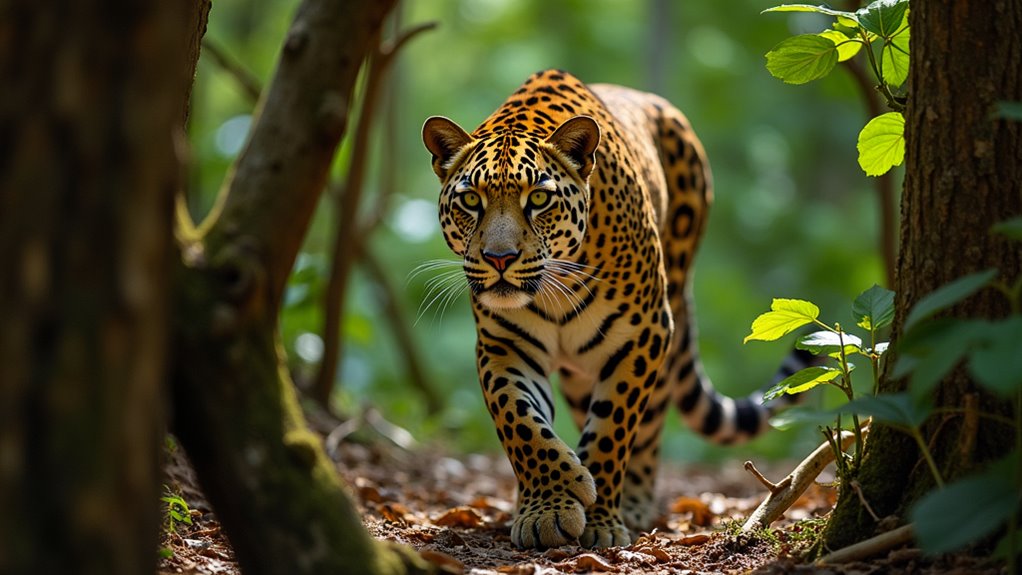
While many national parks around the world struggle with declining leopard populations, Yala National Park boasts the highest density of these magnificent cats per square kilometer globally. Visitors can spot the unique Sri Lankan leopard subspecies alongside elephants, sloth bears, crocodiles, and colorful peacocks in the park’s dry lowland habitat.
Block 1 offers the best leopard-spotting opportunities, though advance booking is required. Local guides share real-time sighting information and know where these elusive cats rest in trees or sunbathe on rocks.
Early morning and late afternoon safaris provide ideal viewing conditions when leopards are most active. The park hosts 44 mammal species and 215 bird species, making it a biodiversity hotspot beyond just leopard sightings. Like the famous Old Quarter districts found in historic Asian cities, Yala’s Block 1 represents the heart of the park’s wildlife activity.
Half-day safaris are budget-friendly options, though multiple trips increase wildlife encounter chances. Patient visitors are often rewarded with incredible sightings in this world-renowned leopard sanctuary.
Relax in Natural Hot Springs at Mahapelessa
Tucked away between Sooriyawewa and Ridiyagama amid sprawling paddy fields, Mahapelessa Hot Springs offers budget travelers a unique geothermal bathing experience that’s still relatively unknown to most international visitors. Located 24-35 kilometers from Hambantota town, these natural springs feature water at varying temperatures of 30, 40, and 45 degrees Celsius.
Hot water bubbles from the source into a central tank before dispersing to surrounding pools, allowing visitors to choose their preferred temperature as water gradually cools. The large natural spring maintains consistent levels even with crowds, and bucket showers provide the primary bathing method. Swimming isn’t permitted, but the mineral-rich water offers an invigorating, relaxing experience that’s perfect for unwinding after exploring Yala National Park. Like other renowned thermal destinations that offer imperial experiences, these springs provide a culturally enriching escape from typical tourist activities. Reading through visitor reviews can provide valuable insights and tips from others who have experienced these therapeutic springs firsthand.
Experience Drive-Through Safari at Ridiyagama Safari Park
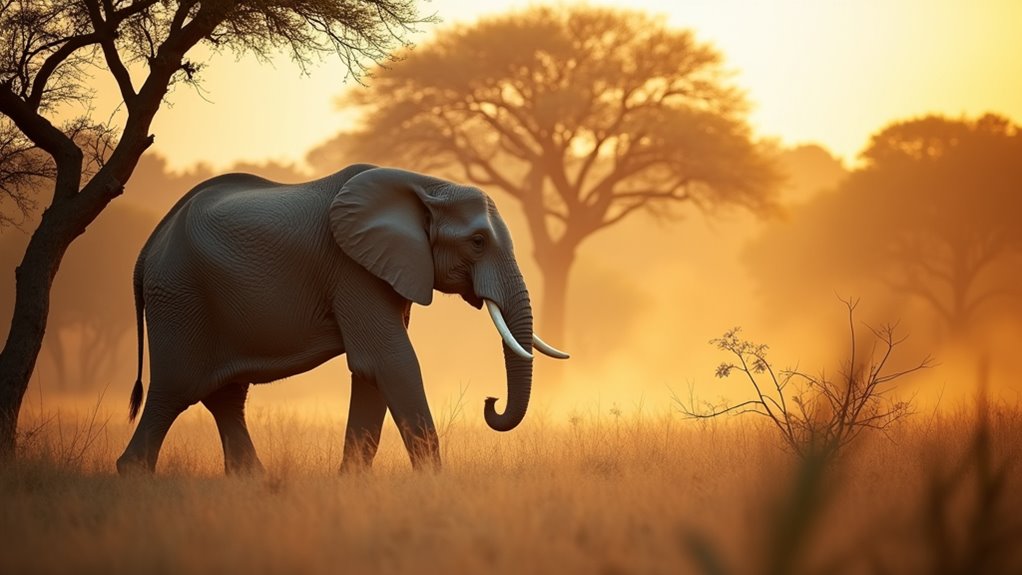
Since opening in 2016, Ridiyagama Safari Park has given budget-conscious travelers their first taste of African-style safari adventures without leaving Sri Lanka. Located 200km southeast of Colombo, this 500-acre drive-through park houses lions, tigers, leopards, elephants, giraffes, zebras, and hippos across six distinct zones.
Visitors can choose between affordable common bus tours or private jeep experiences for around LKR 5,000. The park operates daily from 8am to 6pm, with animals most active during mornings and afternoons.
Caged vehicles ensure safety while providing close-up wildlife encounters. The open enclosures are designed to mimic natural habitats, creating an authentic wildlife experience for visitors.
The facility includes parking, picnic spots, and viewing platforms. Beyond entertainment, Ridiyagama focuses on conservation education, making it perfect for families seeking both adventure and learning opportunities in Hambantota’s growing eco-tourism scene. Similar to how Kaohsiung combines harbour views with cultural attractions, Hambantota offers this unique blend of wildlife adventure and coastal accessibility.
Explore Ancient Buddhist Temples and Monasteries
Beyond wildlife encounters, Hambantota’s spiritual heritage runs deep through ancient Buddhist temples that have weathered over two millennia. Sithulpawwa Rock Temple, nestled within Yala National Park, stands as the crown jewel of this sacred landscape.
Founded in the 2nd century BCE by King Kavantissa, this remarkable monastery once educated future kings and housed enlightened monks.
Visitors can explore cave temples adorned with ancient murals depicting Buddha’s life, wander through meditation chambers carved into rock faces, and climb to the summit stupa for breathtaking panoramic views. Like the famous Terracotta Warriors of China, these sacred sites offer glimpses into ancient civilizations and their remarkable preservation techniques.
Stone inscriptions reveal fascinating historical details about royal patronage and monastery life. The name Sithulpawwa derives from the Pali term meaning “hill of the quiet mind”, reflecting its ancient purpose as a meditation retreat for spiritual seekers.
The temple remains active today, offering travelers a chance to experience authentic Buddhist practices while discovering Sri Lanka’s rich spiritual legacy in an incredibly affordable setting.
Discover Bird Watching Paradise at Kalametiya Sanctuary
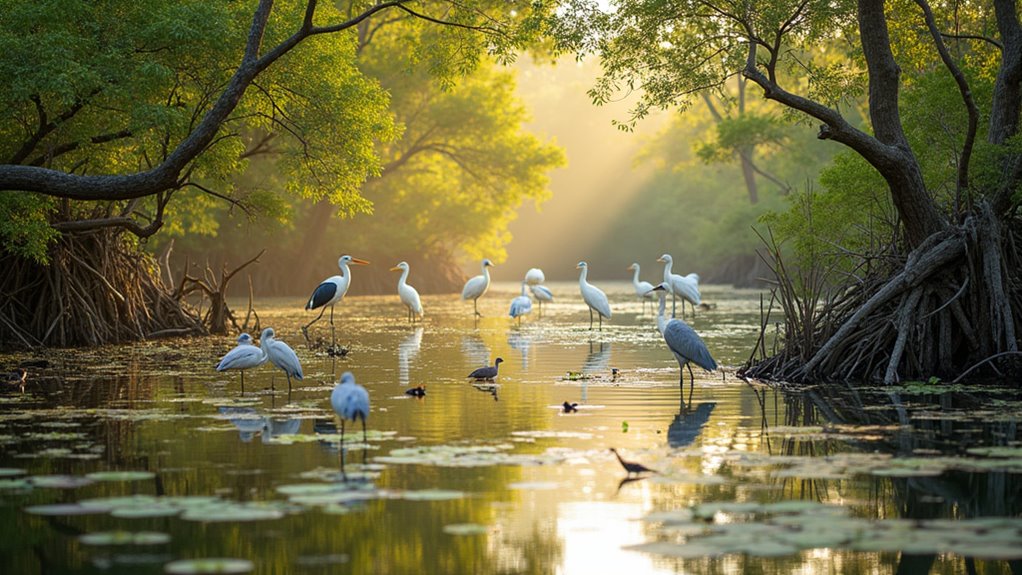
Where else can budget travelers witness over 150 bird species in their natural habitat for just the price of a boat tour? Kalametiya Sanctuary, Sri Lanka’s oldest bird sanctuary established in 1938, offers exactly that experience along Hambantota’s southeastern coast.
Visitors can explore 700-2,500 hectares of coastal wetlands via affordable traditional paddled boats or catamarans. The 2-2.5 hour guided tours include binocular lending and expert bird identification from local guides.
Winter months (November-April) bring migratory plovers, terns, ducks, and sandpipers, while resident species like painted storks, pelicans, and egrets remain year-round. The sanctuary supports breeding colonies of pelicans, herons, and egrets alongside its diverse population of wintering waterfowl.
The sanctuary’s easily accessible from Hambantota, Tangalle, or Matara by public transport. Early morning or late afternoon tours provide ideal wildlife viewing and photography opportunities without breaking the budget. Much like Singapore’s hawker centres offer authentic local experiences for budget-conscious travelers, Kalametiya provides an affordable way to connect with Sri Lanka’s natural heritage.
Visit Elephant Orphanage at Udawalawe National Park
After spotting magnificent birds in their natural wetland habitat, travelers can witness another of Sri Lanka’s beloved wildlife species at the Elephant Transit Home in Udawalawe National Park. Located just 45-60 minutes from Hambantota by car or tuk-tuk, this ethical orphanage rehabilitates baby elephants for eventual wild release.
For only 500 LKR per person, visitors observe feeding sessions from a safe platform at 9am, 12pm, 3pm, and 6pm. The facility houses 40-60 orphaned calves who roam freely without chains, with minimal human contact to prepare them for independence.
Since 1995, over 200 elephants have been successfully released back into Udawalawe National Park. The center operates with funding from the Born Free Foundation, ensuring continued support for this vital conservation work. Like other spectacular destinations known for their dramatic limestone cliffs, Sri Lanka’s landscape provides the perfect natural sanctuary for these magnificent creatures.
Visit weekdays to avoid crowds, and expect a heartwarming hour watching playful calves while supporting genuine conservation efforts.
Learn Agriculture at Agro Technology Park
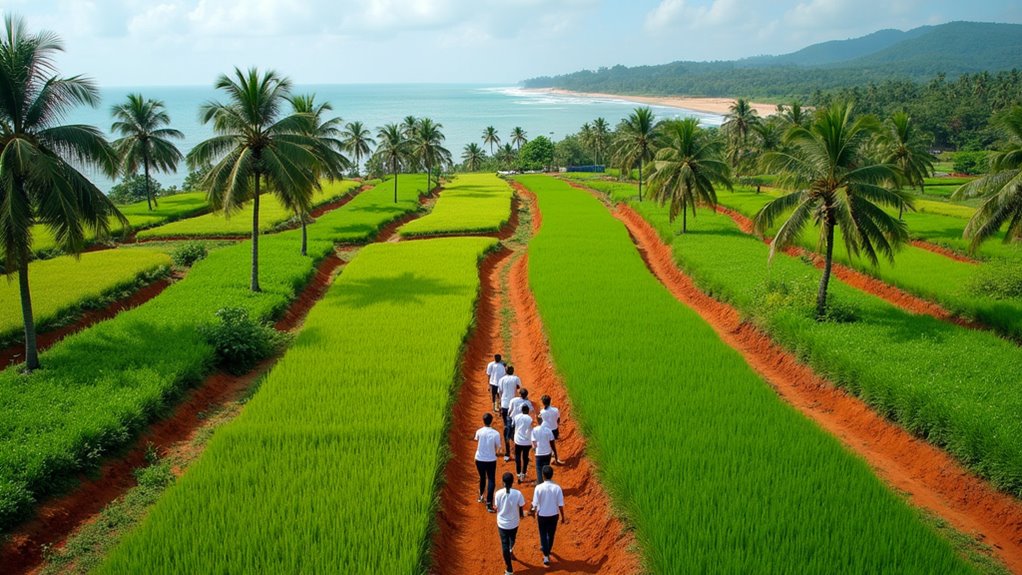
While most visitors come to Hambantota for beaches and wildlife, the region’s Agro Technology Park offers a fascinating glimpse into Sri Lanka’s agricultural innovation just off the Hambantota-Tangalle Road. This 50-acre educational hub demonstrates both traditional and modern farming techniques through live crop displays featuring vegetables, fruits, herbs, and spices native to the dry zone.
Visitors can explore interactive exhibits showcasing sustainable farming practices, irrigation technologies, and rare horticultural species. The park’s floriculture garden, herbal plots, and model clay house demonstrate eco-friendly approaches to agriculture and construction. Signs provide detailed information about plant varieties, cultivation methods, and crop yields. The entrance is marked by an impressive agrarian monument featuring two clasped hands that symbolize the bond between farmers and agriculture.
At just Rs. 20 entrance fee, it’s budget-friendly entertainment that’s particularly valuable for families with curious children. The on-site “Hela Bojun Hala” serves authentic Sri Lankan meals prepared by local villagers. The park offers an educational journey that mirrors the agricultural diversity found throughout Thailand’s regions, providing visitors with insights into farming practices across different climatic zones.
Take Boat Rides Along Walawa River
Beyond exploring Hambantota’s agricultural innovations, visitors can experience the region’s rich aquatic ecosystems through boat rides along the Walawa River. These 1.5 to 2-hour tours showcase six mangrove varieties supporting 52 fish species, 72 bird species, and 28 animals including monkeys, water buffaloes, and occasional crocodiles.
Early morning or late afternoon departures maximize wildlife sightings, with knowledgeable guides explaining local ecology while visitors photograph white-bellied sea eagles and sleeping bats. Tours typically include invigorating king coconut water and visits to the scenic river-sea junction.
Priced between $18-$50, these community-operated safaris run daily from 7 AM to 6 PM with flexible booking through local operators. The award-winning eco-tourism initiative supports conservation efforts while providing safe, educational experiences that benefit local communities and preserve this unique mangrove habitat. While Sapporo celebrates winter with its famous snow festival, Hambantota offers year-round aquatic adventures in tropical warmth. The journey begins with a Tuk-Tuk ride to Ambalantota before boarding the boat for the river safari adventure.