
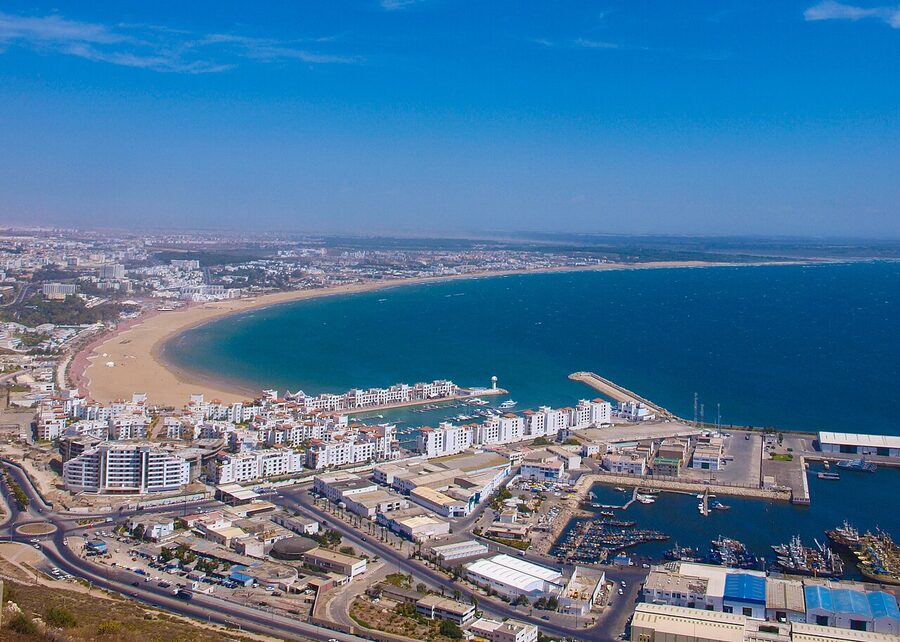
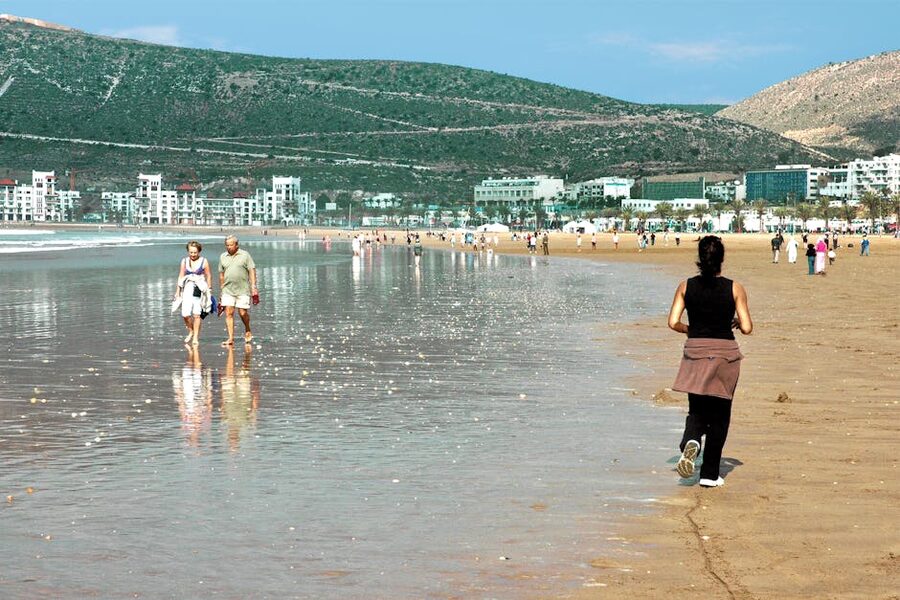
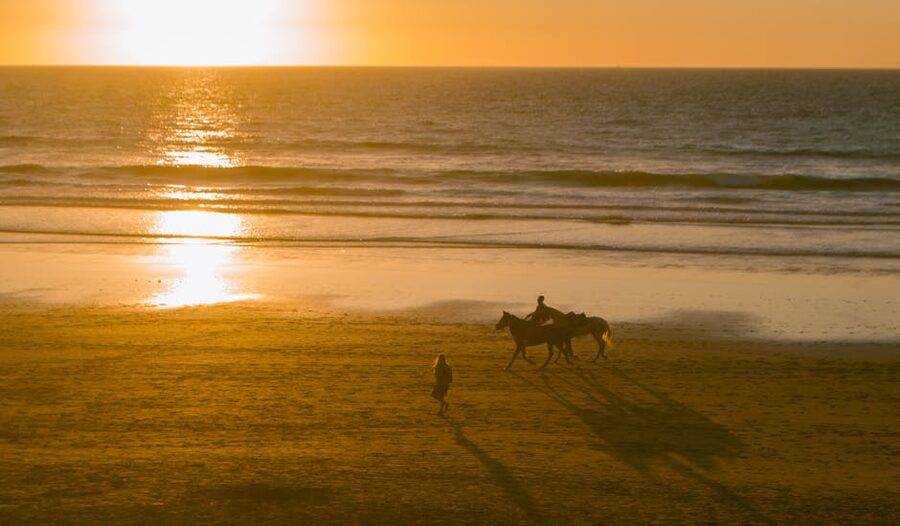
Agadir is Morocco’s beach resort — 300 days of sunshine, 10-kilometre Atlantic beach, 22°C average temperature, and a restaurant-bar strip that caters to Northern European winter escapees. It’s the least “Moroccan” of Morocco’s major cities, which is either a feature or a bug depending on what you came for.
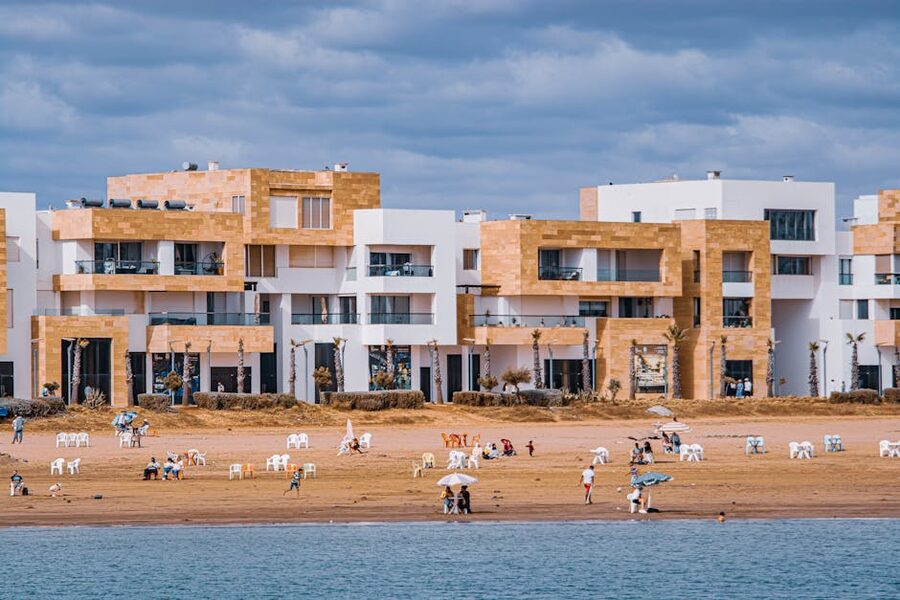
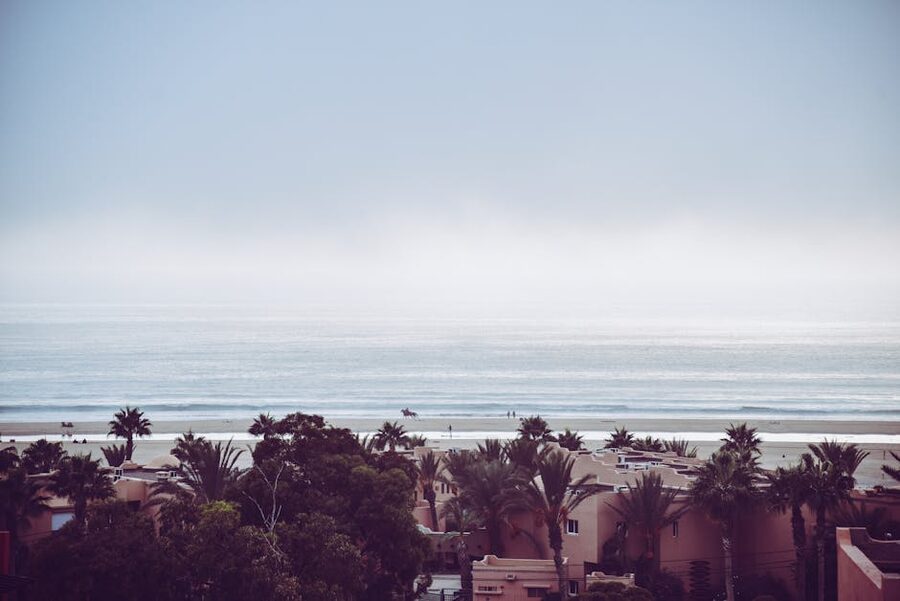
The city was completely rebuilt after a 1960 earthquake that destroyed it. What you see today is 1960s-70s modernist urban planning — wide boulevards, apartment blocks, resort hotels. Think Spanish Costa del Sol, not medieval medina.

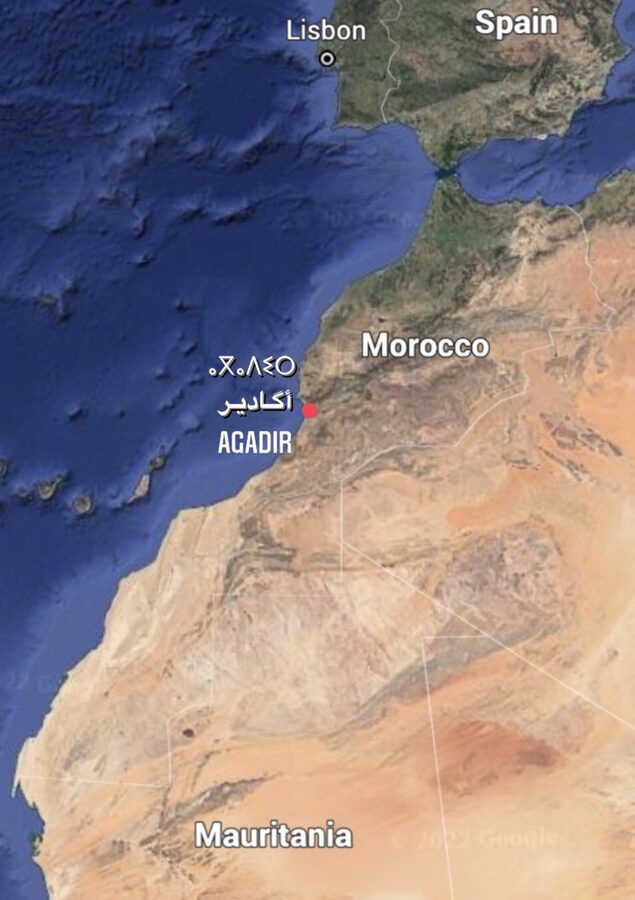
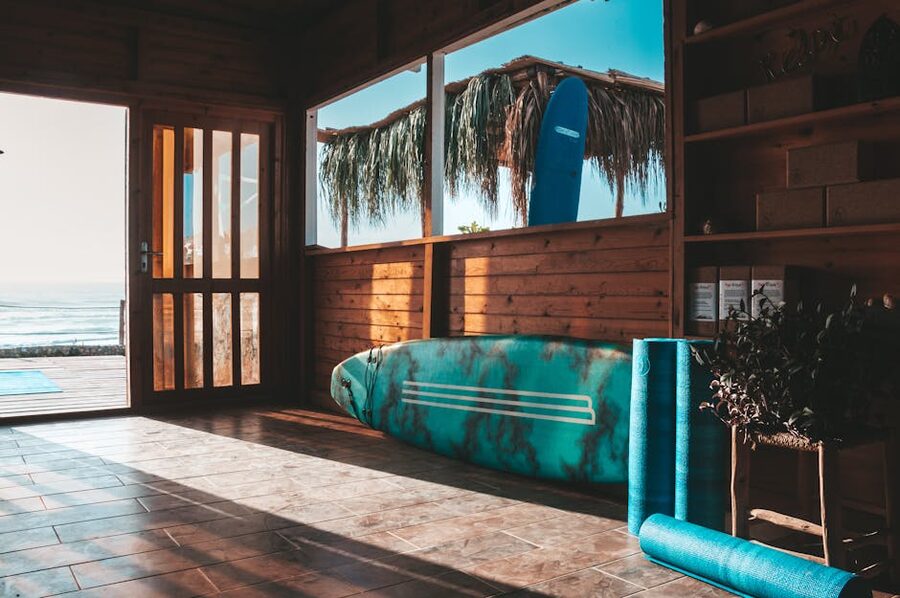
Taghazout, 20km north, is the opposite — a former fishing village transformed by the international surf scene. Where Agadir has resort hotels, Taghazout has surf shacks and yoga retreats. Together they form Morocco’s beach-and-adventure pair.
Tour prices range from $16 for the Paradise Valley trip up to $41 for a desert quad safari. Surf lessons in Taghazout run $24 for 2 hours — the cheapest way to learn to surf in the Atlantic.
In a Hurry? Our Top Picks
Best value — 383 four-star reviews. Paradise Valley canyon hike with swimming and breakfast.
5-star rated with 371 reviews. ATV tour through the Moroccan pre-desert with pickup included.
Surf lesson at Panorama Beach with board and wetsuit included. Perfect for beginners.
- Agadir — The Beach City
- Taghazout — The Surf Village
- Surfing in Taghazout
- Paradise Valley
- Our Recommended Tours
- 1. Paradise Valley Guided Tour with Swimming & Breakfast —
- 2. Desert Quad Bike Safari with Hotel Pickup —
- 3. Taghazout 2-Hour Surf Lesson —
- When to Go
- Practical Tips
- Agadir and Taghazout vs Other Morocco Destinations
- Getting There
- Is Agadir Worth a Visit?
- Building Agadir Into Your Morocco Trip
Agadir — The Beach City
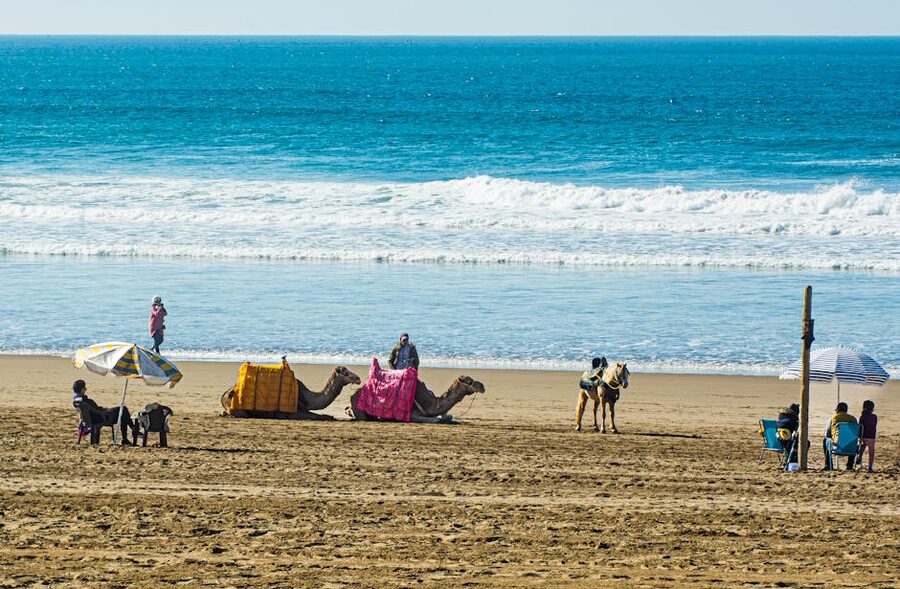
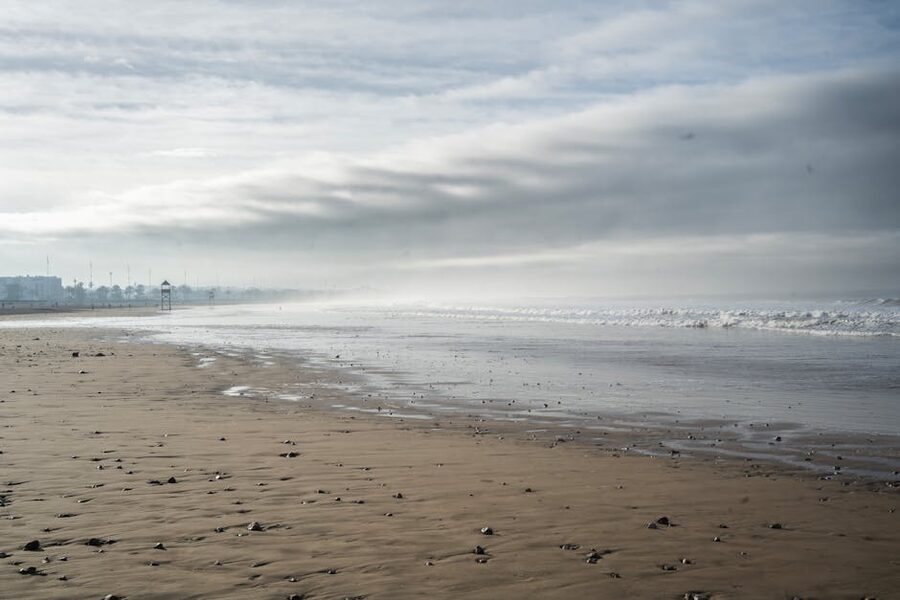
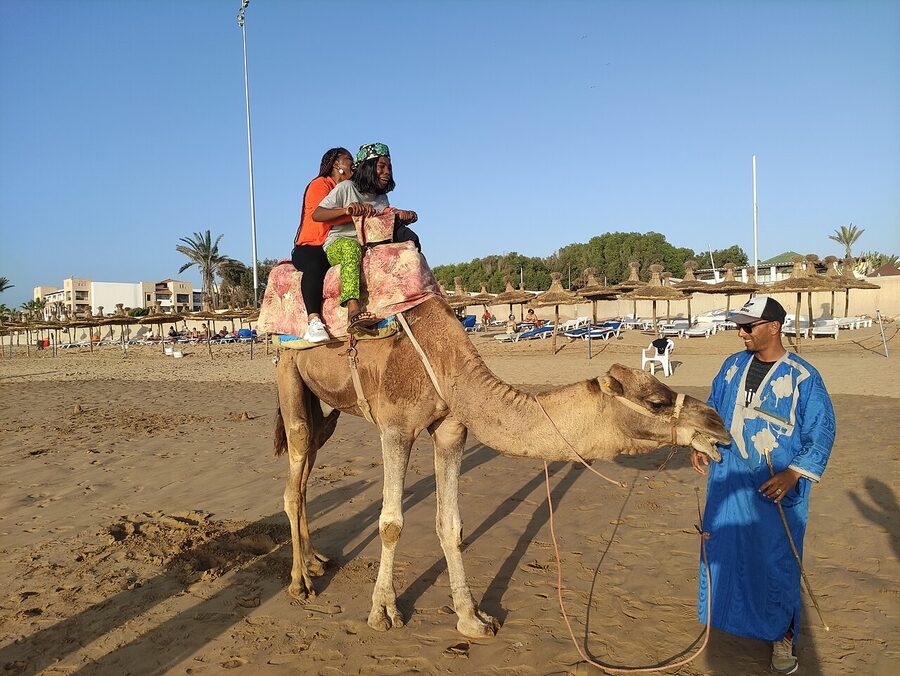
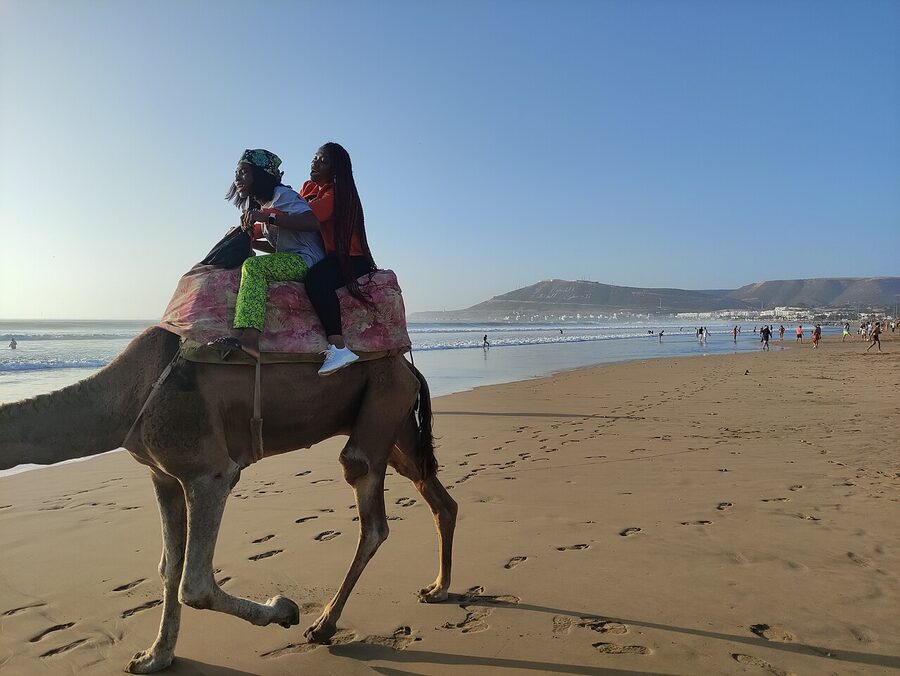
Agadir’s appeal is straightforward: sun, sand, safety. It’s the easy Morocco for visitors who want beach days without the medina chaos. The beach runs 10 kilometres, is well-maintained, and has lifeguards.



Taghazout — The Surf Village
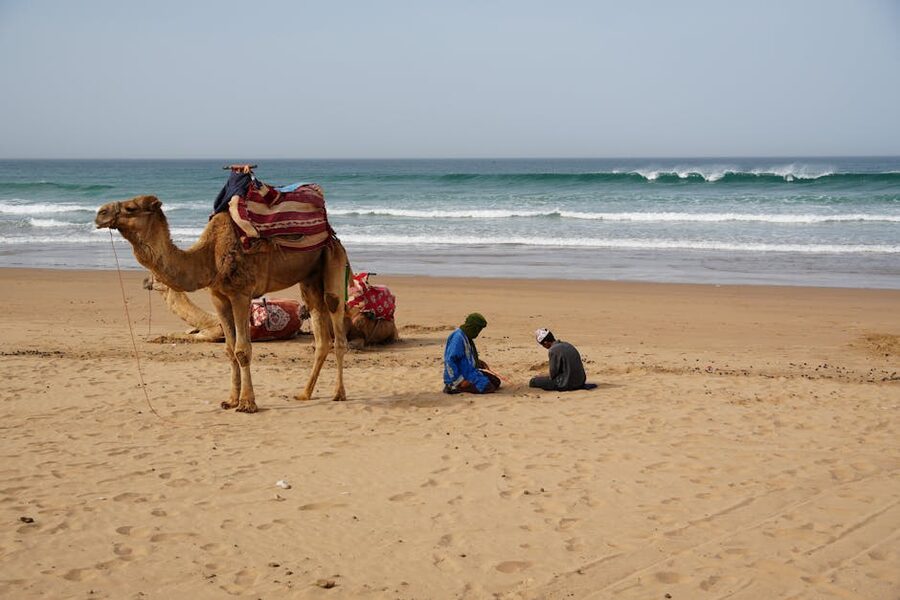
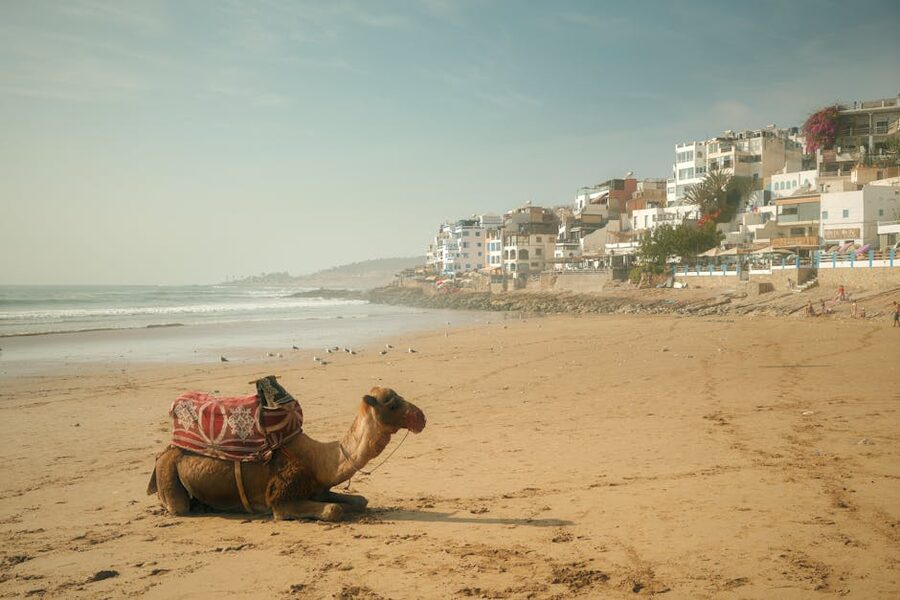
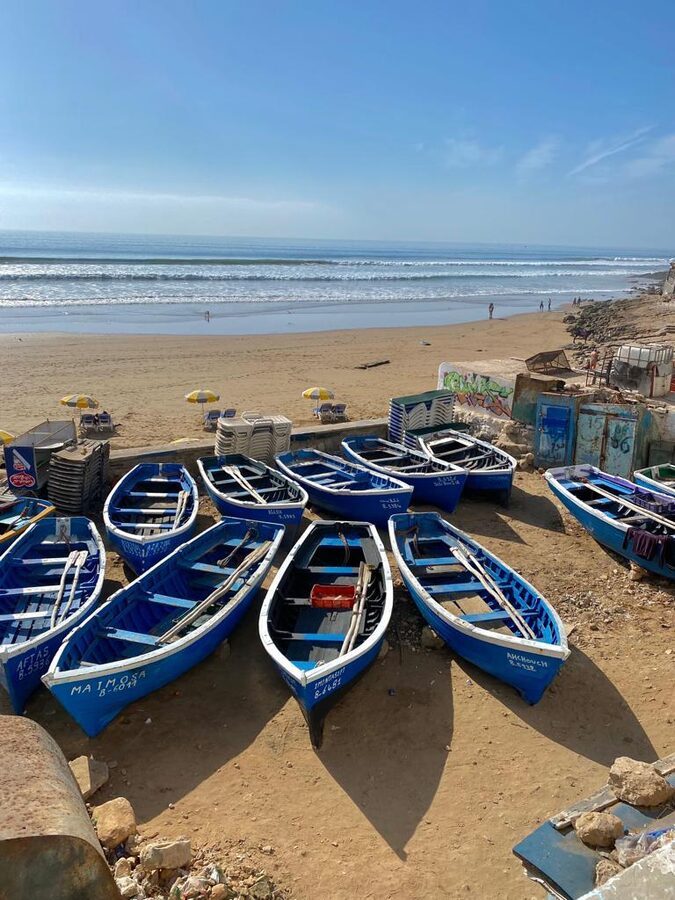
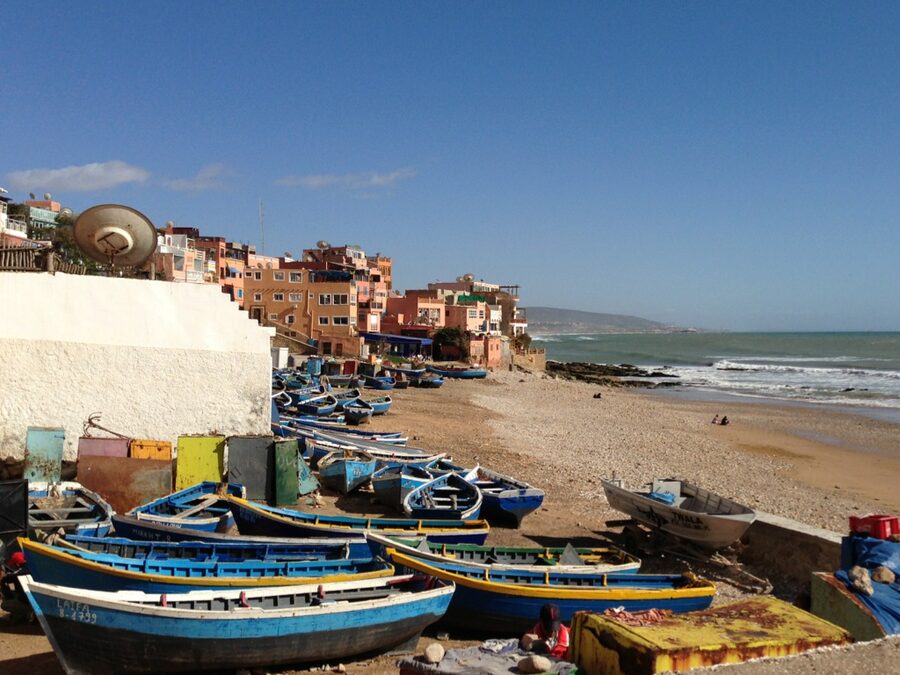
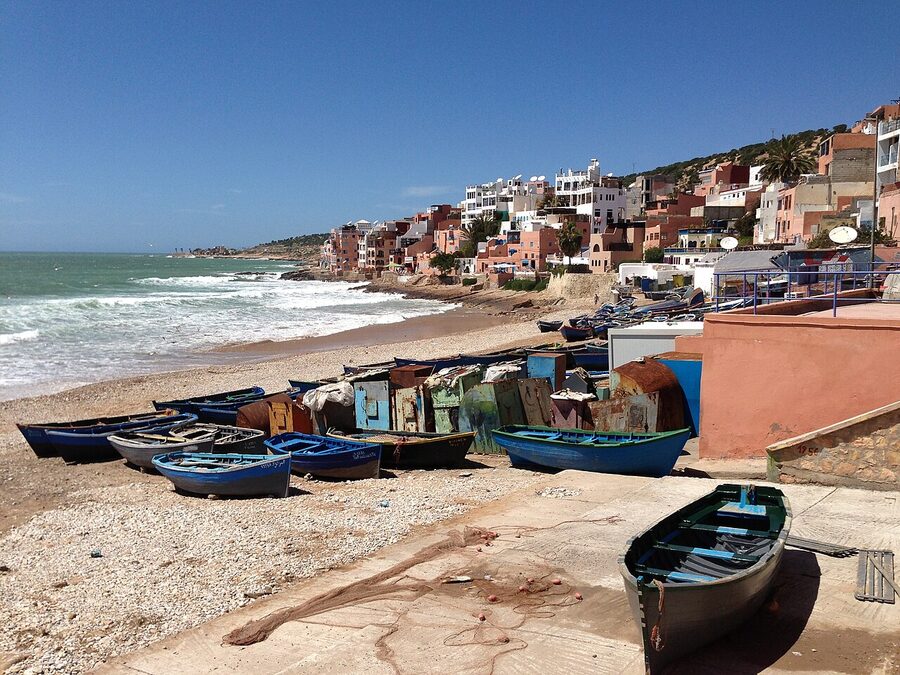
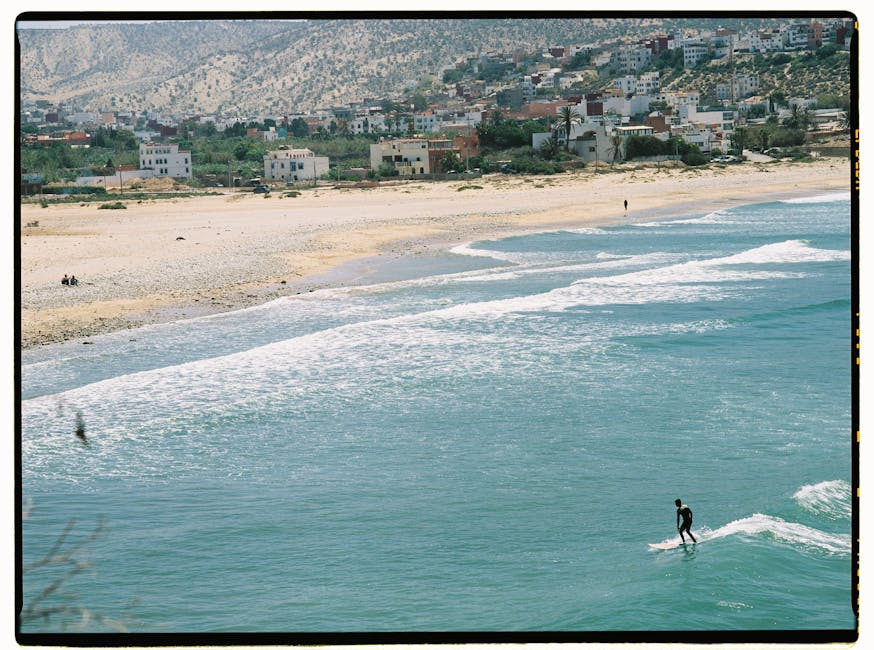
Taghazout is a different Morocco — a small fishing village (population 5,000) that became a surfing destination in the 1960s and has since absorbed international surf culture without losing its Amazigh fishing identity.

.jpg)
.jpg)
.jpg)


Surfing in Taghazout
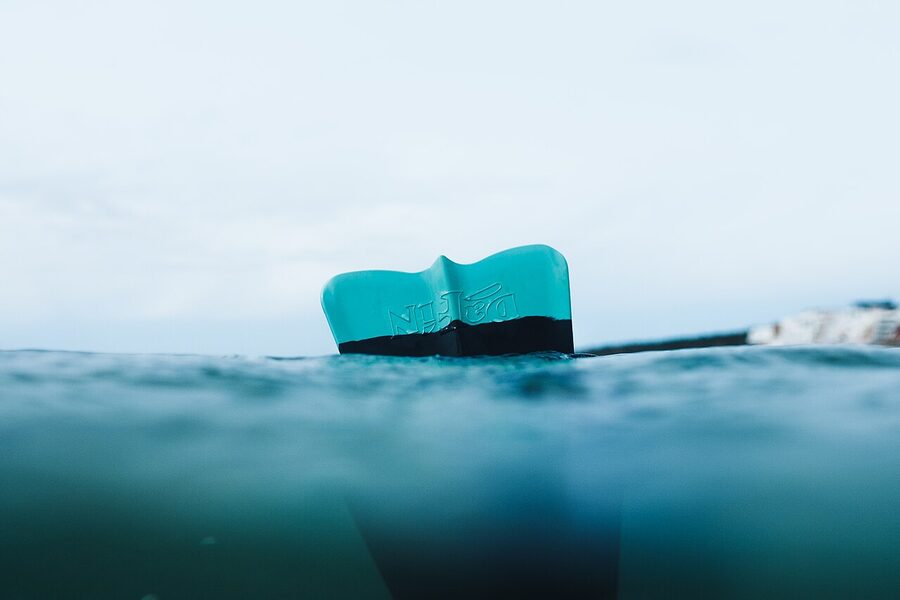
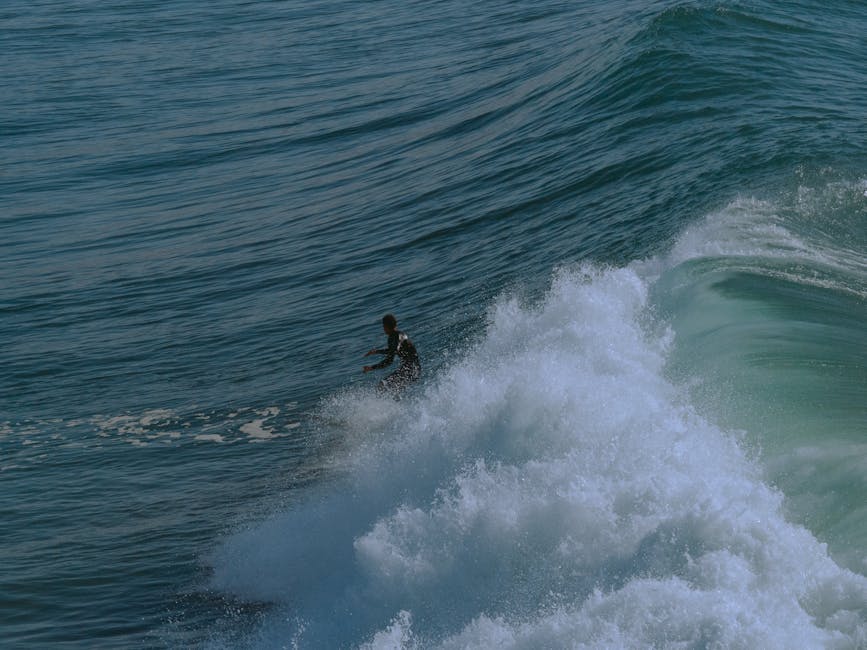
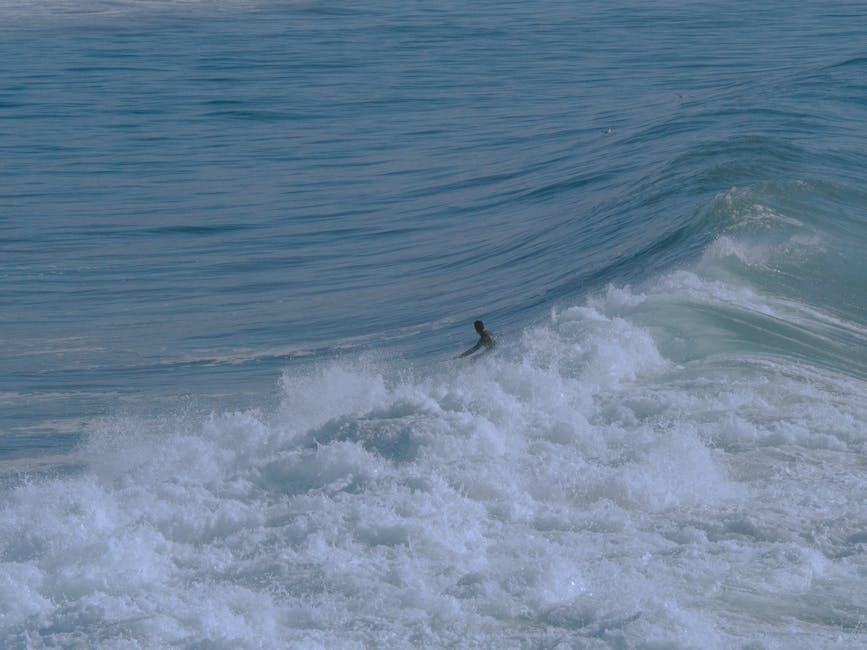
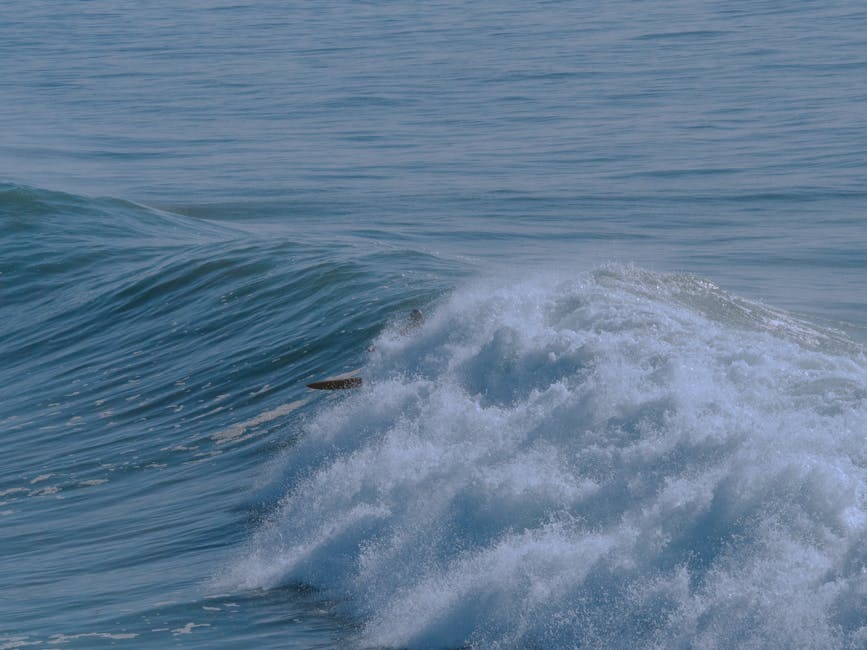
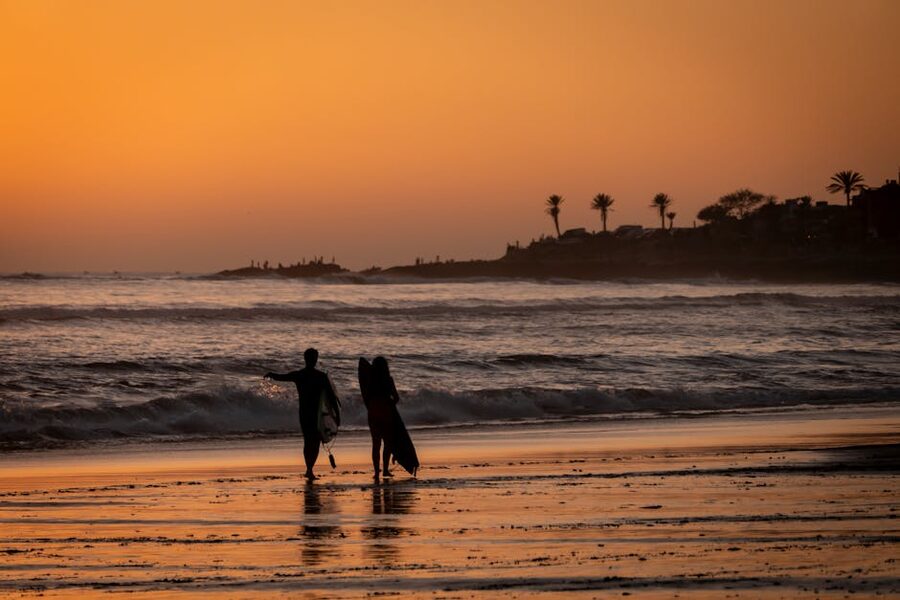
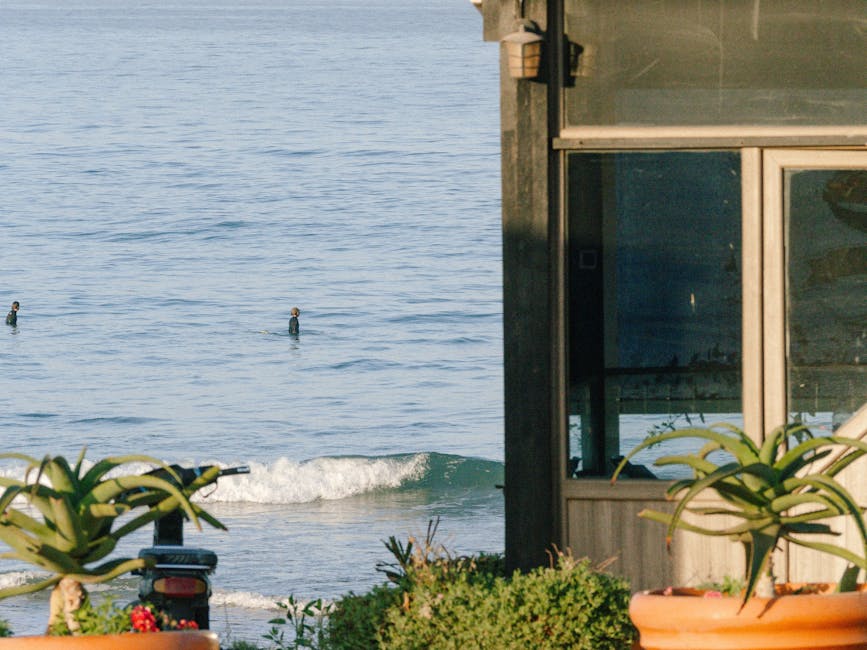
Taghazout has become Morocco’s surf capital. The break quality is genuinely world-class in winter — long-period swells from North Atlantic storms produce reliable 6-12 foot waves from October through March.
Paradise Valley
Paradise Valley is a canyon 40 minutes inland from Agadir — a river-carved oasis with natural swimming pools, palm trees, and jumping rocks. It’s the most popular Agadir day trip for a reason: genuinely spectacular in spring when water flows, and 10°C cooler than the coastal plain.
The hike from the road to the main pools takes 30-45 minutes, passing waterfalls and smaller plunge pools. Bring swimwear, sun protection, and sturdy shoes — the path is rocky. The bigger pools are 4-5 metres deep; local teens cliff-jump from the surrounding rocks.
Our Recommended Tours
1. Paradise Valley Guided Tour with Swimming & Breakfast — $16
Most-reviewed Agadir day trip — 383 reviews at 4.5 stars. Morning pickup, drive to Paradise Valley through the Atlas foothills, hike to the main pools, swimming time, traditional breakfast at a Berber-run café, return to Agadir.
At $16, this is one of the best-value day trips in Morocco. Our full review of Paradise Valley tour covers the hike difficulty and what to bring.
2. Desert Quad Bike Safari with Hotel Pickup — $41
Top-rated Agadir adventure tour with 371 reviews. 2.5-hour ATV ride through the Moroccan pre-desert — beaches, dunes, rocky terrain, forest. Hotel pickup included. Beginner-friendly with brief training before the main ride.
Worth the $41 if you want adrenaline with your Atlantic holiday. Our review of this quad safari covers the route, terrain, and safety briefing.
3. Taghazout 2-Hour Surf Lesson — $24
Beginner-friendly 2-hour surf lesson at Taghazout’s Panorama Beach. Board and wetsuit included. Max 4-6 students per instructor. By the end most beginners are standing on small waves.
At $24, this is among the cheapest surf lessons in any serious surf destination globally. Our full review of this surf lesson covers what to expect, what to wear, and whether to book morning or afternoon.
When to Go
October-March (surf season): Best for surfing (big swells). Comfortable temperatures (18-24°C). Some rain in winter but mild overall. Best Paradise Valley conditions due to water flow.
April-May (shoulder): Warm (22-26°C). Good for beach and outdoor. Paradise Valley still has water. Crowds lower than summer.
June-September (summer): Hot (28-32°C). Best for beach holidays. Paradise Valley can be dry. Surfing less reliable (smaller waves).
Practical Tips
Resort hotel vs village accommodation. Agadir has big resort hotels on the beach. Taghazout has small surf hotels and guest houses. Completely different vibes — pick based on what you want.
Car rental is useful. If you’re spending a week exploring the region, a rental car at Agadir airport is worth it. The coastal road is beautiful and public transport between stops is limited.
Bring sun protection. Atlantic coast light is deceptively strong even when overcast. SPF 30+ daily; reapply every 3 hours. Sunglasses essential.
Paradise Valley packing. Swimwear under clothes, quick-dry towel, sturdy shoes, water bottle, sunscreen, small bag for wet clothes. Photography: phones work fine; protect them from water.
Surf considerations. Summer waves are small (fine for beginners). Winter is when real surfing happens (experienced surfers only). Wetsuit year-round — even summer water is 18-20°C.
Seafood expectations. Agadir and Taghazout both have excellent seafood. Tagines are sardine or white fish-based rather than meat. Grilled fish is cheaper and fresher than you’d pay in interior Morocco.
Agadir and Taghazout vs Other Morocco Destinations
vs Essaouira: Essaouira is the cultural coastal experience (walled medina, fishing port). Agadir is the resort-coast experience (modern, beach). Taghazout is the surf-culture experience. Three different Moroccan Atlantic stops.
vs Casablanca: Casablanca is urban Atlantic with the Hassan II Mosque. Agadir is suburban Atlantic with beaches. Both have coast, neither has cultural depth of interior Morocco.
vs Marrakech Medina: Opposite experiences. Marrakech is medieval medina chaos; Agadir is modern beach resort calm. Many visitors pair the two — Marrakech for culture, Agadir for rest.
vs Sahara Tour: Sahara is the 3-day desert experience. Agadir is the beach-and-surf alternative. Different entirely; pick based on what you came for.
vs Atlas Mountains Hike: Atlas is mountain hiking. Paradise Valley (from Agadir) is canyon swimming. Both are outdoor activities but different terrains.
Getting There
By air: Agadir Al Massira Airport. Direct flights from most European cities. Low-cost carriers run heavy winter schedules.
From Marrakech: 3 hours by car via the A7 motorway. Daily CTM bus service (4 hours, 100 MAD). Private transfers arrangeable.
From Casablanca: 6 hours by car. Full-day drive; better to fly or take overnight train.
Agadir to Taghazout: 20 minutes by car. Local buses run regularly (15 MAD). Plenty of taxis.
Is Agadir Worth a Visit?
Depends on your Morocco priorities. If you want medinas, medieval architecture, and traditional Moroccan culture: skip Agadir, go to Marrakech or Fez.
If you want beach, sun, surf, and a western-style resort holiday with a Moroccan twist: Agadir is the best option in Morocco for that. The Paradise Valley tour and Taghazout surf lessons add enough distinctive content to justify several days here.
Building Agadir Into Your Morocco Trip
Best structure: main inland trip first (Marrakech, Fez, Sahara), then finish in Agadir for beach recovery. That way you get the culturally intense portion when you’re fresh and the beach relaxation when you’re tired.
Standalone surf trip: 7-10 days in Taghazout is a legitimate holiday category. Morning surf, afternoon yoga, evening sunset, repeat. Add a Paradise Valley day and maybe a trip to Essaouira for variety.
For variety day trips from Agadir: Paradise Valley, Imouzzer cascades, Taroudant (the “small Marrakech”), or Agadir’s own Kasbah ruins. For bigger adventures, Marrakech is 3 hours away for a city day, and a 3-day Sahara tour can be arranged from Agadir with longer transit. End the Agadir leg with a hammam session on your return to Marrakech — the post-beach skin loves the exfoliation.