
The Ourika Valley is where locals go when Marrakech gets hot. An hour south of the city, the road climbs into the High Atlas, the air drops 10 degrees, and by the time you reach Setti Fatma the river is loud enough to drown out conversation. It’s the easiest escape from the medina you can make.
I’ve done this trip twice — once as a packaged day tour with a guide who pulled us into every pottery shop on the way, and once self-driven in a rented Dacia Duster. Both work, but they deliver very different days. This guide covers what to pick based on your group and pace.
Below I’ll cover three Ourika Valley tours worth booking, what to expect at Setti Fatma’s waterfalls, the Berber village stops, and how to skip the tourist trap carpet shops on the way back.
- Three Ourika Valley Tours Worth Booking
- What You Actually See in a Day
- Tour #1 — Ourika Valley Waterfall, Lunch and Guided Hike (Budget Pick)
- Marrakech: Ourika Valley Waterfall and Guided Hike — per person
- Tour #2 — From Marrakech: Setti Fatma and Ourika Valley Tour with Lunch (Standard)
- Setti Fatma and Ourika Valley Tour with Lunch — per person
- Tour #3 — Day Trip to Ourika Valley and Setti Fatma Waterfalls (Private)
- Day Trip to Ourika Valley and Setti Fatma Waterfalls — .84 per person
- Setti Fatma and the Seven Waterfalls
- The Berber House Stop — What It Really Is
- The Argan Cooperative Stop
- When to Go — The Best Season
- What to Wear and Pack
- Comparison: Ourika vs Other Marrakech Day Trips
- The Drive Itself — What to Notice
- Wildlife and What to Look For
- Fitting Ourika Into a Marrakech Trip
- Frequently Asked Questions
- My Bottom Line
Three Ourika Valley Tours Worth Booking
Group tours to Ourika range from $10 for a basic half-day shuttle to $140+ for a private full-day with lunch. My picks cover a budget option, a mid-range shared tour with the waterfall hike, and a private tour if you want pace control.
My budget pick is the $10 Marrakech Ourika Valley Waterfall, Lunch and Guided Hike — unbeatable price for what’s included. For the most volume and trust, the $29 From Marrakech: Setti Fatma and Ourika Valley Tour with Lunch is the consensus pick with 674 detailed responses. If you want a private trip, book the $25.84 Day Trip to Ourika Valley and Setti Fatma Waterfalls.
Pickup from your Marrakech riad is included on all three. Budget 7-9 hours for the full day — most tours leave around 9am and return 4-5pm.
What You Actually See in a Day
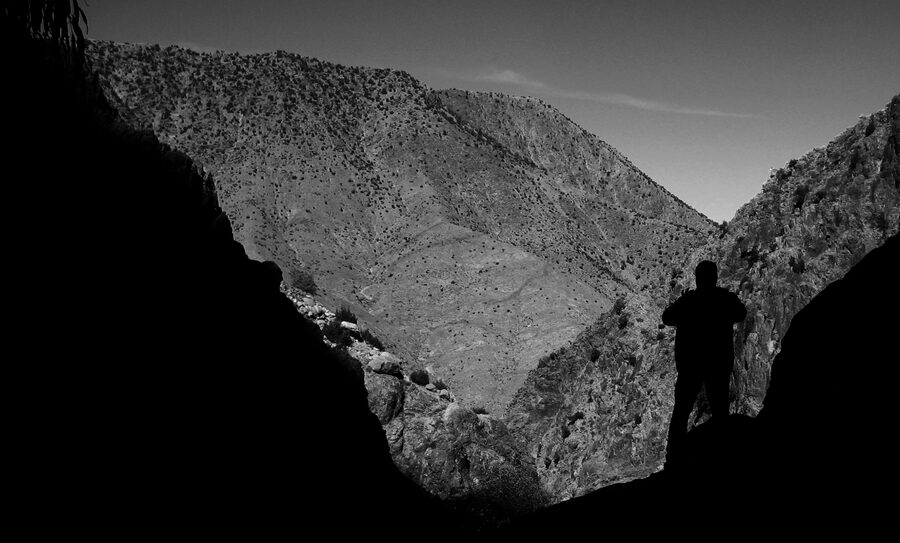
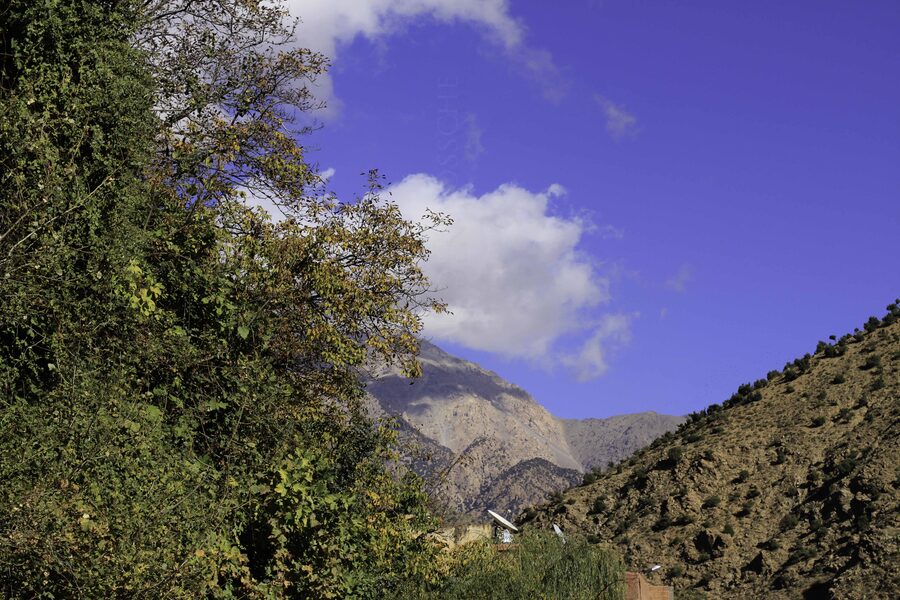
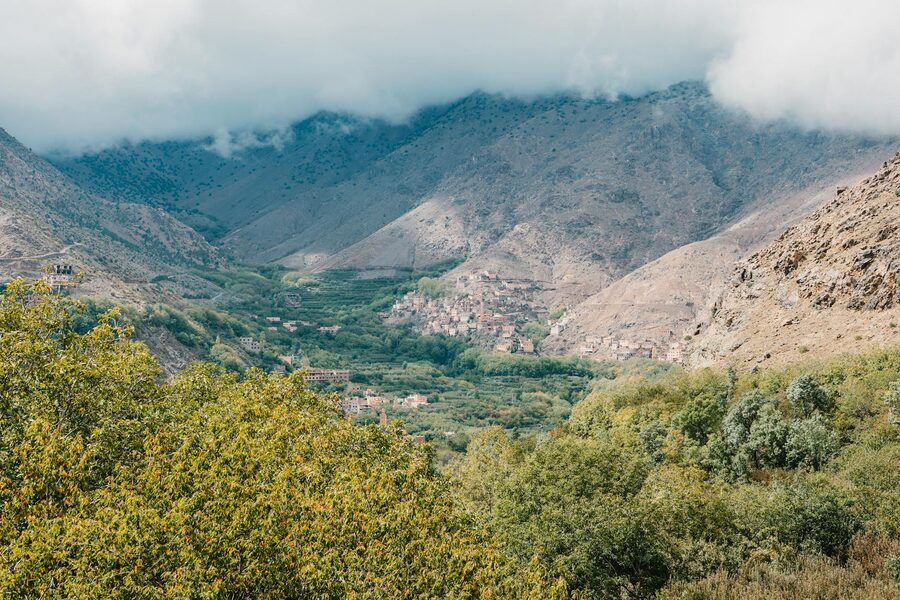
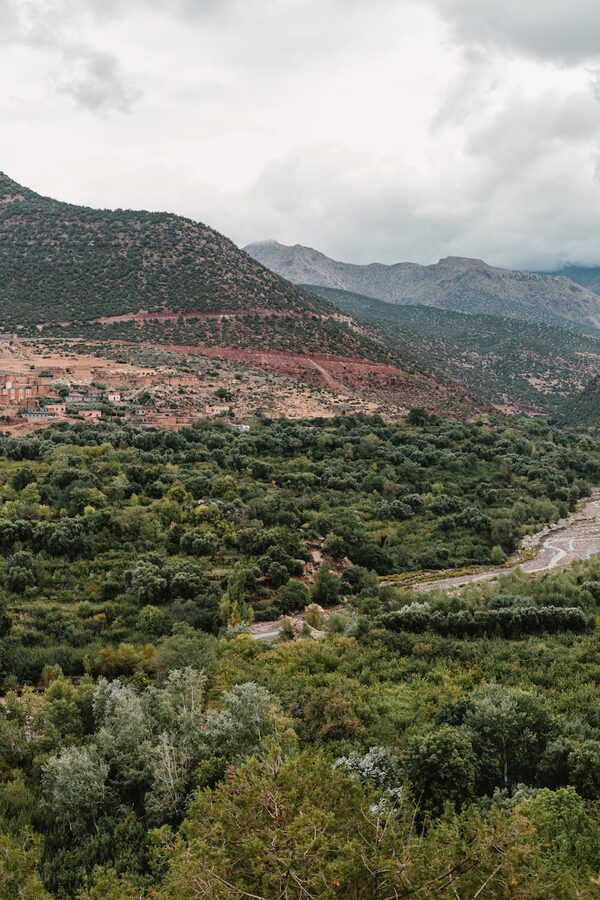
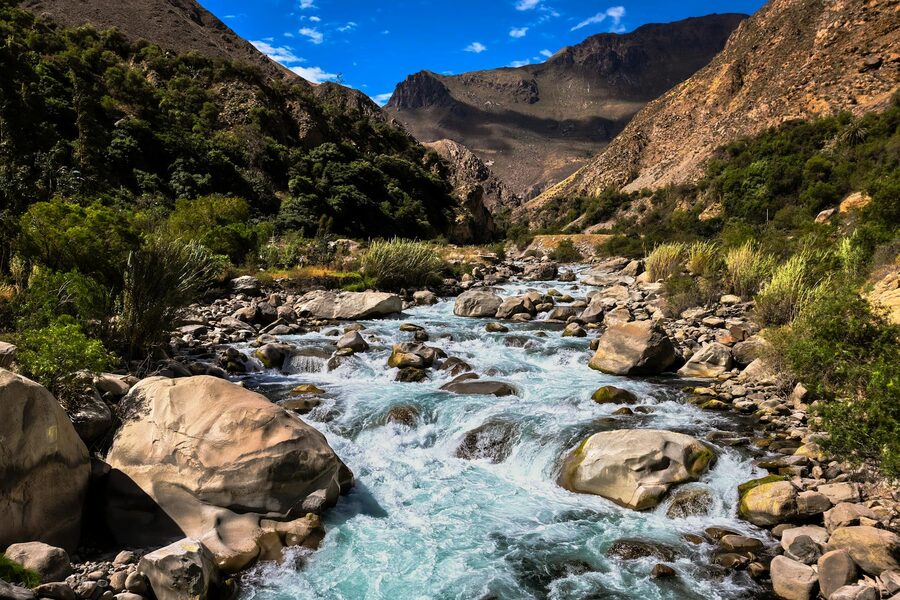
The drive from Marrakech is 60-90 minutes depending on your exit point. The road follows the Ourika River upstream into the Atlas, and the scenery shifts from dusty plains to red-rock foothills to alpine meadows within an hour.
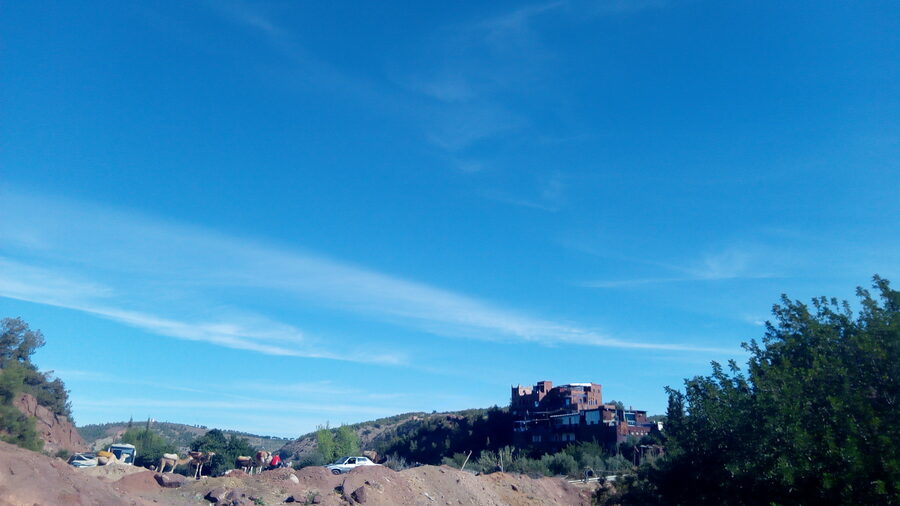
Typical tour stops include: an argan oil cooperative (usually first, on the way out), a Berber house visit (tea with a family in a traditional home), the pottery village at Tnine Ourika, and finally Setti Fatma for the waterfall hike and riverside lunch.
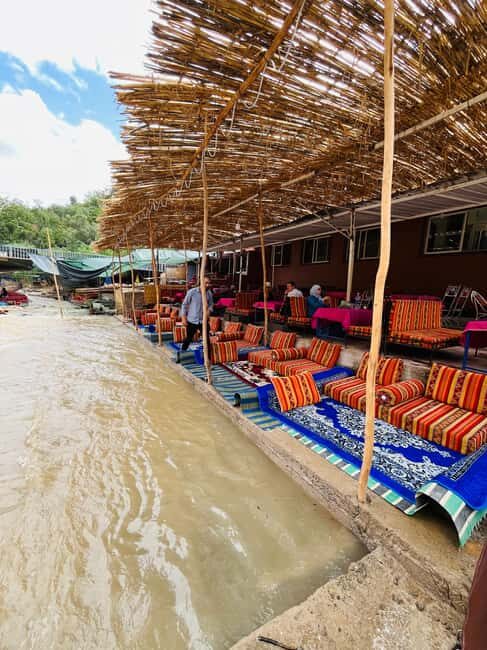
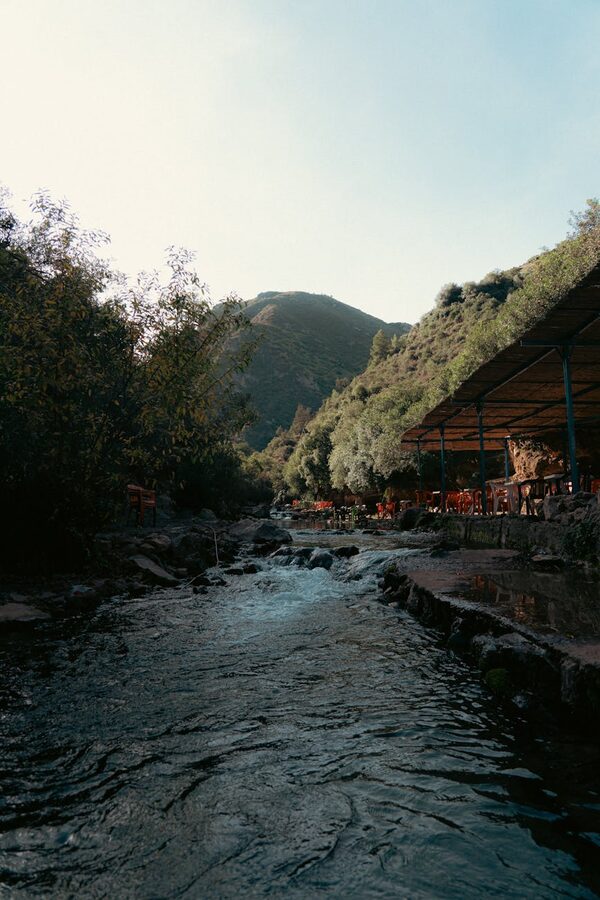
Lunch is almost always at a riverside restaurant in Setti Fatma with tables set up directly over the water. Expect tagine, grilled meat, mint tea, and bread. Portions are generous; plan to share.
Tour #1 — Ourika Valley Waterfall, Lunch and Guided Hike (Budget Pick)
Marrakech: Ourika Valley Waterfall and Guided Hike — $10 per person
At $10 per person this is remarkable value. You get round-trip transport from Marrakech, a guided hike to the Setti Fatma waterfalls, lunch at a local restaurant, and stops at an argan cooperative and a Berber house. Group sizes run 8-15 depending on the day.
The hike to the first waterfall takes 30-45 minutes on a rocky path. Comfortable shoes required. Local guides escort you and charge 40-80 dirham tip at the end.
The 4.9 star rating across 62 detailed responses is strong. See the full tour flow in our Ourika waterfall tour review.
Tour #2 — From Marrakech: Setti Fatma and Ourika Valley Tour with Lunch (Standard)
Setti Fatma and Ourika Valley Tour with Lunch — $29 per person
This is the best-known Ourika tour out of Marrakech. You get hotel pickup, a coach with English-speaking guide, morning argan cooperative stop, visit to a Berber house for tea, free time in the Setti Fatma waterfall area, and a riverside lunch.
Group size is typically 12-20. Lunch is at a pre-arranged restaurant with set menu (starter, tagine or couscous, dessert, drink). Budget extra dirhams for bottled water and tips.
674 detailed responses averaging 4.9 stars makes this the proven choice. Full details in our Setti Fatma Ourika Valley tour review.
Tour #3 — Day Trip to Ourika Valley and Setti Fatma Waterfalls (Private)
Day Trip to Ourika Valley and Setti Fatma Waterfalls — $25.84 per person
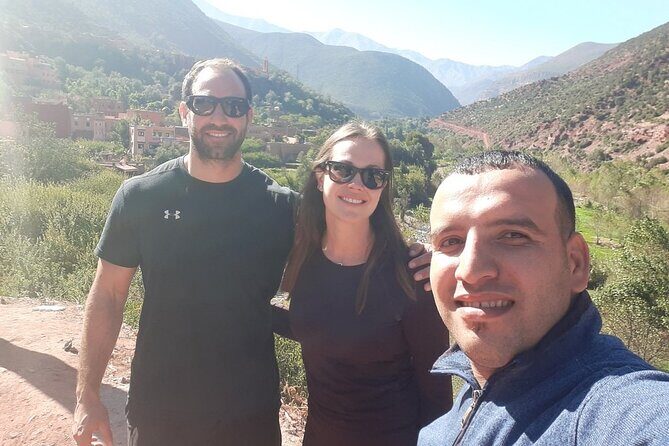
This private-feel tour stays small (2-6 people) and the pace is more flexible than the big coaches. You can linger at the waterfall longer, skip the shopping stops, or add a second waterfall hike if you have the energy.
Same inclusions as the standard tour — transport, guide, lunch, Berber house — but the private car means you’re not waiting for 20 strangers to finish their tea or photo stops. Small group means the schedule flexes.
4.5 stars across 9 detailed responses; small sample but consistent. See our Setti Fatma tour review for the full breakdown.
Setti Fatma and the Seven Waterfalls
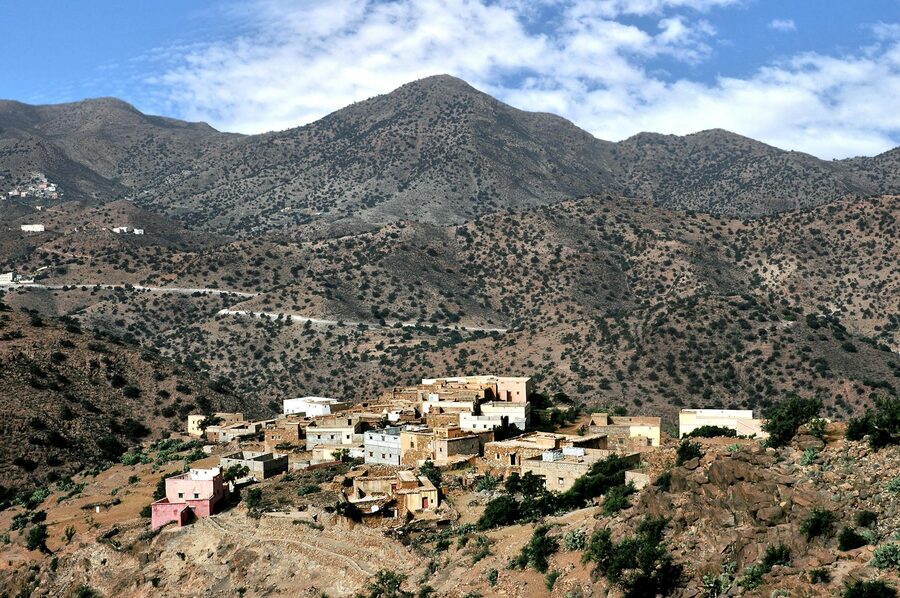
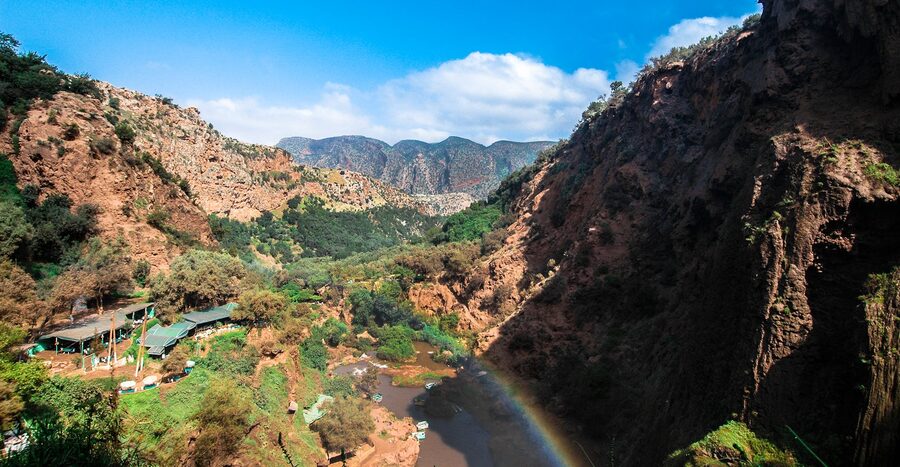
Setti Fatma is the end of the road. It’s a Berber village of about 3,000 people, perched where the paved road stops and the trail up to the waterfalls begins. The whole village has reorganized around tourism, which means lots of riverside restaurants and a handful of guesthouses.
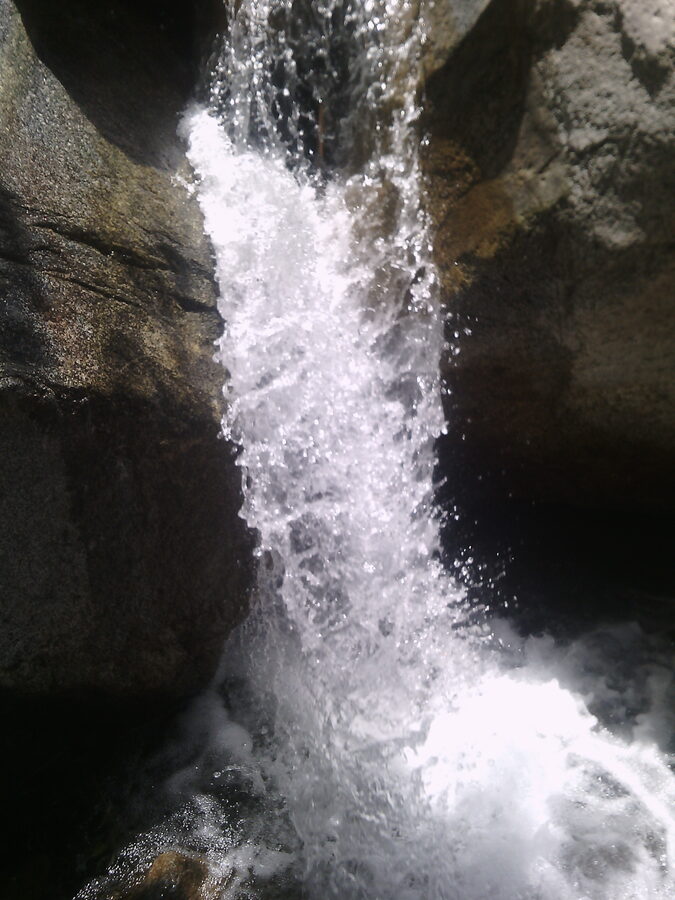
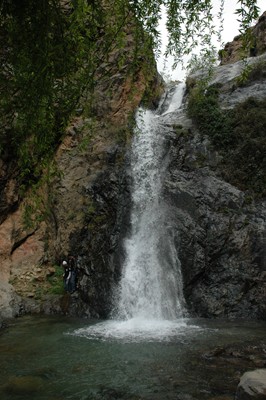
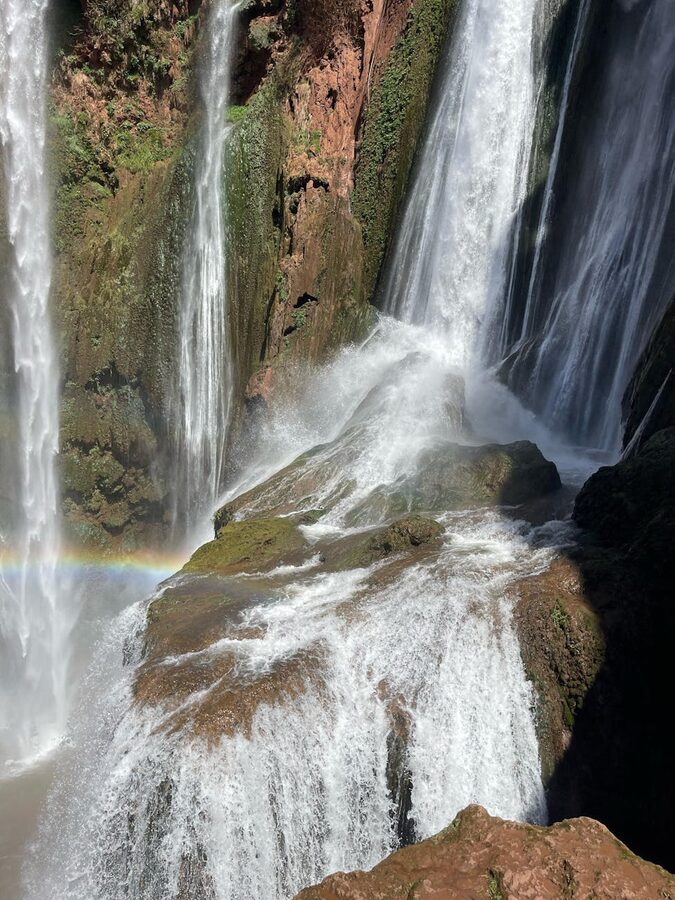
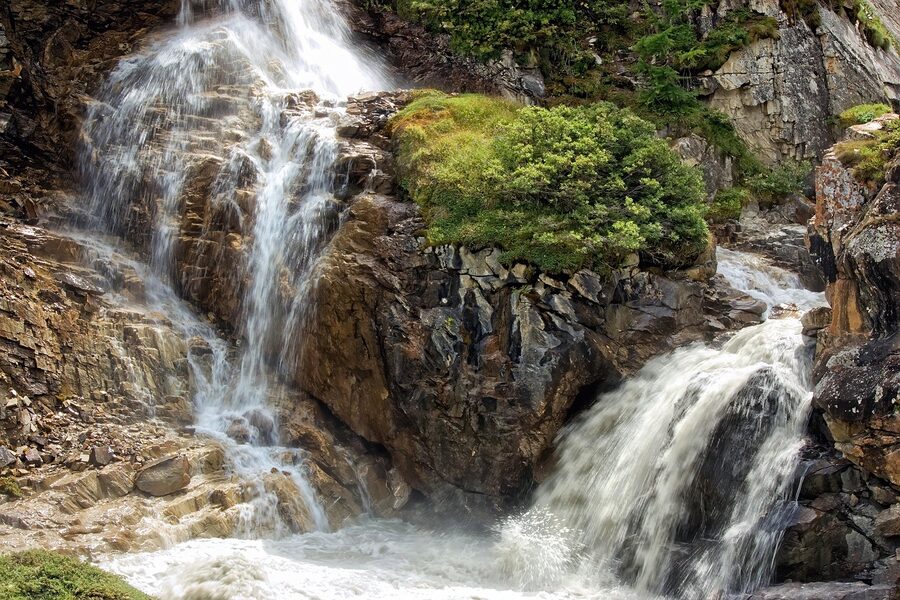
Seven waterfalls cascade down the mountainside above Setti Fatma. The first is easy to reach — 30-45 minutes on a stone path with some rock scrambling. Waterfalls 2 through 7 require a steep climb that isn’t included on most tours.
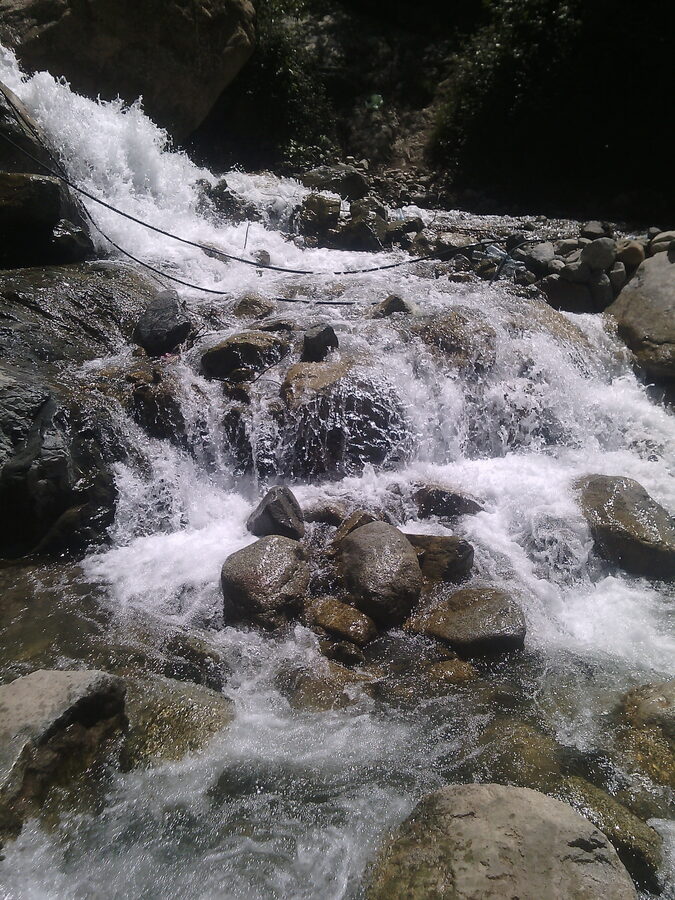
If you want to do the full seven, hire a local guide in the village (100-150 dirham for the walk). Allow 3-4 hours round trip. Don’t try it alone; the path is unmarked above waterfall #2 and visitors get lost.
The Berber House Stop — What It Really Is
Every Ourika tour includes a “Berber house visit.” In reality, this is a visit to a working traditional home where a family prepares tea for tourists in exchange for gift-shop purchases at the end. Not a con exactly — it’s a fair transaction.
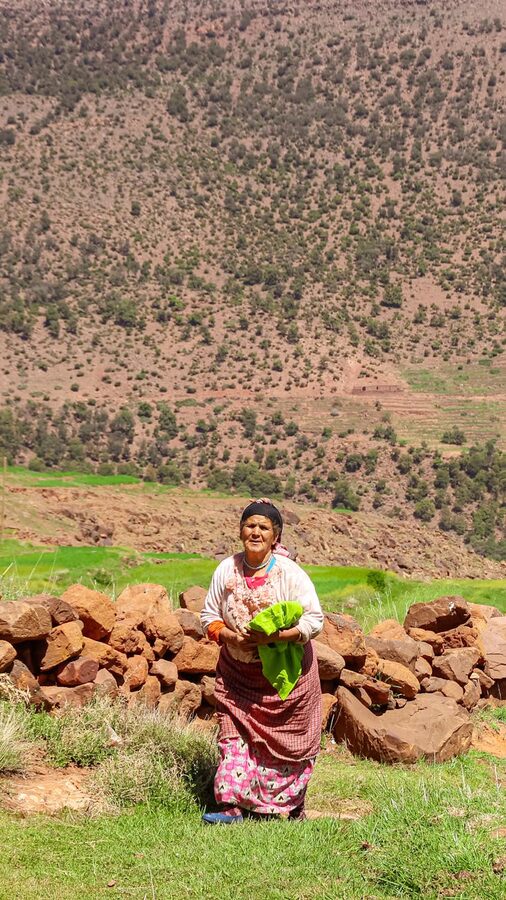
You’ll see a traditional kitchen, hear about couscous preparation, watch mint tea poured from a height, and be shown carpets and honey at the end. Buy a jar of honey if you want; skip the carpet unless you’re genuinely shopping.
The interaction is genuine despite the commercial layer. These families are real, the architecture is real, and the tea is good. Don’t expect a cultural deep-dive, but do expect an authentic 30 minutes.
The Argan Cooperative Stop
Tours usually stop at an argan oil cooperative on the way out. You’ll see women grinding argan kernels by hand, be offered samples of argan oil and amlou (almond-argan butter), and have a sales pitch for oil and cosmetics at the end.
The oil is legitimately good and the prices are fair (50-100 dirham for 250ml culinary oil). Amlou is worth buying — it’s like a nut butter and goes on everything from bread to yogurt.
Skip the argan cosmetics unless you know what you’re looking for. Quality varies and the real cosmetics-grade oil costs significantly more than what’s usually sold to tour groups.
When to Go — The Best Season
Spring (March-May) is prime time. Snow-melt from the High Atlas makes the river and waterfalls full, the almond trees bloom pink in March, and the weather is ideal for the waterfall hike.
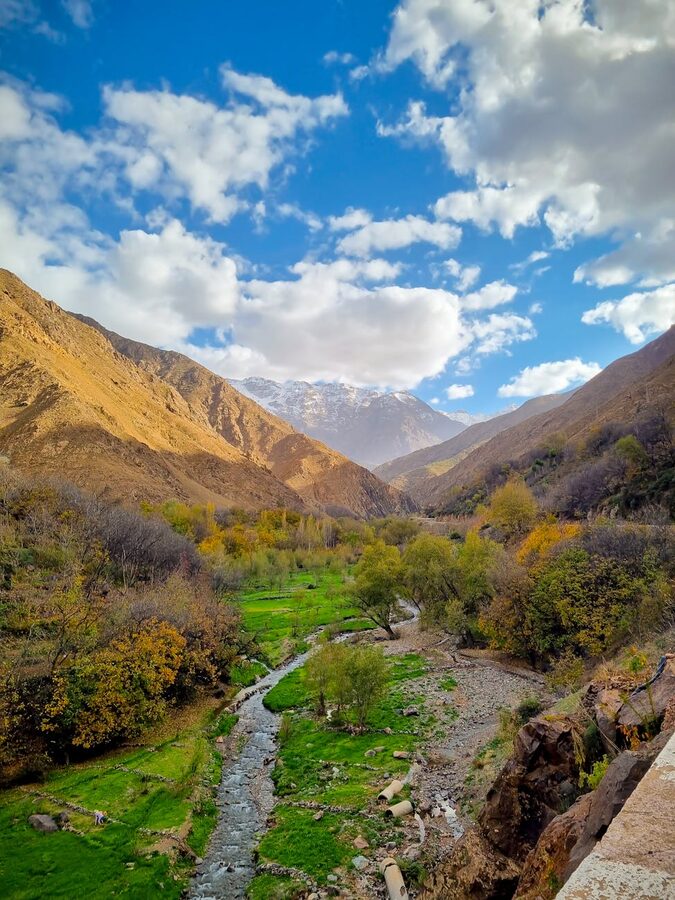
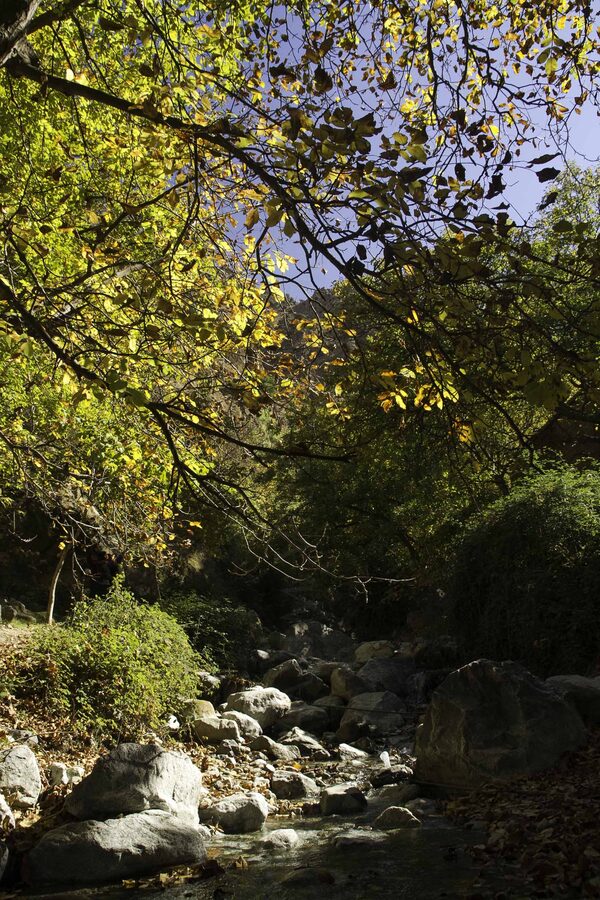
Autumn (October-November) is also excellent. Foliage turns yellow and red, temperatures drop to comfortable, and the tourist crowds thin after Eid al-Mawlid.
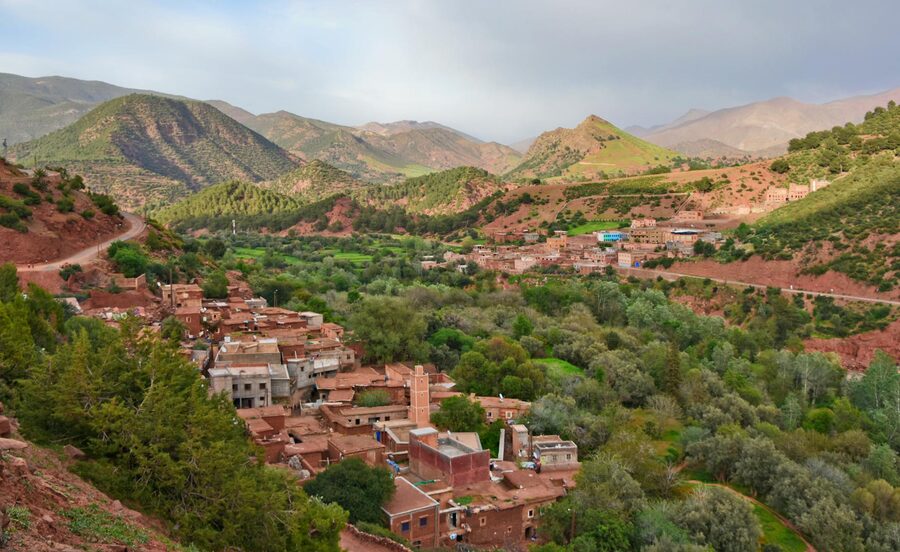
Summer (June-August) is hot — Marrakech hits 40°C+ and even the valley floor reaches 32°C. But the valley is the coolest place within reach of Marrakech, so it’s still busy. Go early in the day and you’ll be fine.
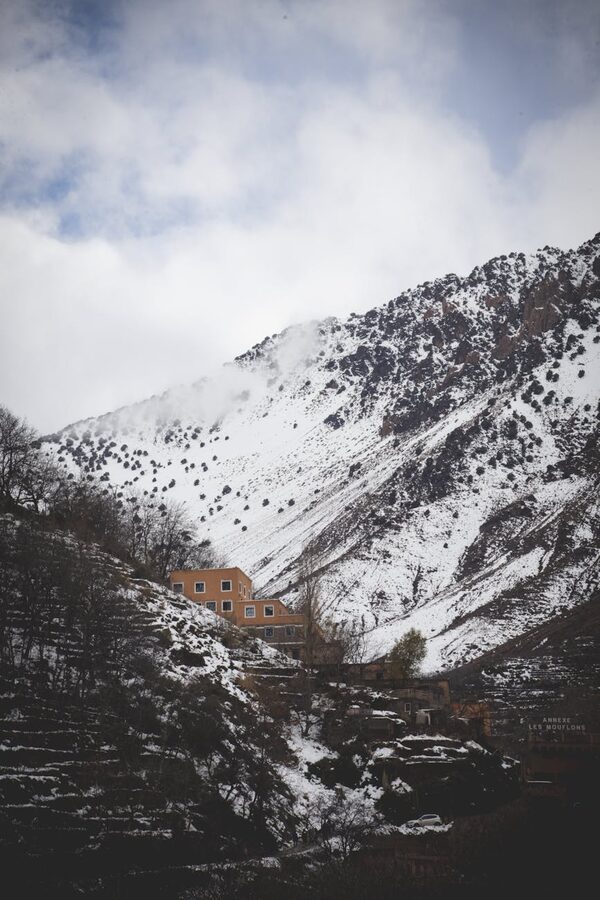
Winter (December-February) is quiet. River flow drops but waterfalls still run. Temperatures 5-12°C at Setti Fatma; layer up.
What to Wear and Pack
Closed walking shoes (trainers are fine; hiking shoes for the upper waterfalls). Long pants or shorts depending on season. Layers — it’s 8-10°C cooler than Marrakech at the valley floor. Water bottle. Small dirham notes for tips and shopping.
Sunscreen and a hat. The valley sits at altitude and UV is stronger than it feels. Sunglasses. Phone in a waterproof sleeve if you’re planning to go close to the falls — spray is constant.
Cash only at Setti Fatma — no ATMs past Tnine Ourika. Bring 200-300 dirham per person if you want to tip, buy drinks, shop, and extra ride fees.
Comparison: Ourika vs Other Marrakech Day Trips
Ourika vs Ouzoud Waterfalls: Ouzoud has the more dramatic single waterfall drop (110m vs Setti Fatma’s smaller cascades). Ourika is closer to Marrakech (1 hour vs 2.5-3 hours), so you get more time in the valley.
Ourika vs Atlas Mountains Day Hike: the hike trip focuses on trekking with a Berber guide through multiple villages. Ourika delivers a similar experience but with a single concentrated stop at the waterfalls and more time for tea and shopping.
Ourika vs Agafay Desert: different vibe entirely. Ourika is green, wet, and mountainous; Agafay is stone desert with camps and camels. Pick the one that fits your mood.
The Drive Itself — What to Notice
The road from Marrakech to Setti Fatma is 66km. It climbs from 450m elevation in Marrakech to about 1,500m at the village. The landscape changes fast — dust plains to olive groves to oak forests within the first 40km.
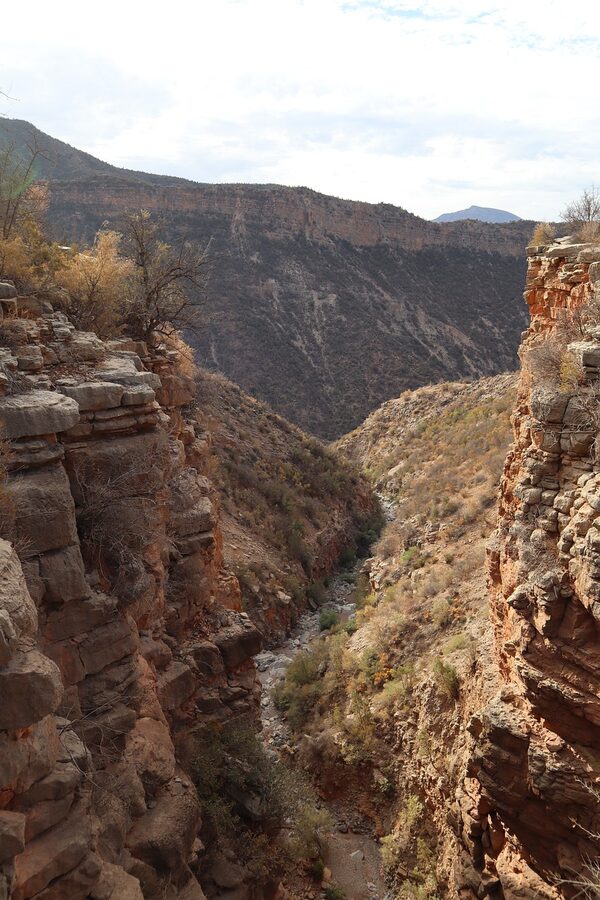
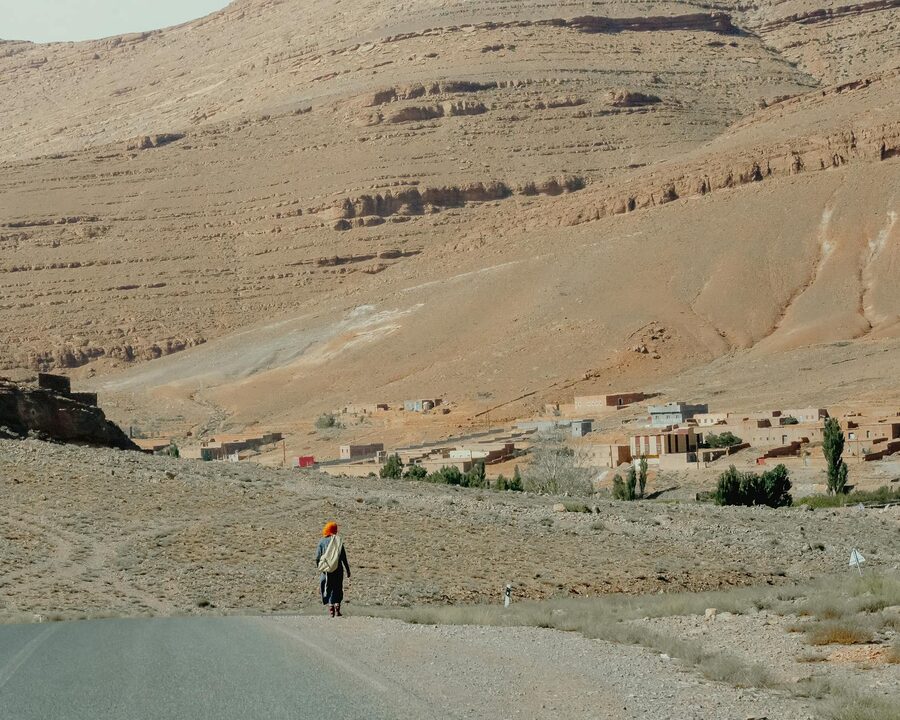
Watch for the red rock formations around Tnine Ourika (the pottery village). This is where the road enters the narrower valley and the river becomes visible.
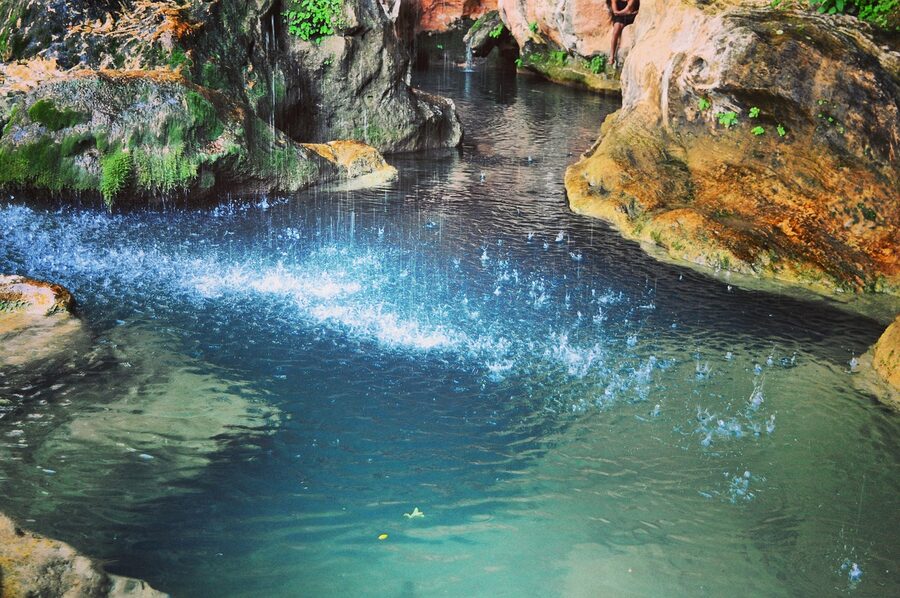
Beyond Tnine Ourika, the road tracks the river through a series of switchbacks. The switchback stretches are where tour buses stop for photos.
Wildlife and What to Look For
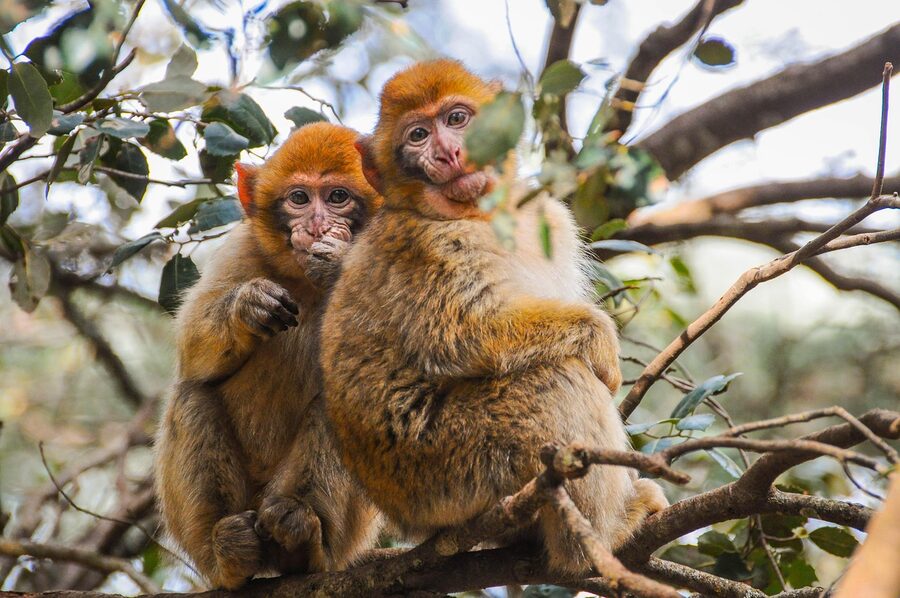
Barbary macaques (Atlas macaques) live wild in the cedar forests further south, but you won’t see them in Ourika proper. You will see donkeys and mules on the trail — they carry tourists and supplies up the waterfall path.
Birds: Bonelli’s eagles, griffon vultures circling in the thermals above the valley, Moussier’s redstart in the shrubs along the path. Bring binoculars if you’re into birdwatching.
Fitting Ourika Into a Marrakech Trip
If you have 4-5 days in Marrakech, Ourika Valley is the best single day excursion. Do it on day 2 or 3 after you’ve done the medina (see the Marrakech medina walking tour) and before you head to the desert (see the 3-day Sahara tour).
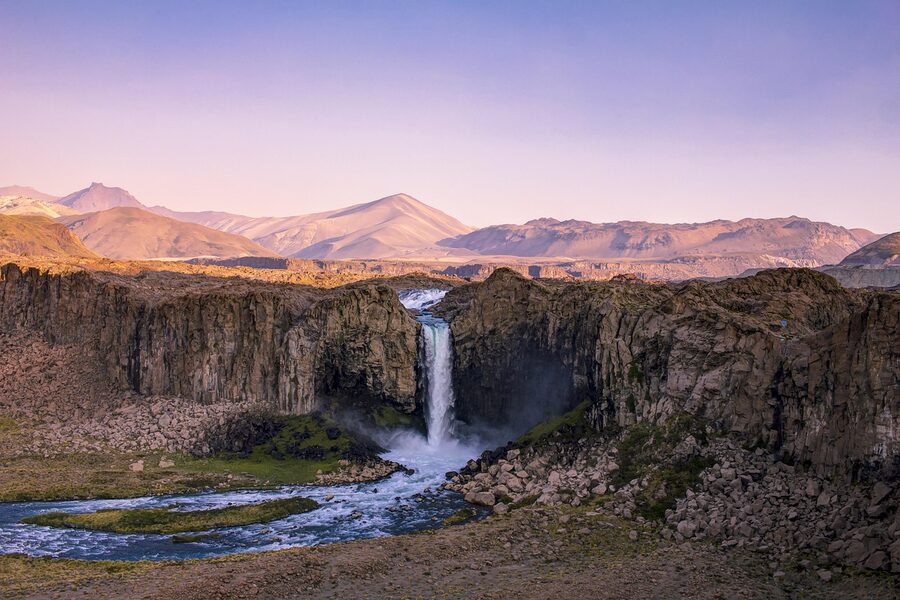
For a longer Morocco trip, Ourika pairs well with Ouarzazate and Ait Benhaddou (different side of the Atlas) and Essaouira (coast). If you want high altitude hiking, the Atlas Mountains day hike complements rather than duplicates.
Frequently Asked Questions
How long is the trip? Door-to-door 7-9 hours. Pickup 9am, return 4-5pm.
Can I self-drive? Yes. Budget $40-60/day for a small SUV, $15-20 fuel round trip, plus tolls. Park at the top of Setti Fatma and hike from there.
Is the waterfall hike hard? Moderate. 30-45 minutes, some rock scrambling, but suitable for most adults. Kids 5+ manage it. Elderly or mobility-impaired should skip.
Is there a toilet at the waterfall? Yes, at the restaurants in Setti Fatma village. No facilities on the trail itself.
Should I tip the guide? Yes. 50-100 dirham per family for the tour guide, 30-50 dirham for the local waterfall guide if you hire one.
Can I swim? The pools at the base of the lower waterfalls are cold (8-15°C) but swimmable in summer. Change tent facilities are minimal; wear your swimsuit under your hike clothes if planning to swim.
Is it crowded? On peak weekends (April, October) expect 200+ tourists at the first waterfall. For solitude, go above waterfall #2.
Do I need a guide to the upper waterfalls? Yes. Path is unmarked and scrambles are non-trivial. 100-150 dirham per group for a 3-hour guided walk to #7.
My Bottom Line
Ourika Valley is the best single day excursion from Marrakech. Cool air, flowing water, real Berber culture, and a waterfall hike that’s achievable for almost any fitness level. The $10-30 tours are fantastic value given the infrastructure required.
The valley opens at 7am and the last stretch of restaurants closes around dusk. The weekend is when locals come up for lunch — tour operators usually avoid Saturdays and Sundays for tourist tours, but if you’re self-driving, the local energy is worth experiencing.
Book the $10 Ourika Valley Waterfall and Guided Hike for budget. Upgrade to the $29 Setti Fatma and Ourika Valley Tour with Lunch for the most-reviewed standard option. Go with the $25.84 private-feel Day Trip if you prefer a smaller group.
Bring good shoes, cash for tips, and appetite for a riverside tagine. Ideally go in spring or autumn. And skip the carpet shops on the way back — they’re a long sales pitch for modest savings.