
Halfway down the path to Ouzoud, a barbary macaque stole a bag of peanuts from the German couple in front of me. The woman laughed. Her husband did not. The monkey retreated up a fig tree and spent the next ten minutes methodically eating its haul while watching us with the superior air of a creature that knew exactly what it had just done.
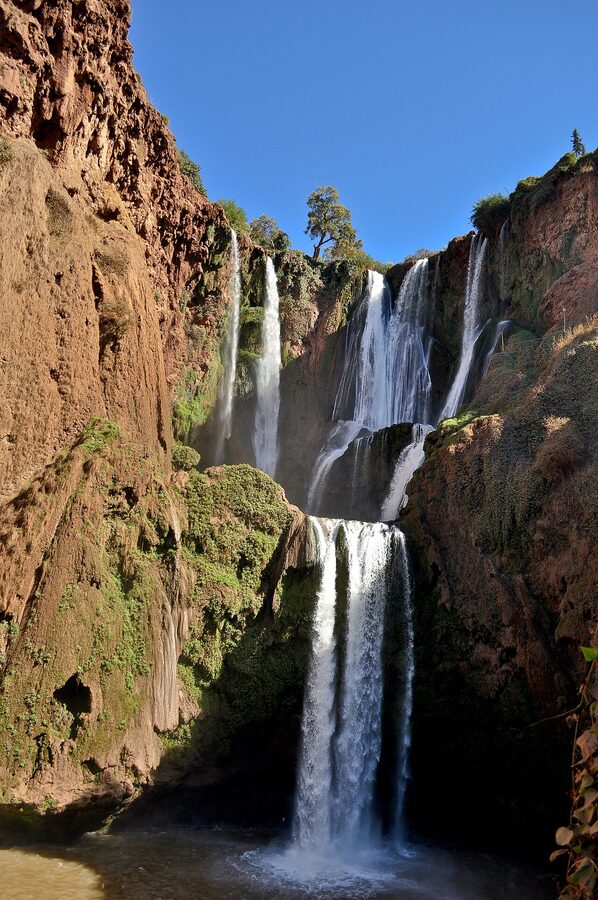
Ouzoud Waterfalls is Morocco’s most famous waterfall — 110 metres of falling water, three tiers, wild Barbary macaques, rainbows in the mist, and a long-enough drive from Marrakech that most visitors arrive by guided tour rather than attempting it solo.

The drive from Marrakech is 150 kilometres each way — about 2.5 hours on the N8 road through the Middle Atlas foothills. Day tours handle the logistics: pickup at 7-8am, at the falls by 11am, 3-4 hours on site, back in Marrakech around 6-7pm.
Pricing starts at $12 for the cheapest guided group tour (Viator) and goes up to $47 for the small-group premium version. GetYourGuide runs groups at $15 per person. All include transport; few include meals.

In a Hurry? Our Top Picks
Cheapest option. Guided walk down to the falls, boat ride at the base, transport included.
Highest-reviewed Ouzoud tour with 172 five-star ratings. Best balance of price and experience.
Smaller groups, lunch included, more time at the falls. Worth the premium if you hate being rushed.
- What to Expect at the Falls
- The Barbary Macaques
- Views from Above, Views from Below
- Our Recommended Tours
- 1. Guided Hike and Boat Trip —
- 2. Day Trip with Guide & Boat —
- 3. Full Day Trip (Premium) —
- The History — Moroccan Waterfall, Berber Territory
- Practical Tips
- Ouzoud vs Other Marrakech Day Trips
- Getting There
- Is Ouzoud Worth the -?
- Building Ouzoud Into Your Marrakech Trip
What to Expect at the Falls
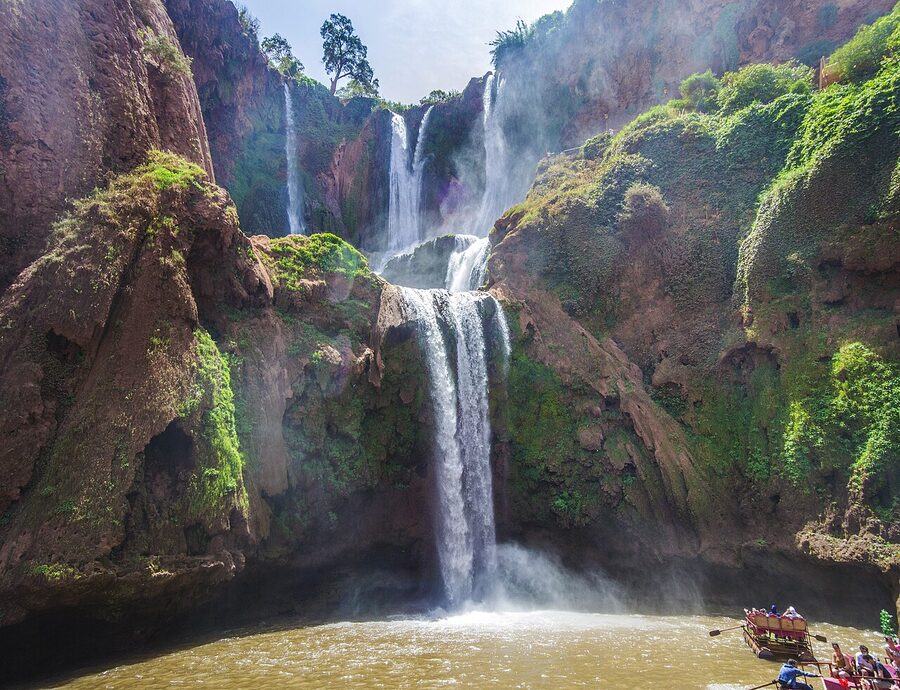
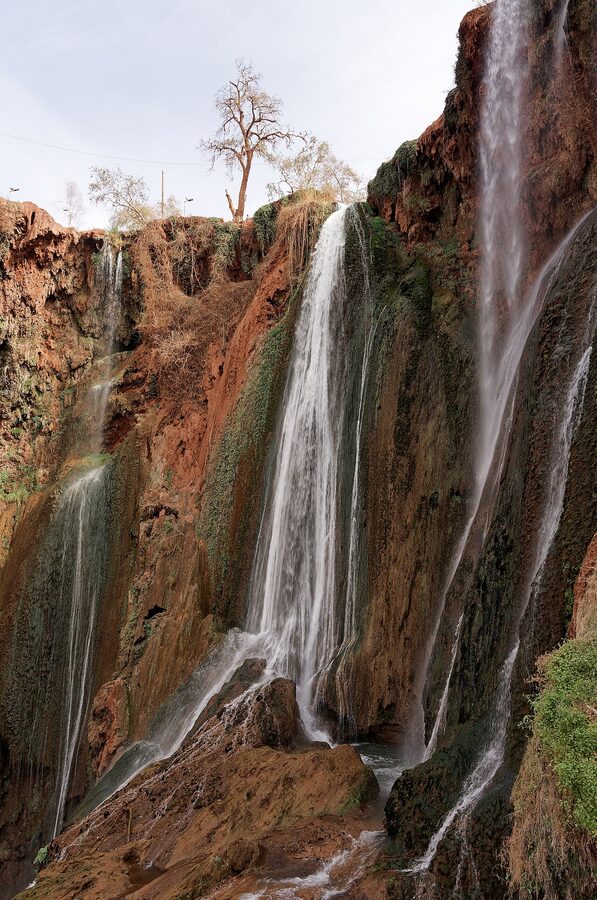
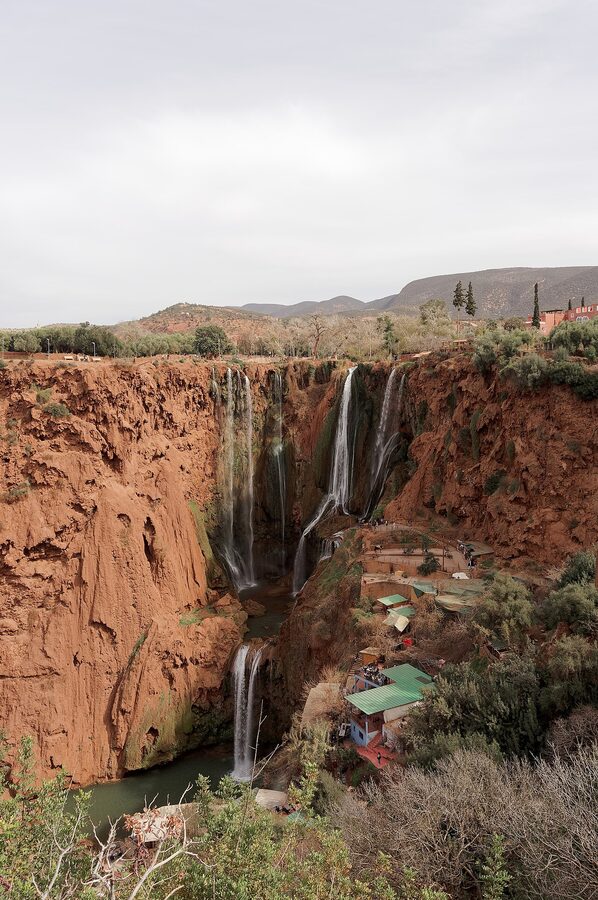
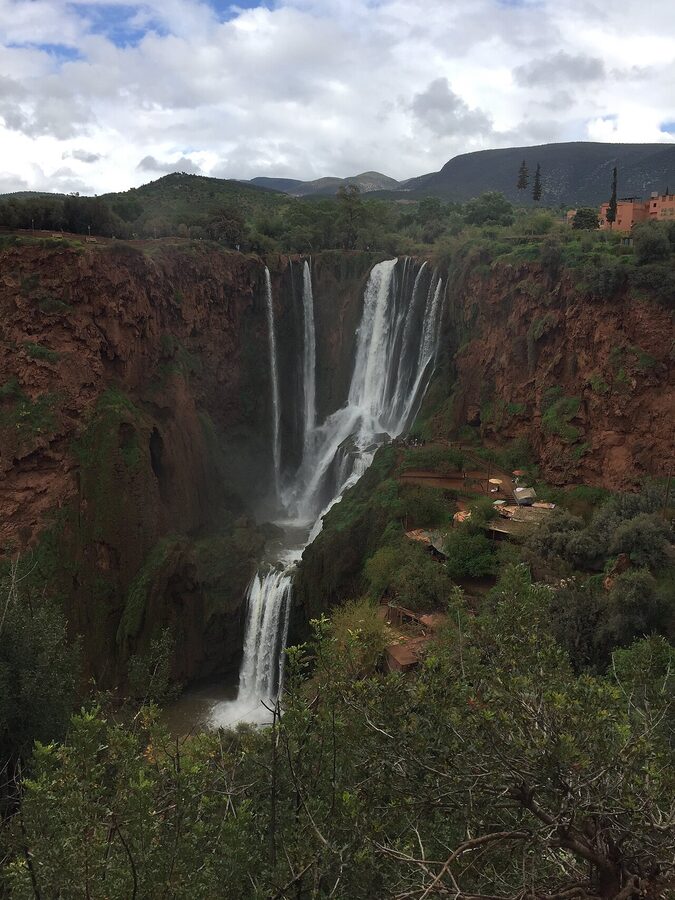
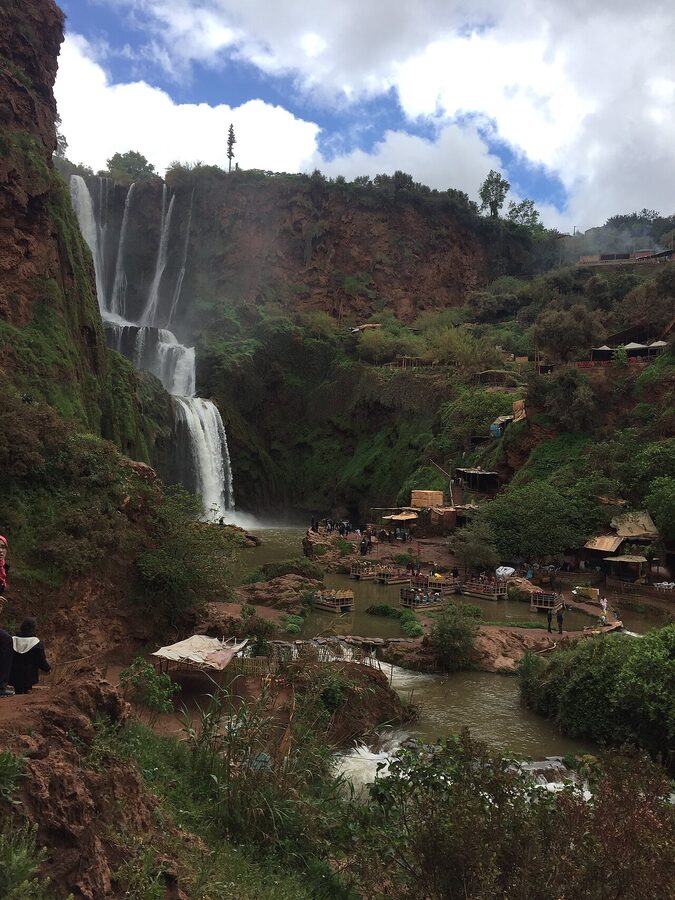
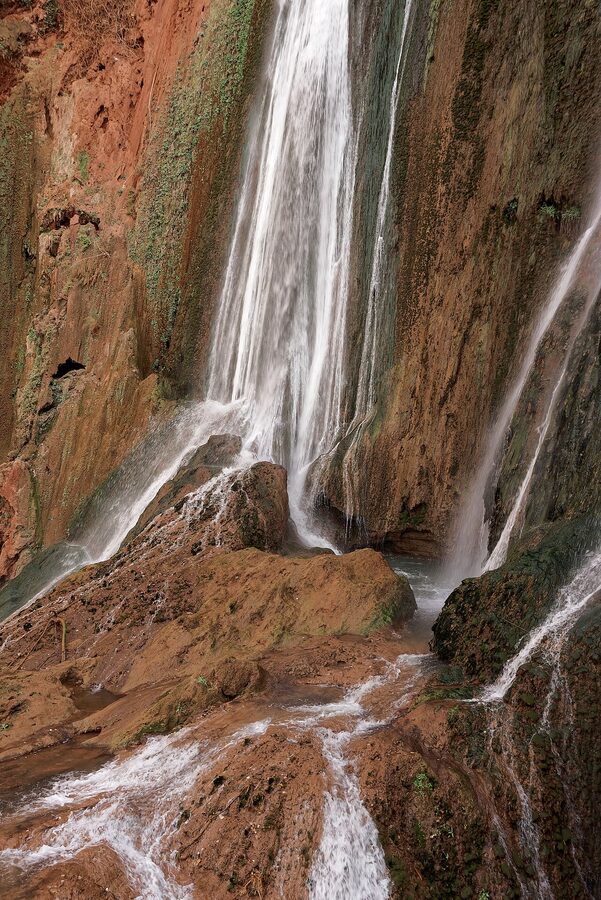
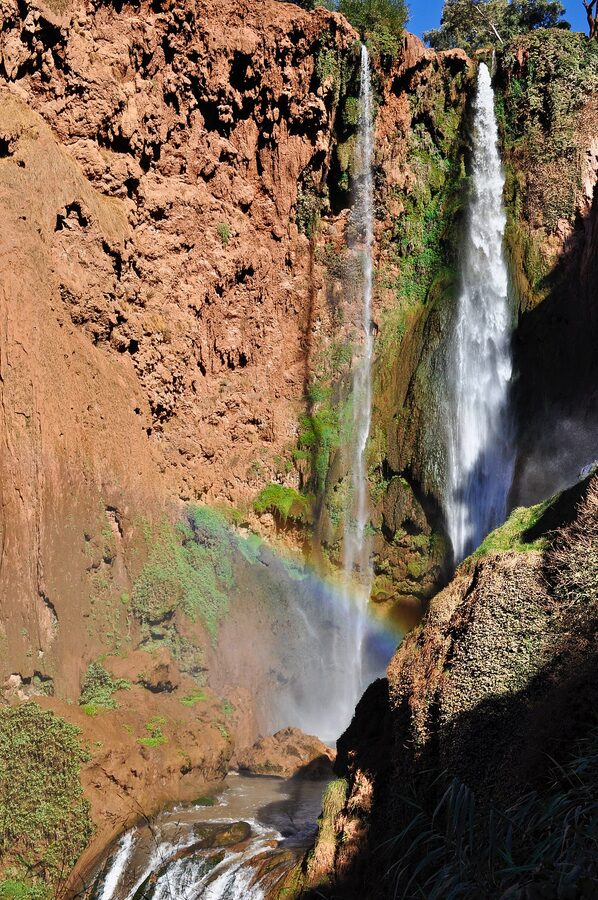
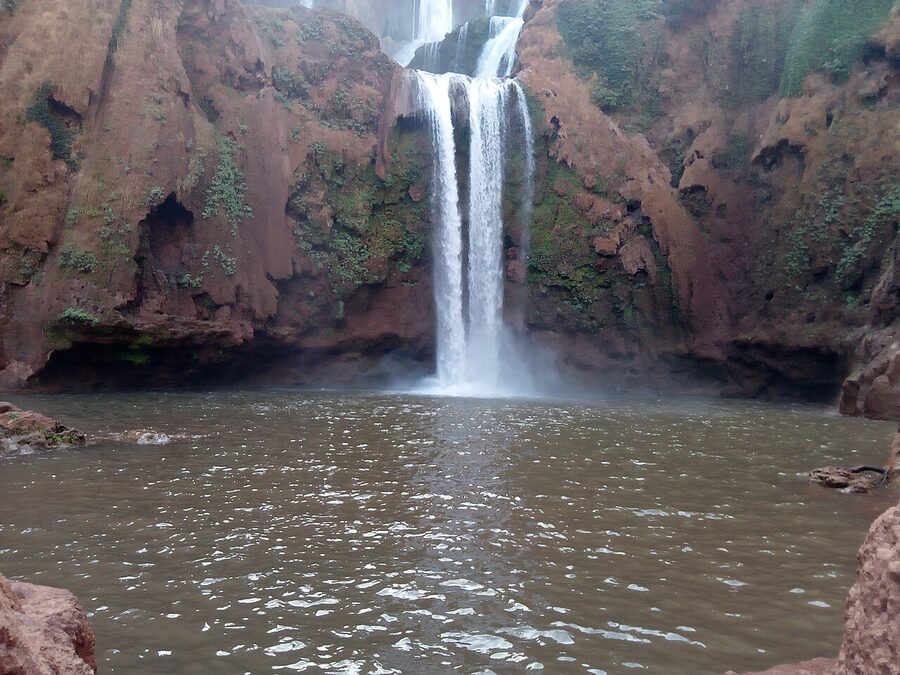
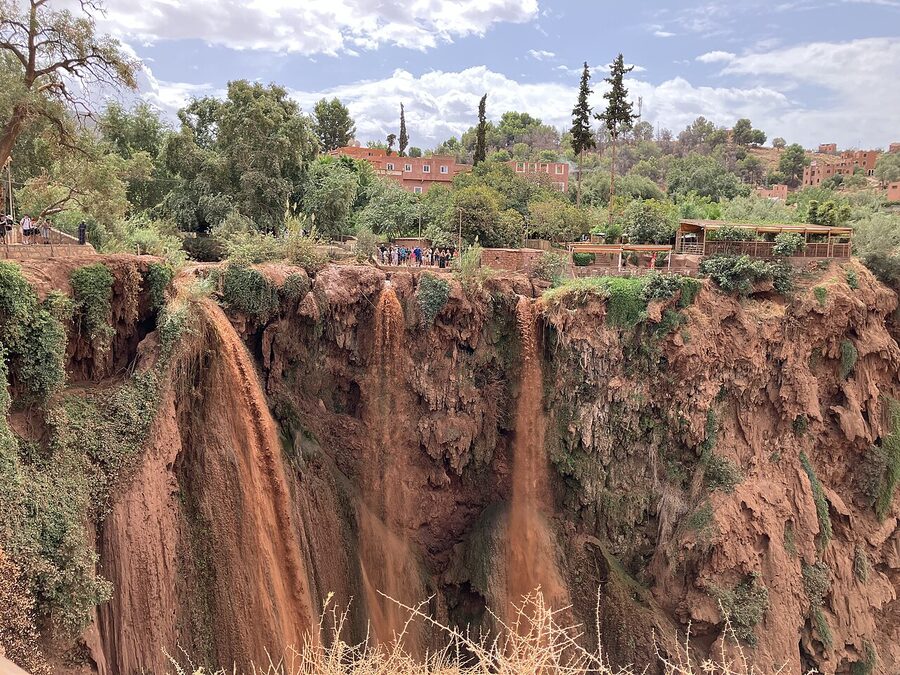
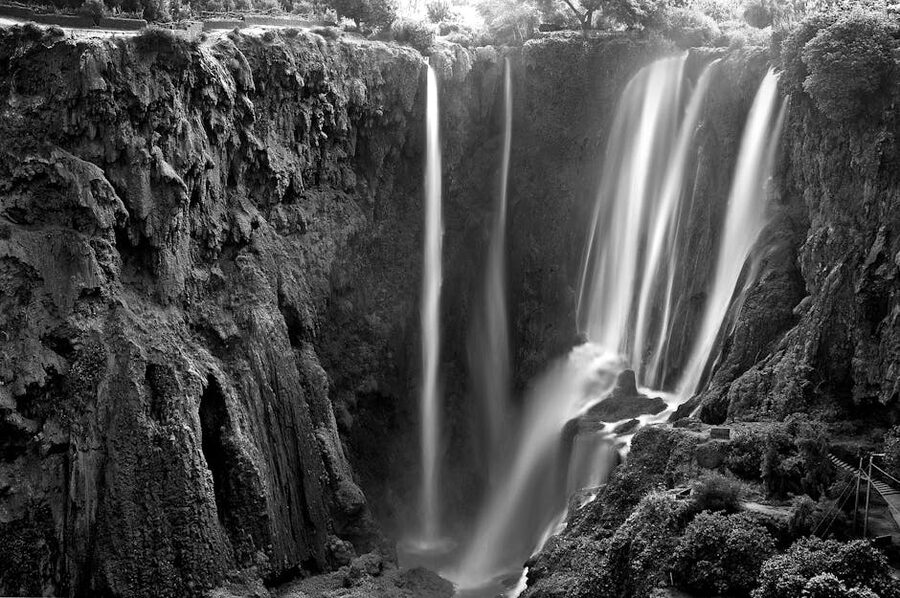
The falls themselves are the main event — three successive drops totalling 110 metres, through a gorge of red-brown rock surrounded by olive groves. The site has been maintained as a tourist destination since the 1990s, with paved paths, wooden viewing platforms, and a network of cafés lining the descent.
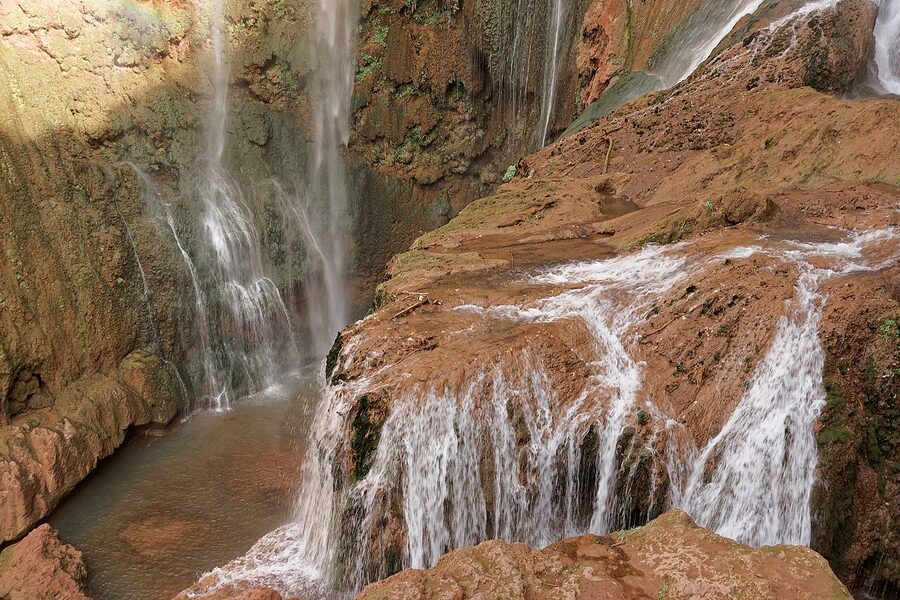

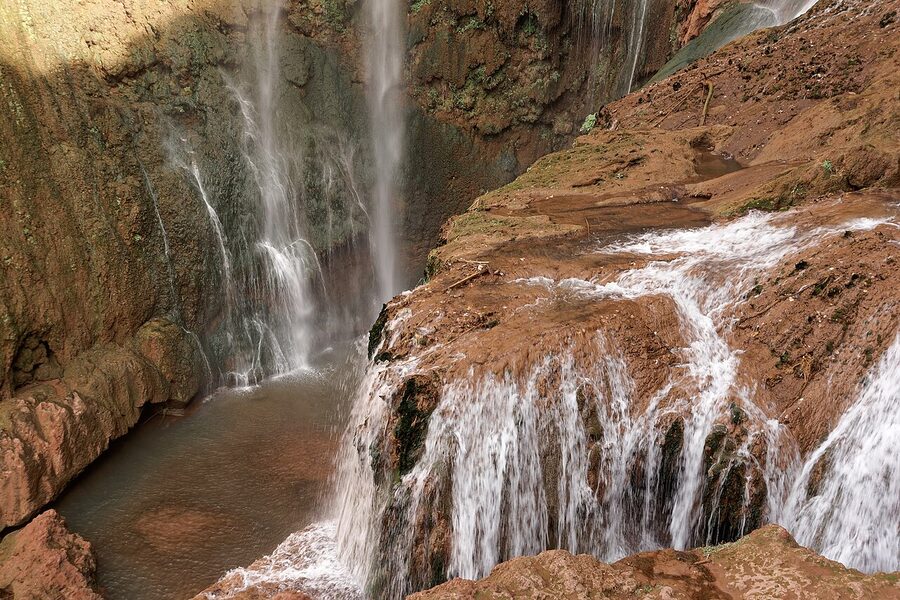

The hike down to the base takes about 25-30 minutes at a moderate pace. The path is paved but steep in places, with steps worn smooth by decades of visitor traffic. Sensible shoes are non-negotiable — sandals and flip-flops cause the majority of injuries here.

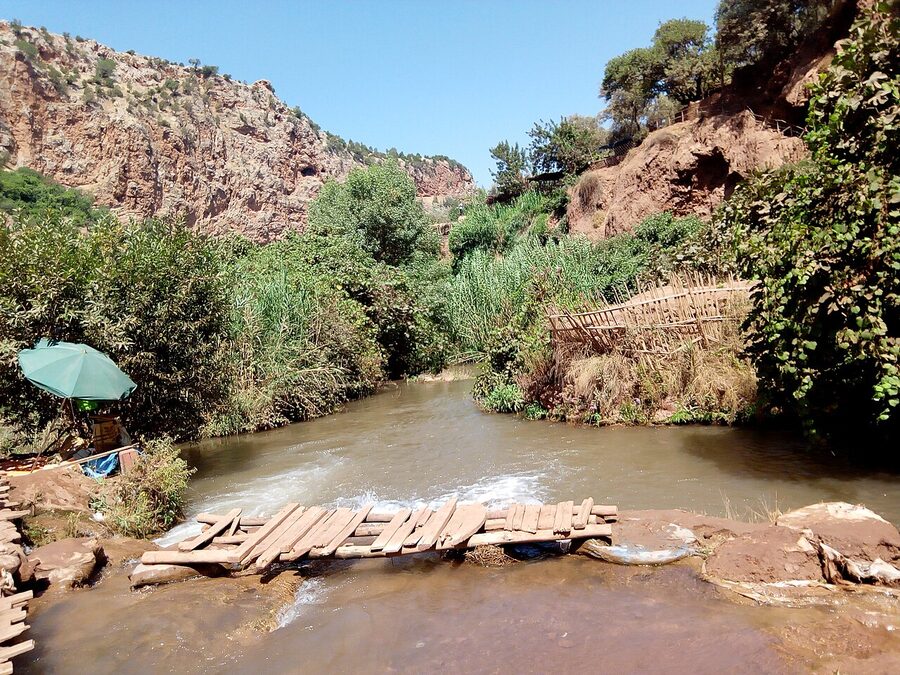

At the bottom you reach a large pool where pedalos and paddleboats operate for 20-30 MAD ($2-3). These aren’t included in the standard Ouzoud Waterfalls tour from Marrakech — pay in dirhams at the boat operator’s hut. The boats take you right up to the base of the falls where the spray soaks everyone.

The Barbary Macaques
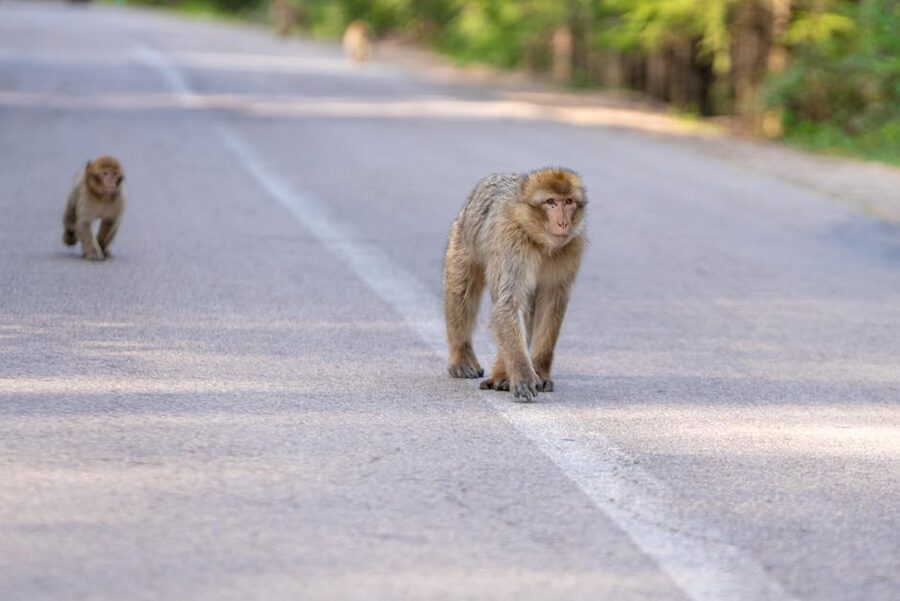
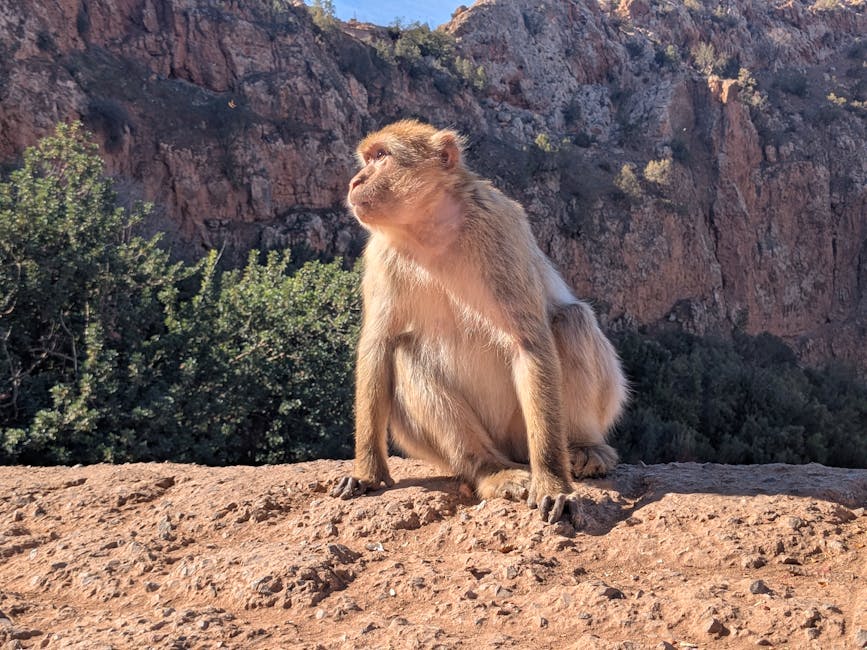
Ouzoud’s second headline attraction is the resident population of wild Barbary macaques. They live in the cliffs and olive groves around the falls and are accustomed to tourists — but they’re not tame, and they will rob you.
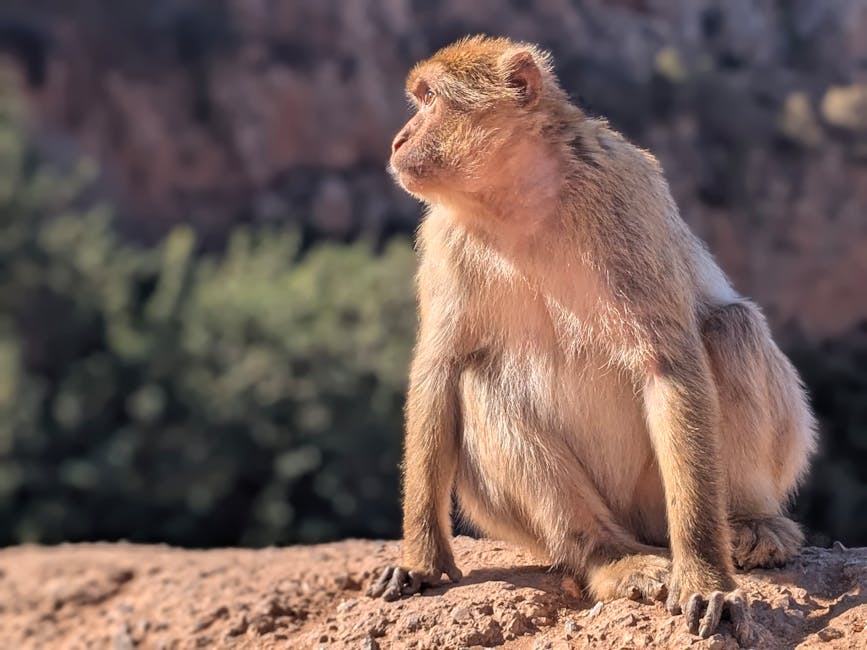
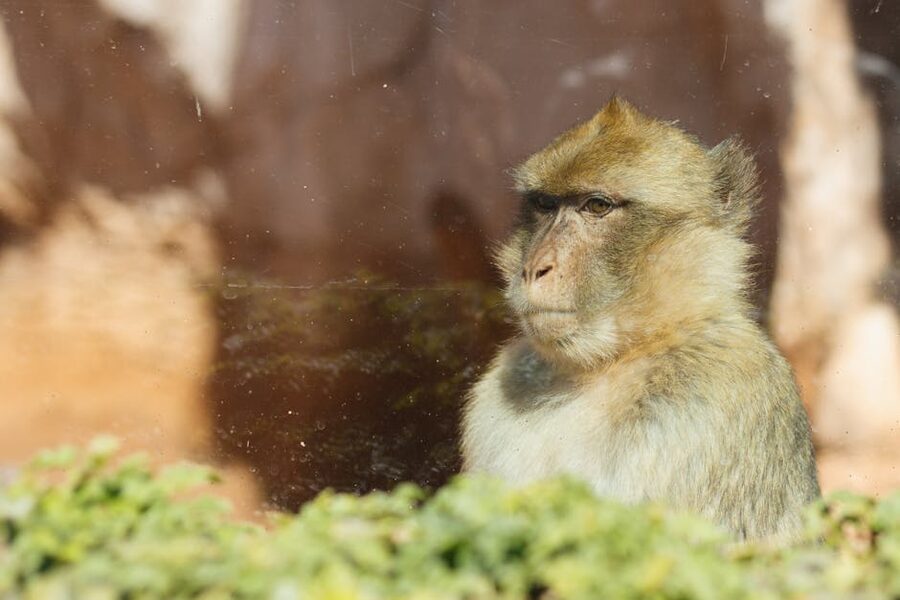
Don’t feed them. The local guides and the tourist board ask visitors not to — habituated macaques become aggressive, steal food, and develop health problems from human diets. Some tour operators hand out bananas anyway; politely decline.
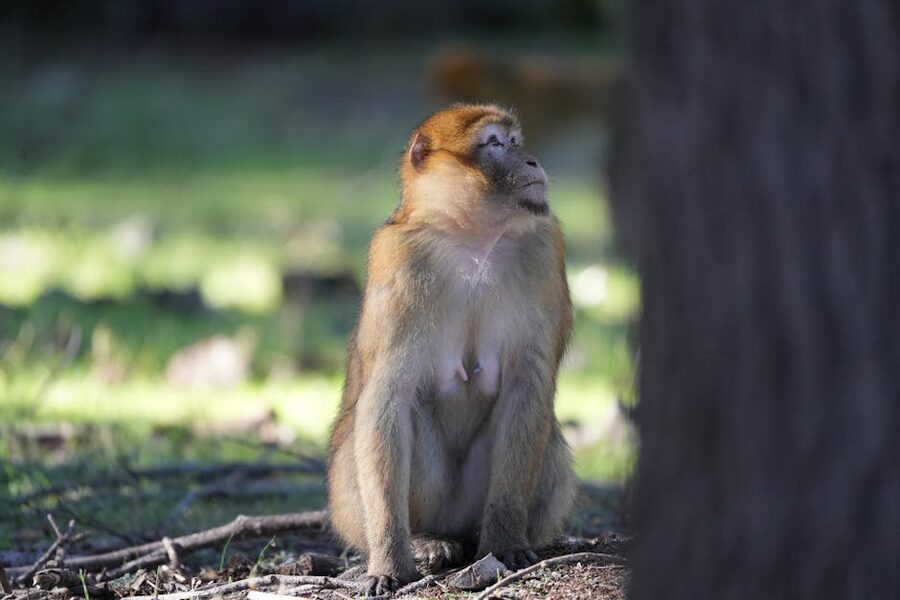
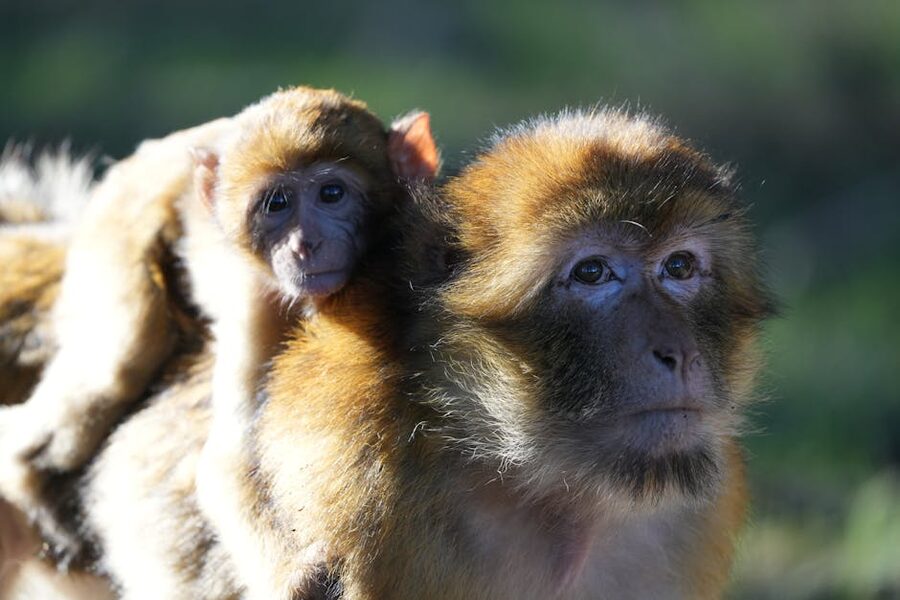
Keep valuables zipped and bags closed. Don’t make direct eye contact with dominant males (they read it as challenge). If one approaches, don’t run — back away slowly and drop anything they’re trying to grab.
Views from Above, Views from Below
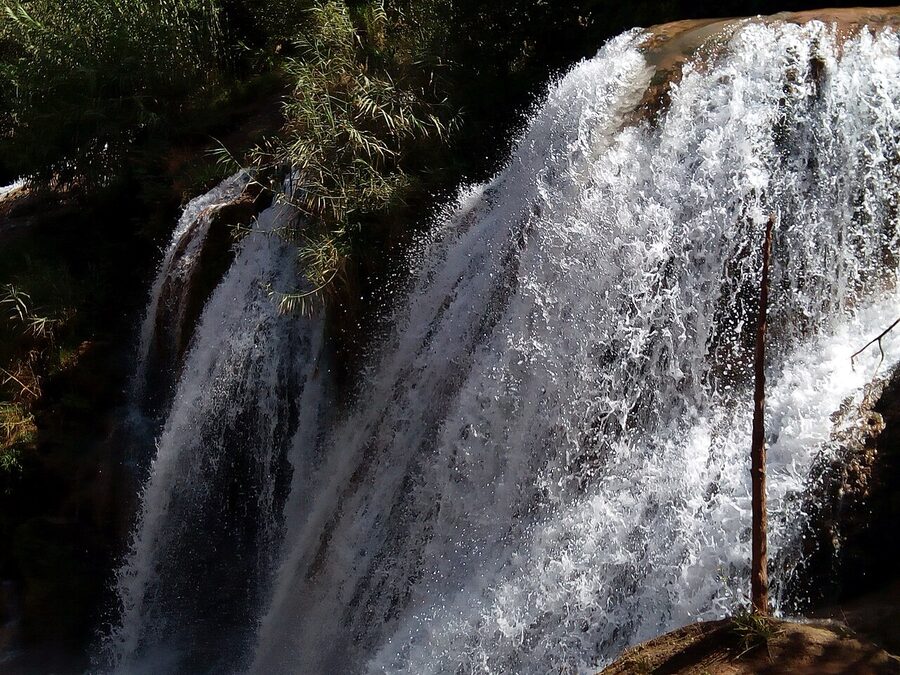
Ouzoud rewards different angles. The upper viewing platforms give you scale and context. The lower platforms put you in the spray zone. Neither is “the best” — they’re complementary.





Our Recommended Tours
1. Guided Hike and Boat Trip — $12
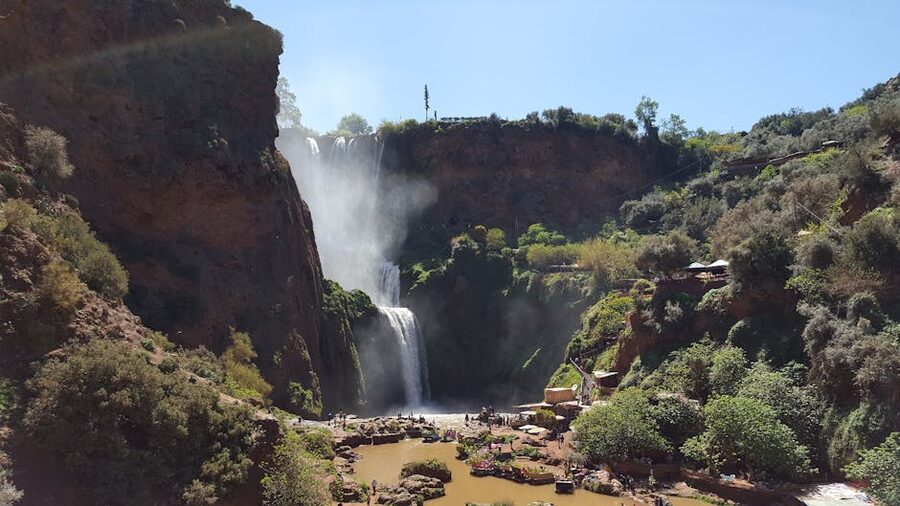
The cheapest Ouzoud option. Transport from Marrakech, a guided walk down to the falls, and a boat ride at the base. No lunch included — bring snacks or pay at one of the cliff-side cafés.
This is a group tour (typically 12-16 people), which means you move at the pace of the slowest walker and get less individual attention from the guide. For the price, it’s an excellent starting point. Our full review of the budget guided tour covers what’s included and what you’ll want to pay extra for.
2. Day Trip with Guide & Boat — $22
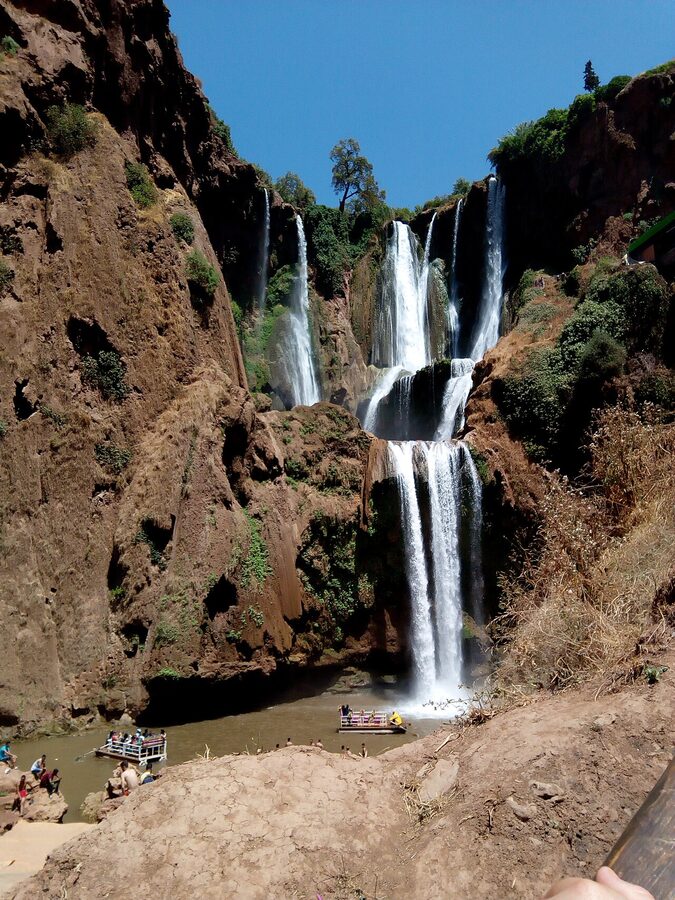

The most-reviewed Ouzoud tour with 172 five-star ratings. You get transport, guided walk, boat ride, and a stop at a Berber village along the way. Groups are typically 8-12 people — smaller than the budget option, larger than the premium.
The $10 premium over the cheapest option is worth it for the smaller group alone. The Berber village stop adds cultural context that most day trips skip. Our full review of this mid-tier tour breaks down the exact day structure and the Berber village experience.
3. Full Day Trip (Premium) — $47

The premium Ouzoud option. Smaller groups (max 8), included lunch, longer time at the falls, and air-conditioned transport. The pace is slower, with more opportunity for photography and watching the macaques.
Worth the $35 premium over the budget option if you want comfort, a proper lunch, and time rather than a rushed visit. Our review of this premium option covers what the extra spend gets you in practice.
The History — Moroccan Waterfall, Berber Territory
Ouzoud means “act of grinding olives” in the local Tashelhit Berber language — a reference to the olive mills that once lined the gorge. Several restored mills still stand along the path down to the falls.
The village of Ouzoud at the top of the gorge has been inhabited for centuries by the local Berber population. Until the 1990s, the falls were a local destination rather than an international tourist attraction. Development since then has added the paved paths, platforms, cafés, and parking — concentrated on the left (east) bank.

The site falls within Azilal province, the administrative region that also covers significant Berber cultural heritage — the nearby Aït Bouguemez valley is sometimes called “the happy valley” and contains some of Morocco’s oldest continuous Berber communities.
The river below the falls flows into the El Abid canyon — one of Morocco’s deepest gorges, which is accessible on multi-day hikes from Ouzoud for travellers who want to extend their stay.
Practical Tips
Wear real shoes. The path down is 100+ metres of elevation over 800 metres of distance. Stairs, uneven stones, slippery wet patches near the base. Closed-toe shoes or hiking sandals only.
Bring a light waterproof. At the base of the falls, the spray is substantial. On windy days it reaches up to the second platform. A thin rain jacket or poncho means you don’t spend the afternoon in wet clothes.
Carry water and snacks. The cafés on the path are adequate but expensive by Moroccan standards (50-70 MAD for a basic meal). If you’re on the budget tour, bring your own food rather than paying café prices.
Cash for small purchases. Pedalo rides at the base, café purchases, tips for local guides — all cash only. Bring 200-300 MAD ($20-30) for extras.
Time your visit for spring flow. March-May is the sweet spot — peak flow from the Atlas snowmelt, green landscape, tolerable temperatures. July-August is hot (35°C+) and the flow drops. October-November has less flow but fewer crowds.
The drive is long. 2.5 hours each way means 5 hours on the road for a 3-hour visit. Acceptable if you’re committed; frustrating if you’re expecting a quick trip. Consider booking the Agafay Desert tour instead if time is tight — Agafay is 45 minutes away, not 2.5 hours.
Macaque safety. Don’t feed them. Don’t make eye contact with dominant males. Don’t reach for anything they’ve stolen. Keep zippers closed and bags in front of you on the narrow paths.
Photography timing. Light hits the falls from the west around 2-4pm — best time for the rainbow shot. Morning light is flat and shadowed. Late afternoon gives you the warm tones on the cliffs.
Ouzoud vs Other Marrakech Day Trips
vs Agafay Desert Sunset Tour: Agafay is 45 minutes each way; Ouzoud is 2.5 hours each way. If you only have one free day, Agafay is easier. Ouzoud rewards effort but consumes a full day.
vs Atlas Mountains Day Hike: The Atlas hike is closer (1-1.5 hours) and more physical — 4-6 hours of walking in the high mountains. Ouzoud is a scenic stop with a shorter walk. Different experiences entirely; both worth doing on a longer Marrakech stay.
vs Essaouira Day Trip: Essaouira is a coastal walled medina — completely different environment. 3 hours each way. Pick based on preference: waterfalls and primates (Ouzoud) or Atlantic coast and seafood (Essaouira).
vs 3-Day Sahara Desert Tour: The Sahara tour is the big commitment — 3 days, 2 overnight stays, the real dune experience. Ouzoud is a single-day alternative for visitors without that time. No overlap; do both if you can.
vs Ouarzazate Day Trip: Ouarzazate crosses the Atlas Mountains to reach the kasbah at Aït Benhaddou — a long day (3.5 hours each way) but scenically stunning. Ouzoud is shorter and about water rather than desert. Again, both worth doing if you have the days.
Getting There
Location: Ouzoud village, Azilal province, 150 km northeast of Marrakech.
Tour transport: Every tour includes pickup and drop-off at your Marrakech riad. Pickup is typically 7-8am; return is 6-7pm. This is effectively the only practical way to visit.
Driving yourself: Possible but not recommended for first-time Morocco drivers. The N8 is good highway for 100 km, then the last 50 km is a winding mountain road through the Middle Atlas. Hire a driver rather than renting if you’re not confident.
Public transport: Grand taxis (shared taxis) run from Marrakech to Azilal town, then local taxi to Ouzoud village. Cheap (maybe 150 MAD total each way) but slow and complicated. Not recommended.
Is Ouzoud Worth the $12-$47?
At $12, absolutely — this is one of the cheapest paid tours in Morocco for a genuinely notable natural attraction. At $22 for the mid-tier, still a clear yes. At $47 for the premium, it depends on how much you value comfort and time.
The falls themselves are striking but not world-class. They’re not Iguazu or Victoria. They are, however, the best waterfall in Morocco, attached to a genuinely photogenic Berber landscape, with wild primates as a bonus — and that combination is rare.
Verdict: worth it for most travellers. Skip only if you’re time-limited and would rather see something closer to Marrakech like Agafay or the Majorelle Garden.
Building Ouzoud Into Your Marrakech Trip
Ouzoud fills an entire day — you’re gone from 7am to 7pm. Don’t try to combine it with anything else on the same day.
The natural pairing structure: Ouzoud on one day, Agafay sunset on the next. Ouzoud for nature, Agafay for desert atmosphere — two completely different Moroccan landscapes in 48 hours.
For a full Marrakech week, a good structure is Ouzoud on day 2 (when you’re fresh but settled), a Medina walking tour on day 3, Atlas hike on day 4, and Essaouira on day 5. Ouzoud works best earlier in the trip because the long drive benefits from a well-rested body; save easier activities like the Majorelle Garden or a hammam for the tired final days.