Exploring Ethiopia’s Omo Valley is like stepping into a living history book—an area where tradition is still very much alive and visible. This 4-day guided tour, offered by Lucy Ethiopia Tours, promises a close-up look at the distinct cultures of tribes like the Mursi, Karo, Hamer, and Desanech. It’s a journey that appeals to curious travelers eager to see authentic customs and witness tribal life beyond the tourist clichés.
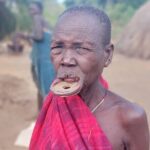
What we particularly like about this tour is the opportunity to visit a Mursi village and see their famous lip plates, a striking tradition that’s rarely encountered outside the region. We also appreciate the carefully curated itinerary that balances cultural visits with stunning views of the regional landscape.
However, the price point—$8,816 per person—may seem high for some, but it reflects an all-inclusive package that covers entrance fees, transportation, and accommodation.
This tour is best suited for travelers who crave a meaningful, guided experience and are prepared for a physically and culturally immersive adventure. If you’re looking for a well-organized trip with deep insights into local traditions, this is a solid choice. Just keep in mind that remote travel in this part of Ethiopia can be challenging but rewarding.
- Key Points
- An In-Depth Look at the Tour Experience
- Starting Point: Arba Minch and First Impressions
- Day 1: Journey into the Heart of the Mursi and Dorze Villages
- Day 2: Exploring the Karo and Hamer Tribes
- Day 3: The Desanech and Cultural Ceremonies
- Day 4: Markets, Landscapes, and Farewell
- The Practical Side: Logistics and Value
- Who Should Consider This Tour?
- Final Thoughts: Is It Worth It?
- Frequently Asked Questions
- The Best Of Jinka!
- More Tours in Jinka
- More Tour Reviews in Jinka
Key Points
 1 / 4
 2 / 4
 3 / 4
 4 / 4
- Authentic tribal encounters: Visit tribes like the Mursi, Karo, Hamer, and Desanech with local guides.
- Cultural highlights: See women with lip plates, witness traditional dances, and explore weekly tribal markets.
- Stunning landscapes: Experience the breathtaking views of the Omo Valley’s diverse terrain.
- Comfort and convenience: Enjoy all ground transfers, accommodations with breakfast, and entry fees included.
- Exclusive experiences: Access to seasonal ceremonies like the Hamar Bull Jumping.
- Limited flexibility: Strict itinerary and high cost may not suit all budgets or preferences.
👉 See our pick of the 9 Of The Best Tours & Things To Do In Jinka
An In-Depth Look at the Tour Experience
You can also read our reviews of more tours and experiences in Jinka.
Starting Point: Arba Minch and First Impressions
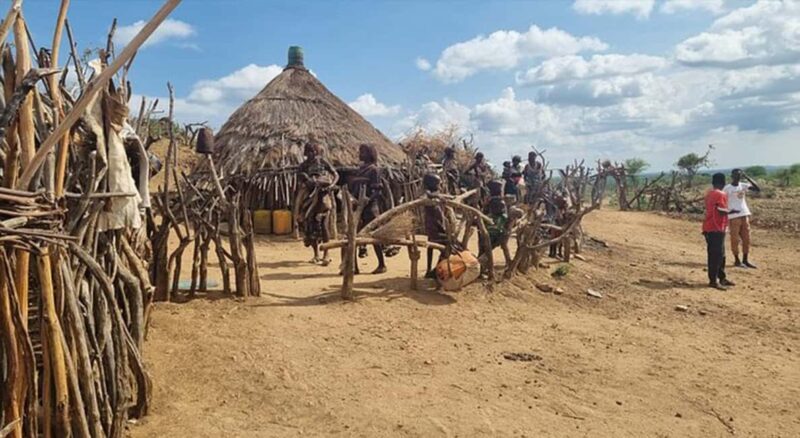
Our journey begins in Arba Minch, a lively town known as “The Mouth of the Giraffe” thanks to the nearby lakes and lush surroundings. From here, the tour kicks off with a comfortable transfer to the Omo Valley, giving travelers a chance to settle into the experience. The transportation is designed for smooth navigation through rugged terrain, which is vital given the remote nature of these tribal villages.
Day 1: Journey into the Heart of the Mursi and Dorze Villages
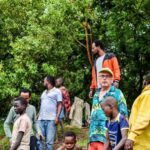
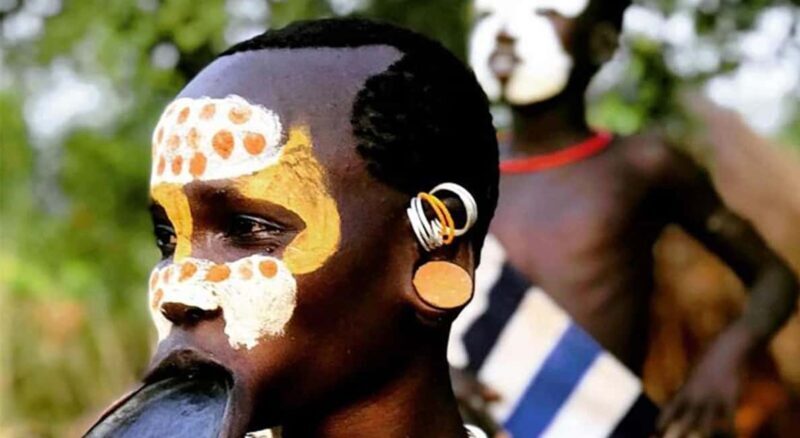
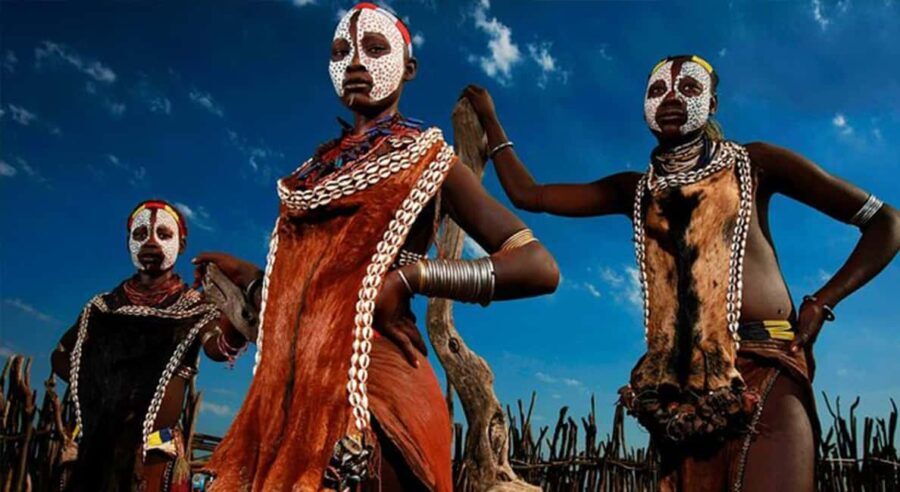
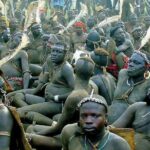
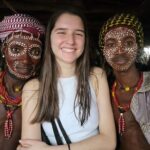
The first significant stop is the Mursi village, famous for women with lip plates—a striking sight that often draws gasps from visitors. Our guides, who are local experts, offer context about the significance of this tradition, which symbolizes beauty and social status. Listening to their explanations helps us appreciate that these practices are much more than photogenic quirks—they are vital parts of the community’s identity.
Later, we visit the Dorze Village, known for its distinctive beehive-shaped houses and weaving tradition. This contrast between the Mursi’s raw tribal culture and the Dorze’s craftsmanship highlights Ethiopia’s diverse cultural tapestry. We loved the way local artisans welcomed us, sharing their weaving techniques and stories.
Day 2: Exploring the Karo and Hamer Tribes
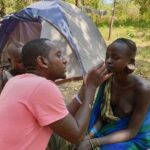
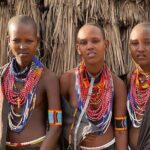
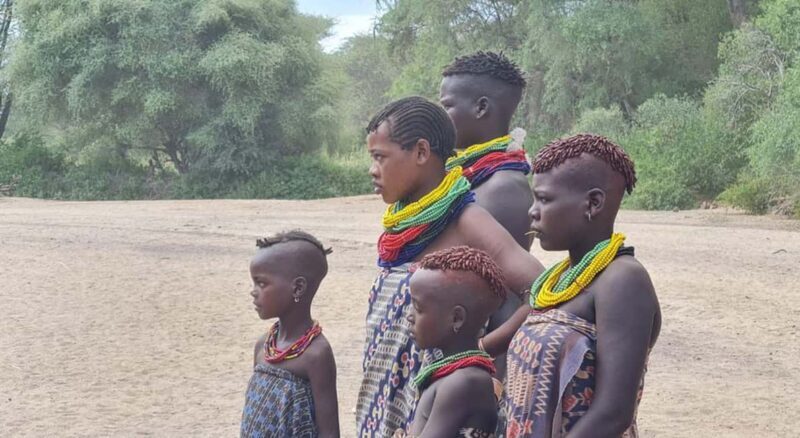
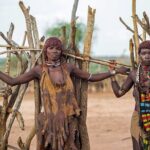
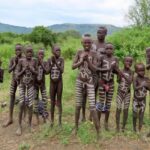
The morning involves a scenic drive to see the Karo tribe, whose body painting and jewelry are excellent photo subjects. The Karo are known for their elaborate face paintings and intricate body decorations, which they wear during ceremonies and daily life.
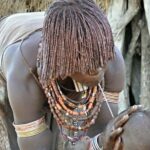
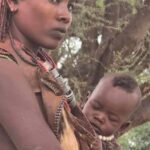
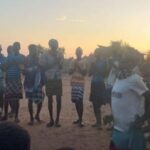
In the afternoon, we visit the Hamer tribe, famous for their weekly markets and bull jumping ceremonies—an event that’s both visually stunning and culturally significant. The Hamer’s traditional dances and rituals are energetic and vibrant, filled with a sense of community and pride. As one reviewer noted, “We loved the way the Hamer women dance and how welcoming the community was.”
More Great Tours NearbyDay 3: The Desanech and Cultural Ceremonies
The third day is packed with visits to the Desanech tribe, where you might catch seasonal ceremonies, offering a rare glimpse into their rituals. The guides’ insights help us understand the symbolism behind their actions, making the experience more meaningful.
The tour’s emphasis on seasonal ceremonies, like the Hamar Bull Jumping, adds a layer of exclusivity—these are events that most travelers don’t get to see without a knowledgeable guide. Expect to witness traditional dances, dress, and rituals that have been passed down through generations.
You can also read our reviews of more tours and experiences in Jinka

Day 4: Markets, Landscapes, and Farewell
The final day features a visit to the vibrant Hamer weekly market, where tribes come together to trade, socialize, and showcase their colorful attire. It’s a lively scene, full of energy and authentic interactions. The landscapes along the way are equally compelling, with sweeping views of the river valleys and semi-arid plains that define the region.
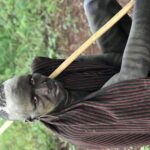
Throughout the journey, the tour provides plenty of opportunities to capture stunning photographs—whether of the rugged landscape or the expressive faces of the tribespeople. Reviewers consistently praise the tour’s ability to blend cultural insight with remarkable scenery.
The Practical Side: Logistics and Value
The tour includes all ground transfers, entrance fees, accommodations with breakfast, and an English-speaking guide. This makes it straightforward for travelers who prefer a hassle-free experience. Not included are airfare, meals (besides breakfast), and alcoholic drinks, which means you have some flexibility and can explore local cuisine on your own.
At over $8,800, the price is steep, yet it covers a comprehensive package that ensures expert guidance and exclusive access to seasonal ceremonies. Many travelers find this price justified, given the level of local expertise, comfort, and the rarity of access to these remote tribes.
The group sizes tend to be small, fostering a more intimate experience. The flexible booking and cancellation policies—reserve now, pay later, and cancel up to 24 hours in advance—are thoughtful touches that add peace of mind.
Who Should Consider This Tour?
This journey suits travelers with a curiosity for culture and a willingness to travel in less-developed regions. It’s ideal if you want more than just sightseeing—you’ll leave with a deeper understanding of Ethiopia’s tribal traditions. Because of the physical demands and remote logistics, it’s better for those in good health who can handle some rugged terrain.
For travelers on a strict budget or those seeking a more relaxed, sightseeing-focused trip, this may not be the best fit. But if your goal is to witness living traditions and enjoy landscapes that are both stunning and culturally significant, this tour offers substantial value.
Final Thoughts: Is It Worth It?
In a nutshell, this tour offers a rare opportunity to see Ethiopia’s tribal communities in their daily settings, guided by knowledgeable locals who can explain the meaning behind each tradition. The combination of cultural encounters and scenic views creates a memorable experience—one that’s educational, visually striking, and genuinely authentic.
It’s best suited for travelers who prioritize depth over comfort, and who aren’t phased by the high price tag in exchange for truly unique experiences. You’ll come away with a richer understanding of a part of Ethiopia that few outsiders ever see.
While the cost might seem high, the access to exclusive ceremonies, local guides, and the chance to witness traditions unchanged for generations make this a meaningful investment for those passionate about cultural travel. For the curious, the adventurous, and the culturally hungry, this tour offers a well-organized, eye-opening journey into Ethiopia’s vibrant tribal world.
From Arba Minch: 4-Day Omo Valley Tribal Guided Tour
Frequently Asked Questions
Is this tour suitable for all ages?
While the tour is generally geared toward adults, those in good health who are comfortable with some rugged travel will enjoy it most. It involves some walking and bumpy roads.
Are accommodations comfortable?
The tour includes accommodations with breakfast, designed for comfort given the remote locations. However, facilities can vary, and travelers should be prepared for basic amenities in some villages.
How physically demanding is the trip?
Expect some walking over uneven terrain, especially during village visits and ceremonies. The landscape can be rugged, so good footwear and a reasonable fitness level are advisable.
What should I bring?
Light, breathable clothing, sun protection, binoculars, camera, and a sense of adventure. Respectful attire is recommended when visiting tribal villages.
Is it easy to communicate with tribespeople?
Guided by local experts, the tour makes communication smoother. You’ll find many tribespeople speak their own languages; guides help bridge the language gap.
Can I see seasonal ceremonies?
Yes, the tour provides access to seasonal ceremonies like the Hamar Bull Jumping, which are rarely open to outsiders without a knowledgeable guide.
To sum it up, this 4-day tour from Arba Minch offers a thoughtfully curated look into Ethiopia’s tribal heartland. It combines cultural insights with stunning views and exclusive access to traditional rituals. Perfect for travelers eager to step beyond the usual tourist path and into the living customs of Ethiopia’s most colorful communities.
You can check availability for your dates here: