
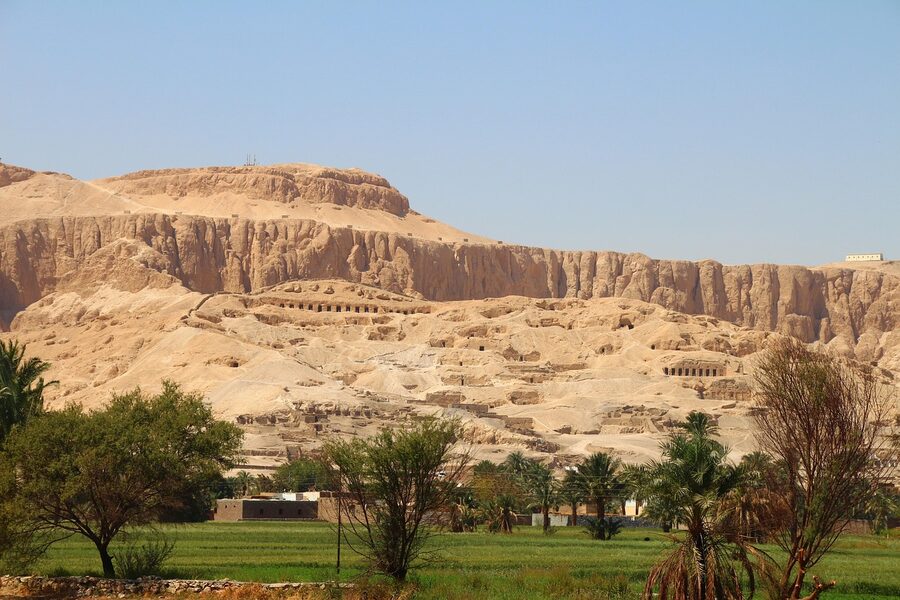
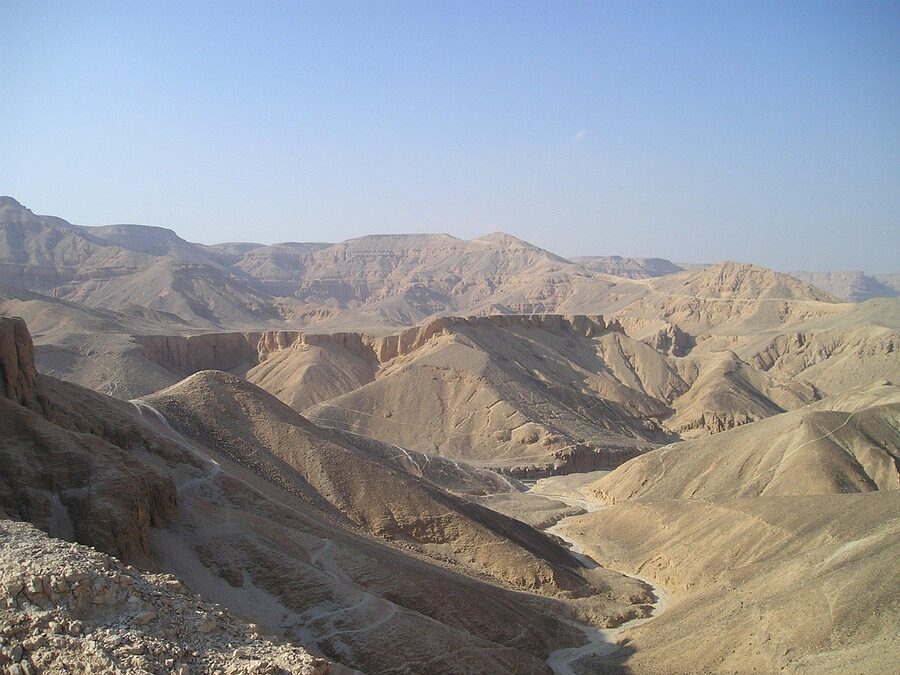
The Valley of the Kings isn’t one tomb — it’s sixty-three. Built over 500 years starting around 1550 BC, the valley holds the resting places of Tutankhamun, Ramses II, Thutmose III, and Queen Hatshepsut. You’ll see three on a standard tour. Each one is a different level of decoration, different pharaoh, different afterlife imagery.
The West Bank of Luxor isn’t just the Valley of the Kings. It’s also Hatshepsut’s Temple at Deir el-Bahari, the Valley of the Queens, the Ramesseum, Medinet Habu, and the Colossi of Memnon. A proper West Bank day covers four or five of these — fast enough to not exhaust you, slow enough to actually see what you’re looking at.
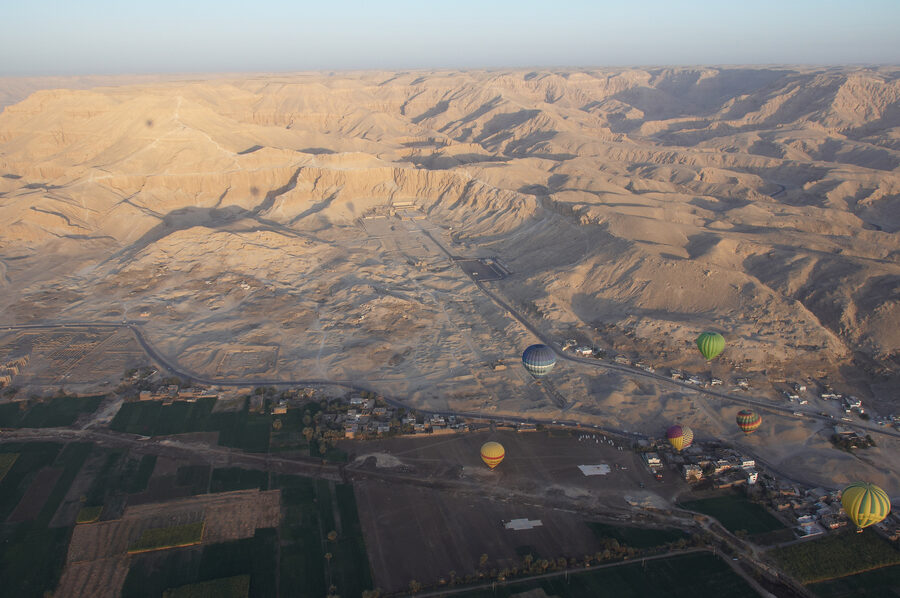
This guide covers three Valley of the Kings tours worth booking, what to expect at each of the major stops, and how to do the West Bank without burning out.
- Three Valley of the Kings Tours Worth Booking
- How Valley of the Kings Visits Actually Work
- Tour #1 — 2-Day Karnak, Luxor Temples, Valley of the Kings Combo (Top Pick)
- 2-Day Tour: Karnak, Luxor Temples, Valley of Kings, Hatshepsut & Memnon — 5 per person
- Hatshepsut’s Temple — The West Bank’s Architectural Masterpiece
- Tour #2 — Valley of the Kings Full Day Tour
- Valley of the Kings Full Day Tour in Luxor — 5 per person
- Tour #3 — West Bank with Egyptologist (Budget Pick)
- Private Excursion to the West Bank with Egyptologist — per person
- Tutankhamun’s Tomb — Worth the Extra Ticket?
- The Colossi of Memnon — Quick Stop
- Valley of the Queens — Add-On Worth Considering
- Best Time of Day and Year
- Pairing With Other Egypt Destinations
- What to Wear
- Pre-Tour Reading
- Opening Hours and Tickets
- Frequently Asked Questions
- The Ramesseum and Medinet Habu
- Deir el-Medina — The Workers’ Village
- Luxor Museum — Worth a Half-Day
- My Bottom Line
Three Valley of the Kings Tours Worth Booking
Luxor West Bank tours span $38 for a half-day with an Egyptologist up to $115+ for a two-day combo with East Bank. For most travelers, the $75-115 range delivers the right balance of depth and coverage.
My top pick is the $115 2-Day Tour: Karnak, Luxor Temples, Valley of the Kings, Hatshepsut and Memnon — you get both banks properly covered across 2 days. For a single-day focus on the West Bank, the $105 Valley of the Kings Full Day Tour is the go-to. Budget option: the $38 Private Excursion to the West Bank with Egyptologist.
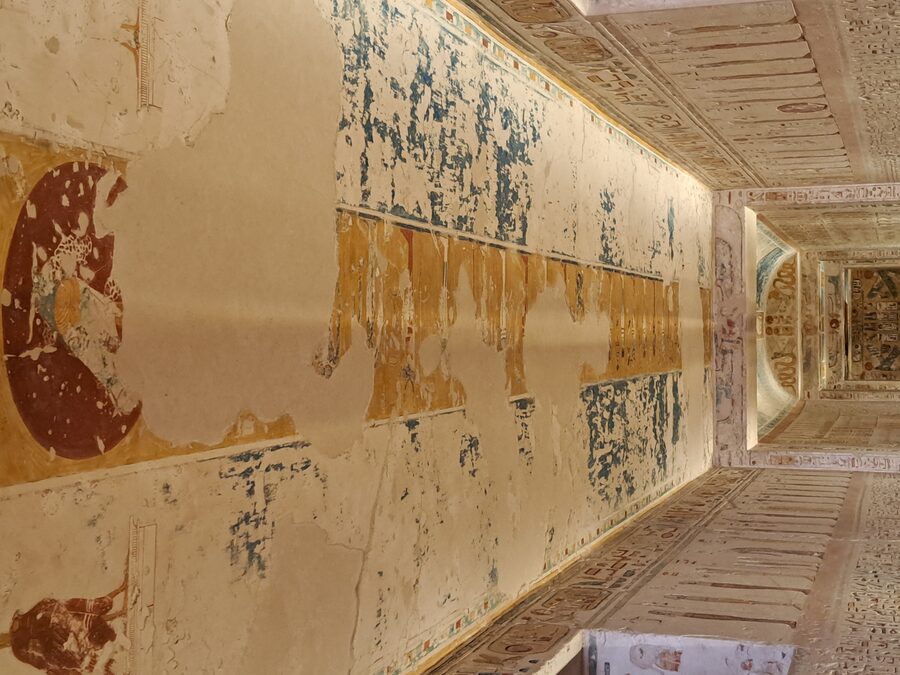
All three include guide, entrance fees to the main sites, and transportation. Lunch is sometimes included (check the specific tour’s inclusions).
How Valley of the Kings Visits Actually Work
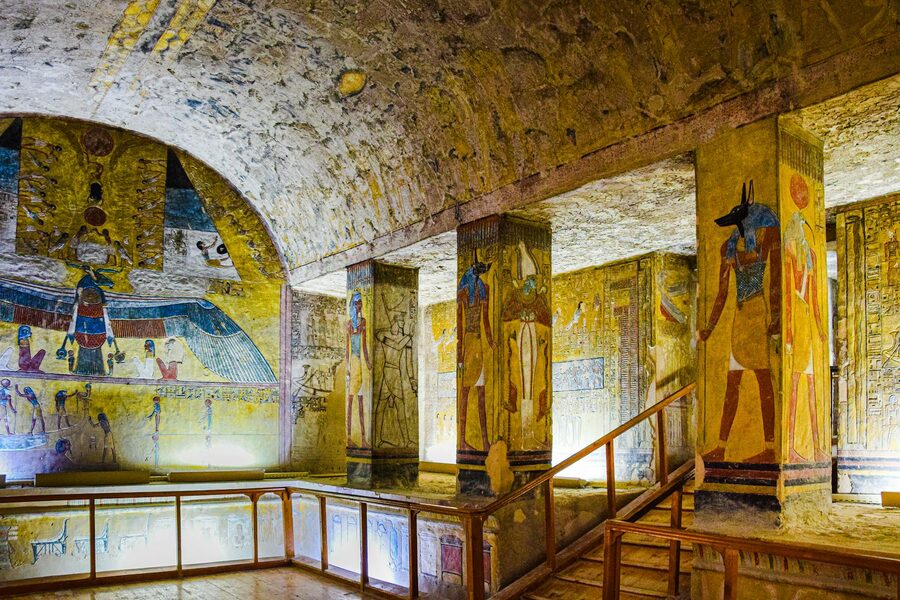
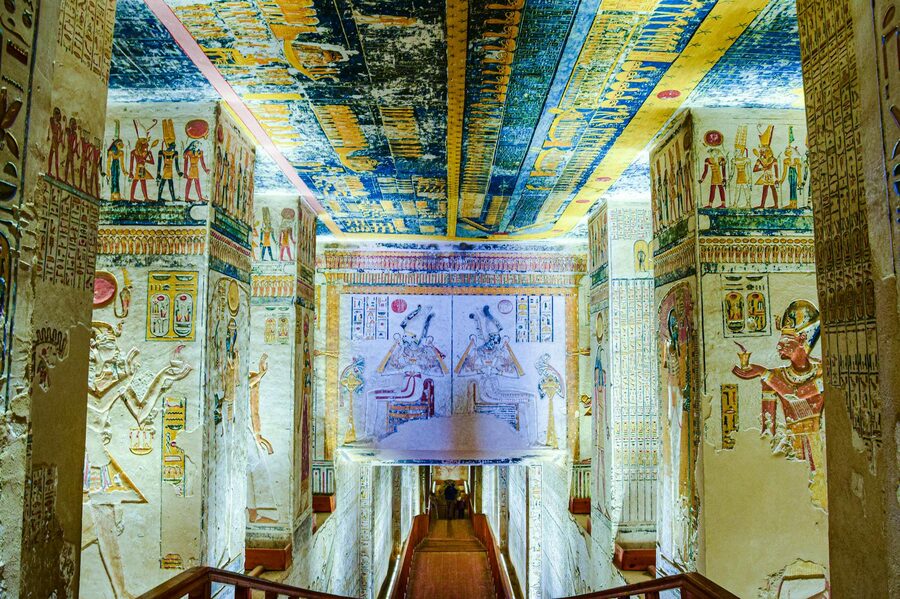
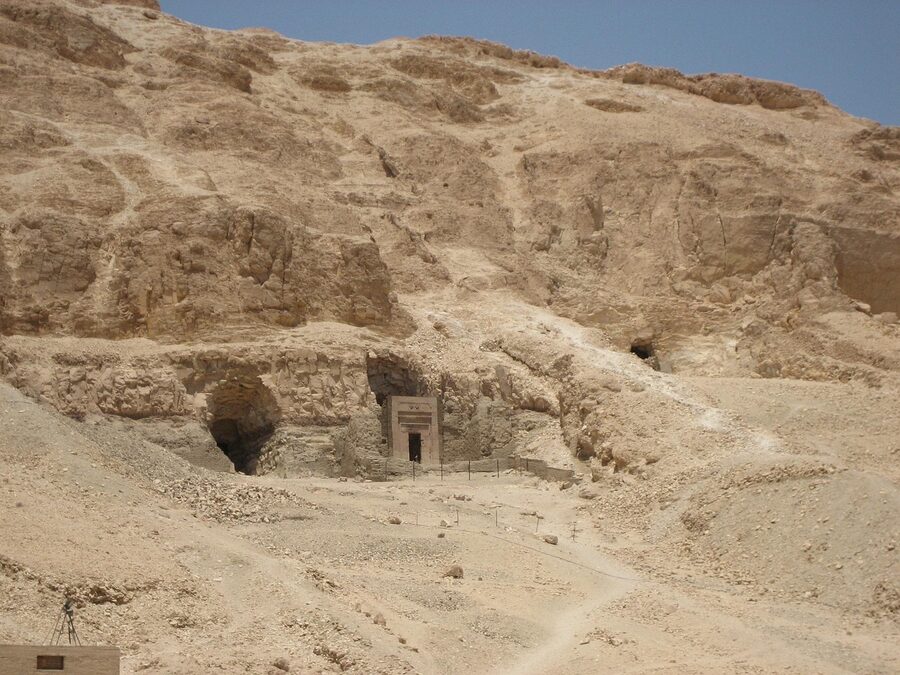
Your entry ticket (240 EGP general, paid in advance or by the guide) gets you into the park plus three tombs. Not any three — three of a rotating set that the authorities keep open to protect the fragile art. Popular choices: Ramses IV (KV2), Ramses III (KV11), Merenptah (KV8).
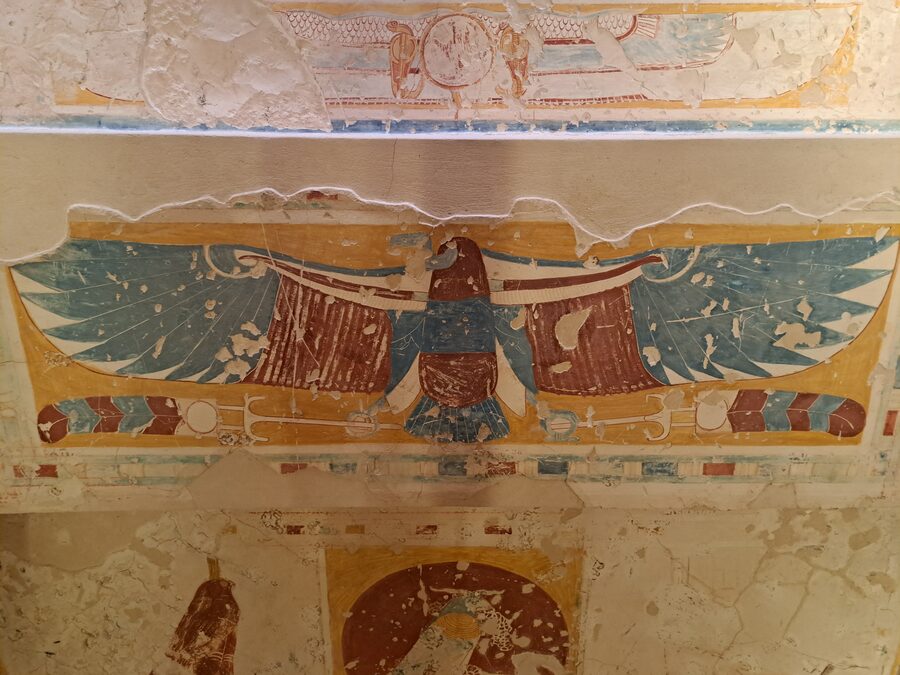
Tutankhamun’s tomb (KV62) is a separate ticket (300 EGP extra). Small and less decorated than the tombs of later pharaohs, but you stand face-to-face with the mummy itself. Worth the extra if it’s your first trip.

Photography: allowed in most tombs, additional 300 EGP photo permit, no flash anywhere. Don’t use flash — the guards will evict you from the valley.
Tour #1 — 2-Day Karnak, Luxor Temples, Valley of the Kings Combo (Top Pick)
2-Day Tour: Karnak, Luxor Temples, Valley of Kings, Hatshepsut & Memnon — $115 per person
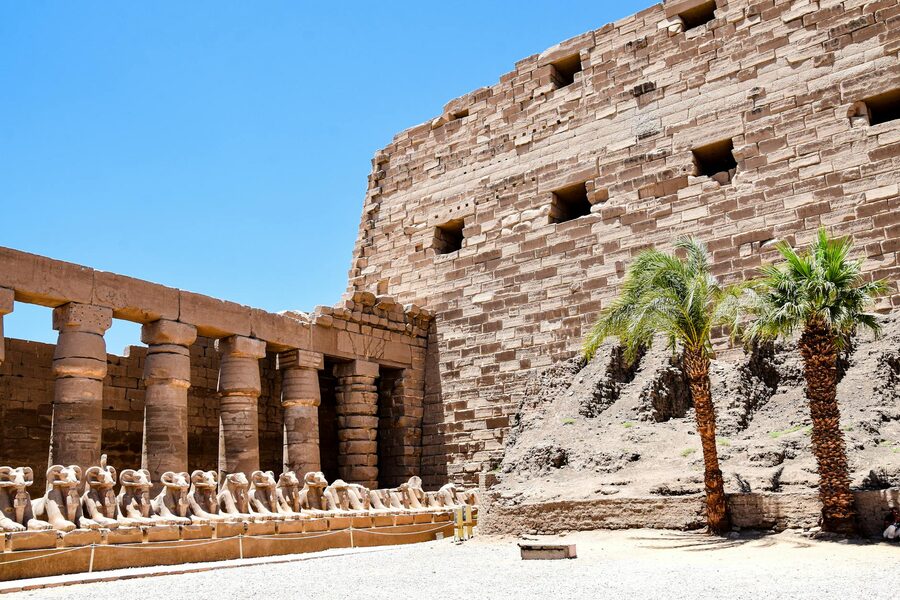
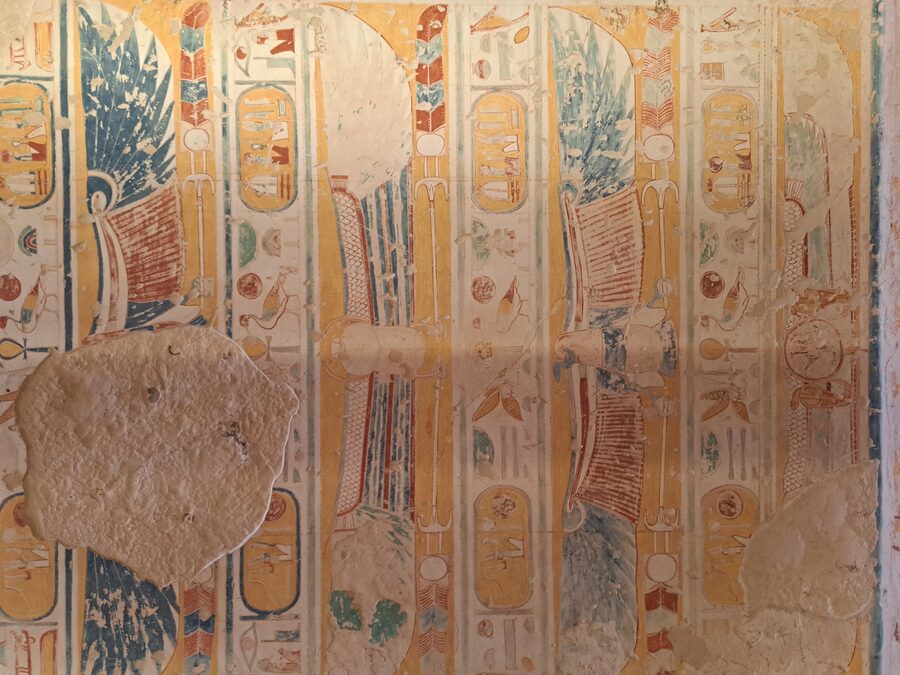
The full Luxor cultural experience across 2 days. Day 1: East Bank — Karnak Temple and Luxor Temple. Day 2: West Bank — Valley of the Kings (3 tombs), Hatshepsut Temple, Colossi of Memnon. Includes Egyptologist guide, all entry fees, and transportation.
Pick this if Luxor is your main cultural stop in Egypt. The 2-day pacing means you see each site properly rather than blazing through.
70 detailed responses at 5.0 stars makes this the proven choice. Details in our 2-day Karnak/Valley of Kings tour review.
Hatshepsut’s Temple — The West Bank’s Architectural Masterpiece
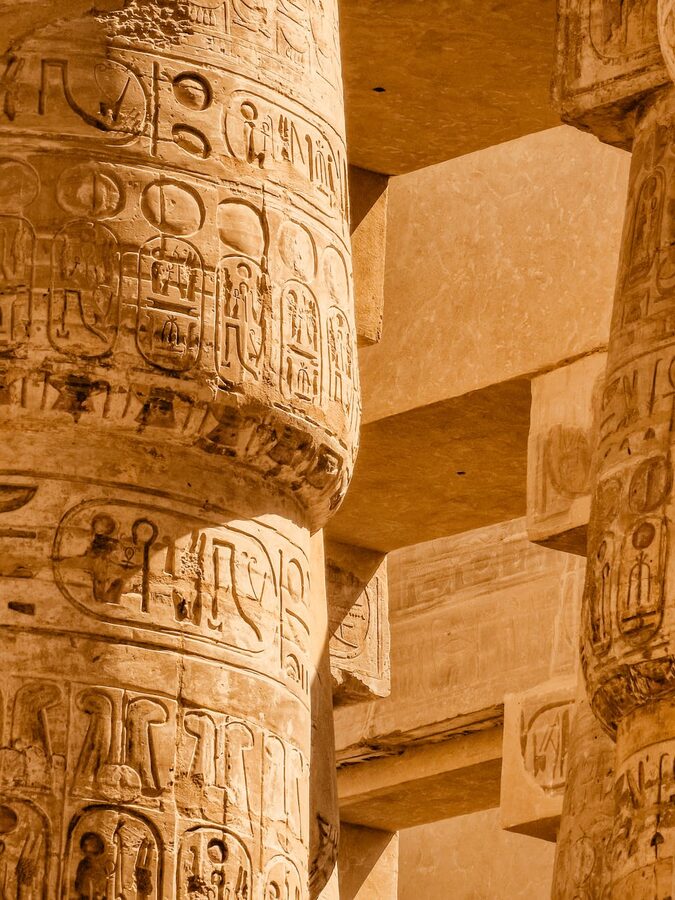
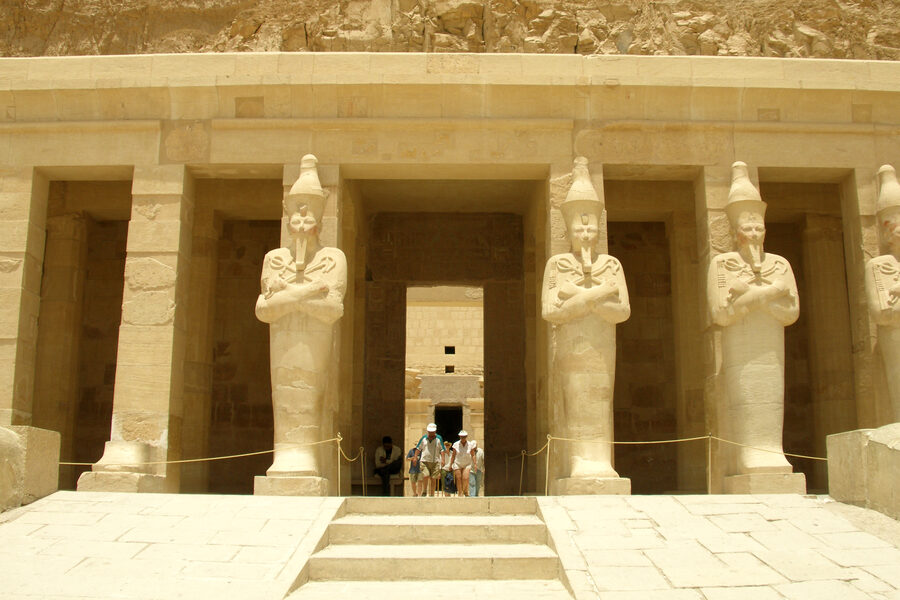
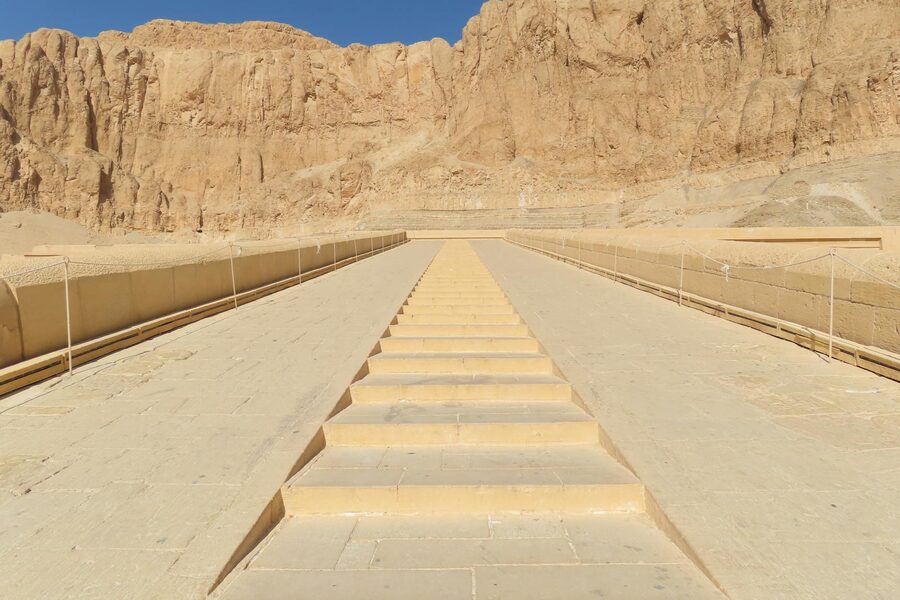
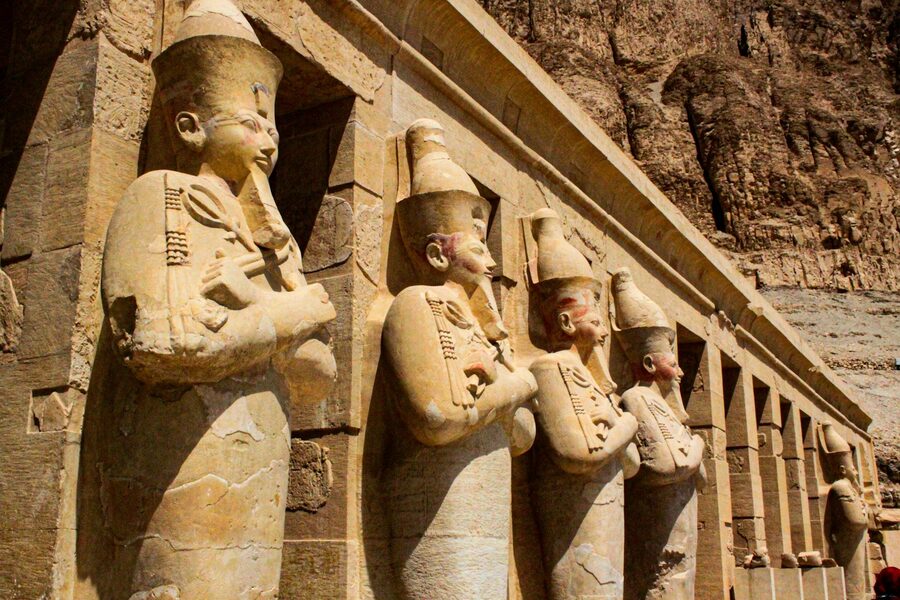
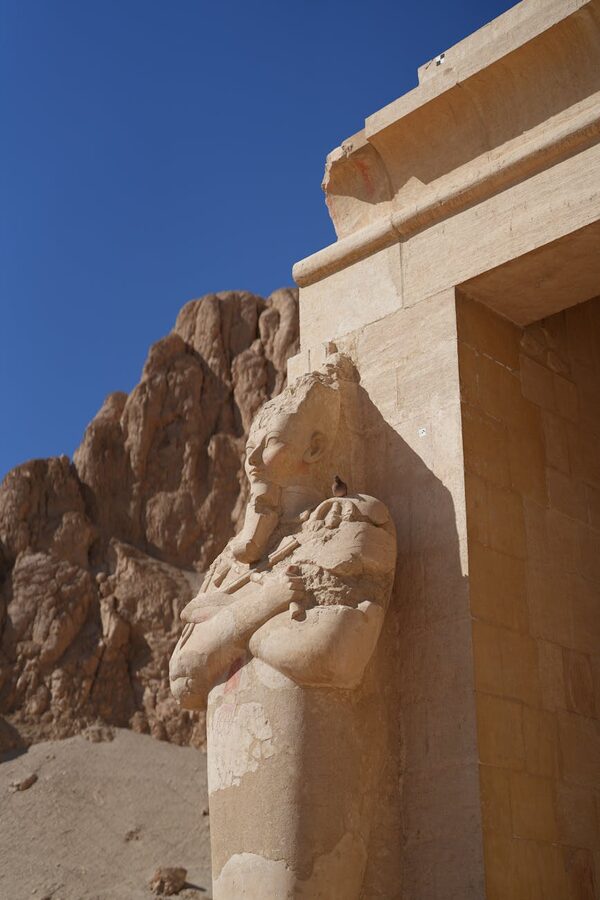
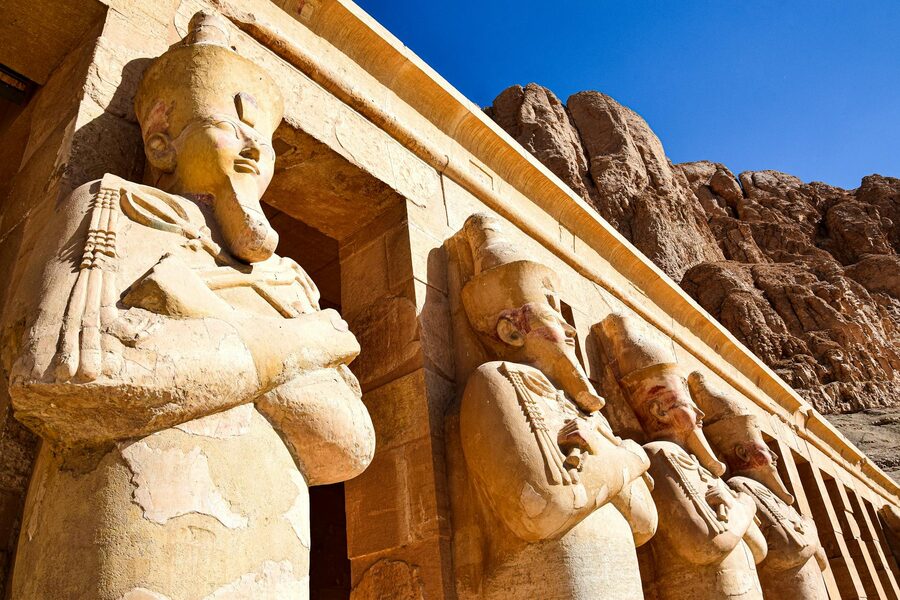
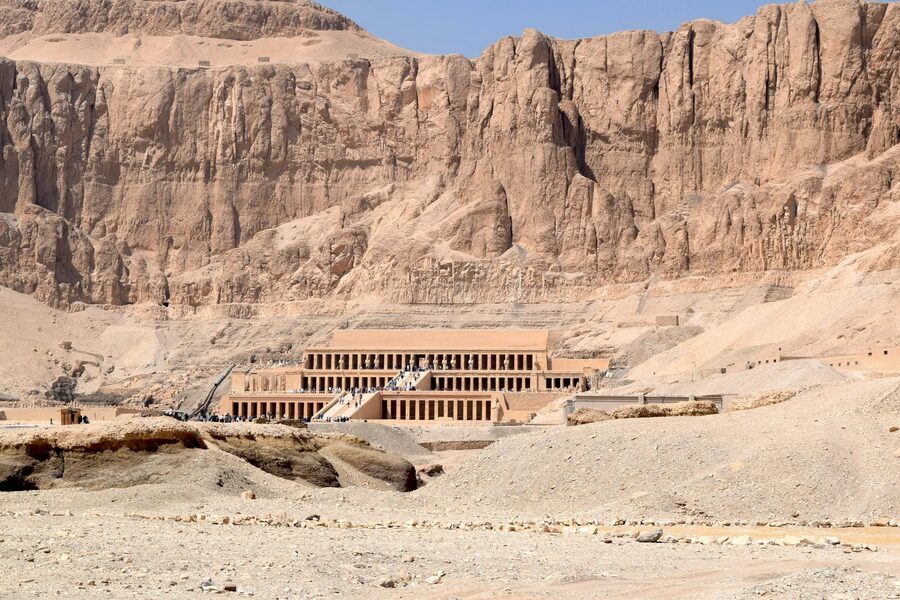
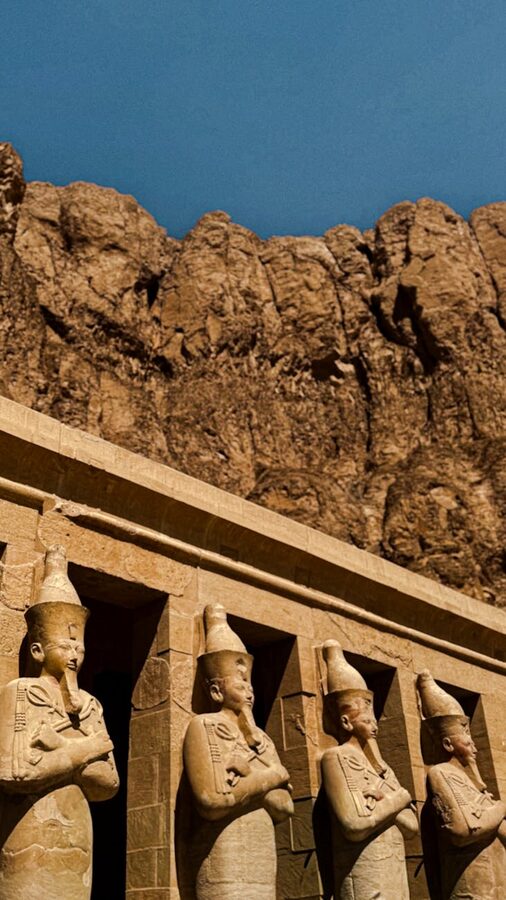
Deir el-Bahari is Hatshepsut’s mortuary temple, carved into a cliff face at the edge of the Valley of the Kings. Built around 1470 BC, it’s three terraces connected by ramps, each supported by colonnades. The design is so elegant it influenced ancient Greek architecture centuries later.
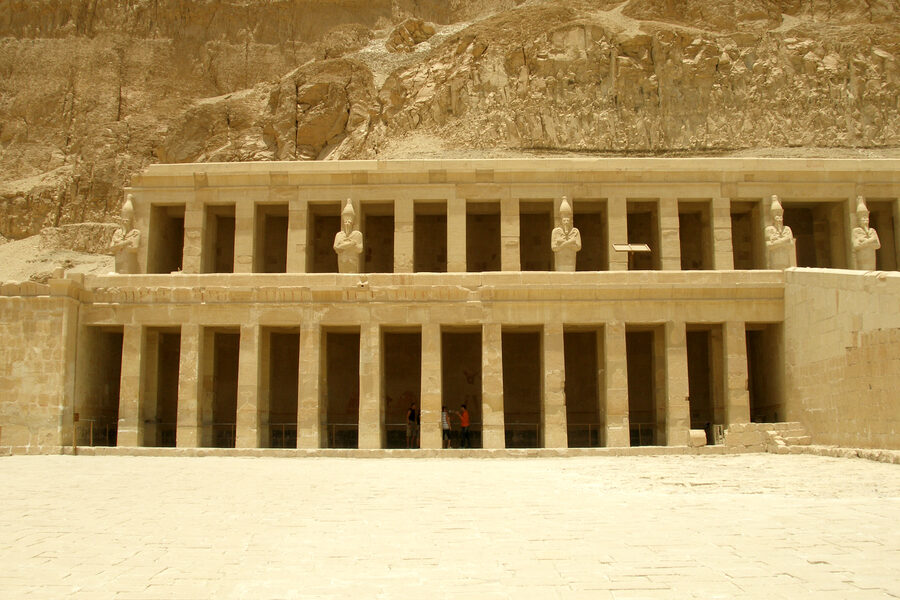
Hatshepsut was one of two female pharaohs (Cleopatra was the other). She ruled 1479-1458 BC, expanded trade to Punt (modern Somalia), and was later erased from history by her successor Thutmose III. The temple is partly restored; much of what you see is reconstruction.
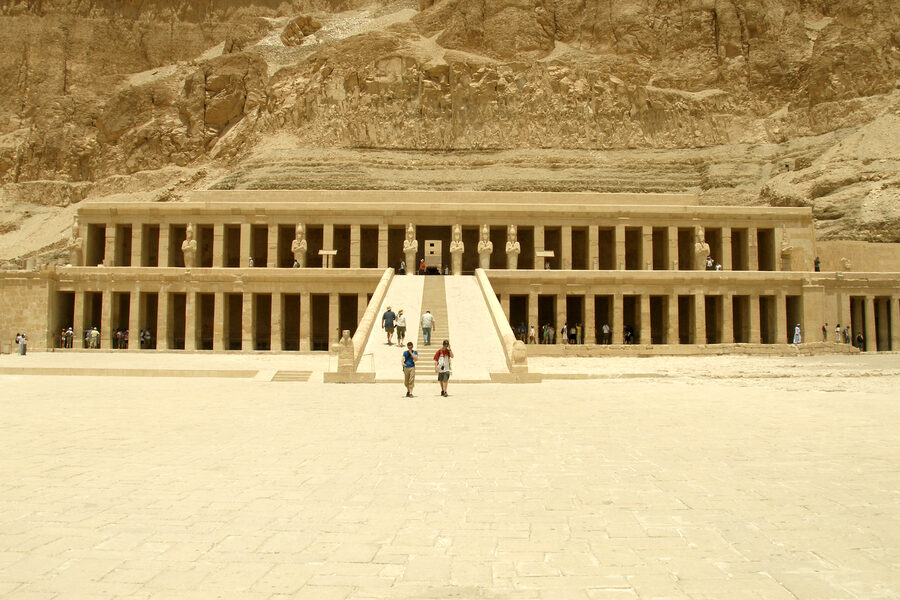
Don’t miss the Punt reliefs in the southern colonnade — the only surviving ancient Egyptian record of trade with sub-Saharan Africa. They depict trees, monkeys, giraffes, and Punt traders in detail.
Tour #2 — Valley of the Kings Full Day Tour
Valley of the Kings Full Day Tour in Luxor — $105 per person
If you have one full day in Luxor and want to focus on the West Bank, this is it. Morning at Valley of the Kings (3 tombs), then Hatshepsut Temple, then Colossi of Memnon. Includes Egyptologist guide and transportation.
Pace is brisk but manageable — 1.5 hours at Valley of Kings, 1 hour at Hatshepsut, 20 minutes at Colossi. Lunch at a West Bank restaurant included.
4.7 stars across 41 detailed responses. See the full itinerary in our Valley of Kings full day review.
Tour #3 — West Bank with Egyptologist (Budget Pick)
Private Excursion to the West Bank with Egyptologist — $38 per person
Private excursion covering the same core West Bank sites with an Egyptologist guide, 4-5 hours, entry fees included but no lunch. Best for travelers who want expert commentary at the lowest price.
Quality of interpretation is the pick’s main benefit. Egyptologists (licensed, with degrees) vs generalist tour guides is a noticeable difference in the depth of what you learn.
5.0 stars across 18 detailed responses. Details in our West Bank Egyptologist tour review.
Tutankhamun’s Tomb — Worth the Extra Ticket?
For most first-time visitors: yes. The small chamber contains Tut’s original mummy in a climate-controlled case. You’re standing where Howard Carter stood in 1922 when he made the most famous archaeology discovery in history.
The decoration is actually underwhelming compared to Ramses III or Seti I — Tut died young and the tomb was hastily completed. The fame is the treasures (now at the Grand Egyptian Museum in Giza) not the architecture.
If it’s your second or third time at the Valley, skip it. If you’ve never been, the extra 300 EGP ($10) is worth paying.
The Colossi of Memnon — Quick Stop
Two 18-meter statues of Amenhotep III, guarding what used to be his mortuary temple (the rest was demolished for stone). Now the only remains of one of the largest temples in ancient Egypt.
The stop is 10-15 minutes. You get out, take photos, listen to the legend (one used to “sing” at dawn due to temperature-induced cracking before the Romans repaired it), get back in the van. Good photo op; not worth longer.
Valley of the Queens — Add-On Worth Considering
Just south of the Valley of the Kings, less crowded, and holds the spectacular tomb of Nefertari (Ramses II’s favorite wife). The tomb is open with a separate ticket (1,400 EGP / $45) and it’s frequently called the most beautiful tomb in Egypt.
If Nefertari’s tomb is open on your day and you can afford the extra cost, add it to your tour. It’s a once-in-a-lifetime sight.
Best Time of Day and Year
Early morning (6-9am) is the best time to visit. Temperatures are coolest, tomb interiors aren’t heated by crowds, and you get the best light on the temples.
By mid-morning, bus groups fill the main paths. Valley of the Kings can have 2,000+ visitors in a day during peak season. Your guide will know which tombs are less crowded.
October through April is the peak season. December-February is ideal weather (15-25°C). Avoid July-August unless you can’t move the trip.
Pairing With Other Egypt Destinations
The Valley of the Kings fits into multiple Egypt itineraries. See the Luxor sunrise balloon guide for a dawn complement. The Luxor day trip from Hurghada covers this as a single-day shuttle. Most Nile cruise visitors see the Valley on the last day of the cruise — see the Nile cruise from Aswan to Luxor.
For Cairo-based travelers, Luxor is an easy 1-hour flight plus 2-3 day side trip. See the Giza Pyramids tour for the Cairo counterpart and the Cairo Nile dinner cruise for the Cairo evening.
What to Wear
Modest, loose clothing. Shoulders and knees covered — Egypt’s dress norms are conservative and tombs often have steep stairs. Close-toed shoes with grip. Hat with brim and sunglasses.
Bring your own water — at least 2L per person for a half-day on the West Bank. Budget: 30-50 EGP for bottled water at park vendors if needed.
Pre-Tour Reading
If you want to prep, two resources help. “The Valley of the Kings” by Nicholas Reeves is the standard reference. For a popular read, Toby Wilkinson’s “The Rise and Fall of Ancient Egypt” covers the broader context of the New Kingdom and the pharaohs whose tombs you’ll see.
For quick orientation: watch the BBC documentary “Tutankhamun: The Last Witness” (2023). Covers both the discovery and the post-Carter understanding of the boy king’s tomb.
Know the three pharaohs most likely to be in your tomb rotation: Ramses III, Ramses IV, Merenptah. A 10-minute read on each will make the visit far more meaningful than arriving with zero context.
Opening Hours and Tickets
Valley of the Kings: open 6am to 4pm (5pm in summer). Last entry 30 minutes before close. Tickets sold at the Visitor Centre near the entrance.
Hatshepsut: open 6am to 5pm. Tickets 160 EGP separate from Valley of Kings.
Luxor Museum: open 9am to 9pm (closes 1-4pm for a siesta break). Tickets 300 EGP.
Book tours in advance, not at the gate. Online pricing includes tickets and guide at a fixed price; gate pricing varies.
Frequently Asked Questions
How many tombs can I see? 3 included in the standard ticket, plus Tutankhamun and/or Nefertari with extra tickets.
Which tombs are best? Ramses III (KV11) is usually the best-decorated. Seti I (KV17) is the longest. Merenptah (KV8) is historically significant but less decorated.
Is a guide necessary? Strongly recommended. Tombs have minimal signage; you’ll miss the context and mythology without one.
Are tombs cool inside? Yes, about 10°C cooler than outside. Bring a light scarf for temperature changes.
How long to allocate? 4-6 hours for a thorough West Bank day. Add 2 hours for the 2-day Karnak combo.
Photography rules? Allowed in most tombs with photo permit (300 EGP). No flash, ever.
How far is the Valley of the Kings from Luxor? 30 minutes by car from central Luxor via the Nile crossing.
Can I climb into the tombs? Yes, with steps — most tombs require walking down 15-30 stairs into the burial chamber.
What about KV2 vs KV11 vs KV17? KV2 (Ramses IV) is bright paint and accessible. KV11 (Ramses III) is the most decorated. KV17 (Seti I) is the longest but often closed. Your guide will navigate the rotation for you.
Is the West Bank accessible for wheelchairs? Partially. Hatshepsut has ramps; most tombs have steps.
The Ramesseum and Medinet Habu
The Ramesseum is Ramses II’s mortuary temple. Partly collapsed (the fallen statue of Ramses inspired Shelley’s poem “Ozymandias”) but the standing columns and wall reliefs are remarkable. Under-visited; you may have the site to yourself.
Medinet Habu is Ramses III’s mortuary temple, better preserved than the Ramesseum. The wall reliefs show the Sea Peoples battle and hunting scenes. Often included on the 2-day tour but rushed; a proper visit takes 90 minutes.
Both sites have separate tickets (100-160 EGP each). If you’re doing the West Bank thoroughly, add one or both to your day.
Deir el-Medina — The Workers’ Village
Five minutes from Valley of the Kings, this was the village where the craftsmen who built the royal tombs lived with their families. Excavated in the 20th century, you can walk among the stone foundations of their houses and see some of their tombs.
What makes it special: the ostraca (pottery shards with graffiti and letters) found here are the most detailed record of daily life in any ancient civilization. Workers wrote about strikes, court cases, dreams, and love affairs.
The site has three particularly elaborate tombs open to visitors — Sennedjem’s tomb (TT1) is the standout with jewel-bright paintings. Entry: 100 EGP, often bundled into the West Bank ticket.
Luxor Museum — Worth a Half-Day
If you have extra time, the Luxor Museum on the East Bank is smaller, better curated, and less crowded than the Grand Egyptian Museum in Cairo. Key exhibits: the mummy of Ahmose I, royal statues of Amenhotep III, and the Akhenaten wall recovered from Karnak.
Entry: 300 EGP. Allow 2 hours. Good evening option after a morning West Bank tour.
My Bottom Line
The Valley of the Kings is the cornerstone of any Egypt trip. Tombs are intact, paintings preserved, and the setting is extraordinary. For $38-115 per person, you see some of the most extraordinary artwork humanity has ever made.
Book the $115 2-Day Combo with Karnak for comprehensive Luxor. Go with the $105 Valley of Kings Full Day for a single focused day. Save with the $38 Egyptologist Excursion if budget is tight.
For context on the broader Upper Egypt experience, see the Luxor sunrise balloon guide for a dawn visit to the Valley from above, the Luxor day trip from Hurghada for a single-day shuttle option, and the Nile cruise guide for the 4-day river journey that ends with a Valley of Kings visit.
Go early. Dress modestly. Pay the extra for Tutankhamun if you’re a first-timer. And resist the urge to use flash — it destroys the paintings and gets you ejected from the park. Egyptian tourism police enforce this vigorously, and rightfully so.