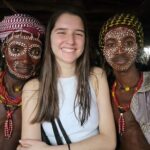
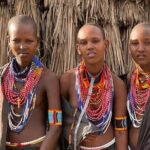
Traveling to Ethiopia and skipping the Omo Valley is like visiting Italy without tasting pasta — you miss the essence of what makes this region extraordinary. This guided tour offers a rare glimpse into the lives of some of Africa’s most unique and colorful tribes: the Mursi, Hamer, Karo, Banna, and Daasanach.
If you’re eager to see authentic customs, vibrant dress, and age-old ceremonies, this trip could be a highlight of your Ethiopian adventure.
We particularly appreciate how the tour balances culture with practical comfort—professional guides, included entrance fees, and local food help keep things smooth. The highlight for many is the chance to witness the Mursi women with their famous lip plates and the Hamer’s bull jumping ceremony, both powerful symbols of cultural identity.
On the downside, the trip involves moderate walking on uneven terrain, and some cultural practices, like nudity, might be surprising if you’re not prepared.
This tour suits those curious about traditional societies, eager for authentic experiences, and comfortable with a bit of adventure.
- Key Points
- An In-Depth Look at the Omo Valley Tour
- Starting with the Mursi Tribe: Lip Plates and Pastoral Life
- The Hamer Tribe: Bull Jumping and Traditional Elegance
- The Karo Tribe: Body Painting and Pottery Skills
- The Banna Tribe: Colorful Clothing and Dances
- The Daasanach: Semi-Nomadic Lifestyle and Unique Dress
- What To Expect During the Tour
- The Value of the Experience
- Practical Tips
- Who Should Consider This Tour?
- Frequently Asked Questions
- The Best Of Jinka!
- More Tours in Jinka
- More Tour Reviews in Jinka
Key Points
Authentic cultural encounters are front and center, from lip plates to body painting.
Visits to multiple tribes allow for a broad understanding of the region’s diversity.
Practical amenities, including hotel pickup and local meals, enhance the experience.
Moderate walking means comfortable shoes are essential.
Respectful photography is encouraged — ask permission before snapping pictures.
Price reflects a comprehensive, guided experience, offering good value for the depth of cultural insights.
👉 See our pick of the 9 Of The Best Tours & Things To Do In Jinka
An In-Depth Look at the Omo Valley Tour
You can also read our reviews of more tours and experiences in Jinka.

Starting with the Mursi Tribe: Lip Plates and Pastoral Life
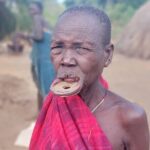
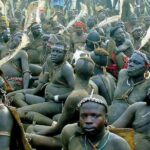
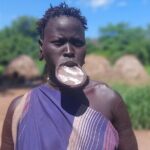
The tour kicks off with a visit to the Mursi, arguably the most famous of the Omo tribes. Known for their striking lip plates, the women wear large clay discs as a mark of beauty and social status. We loved the way this simple yet profound practice symbolizes maturity and identity. The Mursi are pastoralists, primarily cattle herders, living in traditional huts made of mud and thatch, situated within the remote Mago National Park.
Seeing the women with their lip plates is a visual jolt — it’s not just a photo op but a window into a society that values physical adornment as a symbol of community and beauty. Our guide explained that such customs are deeply rooted in their cultural fabric, and though some visitors might be taken aback, understanding the significance makes these images more meaningful.
However, the Mursi are also quite wary of outsiders, so patience and respectful behavior are necessary. The tour’s inclusion of entrance fees and local guides helps foster respectful interactions, ensuring you get a genuine glimpse without feeling intrusive.
The Hamer Tribe: Bull Jumping and Traditional Elegance
Next, we traveled to the Hamer people, renowned for their bull jumping ceremony, an intense rite of passage for young men. Witnessing this event is like watching a living piece of history — young men leap over cattle to prove their manhood, a tradition that still holds great societal importance.
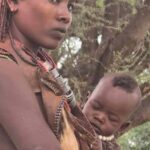
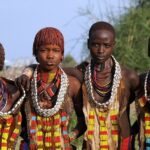
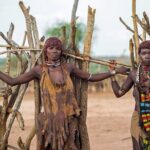
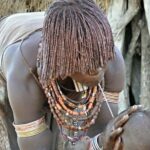
The Hamer are also celebrated for their elaborate hairstyles, dresses, and jewelry. Bright beads, cowrie shells, and intricate braids adorn their bodies, creating a vibrant visual feast. We loved the way their traditional attire reflects their cultural identity — it’s both a display of craftsmanship and community pride.
The guide explained the significance of cattle not just as economic assets but as social currency. The Hamer’s emphasis on cattle and their ceremonies offers a window into a society that values strength, bravery, and social bonds. While the bull jumping might be the main event, simply walking through their villages, observing the daily life, offers authentic insight into their customs.
The Karo Tribe: Body Painting and Pottery Skills
The Karo people, based on the eastern banks of the Omo River, are master body painters and pottery makers. Their intricate designs using white chalk and ochre are incredible to see up close — these patterns are often part of ceremonies and social occasions, symbolizing beauty and social status.
We appreciated the guide’s explanations about the significance of the body art and the Karo’s reliance on fishing and agriculture for sustenance. Their pottery is both functional and artistic, often featuring colorful decorations that reflect their cultural identity.
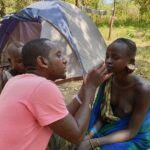
Photographs capture their vibrant body art beautifully, but as with all tribes, asking permission before taking pictures shows respect for their traditions. The Karo’s skills in pottery and body painting highlight their creativity and the importance of visual expression in their community.
More Great Tours NearbyThe Banna Tribe: Colorful Clothing and Dances
Moving on, the Banna tribe is known for elaborate hairstyles, bright clothing, and beadwork. These features aren’t just aesthetic — they represent social status and identity, especially during dances and ceremonies. We loved observing the lively dances, where traditional rhythms and movements connect the community.
The Banna are primarily agricultural, cultivating crops like sorghum, maize, and coffee. Their strong cultural identity is visible in their dress and rituals, making each visit a feast for the senses. The tour allows time to observe and even participate in some of their dances, which adds an engaging layer to the experience.
The Daasanach: Semi-Nomadic Lifestyle and Unique Dress
Finally, we visited the Daasanach, semi-nomadic pastoralists living along the Omo River. Their use of animal skins and beads for decoration reflects their adaptation to a semi-arid environment. Their lifestyle, combining livestock herding and fishing, provides an authentic look at how they manage to survive and thrive in challenging conditions.
The Daasanach’s way of dressing and their subsistence methods underscore their resilience and deep connection to the land and animals. This part of the tour tends to be more relaxed, offering opportunities to photograph their distinctive attire and learn about their daily routines.
What To Expect During the Tour
You can expect a full day of cultural discovery, with a professional English-speaking guide leading the way. Entrance fees are included, meaning less hassle and more focus on the experience. The tour includes a traditional Ethiopian coffee ceremony—an aromatic, social ritual—and a meal at a local restaurant, giving you a taste of genuine Ethiopian hospitality.
Transportation is arranged from your hotel, with comfortable pickup and drop-off. The tour involves moderate walking on uneven surfaces, so comfortable shoes are essential. Be ready for a mix of outdoor conditions—sunny, dusty, or occasionally overcast—and bring sun protection, water, and camera gear.
The group size tends to be manageable, allowing for personal interactions and questions. As many reviews have noted, the tour runs smoothly, thanks to the professional guidance and organized logistics.
The Value of the Experience
At $1,100 per person, the price might seem steep, but it covers a full day of guided cultural encounters, entrance fees, local meals, and transportation—all key for a smooth, enriching experience. This isn’t a quick snapshot but a chance to connect with communities in a respectful, meaningful way. The opportunity to see multiple tribes in one trip offers great value, especially if you’re eager to understand Ethiopia’s incredible diversity in a single day.
Practical Tips
- Wear comfortable shoes for walking on uneven ground.
- Bring sunglasses, hat, and sunscreen to stay protected.
- Carry a water bottle—you’ll be outdoors most of the day.
- Always ask permission before photographing people.
- Be respectful of nudity or traditional practices; it’s part of their culture.
- The tour isn’t suitable for those with mobility issues or young children under 12.
Who Should Consider This Tour?
This experience is ideal for adventurous travelers fascinated by cultural diversity and traditional societies. It suits those who want more than just sightseeing — who seek genuine interactions, visual storytelling, and understanding of how these communities live. If you’re comfortable with moderate walking and outdoor conditions, you’ll find this tour both exciting and rewarding.
However, it may not be best for travelers with mobility limitations, young children, pregnant women, or those uncomfortable with nudity or certain cultural practices. The price makes it a significant investment, but for those eager to gain authentic insights and images, it offers good value.
Omo Valley: Tour to Vibrant Cultures of Omo Valley tribes
Frequently Asked Questions
How long is the tour?
The guide indicates a full-day experience, with pickups and drop-offs arranged, and includes visits to multiple tribes.
Are entrance fees included?
Yes, all entrance fees to the sites are covered as part of the tour package.
Is food provided?
You will enjoy a traditional Ethiopian coffee ceremony and lunch at a local restaurant, included in the price.
What should I bring?
Comfortable shoes, sunglasses, a hat, camera, sunscreen, and water are essential for the outdoor day.
Can I take photos of the tribes?
Yes, photography is allowed, but always ask for permission before taking pictures of individuals or ceremonies.
Is the tour suitable for children?
It’s not recommended for children under 12 due to walking and cultural sensitivities.
What if I have mobility issues?
The tour involves walking on uneven surfaces, so it’s not suitable for those with mobility impairments.
How do I cancel or change my booking?
You can cancel up to 24 hours in advance for a full refund, making it flexible for last-minute changes.
In summary, this tour offers a rare opportunity to witness Ethiopia’s cultural diversity firsthand. It’s an enriching experience for travelers eager for authentic, eye-opening encounters with tribes that have preserved their age-old customs. While it demands a bit of physical effort and cultural sensitivity, the rewards are well worth it for those curious about the human stories behind these vibrant societies.
You can check availability for your dates here: