If you’re visiting Tokyo and want to peek behind the curtain of one of Japan’s most iconic sports, this Sumo Morning Practice Tour offers a rare and authentic look into the daily life of a sumo wrestler. It’s a structured, guided experience that takes you inside a sumo stable, where you’ll observe the intense training routines that prepare wrestlers for their tournaments.
What we love about this tour is how close-up and intimate it feels—you’re not just watching from afar; you’re right there with these towering, disciplined athletes. Secondly, the knowledgeable guides add a layer of understanding that transforms mere watching into a genuine cultural lesson.
A possible drawback? The tour’s timing and the quiet, respectful atmosphere mean it may not be suitable for those craving a lively, spectator-style event.
This experience is perfect for curious travelers interested in Japanese culture, sports enthusiasts wanting a behind-the-scenes view, or anyone eager to see the traditions of sumo firsthand. It’s less about entertainment and more about understanding the discipline and history that make sumo a living Japanese tradition.
- Key Points
- What to Expect During Your Sumō Morning Practice Tour
- Inside the Stable: The Heart of the Experience
- Observing Practice: Respect and Silence
- After the Training: Questions and Exploration
- Practical Details That Matter
- Authenticity and Value for Travelers
- What’s Nice About the Tour
- Things to Keep in Mind
- Who Would Love This Tour?
- The Sum Up
- FAQ
- More Morning in Tokyo
- More Tours in Tokyo
- More Tour Reviews in Tokyo
Key Points
 1 / 5
 2 / 5
 3 / 5
 4 / 5
 5 / 5
- Authentic Experience: Witness real sumo training in a traditional stable, not just a staged show.
- Cultural Insights: Learn about sumo’s Shinto roots and its role in modern Japan.
- Close-up Viewing: See the wrestlers’ intense routines up close and hear the sounds of their practice.
- Knowledgeable Guides: Guides provide context, answering questions and explaining traditions.
- Good Value: At $124, it offers a deep, culturally rich experience — an engaging alternative to major tournaments.
- Practical Details: 2-hour tour, small group size, and convenient location near public transit.
What to Expect During Your Sumō Morning Practice Tour
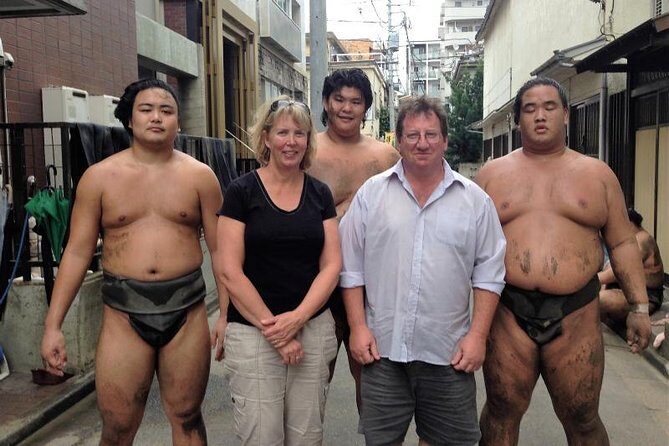
The tour begins early, with a meet-up at Ryogoku Station Gallery at 7:45 am. This timing is ideal because sumo wrestlers start their rigorous routines in the morning when they are freshest and most concentrated. Your guide will accompany you as you walk to a sumo stable, a place where wrestlers live and train in accordance with centuries-old traditions.
You can also read our reviews of more tours and experiences in Tokyo

Inside the Stable: The Heart of the Experience
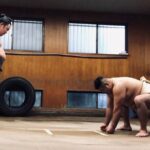
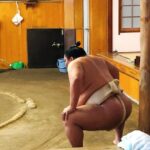
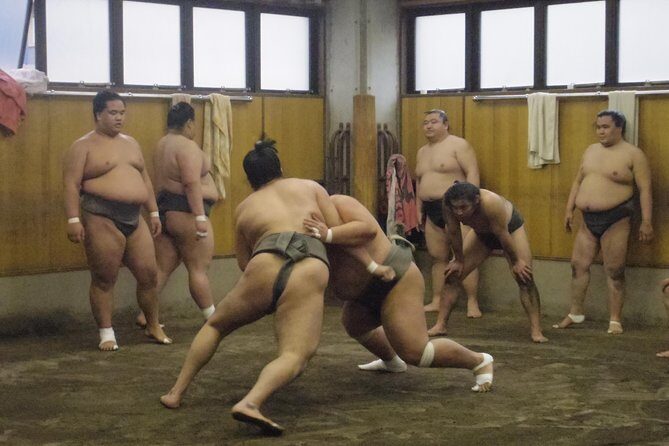
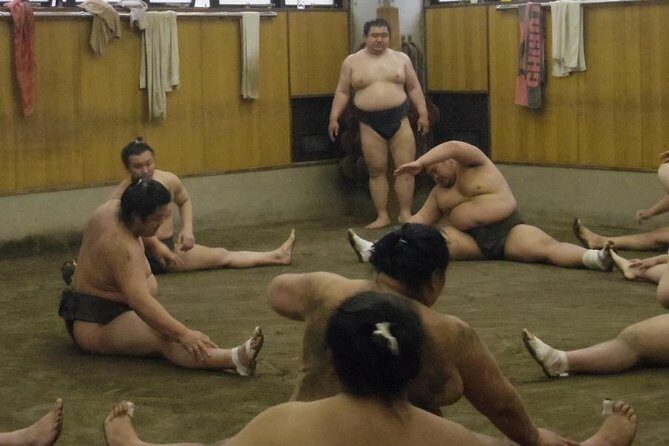
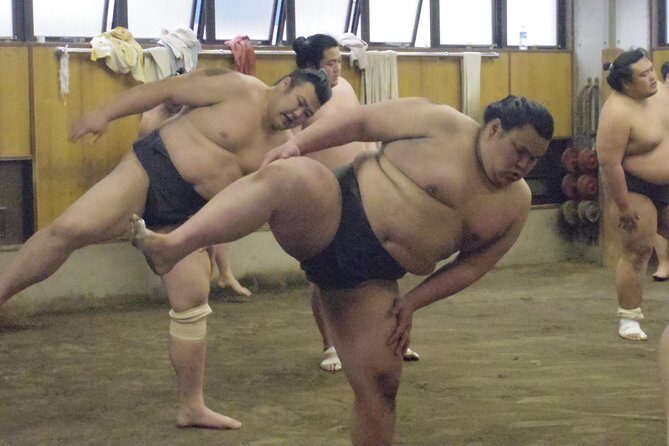
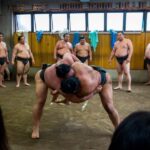
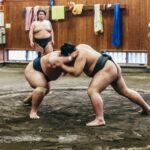
Once inside, you’ll be in a space that’s both functional and symbolic. The training area is simple—sand on the ground, with a ring for bouts—yet steeped in ritual. You’ll find yourself watching imposing wrestlers as they move through their exercises, stretching, lifting, practicing footwork, and engaging in head-to-head matches.
Several reviews highlight how powerful and flexible these athletes are, with one guest noting, “It was amazing to see how strong and flexible they are.” The soundscape of wrestlers crashing into each other is louder than expected, adding a visceral element to the experience.
Guides will explain how Shinto traditions underpin sumo, from the rituals performed before matches to the strict discipline observed in daily routines. You’ll also learn about the six annual grand tournaments—major events held in Tokyo, Osaka, Nagoya, and Fukuoka that draw thousands of spectators and showcase top wrestlers.
Observing Practice: Respect and Silence
Visitors are expected to maintain a quiet, respectful demeanor throughout. Photos are allowed but only without flash or shutter sounds, and videos are strictly prohibited. The environment is one of concentration—wrestlers are deeply focused, often in a meditative state, which many reviews describe as a zen-like atmosphere.
Some guests mention the temperature can be quite hot, especially in summer, with no air conditioning. Bringing a cold towel or water is recommended, as well as avoiding hats or sunglasses in the stable.
After the Training: Questions and Exploration
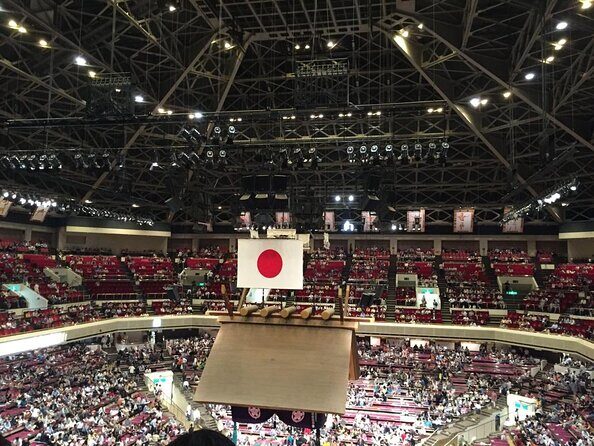
Once the session concludes, your guide might take you to the Sumo Museum or walk past the Ryogoku Kokugikan, Tokyo’s arena for sumo tournaments. These optional stops deepen your understanding of sumo’s history and its cultural significance.
Practical Details That Matter
The tour lasts about 2 hours, with most participants booking about 23 days in advance. It’s a small-group experience (max 20 people), which helps maintain the quiet, respectful environment. The price of $124 offers good value, given the insider access and expert guidance.
Transportation involves a short walk or train ride from Ryogoku Station, simplifying logistics. Confirmations come immediately after booking, and the tour is suitable for travelers aged 12 and above, with some restrictions for younger children.





Authenticity and Value for Travelers
This tour is a fantastic way to gain authentic insight into sumo, far from the glitz of the grand tournaments. Instead of sitting in a stadium as a passive spectator, you see the training routines that forge champions—giving you a new appreciation for the discipline, tradition, and physicality involved.
Guests often comment on the knowledge of guides—they make complex traditions accessible, connecting the sport to Japanese Shinto rituals and cultural values. Multiple reviews mention how powerful and concentrated the wrestlers appear, and how this experience exceeds expectations compared to watching sumo on TV or at a tournament.
The value here is in the depth of experience—stories, traditions, and skills shared by guides, combined with the up-close view of the wrestlers’ routines. It’s not flashy or overly commercialized; it’s a sincere look at a sport that’s deeply woven into Japan’s identity.
What’s Nice About the Tour
Most guests find the small group size enhances the experience—no feeling of being herded around, just a respectful, intimate encounter. The timing in the morning captures the wrestlers’ peak focus, making the training more meaningful.
Having a local guide also means you receive insider insights—learning the history, rituals, and training customs that shape sumo. And because the tour includes a visit to the sumo museum or passing by the Kokugikan, it balances training observation with cultural context.
Things to Keep in Mind
This experience isn’t about spectator fun like a tournament; it’s about understanding. That means maintaining silence and respecting the wrestlers’ concentration. During summer months, it can be quite hot inside, so preparation is key. Also, since you cannot re-enter the stable once you leave, plan to stay until the end of the session.
For families, the minimum age is 12, and younger children aren’t permitted inside the stable, making this a better experience for older kids and adults.
Who Would Love This Tour?
Travelers with a keen interest in Japanese culture or sports will find this especially rewarding. It’s ideal for those who value authentic experiences over staged shows. If you want to see how sumo wrestlers train daily, not just the spectacle of a tournament, this is your chance.
People interested in traditions, rituals, and discipline will enjoy the insights provided. It’s also suitable for those who want a quiet, contemplative environment, as the atmosphere emphasizes respect and concentration.
However, if you’re expecting a lively, crowd-filled event or are traveling with very young children, you might want to consider other options. Still, for a deep dive into sumo’s roots, this tour hits the mark.
The Sum Up
This Sumo Morning Practice Tour offers a rare, unfiltered look into the disciplined world of sumo wrestlers. It’s a superb choice for those eager to learn about one of Japan’s oldest cultural traditions from the inside. The expert guides, intimate environment, and authentic routines combine to create a memorable experience that goes beyond watching a match—it’s about understanding the spiritual and physical discipline** behind the sport.
The tour’s reasonable price for the depth of insight and access makes it a worthwhile investment for anyone interested in Japanese culture or sports. Its quiet, respectful setting might not suit everyone, but for those who want a genuine, immersive experience, it’s hard to beat.
Whether you’re a history buff, a sports enthusiast, or simply curious about Japan’s customs, this sumo tour will leave you with stories and insights that last long after you leave the stable.
Tokyo Sumo Morning Practice Tour at Stable
FAQ
What is the meeting point for the tour?
The tour begins at the Ryogoku Station Gallery, with the guide meeting guests at 7:45 am before heading to the stable.
How long does the tour last?
Approximately 2 hours, including the observation of the practice and any additional stops.
Can I take photos during the practice?
Yes, photos are allowed, but only without flash or shutter sounds. Videos are not permitted.
Is the tour suitable for children?
Yes, but children must be at least 12 years old. Kids 11 and under are not allowed inside the stable.
What should I bring?
Comfortable clothing suitable for warm weather, especially in summer. A water bottle or cold towel is recommended, as it can be hot inside the stable.
Can I re-enter the stable after leaving?
No, once you leave the stable, re-entry is not allowed. Make sure to stay until the session concludes.
The Tokyo Sumo Morning Practice Tour provides an enriching, respectful look into a sport that is as much a spiritual tradition as it is physical competition. For anyone serious about understanding Japan’s cultural roots, it’s a tour worth considering.