If you’re visiting Tokyo and want to step beyond the usual sightseeing to see a core piece of Japanese tradition, this Sumo Morning Training Visit offers an engaging peek into Japan’s national sport. While this tour isn’t for those expecting a full-blown sumo tournament, it provides an authentic, up-close look at sumo wrestlers in action, right in their training environment.
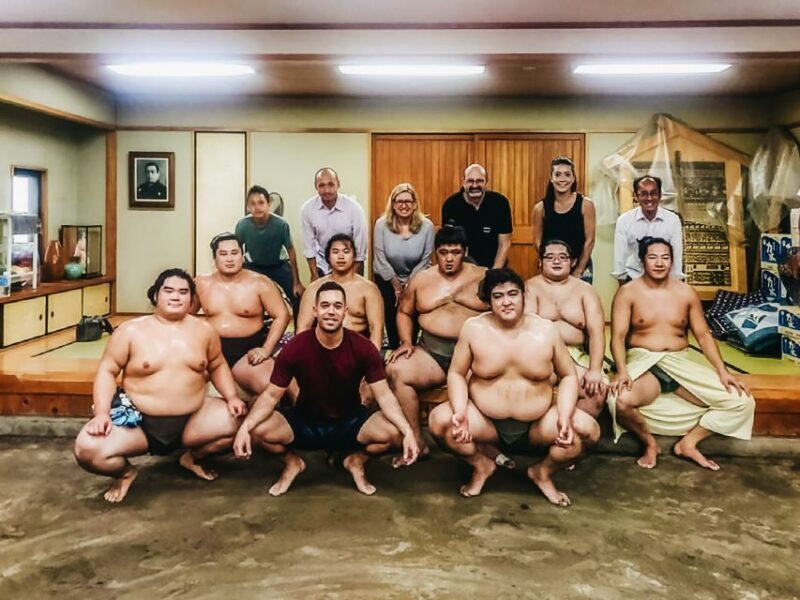
What we love about this experience is how it offers a rare glimpse into the daily routines and discipline of active professionals—not just the spectacle of the sport during tournaments. Watching wrestlers train with intense focus and physical prowess is both fascinating and inspiring. On top of that, the chance to take a group picture with wrestlers adds a personalized touch that many other sumo experiences lack.
However, it’s worth noting that the schedule can vary, and the actual training session might be shorter during tax or tournament times. Plus, the meeting point details are only confirmed a few days beforehand, which might be inconvenient if you prefer booking well in advance.
This tour is best suited for sports enthusiasts, culture lovers, and curious travelers eager to see a traditional Japanese sport up close in an intimate setting.
Key Points
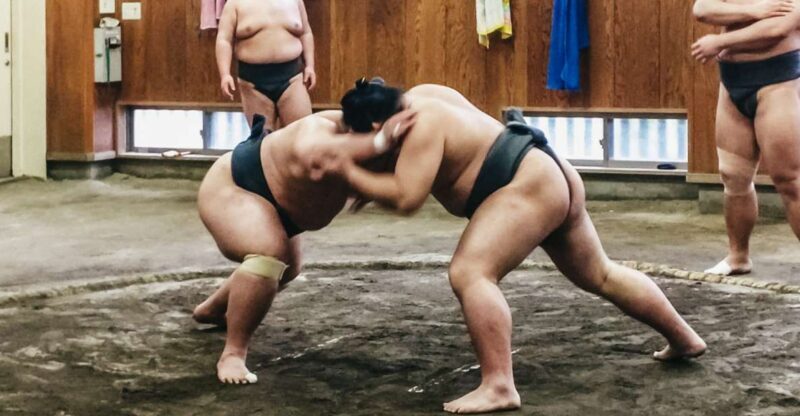
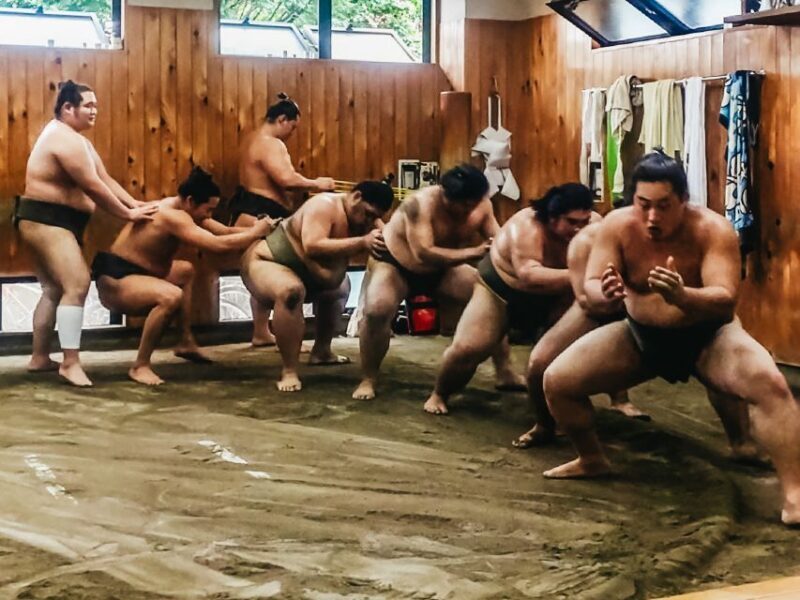
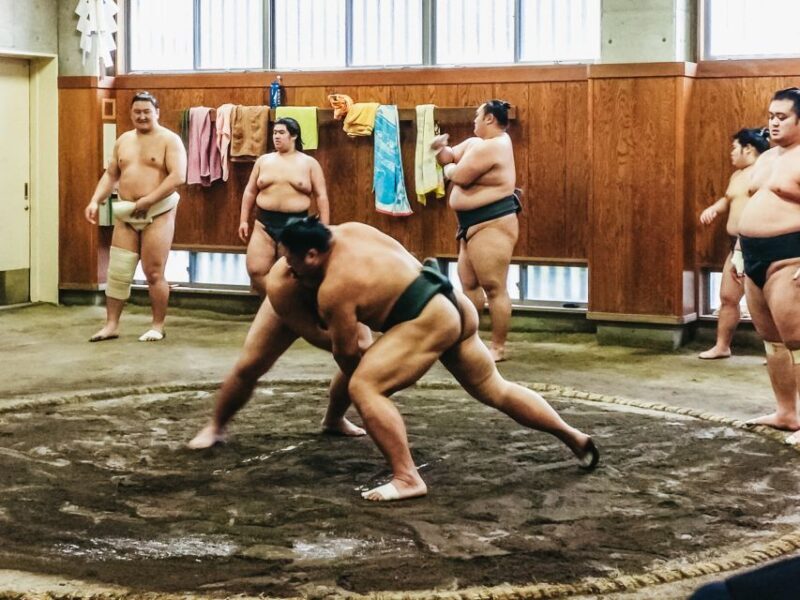
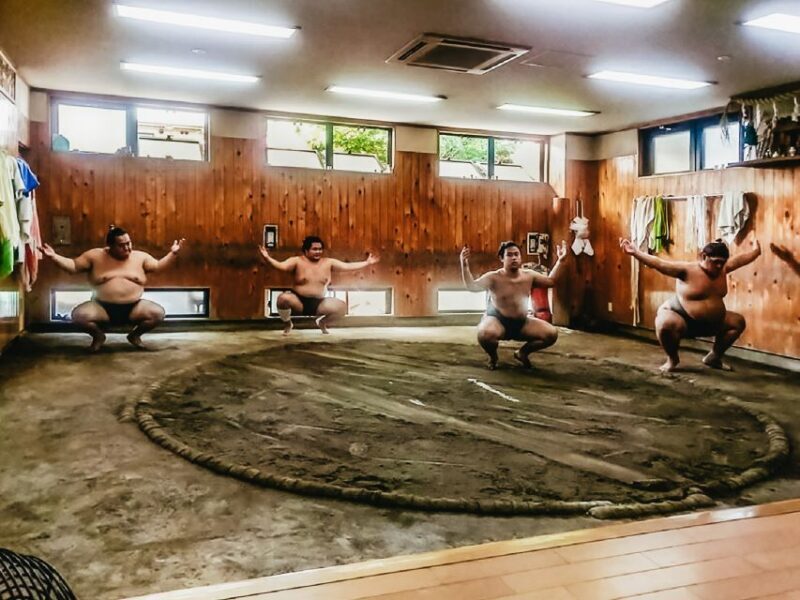
- Authentic behind-the-scenes access to a real sumo stable and training session
- Up-close views of active professional wrestlers practicing their routines
- Opportunity to capture a group photo with sumo wrestlers
- Tours are generally well-reviewed, offering good value for the price
- Informative experience that deepens understanding of sumo’s cultural significance
- Flexible options, including hotel pickup within Tokyo’s 23 wards (limited to small groups)
- No flash photography and quiet behavior expected, preserving the atmosphere
- Meeting location is communicated only a few days before the activity
What the Tour Entails
This experience is designed for those who want more than just a surface glance at sumo wrestling. You’ll visit an actual sumo stable—the training ground where wrestlers prepare daily. The meeting point is not fixed far in advance; instead, it’s assigned 3 to 2 days before your scheduled date, meaning you’ll need to stay flexible and check your email regularly. Once there, you’ll be guided into the stable, where the training sessions typically last about 60 minutes, though during tournaments, they might be shorter—around 30 minutes.
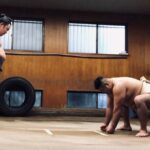
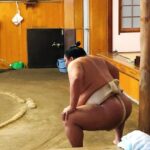
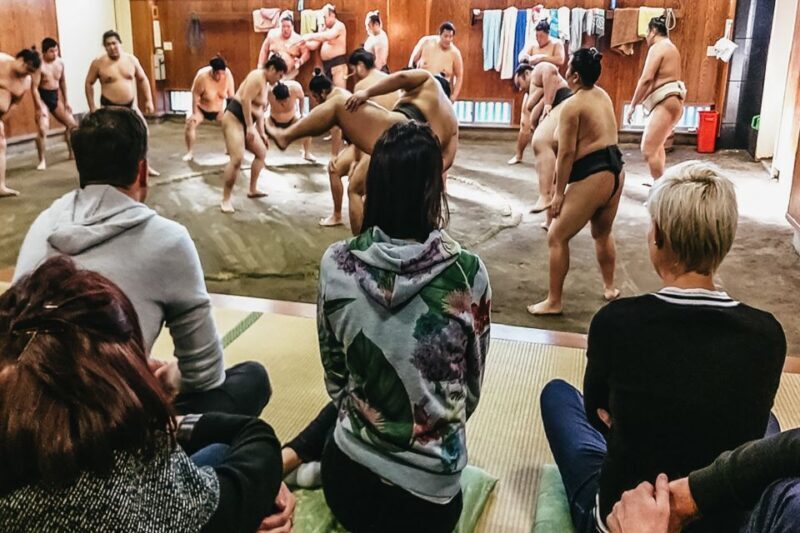
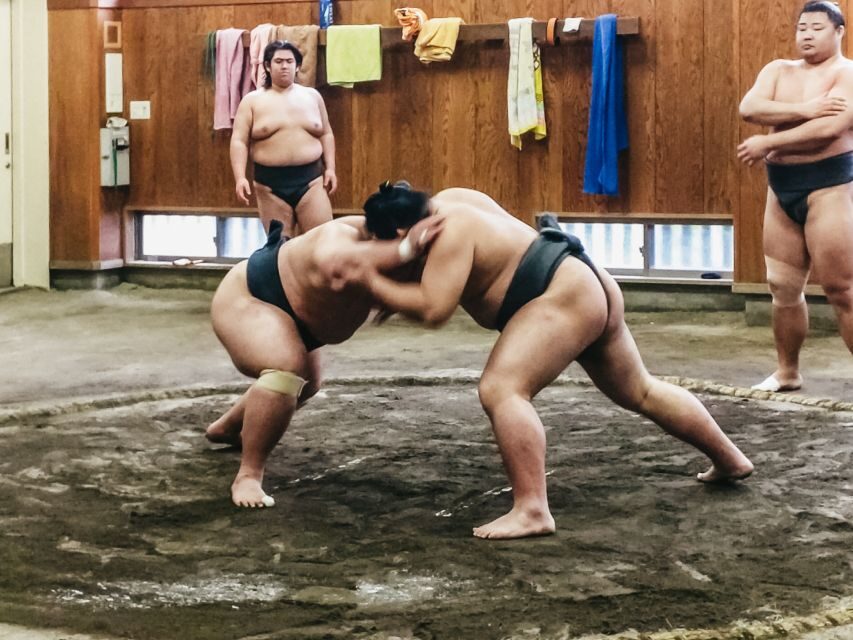
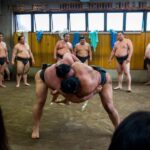
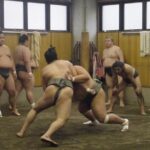
During the session, you’ll observe wrestlers warming up, practicing pushing techniques, and engaging in drills that showcase their strength, agility, and discipline. You’ll get a sense of their rigorous routines that are usually reserved for insiders.
Most reviews mention the intensity of the training—wrestlers sweat heavily, push themselves to the limit, and perform exercises that highlight their physical prowess. One reviewer observed, “you could see the wrestlers really going for it and the sweat coming off them,” which captures just how committed these athletes are during practice.
You can also read our reviews of more tours and experiences in Tokyo

How It Feels to Watch the Training
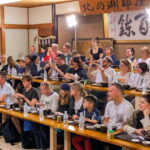
We loved the way this tour gets you up close and personal with the wrestlers, unlike watching from afar at a tournament. The intimate setting allows you to appreciate the muscle and effort behind each movement, and the quiet, respectful atmosphere makes for a genuine cultural experience.
One traveler noted, “It was very interesting to follow the training. A bottle of water would have been nice,” highlighting how the session is physically demanding but also how small comforts can enhance the experience. Another shared that, “seating can be uncomfortable after a long time sitting on the floor,” so bringing a cushion could be a smart idea if you’re sensitive to kneeling or sitting on the ground.
Interaction and Photo Opportunities
A highlight for many is the chance to take a group picture with the wrestlers at the end of the session. This personal touch is often what makes this experience stand out from other sumo tours. Several reviews mention how friendly and relaxed the wrestlers are, happy to pose for photos and share a quick moment of camaraderie.
However, it’s vital to adhere to the rules—no flash photography, and maintaining a respectful distance is expected. The tour guides will explain this etiquette to ensure the environment remains respectful to the athletes.
The Meeting and Logistics
The actual meeting point is only confirmed a few days before the experience, which can be a source of confusion or frustration if you prefer detailed planning upfront. Participants are encouraged to check their email and follow instructions carefully, as early arrivals won’t be allowed inside—arriving late risks missing the training altogether.
If you prefer to relax and not worry about logistics, there’s an option for hotel pickup within Tokyo’s 23 wards, but this is only available for small groups (up to four people). Note that the drivers are Japanese-speaking only, so some basic Japanese communication skills or a translator app might come in handy.
Price and Value
At $74 per person, this tour offers good value considering the intimate access and unique experience it delivers. Compared to the cost of attending an actual sumo tournament, this is a more affordable way to see sumo in action. Many reviewers consider it a worthwhile investment for anyone interested in Japanese culture or martial arts, especially since it includes a group photo—a fun souvenir to take home.
While some found the experience slightly expensive for the content, most felt it was justified given the authenticity and exclusivity. The small group size ensures a personalized experience, and the opportunity to observe professional wrestlers in their element makes it particularly special.






What to Bring
Participants are advised to bring a face mask or protective covering, as well as no hats or sunglasses are allowed during the session. Food, drinks, and large bags are prohibited to maintain the focus and hygiene of the stable. Be prepared for a quiet, disciplined environment—no loud talking or phone use during training.
Tokyo: Sumo Morning Training Visit
Accessibility and Practical Tips
Sitting on the floor for about an hour can be tiring, especially if you have knee or back issues. A small cushion would help, so consider bringing one if you know sitting still for long periods is uncomfortable. The training schedule can vary depending on the day and the wrestlers’ condition, so flexibility is key.
Remember, viewing angles can be limited if you’re seated in the back, so arriving early or requesting a front spot can improve your experience. Also, note that videos are only allowed with prior permission, so plan to take photographs within the rules.
This experience is best suited for those with a keen interest in Japanese culture and sports, especially if you’re curious about the training routines behind sumo’s glamorous tournaments. It’s ideal for small groups or individuals who appreciate authentic, behind-the-scenes access rather than large, staged performances.
If you prefer a guided, educational experience with explanations about sumo history and rules, this may be somewhat limited, as some reviews mention the guide’s limited English and brief explanations. Still, the visual and physical exposure more than compensates for that.
It’s a hit with sports fans, history enthusiasts, and curious travelers, but might be less appealing for those expecting a spectacular show or wanting to see actual bouts during this visit.
The Tokyo Sumo Morning Training Visit offers a rare chance to see sumo wrestlers in their daily routine, providing an authentic window into Japan’s most iconic sport. The intimate setting and friendly atmosphere make it a memorable experience—especially for those who enjoy culture, sports, or martial arts. The opportunity to capture a group photo with the wrestlers adds a personal touch that elevates the tour from simple observation to a meaningful memory.
While the logistics and schedule can be a bit unpredictable, most participants find the experience well worth the cost, given the proximity and level of access. It’s particularly suited for travelers who want to understand sumo beyond just watching a tournament, gaining insight into the discipline, strength, and tradition that define this ancient sport.
If you’re comfortable sitting quietly for about an hour, are okay with some logistical flexibility, and want a unique, up-close view of professional sumo training, this tour delivers a genuine, enriching slice of Japanese culture.
Do I need to book in advance?
Yes, booking is recommended as the meeting details are only confirmed 3-2 days before the experience.
Can I just show up on the day?
No, you should reserve ahead of time to receive the exact meeting place and time.
Is there an age limit?
The info doesn’t specify, but the experience involves sitting quietly for an hour, so it’s best suited for older children and adults.
Can I bring luggage or large bags?
No, large bags are not permitted, as they interfere with the stable’s environment.
Are there any food or drinks allowed during the training?
No, food and drinks are prohibited inside the stable to maintain cleanliness and decorum.
What should I wear?
Comfortable, modest clothing suitable for sitting on the floor; no hats or sunglasses.
Is photography allowed?
Flash photography is forbidden; you may take photos with prior permission, and group photos are typically offered at the end.
What if I arrive early or late?
Arriving early is not allowed; if you show up late, you might miss the session entirely.
Will I see actual sumo bouts?
No, this tour focuses on practice and training, not live tournaments or competitions.