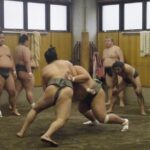
Imagine watching sumo wrestlers train in their own environment, up close and personal, with an added chance to learn about this traditional sport from knowledgeable guides. That’s exactly what this tour offers — a rare glimpse into the disciplined world of sumo right in the heart of Tokyo.
Although it doesn’t include a tournament, the morning training session provides a behind-the-scenes look at sumo’s physical demands, traditions, and camaraderie that you simply won’t find in a stadium seat during a tournament.
What we love about this experience is how it connects visitors directly with the sport’s athletes — not just watching from afar, but seeing them in their element and even snapping photos with wrestlers. Plus, the local brunch afterward offers an authentic taste of Japanese cuisine.
On the flip side, it’s worth noting that the tour can run shorter than expected during tournament season, and the group size may be larger than the initial 15-30 participants, which could impact the intimacy of the experience.
This tour is perfect for travelers who crave an authentic, behind-the-scenes encounter with Japan’s national sport, enjoy culture, and don’t mind a modest price tag for a highly memorable experience. It suits those who appreciate knowledgeable guides and are interested in learning about sumo beyond the glitz of a tournament.
- Key Points
- A Deep Dive Into the Experience
- Overview of the Tour
- The Stable Visit
- Photo Opportunities and Respectful Observation
- The Post-Practice Brunch
- Tour Logistics and Practicalities
- Value for Money
- What the Reviews Say
- Who Will Love This Tour?
- Practical Tips
- FAQs
- In The Sum Up
- More Morning in Tokyo
- More Tour Reviews in Tokyo
Key Points
 1 / 5
 2 / 5
 3 / 5
 4 / 5
 5 / 5
- Authentic sumo experience: Up-close view of wrestlers practicing in a real stable.
- Expert guidance: Knowledgeable guides explain sumo etiquette, history, and techniques.
- Photo opportunities: Chance to take photos with wrestlers after practice.
- Local brunch: Enjoy a traditional Japanese meal post-training (extra cost).
- Flexible schedule: Tour length and timing adapt during tournament periods.
- Convenient location: Starts near Narihira Park and ends near Kinshicho Station.
A Deep Dive Into the Experience
You can also read our reviews of more tours and experiences in Tokyo

Overview of the Tour
This 3-hour tour is designed to give you an intimate look at sumo training, an experience that’s surprisingly hard for outsiders to access legally or logistically. Priced at $120 per person, it’s a good value considering the exclusive behind-the-scenes access and guided insights.
The tour begins early at Narihira Park in Sumida, where your guide will meet you, provide training materials, and explain etiquette — essential since sumo has strict traditions. This initial 15-minute meeting sets the tone, helping you understand how to behave respectfully in the sumo stable, where silence and discipline are key.
The Stable Visit
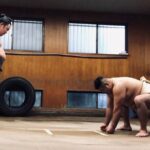
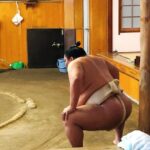
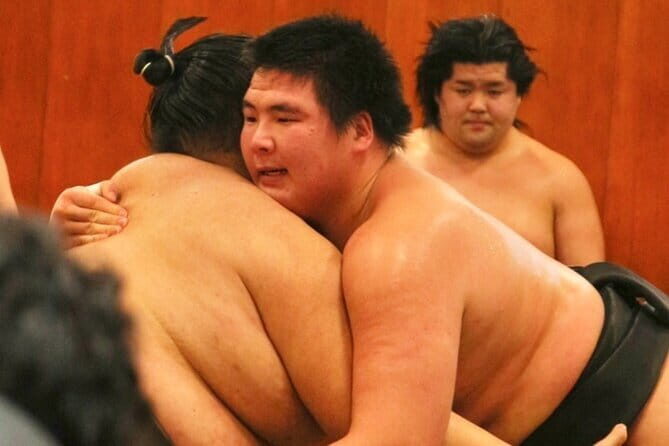
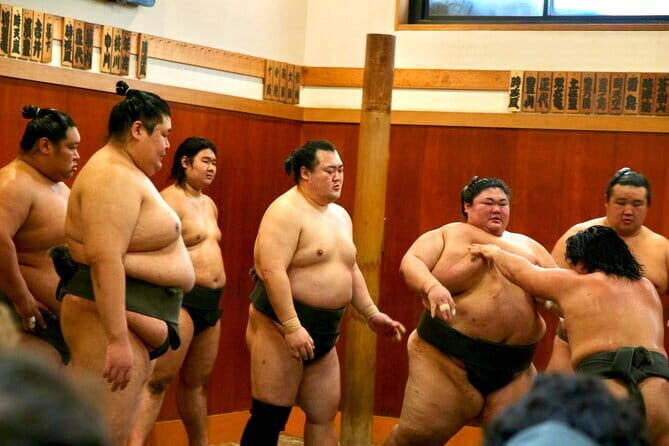
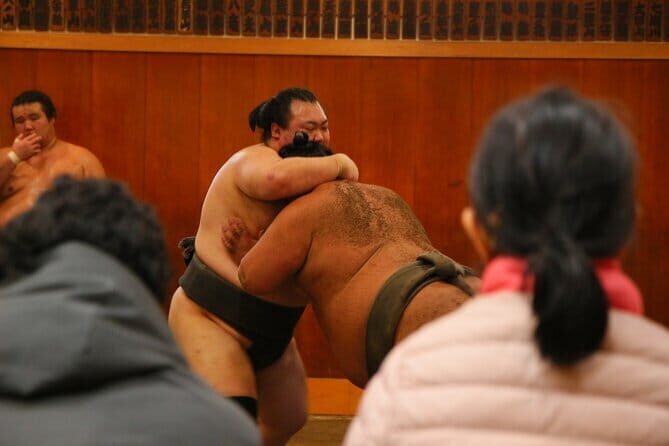
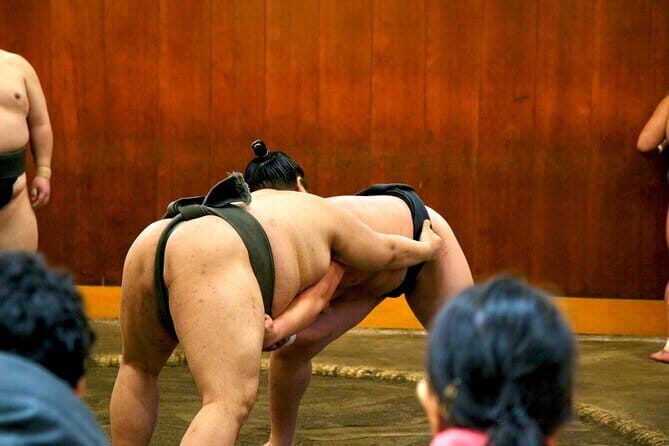
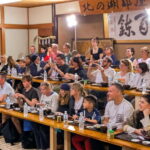
The core of the tour takes place at a sumo stable, where the wrestlers’ rigorous routines unfold during their morning practice. Here, we loved the close proximity to the wrestlers, something that’s rare outside of a tournament. You’ll observe powerful training drills that showcase their strength, technique, and focus. Multiple reviews mention the authenticity of the experience — “Watching the athletes up close and seeing their discipline was so meaningful,” reports one traveler.
The visibility is excellent, and the guide helps clarify what you’re seeing. During practice, wrestlers perform exercises, stretching, and drills that highlight their intense training regimen. You might even be invited to participate in simple exercises, which adds a fun interactive element.
Photo Opportunities and Respectful Observation
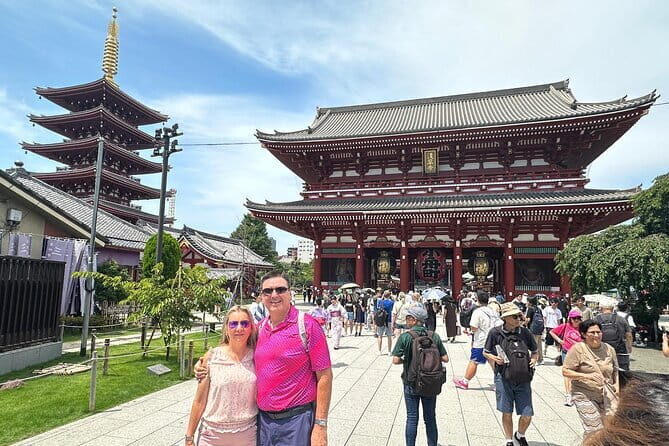
The opportunity to snap photos with wrestlers is a highlight, allowing travelers to capture a personal souvenir of their visit. However, the experience is still rooted in respect: silence and proper manners are expected. Several reviewers appreciated the insightful explanations provided by guides like Taka, who passionately shared sumo’s history and traditions.
The Post-Practice Brunch
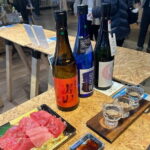
After the training, the tour includes a visit to a nearby café or diner for a local Japanese brunch, typically costing around ¥1,000. This meal is not included in the ticket price but is a chance to enjoy traditional Japanese fare, learn dining etiquette, and reflect on the morning’s sights. The feedback here is mixed: some travelers loved the authentic experience and the chance to discuss sumo in a relaxed setting, while others found the meal slightly rushed or overpriced for what it offered.

Tour Logistics and Practicalities
The tour starts at 7:30 AM, making it an early but rewarding morning outing. It ends around 10:30 AM, with the option for an additional brunch. Travelers should be aware of tournament periods (like May 11-25) when sumo practice ends earlier, around 9 AM. During those times, the experience is shortened but still offers the core elements.
The meeting point in Sumida is convenient — near Narihira Park — and the end point is just a short walk to Kinshicho Station, with excellent access by JR or subway lines. Group sizes can range from 15 to 30 people, sometimes more if additional tour groups share the space, which could affect the intimacy.
Value for Money
At $120, this tour offers a unique peek into sumo’s world, which is hard to replicate independently. The price includes the training viewing fee and guide service, but the optional brunch is extra. Compared to ticketed sumo tournaments, this offers a more personal, less crowded experience, making it a worthwhile investment for fans or curious travelers wanting to understand sumo beyond the TV highlights.
What the Reviews Say
The majority of reviews are glowing, with a 4.8-star average from 50 respondents. Many praise the knowledge and friendliness of guides — “Sarah and Haru were so helpful,” one reviewer notes. Others highlight the authenticity and personal nature of the practice session, often describing it as “a more meaningful experience than watching a tournament.”
Some critiques point out that the tour can feel rushed or expensive for the length of time spent at the stable, especially if the group expands beyond the initial size. A few mention the difficulty in hearing explanations during the quiet practice, suggesting earbuds or additional commentary could enhance the experience.
Who Will Love This Tour?
This adventure is ideal for culture enthusiasts, sports fans, and anyone interested in Japanese traditions. It’s perfect for travelers who want an authentic look at sumo — not just watching wrestlers perform but understanding their routines and discipline. If you enjoy interactive experiences and are comfortable with early mornings, this tour is a great choice.
However, if you’re looking for a full-blown sumo tournament or a more leisurely pace, this might not match your expectations. Likewise, those sensitive to large groups might prefer private options or smaller tours.
Practical Tips
- Wear comfortable, respectful clothing; avoid loud or casual attire.
- Bring cash if you want to tip the guides or order additional food.
- Be prepared for quiet observation — no talking during practice.
- Arrive at the meeting point a few minutes early to avoid missing the start.
- Consider bringing earbuds if you want to catch more detailed commentary.
- The optional brunch costs around ¥1,000 and is paid on-site.
- During May (or other tournament periods), the practice ends earlier, so plan accordingly.
- Group sizes can be up to 45, which might reduce the intimacy some travelers seek.
FAQs
Is the tour suitable for children?
While most travelers can participate, the quiet and disciplined environment may not be ideal for very young children. It’s best for older kids who can sit quietly during practice.
How long does the stable visit last?
Most reviews say just over an hour, with the entire tour around 3 hours including prep and brunch. During tournament season, the practice might end earlier.
Can I take photos with the wrestlers?
Yes, you are encouraged to take photos after practice to support the wrestlers and capture your memories.
What does the brunch involve?
It’s a typical Japanese breakfast or lunch at a nearby café, costing around ¥1,000, and typically includes local dishes. It’s an optional part of the tour.
Are guides fluent in English?
Yes, guides are English speakers and provide explanations about sumo’s rules, traditions, and history.
What if I want a more private experience?
The tour can be shared with other groups, so if privacy is a concern, inquire beforehand or look for private options.
Is this experience worth the price?
Most reviewers say yes, especially given the exclusive access and personal insight they gained. Some suggest the experience is more about the quality of the view and interaction than just the cost.
How do I book this tour?
It’s popular, often booked 17 days in advance. Secure your spot early through the booking platform.
What happens if I cancel?
You can cancel free of charge up to 24 hours before the tour, with a full refund. Last-minute cancellations are non-refundable.
Tokyo Sumo Morning Practice & Exclusive Behind-the-Scenes Access
In The Sum Up
This sumo experience offers a blend of authenticity, accessibility, and cultural insight that appeals to curious and respectful travelers. You’ll get a rare, up-close look at Japan’s revered sport in a traditional setting, learn about sumo’s rituals, and enjoy a genuine local meal afterward. It’s a chance to see the dedication and discipline of wrestlers firsthand, making it much more than just a sightseeing tour.
While the experience’s length might be shorter during tournaments, the personal connection and behind-the-scenes access make it worthwhile for anyone interested in Japanese culture or sports. The knowledgeable guides, the opportunity to snap photos, and the delicious brunch afterward ensure a well-rounded, memorable morning in Tokyo.
This tour is best suited for adventure-seeking cultural travelers who don’t mind early mornings, are eager for authentic experiences, and enjoy interacting with locals. It’s a unique window into a traditional Japanese sport that you won’t find in a guidebook or at a stadium — a truly special snapshot of Japan’s heritage.