Travelers craving an authentic glimpse into Japan’s traditional culture might find the sumo morning practice tour in Tokyo both fascinating and memorable. While it’s not a typical sightseeing stop, this experience offers a rare window into the disciplined world of sumo wrestlers as they prepare for competitions. And with a manageable group size, you get close enough to see the action without feeling lost in a crowd.
What we particularly like about this tour is how it combines culture with the chance to witness athletic prowess firsthand. The guide’s insights, the chance to take photos, and the stunning sight of these giant athletes warming up make the experience worthwhile.
However, do keep in mind that the floors are hard and thin tatami mats, which might be uncomfortable for some. This isn’t a spectacle suited for those with back problems or who prefer a seated view.
This tour is perfect for sports enthusiasts, culture seekers, and curious travelers eager to see something genuinely different from the usual Tokyo attractions. It offers an unfiltered look at sumo, one of Japan’s most iconic and historic sports, in a setting that’s both intimate and authentic.
Key Points
 1 / 6
1 / 6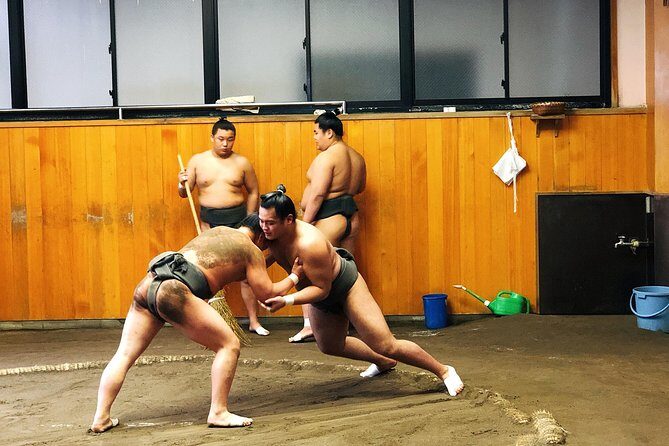 2 / 6
2 / 6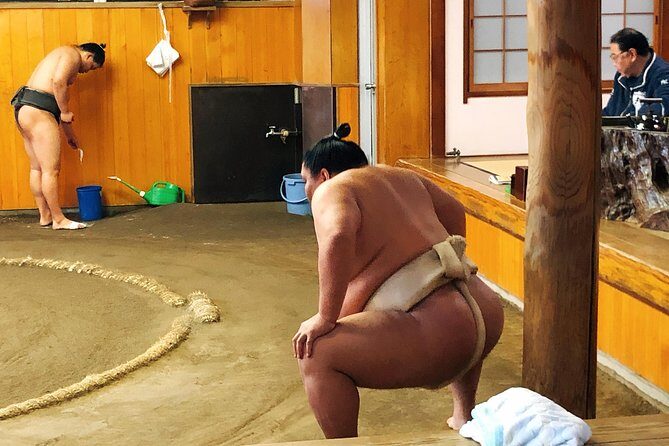 3 / 6
3 / 6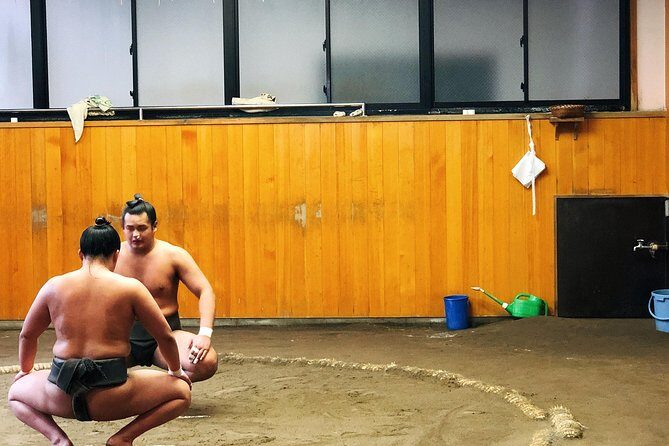 4 / 6
4 / 6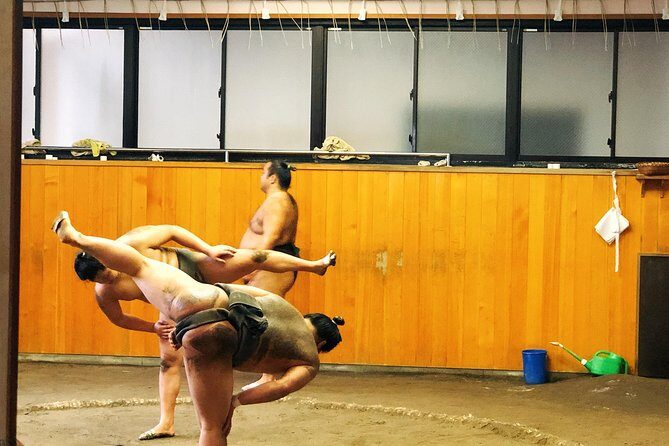 5 / 6
5 / 6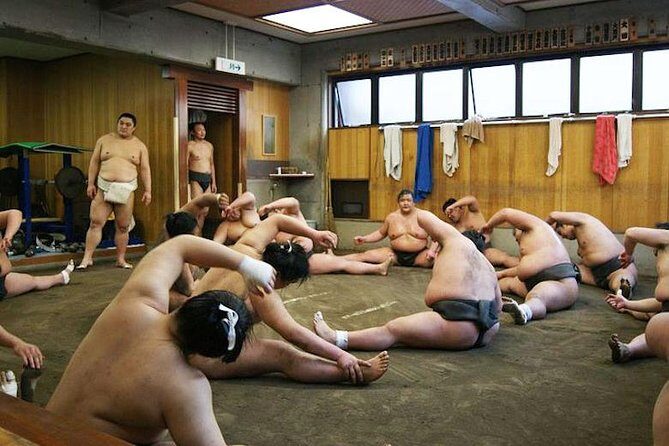 6 / 6
6 / 6- Authentic Cultural Experience: Watch real sumo wrestlers train, not a staged or touristy show.
- Close-Up View: Small group size allows for an intimate setting and better visibility.
- Timing Variability: Practice duration can vary, especially during tournaments or seasonal changes.
- Floor Seating: Expect to sit on the tatami mats for up to 2 hours, which can be tiring.
- Limited Explanation: The tour does not include detailed commentary, so some reviews recommend a guide who can speak your language.
- Highly Booked: Most people book this tour about 2 months in advance, indicating its popularity.
- Cost-Effective: At around $104, it’s a solid investment for a once-in-a-lifetime experience.
- Weather Dependent: Activities are subject to the sumo stable’s schedule and weather conditions.
The Itinerary in Detail
The tour begins with travelers making their own way to a designated, easily accessible meeting point in Tokyo. From there, you meet your guide and a small group—usually no more than ten people—ready for a morning of sumo action. The tour operates primarily from early morning hours, typically starting between 8:00 and 9:30 a.m., depending on the time of year.
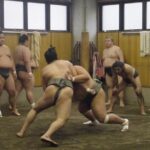
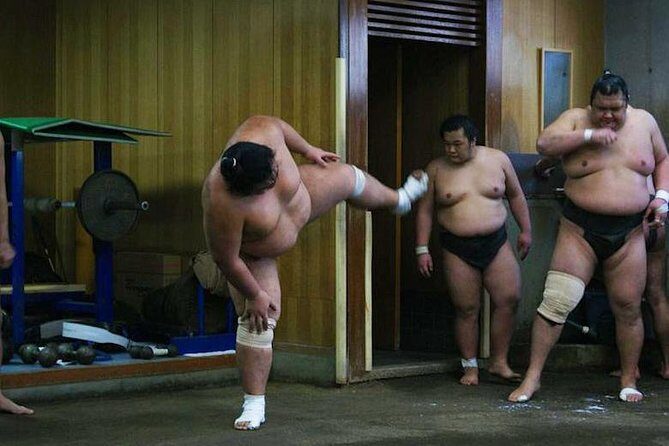
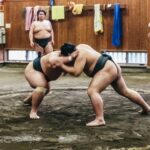
Once inside the sumo stable, you’ll find yourself in a quiet, respectful environment. The wrestlers are focused and serious, warming up with stretching, strength exercises, and rituals that are part of the sport’s tradition. As one reviewer notes, “The performance of the practicing sumo wrestlers was exactly as we expected. They were professional, serious and taught us how they learn in their actions.”
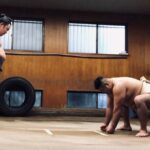
The view is usually from the side, with you seated on the floor on tatami mats. This traditional seating can be uncomfortable for some, especially if you’re not used to sitting cross-legged on a thin mat for extended periods. Chairs are limited but may be available on request—if you have back issues or prefer a bit more comfort, it’s worth asking in advance.
As the wrestlers warm up, you’ll observe their stretching, movements, and sparring practices. The intensity builds as they engage in their routines, giving you a real appreciation for the physicality and discipline involved. One review mentions, “The high impact when they sparred was awesome. It’s incredible to see their strength in person.”
There’s usually some time for photos after the practice, but it’s important to be respectful of the wrestlers’ focus. The atmosphere remains subdued, emphasizing the seriousness of the sport. Some visitors comment that the experience provides a rare, up-close look at Japan’s cultural heritage, making it a highlight of their trip.
However, practice times can vary, especially during tournament seasons when the schedule is shortened. During these periods, practice may last only 30 to 40 minutes, and the overall experience might be quicker than usual. This flexibility is important to keep in mind—your expectations should be adaptable.
You can also read our reviews of more tours and experiences in Tokyo

What to Expect During the Tour
The main draw is the chance to observe sumo wrestlers in action, stretching, warming up, and sparring in the quiet discipline of their stable. You’ll likely see them practice in the dohyo, the ring, with rituals that remain largely unchanged for centuries.
Since the tour doesn’t include explanations or guided commentary, you’ll need to be attentive to what’s happening in front of you. Several reviews mention the lack of detailed information—while some found this to be a downside, others appreciated the raw authenticity. If you’re interested in understanding the rules or history, consider doing some reading beforehand, as this tour does not provide that context.
Photography is permitted, but with restrictions—bright flashes or loud sounds are discouraged, as they might distract the wrestlers. After the session, you’ll have the opportunity to snap photos of the wrestlers with their kesho-mawashi (ceremonial aprons) and the dohyo.
The duration is roughly 60 to 90 minutes, but notably shorter during tournament season or if there are last-minute schedule changes. You should plan on arriving on time and being prepared for a potentially long wait or a shorter experience based on the schedule.
Transportation and Practicalities
Getting to the sumo stable is straightforward but requires some planning. The meeting point is centrally located, and many travelers find it easiest to use public transportation. Since the tour does not include hotel pickup or transfers, you’ll need to make your own way there. For convenience, a taxi can be an option—some reviews suggest a quick ride from popular spots like Asakusa, costing around $10.
Booking well in advance is recommended since this experience is highly popular, with most travelers reserving about 57 days ahead. The price, approximately $104, might seem like a splurge, but considering the rarity and depth of the experience, many find it well worth the cost.
Remember, this activity is weather-dependent and can only be confirmed about a week before, contingent on the sumo stable’s schedule—especially outside of tournament months.
Authenticity and Cultural Significance
Watching sumo practice is a window into Japan’s most traditional sport. Unlike the flashy tournaments, this is a look at the everyday ritual of training that the wrestlers uphold with discipline and focus. Several reviews mention the respectful and serious atmosphere, emphasizing that this is not just entertainment but a deep part of Japanese identity.
While some visitors wish for more explanation or guidance, others enjoy the pure, unfiltered view of the wrestlers’ routines. If you’re a curious traveler who appreciates observing skilled athletes in their natural environment, this tour offers a genuine taste of sumo’s roots.
Final Thoughts: Is It Worth It?
For those interested in Japanese culture, sports, and tradition, this sumo practice tour provides a rare chance to see elite athletes in training. It’s an experience that requires patience—sitting on thin mats for up to two hours—and a bit of flexibility regarding timing. But in return, you get an authentic, close-up look at a sport that’s been part of Japan’s fabric for centuries.
The small group size and the opportunity for photos make it accessible and personal. If you’re prepared for some physical discomfort and want a genuine cultural encounter, this tour offers a meaningful addition to your Tokyo itinerary.
It’s especially suited for sports fans, cultural explorers, and those with a real interest in tradition. Just remember to book early, arrive on time, and approach with respect and curiosity.





Watch Sumo Morning Practice at Stable in Tokyo
FAQ
How long is the sumo practice tour?
Approximately 60 to 90 minutes, depending on the schedule and whether it’s during tournament season or regular practice days.
Do I need to bring anything?
No specific items are necessary, but it’s wise to wear comfortable clothing and be prepared to sit on the floor on tatami mats for extended periods.
Is the tour suitable for children?
The minimum age is 13, mainly because of the sitting arrangement and the quiet environment required for respectful observation.
Are guides provided during the practice?
No, the tour does not include guided commentary. Visitors are expected to observe quietly; some reviews recommend having a guide who can speak your language for better understanding.
Can I take photos?
Yes, photos are allowed before and after practice, but bright flashes or loud sounds are discouraged to avoid distracting the wrestlers.
Is transportation included?
No, travelers must make their own way to the meeting point. Taxi or public transport are the recommended options.
What happens if the stable is closed?
Since the schedule depends on the sumo stable and season, practices may be shorter or canceled during certain months or days. The tour provider will confirm about a week before.
Can I cancel if my plans change?
Yes, you can cancel up to 6 days in advance for a full refund. Cancellations made less than 6 days before are not eligible for a refund.
This sumo morning practice tour in Tokyo is a rare peek into an ancient sport still practiced with discipline and respect. It’s a valuable experience for those seeking cultural depth and athletic awe in their Japan journey. Just go in with patience, an open mind, and a camera ready for some impressive sights.