
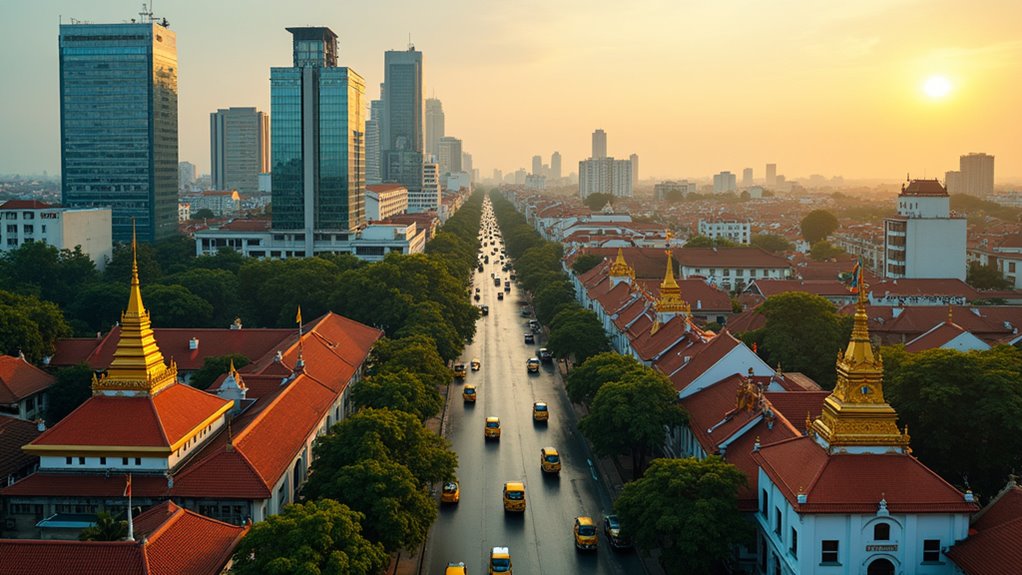
Many travelers treat Colombo as nothing more than a transit point, rushing through Sri Lanka’s capital without realizing what they’re missing. The city offers an impressive mix of colonial architecture, spiritual sanctuaries, and modern marvels that rival any South Asian destination. From ancient temples to towering landmarks, bustling markets to serene gardens, Colombo delivers experiences that won’t break the bank. There’s a compelling case for extending that layover into something far more meaningful.
- Marvel at the World’s Only Clock Tower Lighthouse
- Explore the Historic Colombo Fort District
- Discover Spiritual Diversity at Gangaramaya Temple
- Experience Sunset Magic at Galle Face Green
- Ascend the Tallest Tower in South Asia
- Immerse Yourself in Pettah Market’s Vibrant Chaos
- Unwind in the Tranquil Gardens of Independence Square
- Savor Authentic Street Food and Local Delicacies
- Shop and Dine at the Restored Old Dutch Hospital
- Take a Day Trip to Ancient Sigiriya Rock Fortress
Marvel at the World’s Only Clock Tower Lighthouse
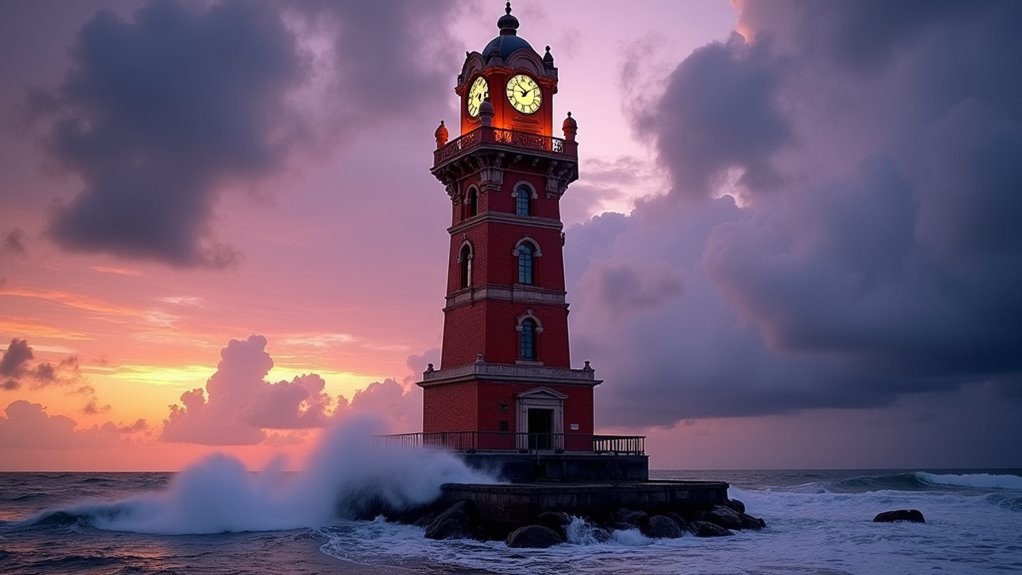
When travelers stroll through Colombo’s bustling Fort district, they’ll discover an architectural marvel that’s truly one of a kind—the Old Colombo Lighthouse Clock Tower. This 29-meter white tower stands as the world’s only lighthouse clock tower, combining maritime navigation with urban timekeeping since 1857.
Designed by Governor Ward’s wife and built with a clock mechanism from Dent (Big Ben’s makers), it’s Asia’s oldest clock tower. The tower originally guided ships into Colombo’s harbor until 1952, when surrounding buildings blocked its beam. Its whitewashed brick facade with stone trim creates a timeless elegance that exemplifies Victorian colonial architecture.
Located at the intersection of Chatham Street and Janadhipathi Mawatha, visitors can explore the grounds for free while admiring this colonial-era landmark. The tower’s historical plaques tell its fascinating dual-purpose story, making it a budget-friendly cultural stop. Just like Osaka offers experiences beyond its famous food scene, Colombo provides visitors with unique attractions that extend far past typical tourist expectations.
Explore the Historic Colombo Fort District
Beyond the unique lighthouse clock tower lies the sprawling Colombo Fort district, where centuries of colonial history unfold through cobblestone streets and weathered facades. Originally a Portuguese trading post, then a Dutch octagonal fortress, this area now blends colonial architecture with modern commerce.
Visitors can explore the Old Dutch Hospital‘s restaurants and boutiques, admire the century-old Cargills Building, and photograph Kayman’s Gate’s Dutch Bell Tower. The President’s House showcases British neo-classical design, while the General Post Office demonstrates colonial infrastructure. The British demolished most of the original Fort structures in 1870 to make way for urban development, rebuilding select buildings that visitors see today.
Budget-conscious travelers will appreciate free walking tours through the grid-like streets, where historic buildings stand alongside modern skyscrapers. Like Shanghai’s diverse attractions that extend far beyond its famous waterfront, Colombo offers unique experiences that reveal the city’s authentic character to those willing to venture beyond typical tourist spots. The district’s proximity to Pettah Market offers authentic local experiences, making Fort an ideal starting point for exploring Colombo’s cultural heritage without breaking the bank.
Discover Spiritual Diversity at Gangaramaya Temple
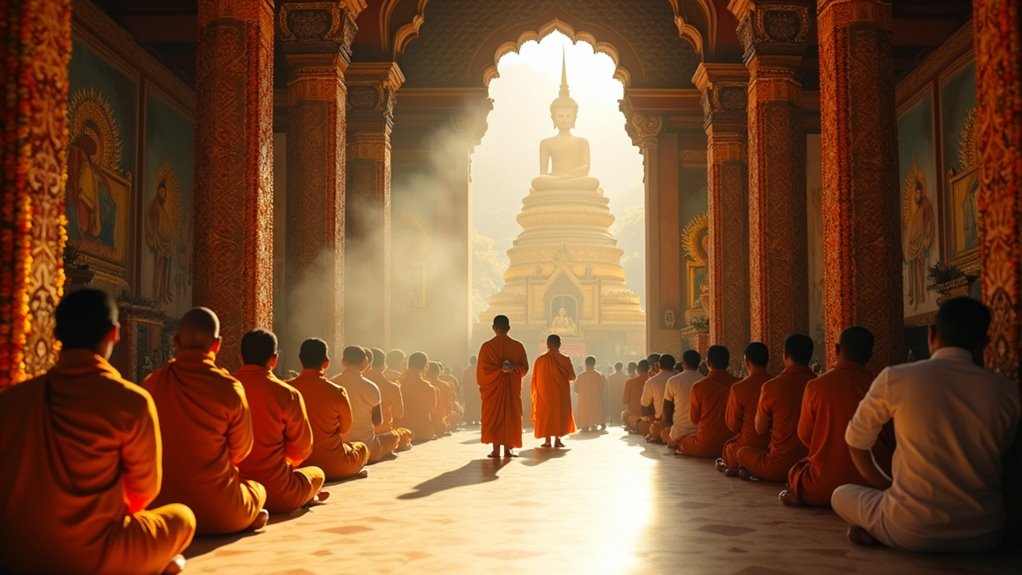
As visitors step away from Fort’s colonial grandeur, they’ll find Gangaramaya Temple offering a completely different cultural experience just minutes away on the banks of Beira Lake. This late 19th-century temple showcases remarkable architectural diversity, blending Sri Lankan, Thai, Chinese, and Indian design elements that reflect the country’s inclusive Buddhist heritage.
The main shrine features intricate wood carvings and golden embellishments. Meanwhile, the on-site stupa draws inspiration from ancient Anuradhapura designs. Visitors can explore the museum and library housing Buddhist artifacts, meditate in the serene Bodhi tree courtyard, or admire the extensive collection of Buddha statues in various symbolic postures. Like the famous White Temple in Thailand, this sacred site demonstrates how contemporary Buddhist architecture can seamlessly blend traditional elements with artistic innovation.
The temple’s richly decorated interiors display vibrant murals narrating Buddhist legends, creating an immersive spiritual atmosphere that’s accessible to all visitors regardless of budget. During major celebrations like Vesak and Poson, the temple transforms with spectacular colorful illumination and traditional ceremonies that draw both devotees and curious travelers.
Experience Sunset Magic at Galle Face Green
Five minutes from the bustling city center, Galle Face Green stretches along Colombo’s coastline as the perfect spot to catch one of the Indian Ocean’s most spectacular sunsets without spending a rupee. This five-hectare seaside promenade transforms into pure magic as the sun dips below the horizon, painting the sky in vibrant golds, oranges, and pinks.
Arrive in late afternoon to claim your spot among locals flying colorful kites and families enjoying beach cricket. The promenade buzzes with energy as street vendors serve authentic Sri Lankan treats like isso wade and king coconut for pocket change. This historic green space was established in 1859 by Governor Sir Henry George Ward, creating a recreational haven that has welcomed visitors for over a century.
Don’t miss the 6 pm flag-lowering ceremony that adds cultural flair to the evening. Like Xi’an’s ancient walls that have stood for centuries, Galle Face Green represents a timeless gathering place where history meets modern life. Open 24/7, this democratic space perfectly blends natural beauty with Colombo’s urban spirit.
Ascend the Tallest Tower in South Asia
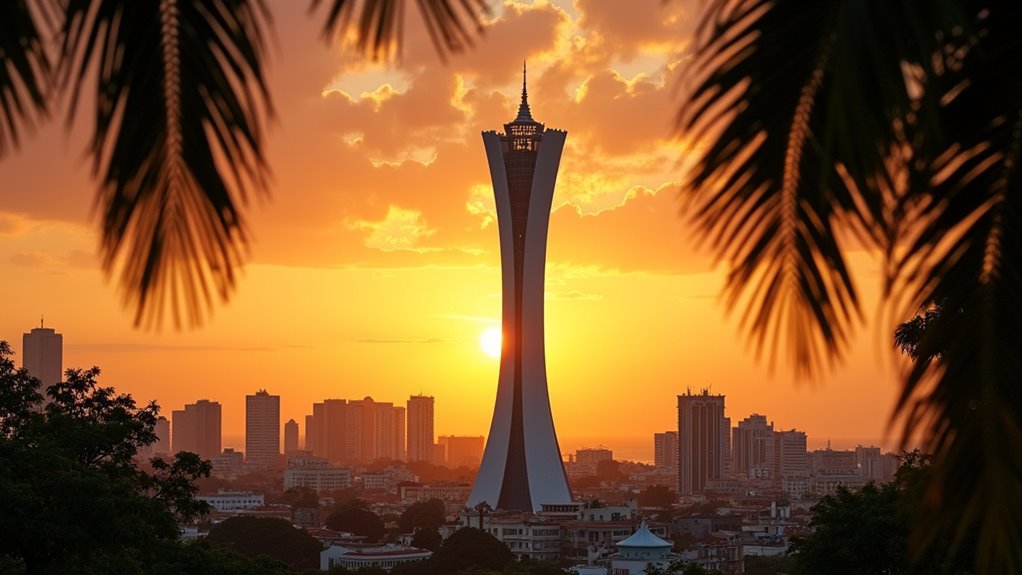
At 356 meters tall, the Colombo Lotus Tower claims the title of South Asia’s tallest self-supported structure. It offers visitors the chance to see the entire city from its 29th-floor observation deck.
The swift elevator ride takes just two minutes to reach the top, where 360-degree panoramic views showcase Colombo’s sprawling cityscape, Beira Lake, and beyond.
For a memorable dining experience, book ahead at South Asia’s tallest revolving restaurant, positioned 200 meters high. The restaurant slowly rotates, giving diners changing views without moving from their seats.
The lotus-inspired design symbolizes Sri Lankan tradition meeting modernity. Since opening in September 2022, it’s become Colombo’s most recognizable landmark, visible from throughout the city and perfect for skyline photography. Like many visitors exploring imperial experiences in historic Asian cities, travelers appreciate how the tower provides a modern perspective on the region’s rich cultural landscape. The tower attracts thousands of visitors monthly who come to experience its unique blend of entertainment and technology facilities.
Immerse Yourself in Pettah Market’s Vibrant Chaos
Since the early 1800s, Pettah Market has thrived as Colombo’s most authentic trading experience, where the organized chaos of Sri Lankan commerce unfolds across several city blocks. This multicultural hub buzzes with Muslim, Tamil, and Sinhalese traders specializing in everything from spices and textiles to electronics and gold jewelry.
Visitors should head to Sea Street for Sri Lanka’s premier gold market, then navigate the narrow lanes where porters haul massive loads through crowded stalls. The market’s spice section offers aromatic cinnamon and other herbs that have made Sri Lanka famous for its culinary exports.
Haggling isn’t just expected—it’s essential for fair prices. Don’t miss the striking Red Mosque with its candy-stripe pattern or the historic Khan Clock Tower marking the market entrance.
The cacophony, crowds, and constant movement create an unforgettable sensory overload that captures Colombo’s commercial soul. For those seeking to explore hidden gems beyond the typical tourist destinations, Pettah Market offers an authentic glimpse into local life that few visitors take the time to truly experience.
Unwind in the Tranquil Gardens of Independence Square
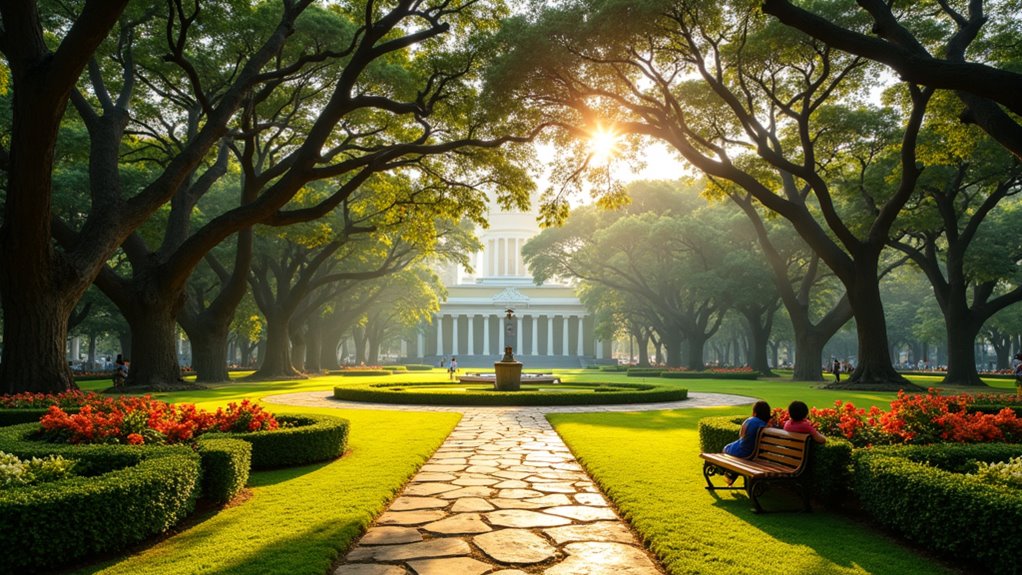
Just minutes from Pettah Market’s sensory overload, Independence Square offers visitors a completely different side of Colombo—one that’s peaceful, historically significant, and completely free to explore.
The manicured gardens surrounding the Independence Memorial Hall provide the perfect escape from the city’s hustle. Visitors can wander scenic pathways, relax on expansive lawns, or admire the traditional Kandyan architecture that replicates ancient royal audience halls. While Colombo offers many urban attractions, those seeking natural beauty might also consider exploring Sri Lanka’s dramatic limestone cliffs found in other coastal regions of the island.
The square’s well-maintained green spaces attract locals for jogging and picnics, creating an authentic community atmosphere. Stone lions guard the memorial hall, while statues of independence heroes like D.S. Senanayake offer glimpses into Sri Lanka’s freedom struggle. The memorial hall itself features 60 stone lions representing the kings and rich Sinhalese cultural heritage.
For those wanting deeper historical context, the basement Memorial Museum charges a small fee but provides fascinating artifacts and photographs documenting the country’s path to independence.
Savor Authentic Street Food and Local Delicacies
After soaking in history and serenity, visitors can explore Colombo’s vibrant culinary scene where aromatic spices and sizzling sounds create an entirely different sensory experience.
Street food here’s both delicious and budget-friendly, with most snacks costing under 100 LKR.
Kottu roti stands as Sri Lanka’s signature dish—stir-fried chopped flatbread mixed with vegetables, eggs, and spices that creates a rhythmic chopping sound.
Galle Face Green promenade offers the best street food concentration, where vendors sell isso wade (prawn-topped lentil patties), fish buns stuffed with spiced mackerel, and crispy cassava chips for around 50 LKR. For a cleaner dining experience, visitors can also try chain cafes like Perera & Sons or Fab that offer the same street foods with higher hygiene standards.
Don’t miss pol roti with spicy coconut sambol, samosas, and various curry accompaniments. Much like Hong Kong’s famous dim sum culture, these small plates allow visitors to sample multiple flavors in one meal.
These authentic flavors provide an affordable way to experience Sri Lankan culture through its most beloved dishes.
Shop and Dine at the Restored Old Dutch Hospital
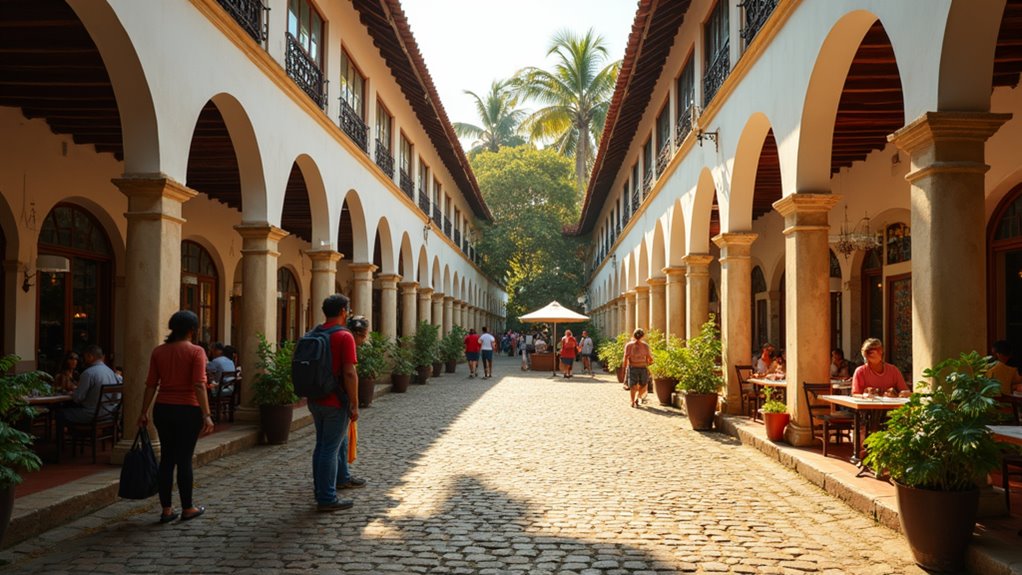
One of Colombo’s most charming shopping and dining destinations sits within the walls of a 17th-century Dutch colonial building that’s witnessed over 340 years of Sri Lankan history. The Old Dutch Hospital, originally built in 1681 to treat Dutch East India Company officers, now houses boutique shops and restaurants around its atmospheric courtyards.
Visitors can browse local crafts and souvenirs while admiring the preserved stone walls, arched colonnades, and original Dutch architectural features. The dining options range from casual cafes to upscale restaurants, offering everything from Sri Lankan specialties to international cuisine. The building underwent a meticulous restoration in 2011 that transformed it into a vibrant commercial precinct while preserving its historic integrity.
The pedestrian-friendly layout encourages leisurely exploration, and the building’s heritage significance adds cultural value to any shopping or dining experience in Colombo Fort. Like Hanoi’s Old Quarter, this historic district offers visitors an enchanting blend of cultural heritage and modern commercial attractions within its ancient architectural framework.
Take a Day Trip to Ancient Sigiriya Rock Fortress
Two hours northeast of Colombo lies one of Asia’s most spectacular archaeological sites—the ancient rock fortress of Sigiriya, rising 590 feet above the surrounding plains like a natural skyscraper. Built by King Kashyapa I in the 5th century CE, this UNESCO World Heritage site offers travelers an unforgettable day trip adventure.
The climb to the summit involves 1,200 stone steps, passing famous frescoes of celestial maidens and the Mirror Wall covered in ancient graffiti. At the top, visitors discover palace ruins and breathtaking panoramic views.
The base features impressive water gardens and defensive moats that showcase advanced ancient engineering. The fortress was carved from an inselberg, a hard volcanic rock formation that towers approximately 600 feet above the surrounding forest.
Plan for a full day—bring water, wear comfortable shoes, and start early to beat crowds and heat. Like travelers experiencing Snow Festival celebrations in other destinations, timing your visit during Sri Lanka’s dry season ensures the most comfortable climbing conditions.