
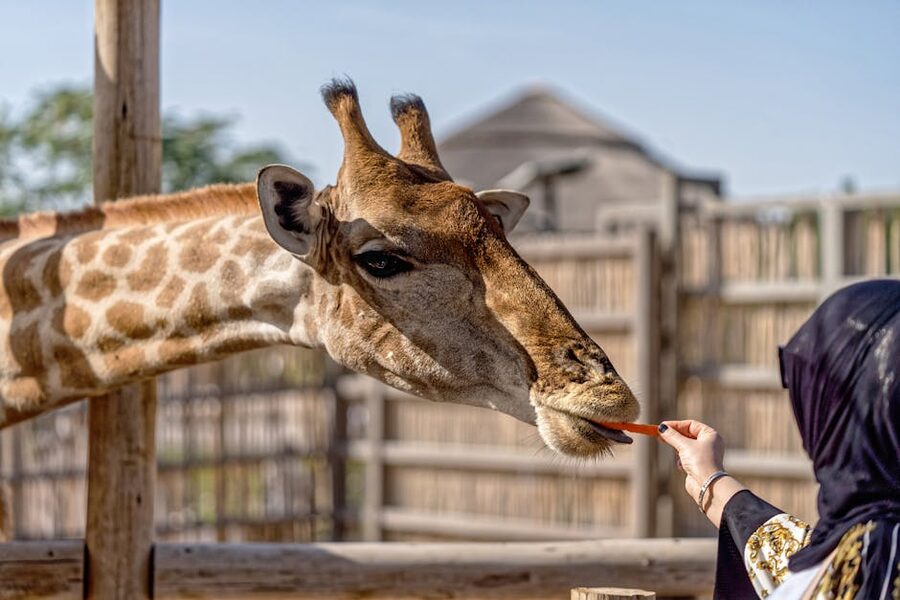
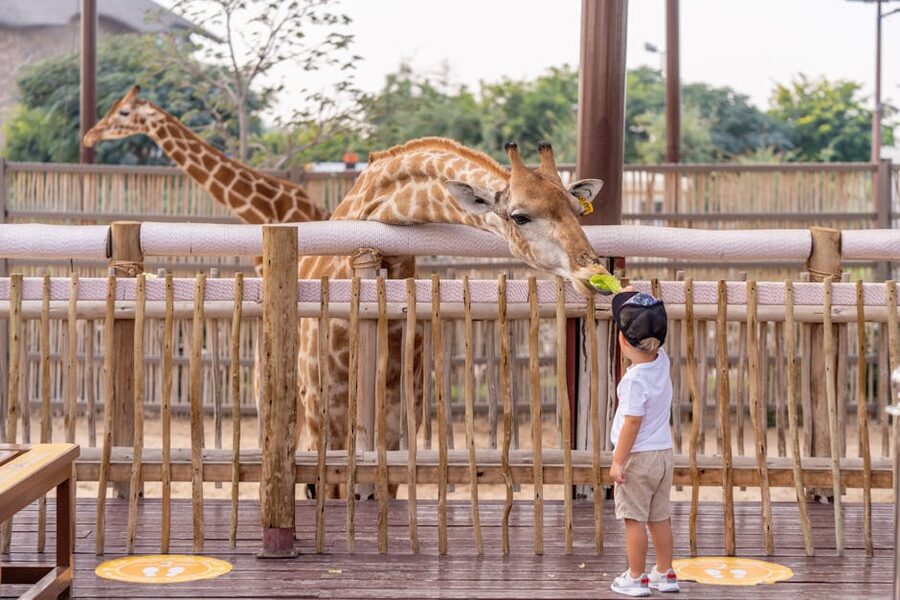
The giraffe leaned down from behind the fence and its tongue — a 45-centimetre, blue-black, prehensile tongue — wrapped around the carrot in my daughter’s hand with the precision of a surgical instrument. She shrieked with delight.
The giraffe chewed slowly, looked at her with eyelashes that would make a supermodel jealous, and leaned down for another carrot. We gave it the whole bag. I regret nothing.
Dubai Safari Park is a 119-hectare wildlife sanctuary in Al Warqa, about 25 minutes from Downtown Dubai. It houses over 3,000 animals across four themed zones — African, Asian, Arabian, and Explorer villages.
The drive-through safari section lets you see giraffes, zebras, and antelope from your car, while the walk-through zones bring you face-to-face with lions, elephants, birds, and reptiles. The whole thing is designed for Dubai’s climate — shade structures, misting fans, and air-conditioned rest points scattered between zones.

At AED 50 ($13) for general admission, Dubai Safari Park is the cheapest major attraction in the city by a significant margin. The Burj Khalifa is $43. The Museum of the Future is $46. The Aquaventure Waterpark is $90.
For $13, Safari Park gives you 3,000 animals, a drive-through safari, a bird aviary, a petting zoo, and 4-5 hours of content. The value per hour is unmatched anywhere in the city.

In a Hurry? Our Top Picks
Access to all four zones, the drive-through safari, and the bird aviary. The cheapest major attraction in Dubai.
Guided version with narration and priority access. Worth the markup if you want context with your animal viewing.
Full package with hotel pickup and drop-off. Best for visitors without transport or staying far from Al Warqa.
- The Four Zones — What Lives Where
- African Village — The Headline Zone
- Asian Village
- Arabian Village — The Conservation Zone
- Explorer Village — Birds, Reptiles, and the Petting Zoo
- The Drive-Through Safari
- Our Recommended Tickets
- 1. Dubai Safari Park Entry Pass —
- 2. Wildlife Adventure & Safari Journey —
- 3. Dubai Safari Park with Hotel Transfer — 5
- The History — From Jumeirah Zoo to Safari Park
- Practical Tips — Making the Most of Your Visit
- Dubai Safari Park vs Other Wildlife Experiences
- Getting There
- Is Dubai Safari Park Worth ?
- Planning the Rest of Your Dubai Trip
The Four Zones — What Lives Where
Dubai Safari Park is organized into four themed villages, each recreating a different continental habitat. A fifth section — the drive-through safari — crosses between zones and operates like a miniature African game reserve.
The layout is walkable but large. Give yourself at least 4 hours if you want to see everything at a reasonable pace. A full day is possible if you include the keeper talks, feedings, and a lunch break.
African Village — The Headline Zone
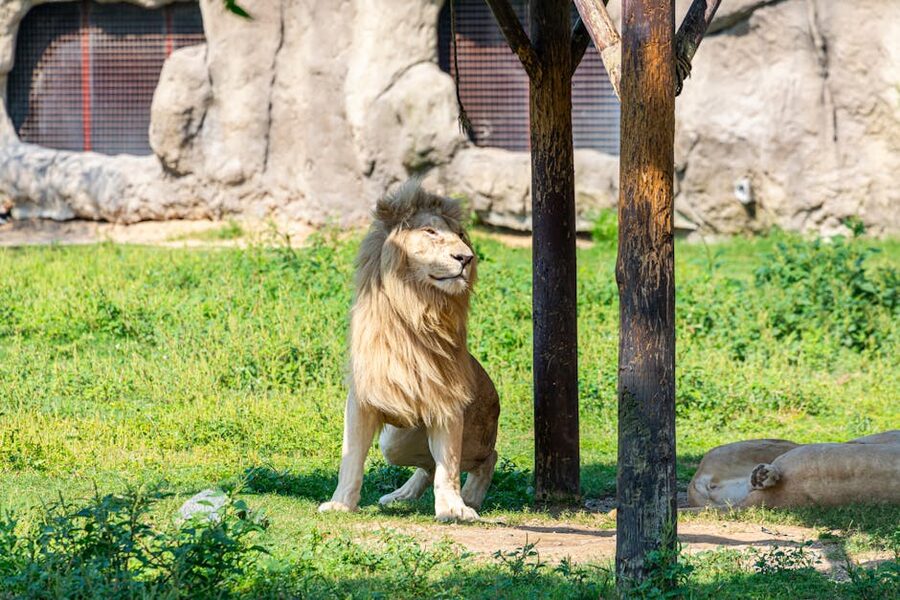
The largest and most popular zone. This is where the headline animals live — lions, giraffes, zebras, hippos, gorillas, cheetahs, and African elephants.
The enclosures are spacious by regional standards, with pools, climbing structures, and naturalistic landscaping. If you only have 2 hours, spend them here.

The giraffe feeding station is the highlight for families. You buy a cup of vegetables and the giraffes lean over the fence to eat from your hands. The sensation of a giraffe tongue wrapping around your fingers is unlike anything else in Dubai — not even the Green Planet sloth encounter comes close for tactile novelty.
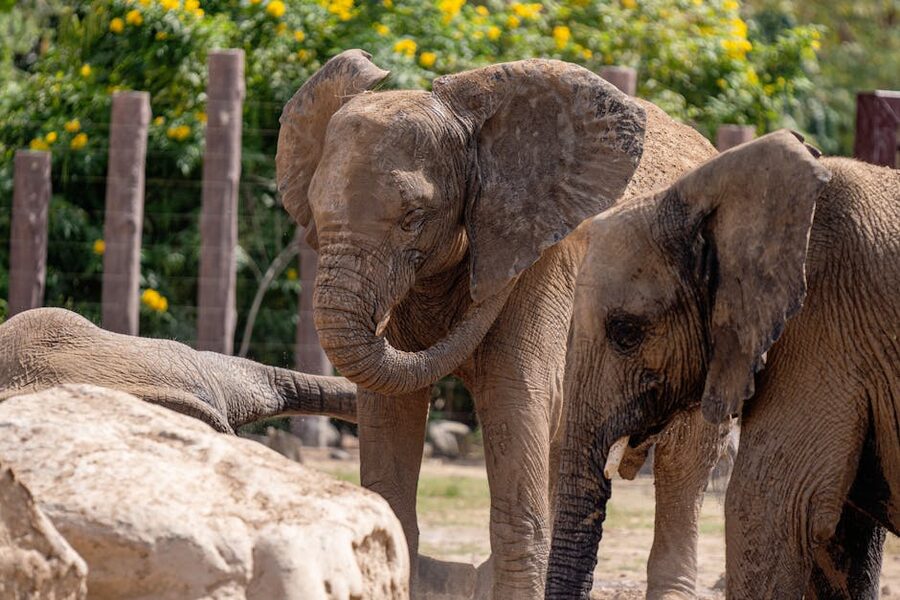
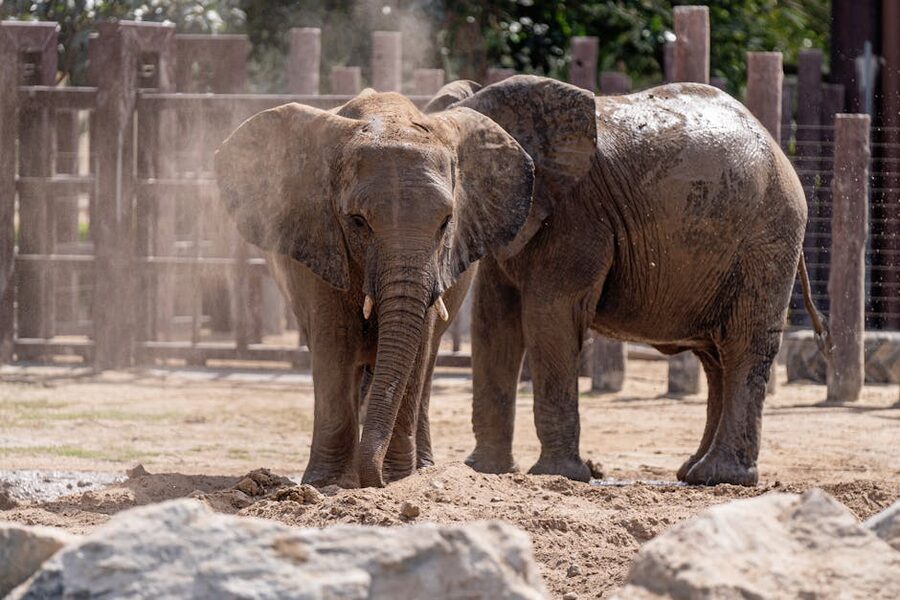
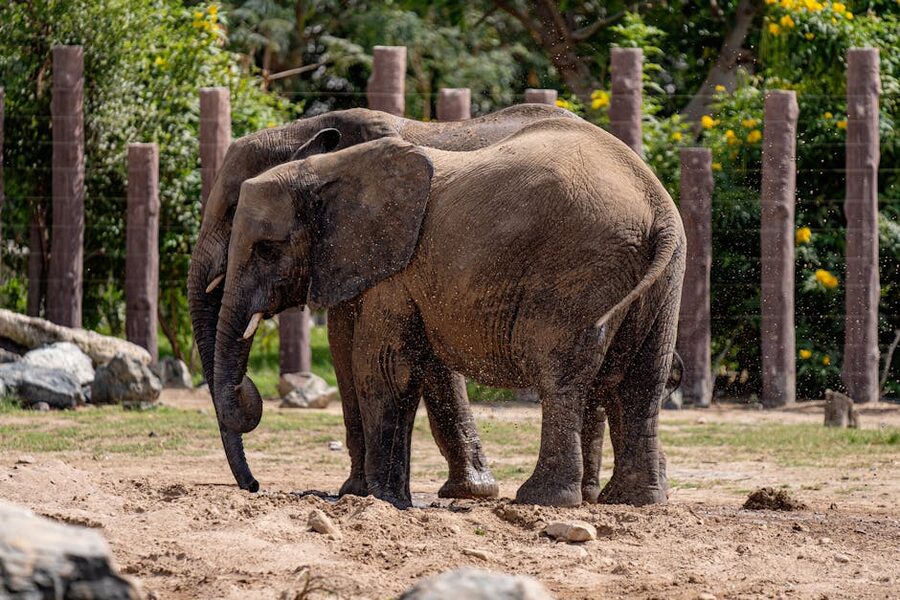
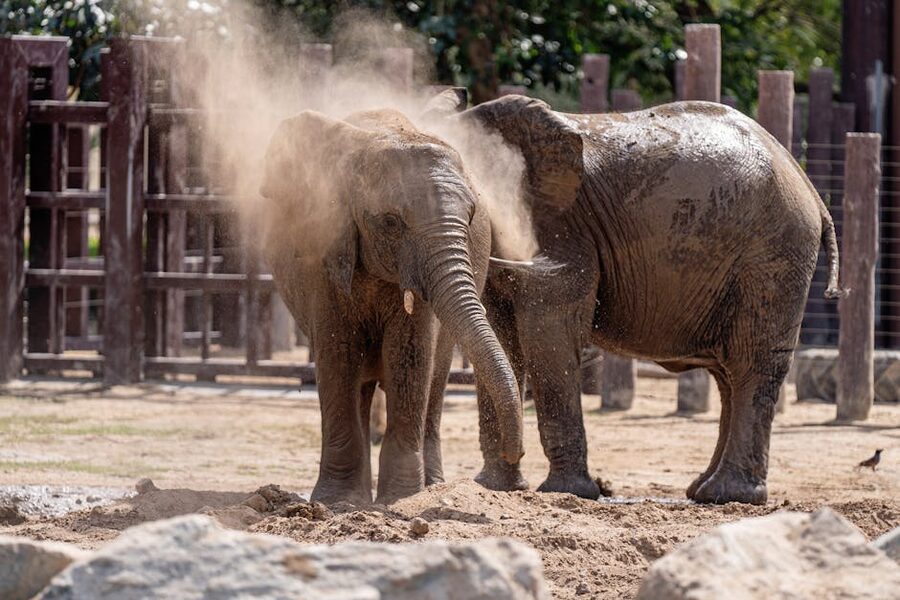
The elephant enclosure is in the same zone, with three African elephants in a spacious paddock with a pool and dust bathing area. They’re most active in the afternoon when the keepers hose them down and the mud bathing begins.
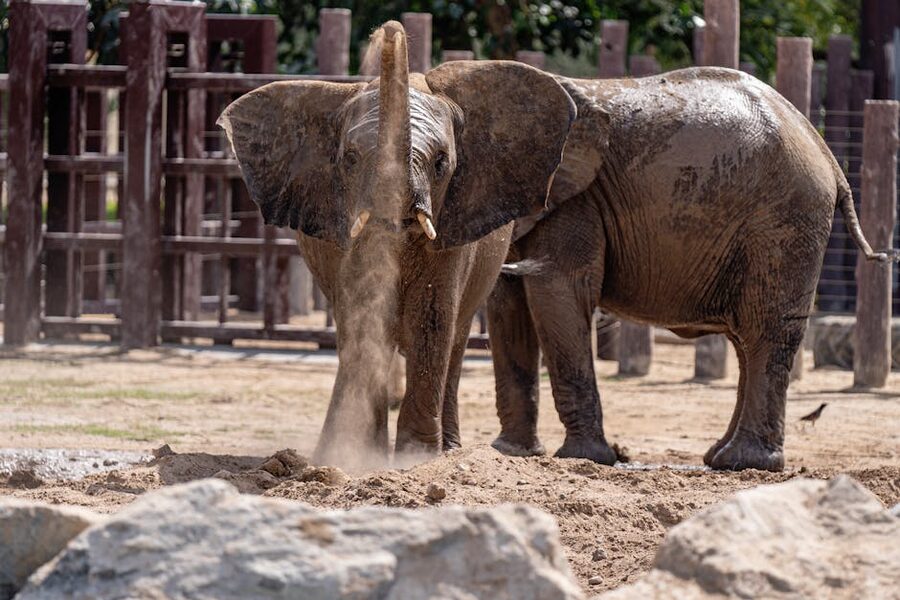
The African Village also houses the spotted hyena, cheetah, and baboon enclosures. The hyena exhibit often gets skipped but it shouldn’t — they’re intelligent, social animals with one of the strongest bites in the animal kingdom.
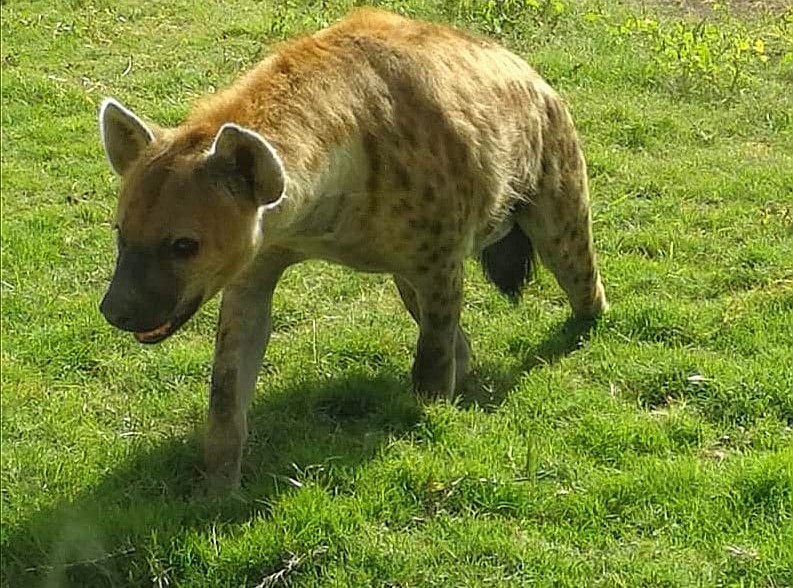

Asian Village
Sun bears, orangutans, Asian elephants, gibbons, and Komodo dragons. The primate enclosures have climbing structures and enrichment activities that keep the animals active throughout the day.
The Asian elephant pool is a highlight — smaller than the African cousins but often more visible, splashing in water and rolling in the wet clay.
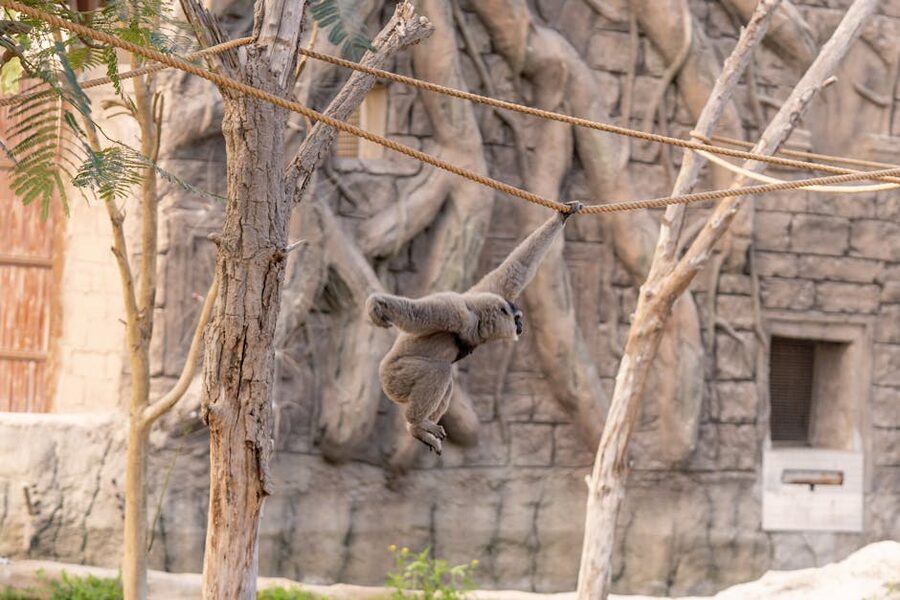
The Komodo dragon enclosure is the sleeper hit. These are the world’s largest lizards — 3 metres long, venomous, and genuinely intimidating behind glass. The keeper talks at the Komodo enclosure are among the best in the park.
If you’re into reptiles more broadly, the Asian Village leads into the Explorer Village reptile house, so you can plan a reptile-focused route that avoids backtracking.
Arabian Village — The Conservation Zone
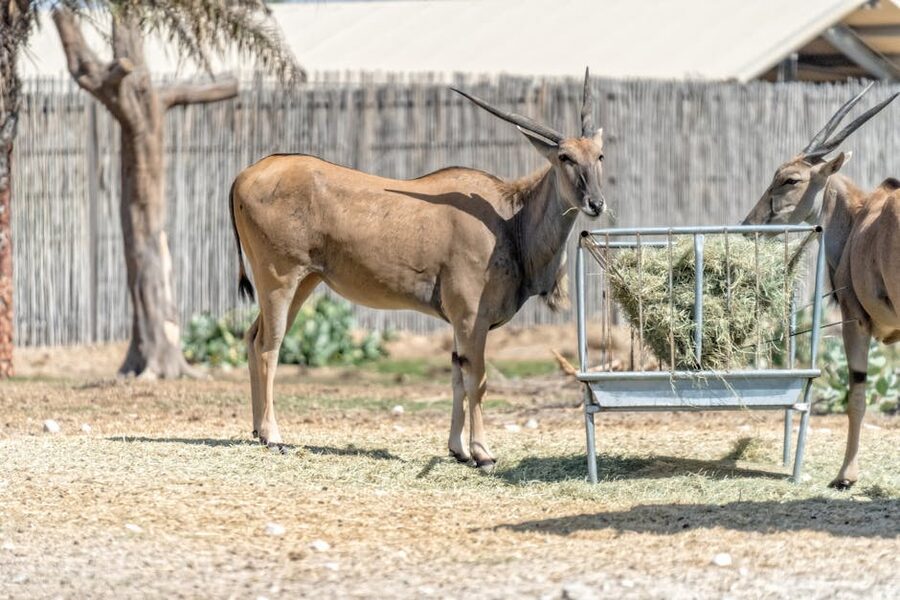
This zone focuses on species native to the Arabian Peninsula — Arabian oryx, sand gazelles, Arabian wolves, desert foxes, markhors, and various falcon species. The conservation mission is strongest here.
The Arabian oryx was hunted to near-extinction in the 1970s. Captive breeding programs like Dubai Safari Park’s have brought the population back from fewer than 100 to several thousand.
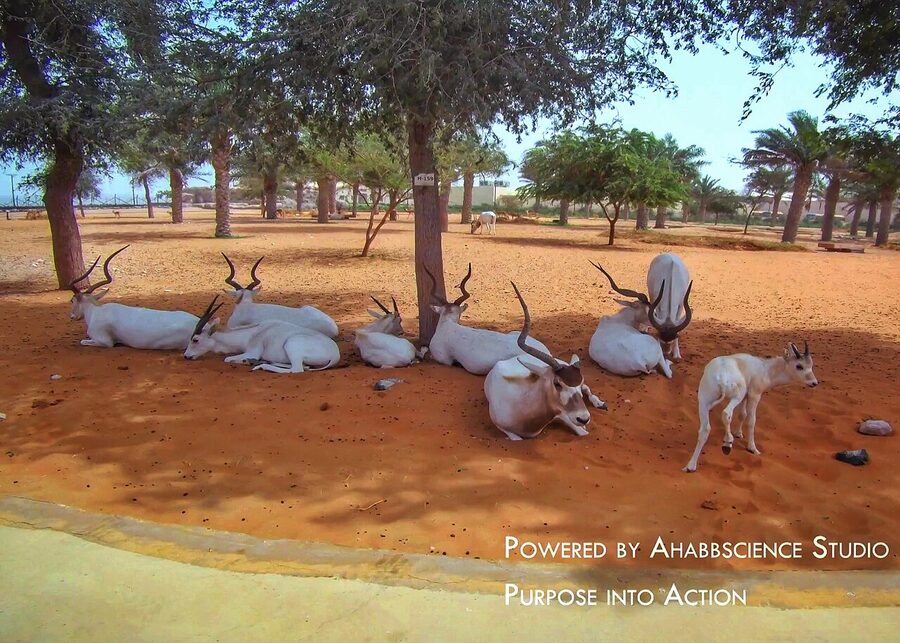

The falconry centre breeds peregrine and saker falcons for release and for the traditional Emirati sport of falconry. If you’re visiting during the keeper talk schedule, the falconry demonstration is worth catching.
This zone also connects to a small interpretive centre about Emirati conservation efforts more broadly. It’s a quick stop but the context it provides is unusual — most zoos have generic “save the animals” messaging. This one is specific to the UAE and surprisingly detailed.
Explorer Village — Birds, Reptiles, and the Petting Zoo
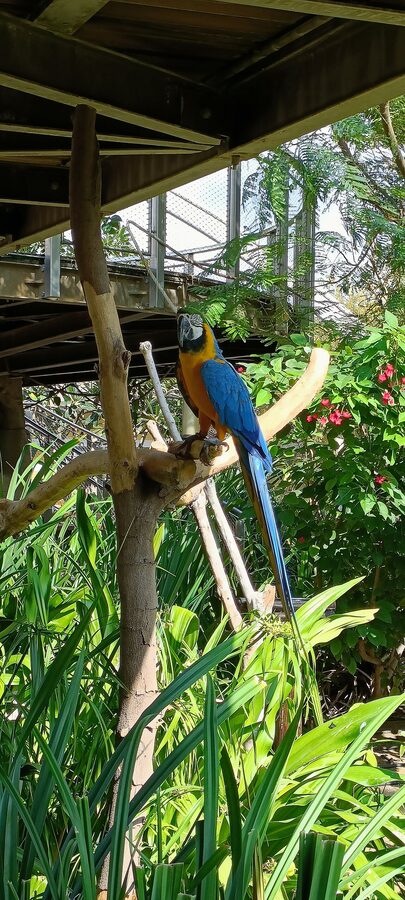
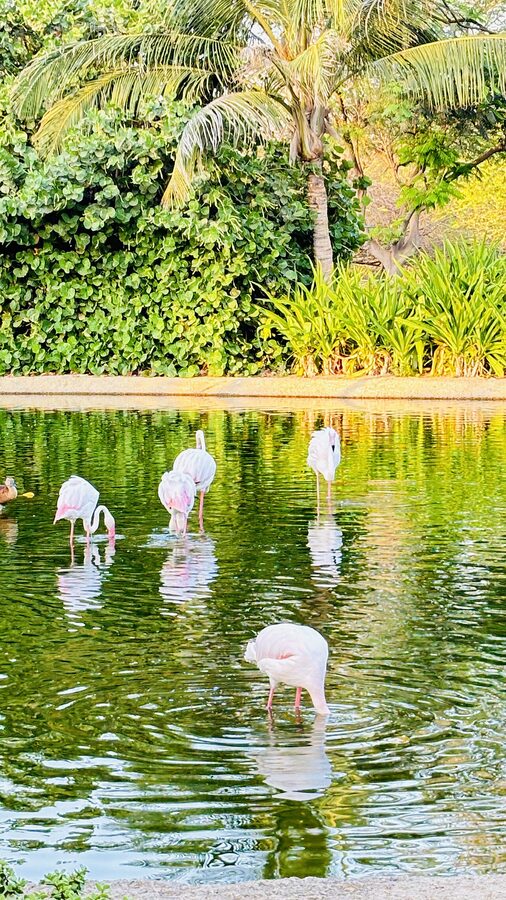
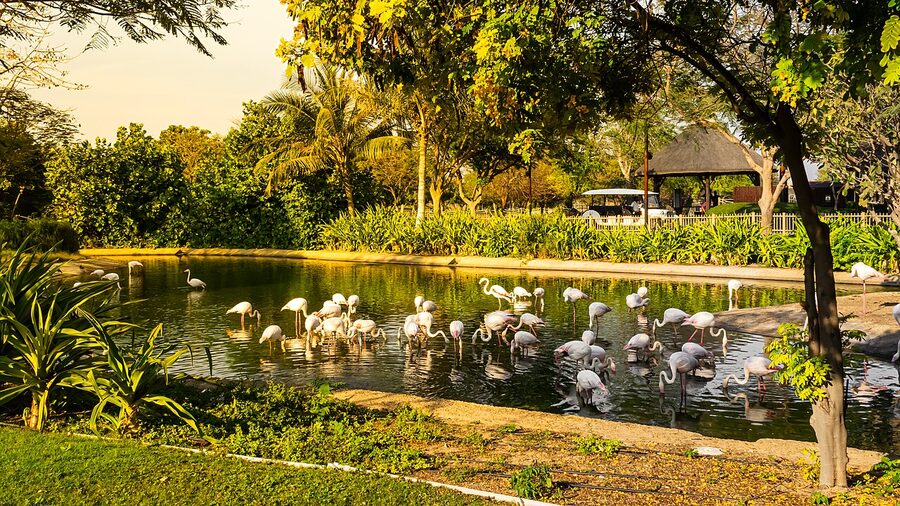
A walk-through section with the bird aviary, the reptile house, and the petting zoo. The aviary is enormous — a netted dome containing 1,000+ birds including flamingos, pelicans, hornbills, and parrots.
You walk through the aviary on elevated paths while the birds fly around you. It’s the best photographic opportunity in the park — bring a zoom lens if you have one.



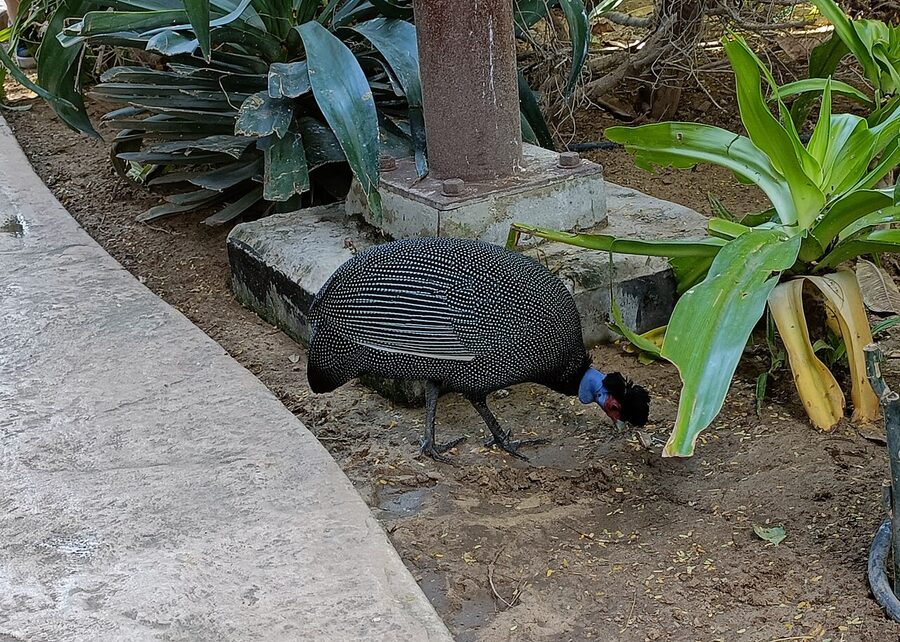

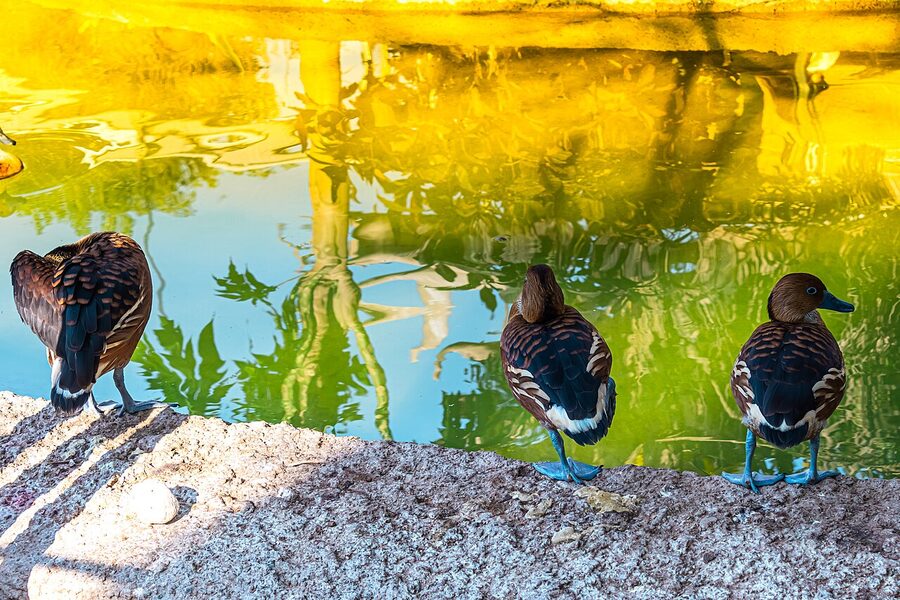

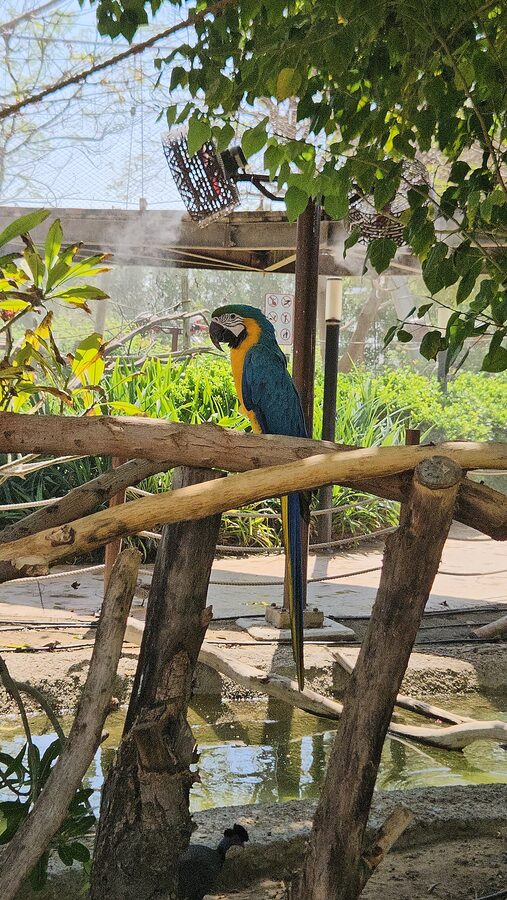

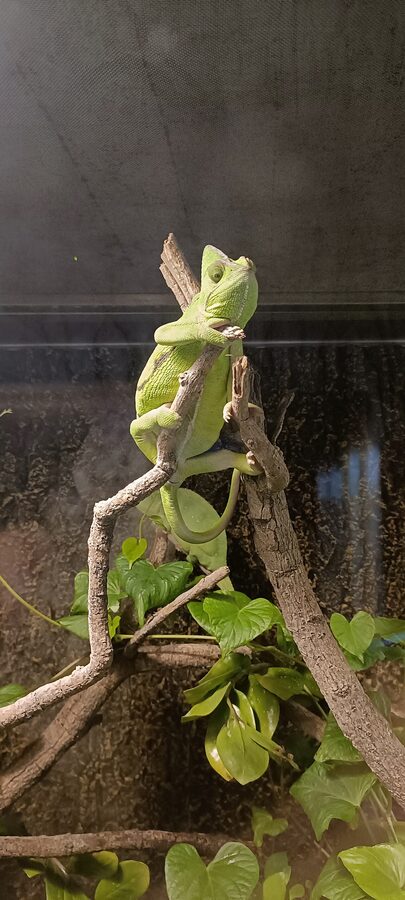
The reptile house holds snakes, lizards, tortoises, and crocodiles — behind glass but well-lit and visible. Several species are native to the UAE, which isn’t something you’ll see at most international zoos.

The petting zoo lets children interact with goats, sheep, rabbits, and farm animals. It’s designed for the youngest visitors and includes hand-washing stations — a rare but important detail.
The Drive-Through Safari
The drive-through section operates like a mini-game drive. You either take your own car through a designated route or ride the park bus (AED 20 / $5.50 extra).
The route passes through open enclosures where giraffes, zebras, oryx, and antelope roam freely. The animals approach the vehicles — the giraffes in particular are curious and will stick their heads near your car windows.
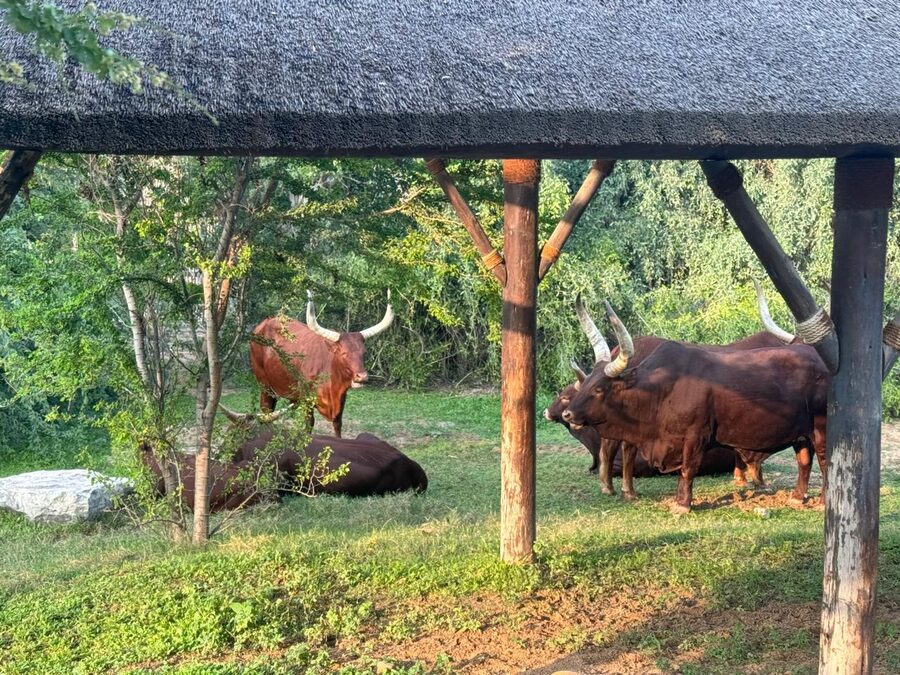

In your own car, you have the freedom to stop at designated pullover points for longer observation. The bus is better for context and narration; your own car is better for flexibility.
Both options work. If you’re not confident driving slowly through open animal enclosures (it’s slower than most people expect — under 10 km/h), take the bus.
Our Recommended Tickets
1. Dubai Safari Park Entry Pass — $13
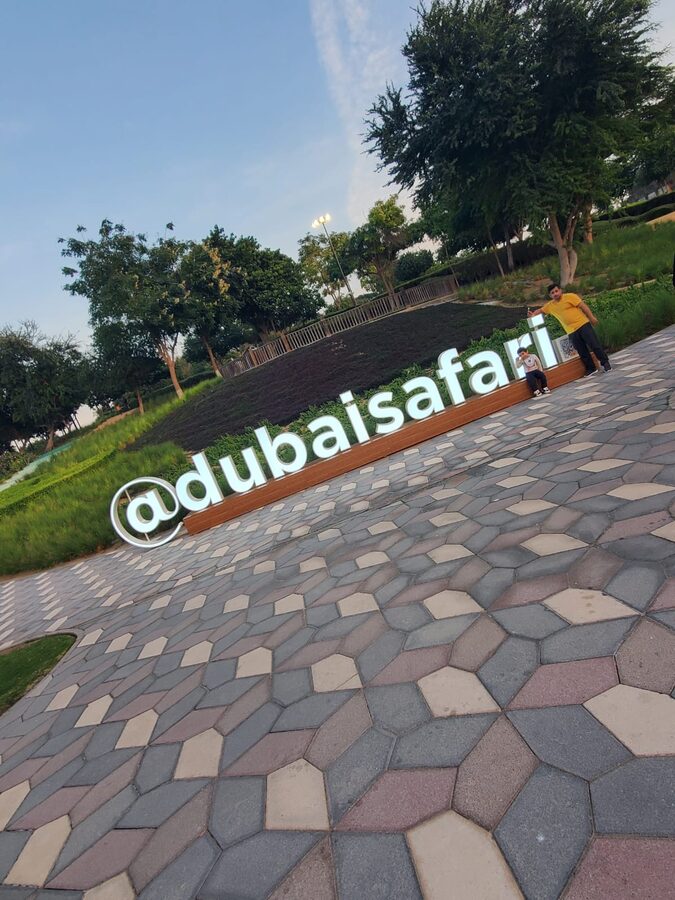

Full access to all four zones, the drive-through safari, the aviary, and the petting zoo. At AED 50 ($13), this is remarkable value — a coffee at the Dubai Mall costs more. The GetYourGuide version gives you mobile ticket delivery and free cancellation up to 24 hours before.
The park is seasonal — typically open September to June, closed during the hottest summer months. Our full review of the Safari Park Entry Pass covers the seasonal timing, ticket collection process, and which optional add-ons are worth paying for.
2. Wildlife Adventure & Safari Journey — $44
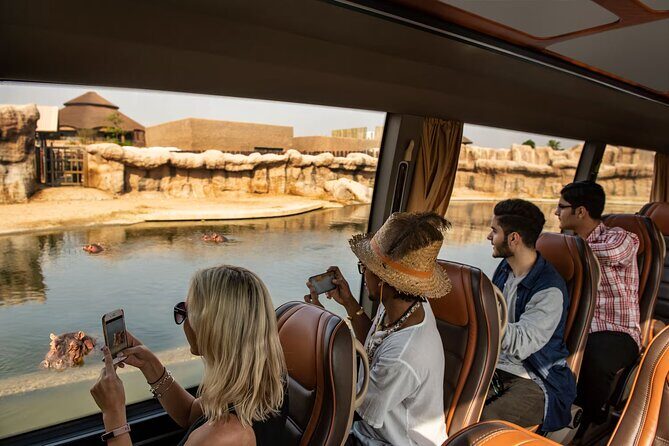
Enhanced Viator package with guided safari narration and priority access to key enclosures. The guide element adds context that the self-guided visit doesn’t include — the guides know each animal individually and share behavioural observations that make the visit more engaging.
At $44, the markup over the base $13 ticket covers the guided tour, priority access to feeding stations, and Viator’s flexible cancellation window. Worth it if you want education alongside the animal viewing rather than just the photo ops. Our review of the Wildlife Adventure option breaks down exactly what the guide covers and whether the priority access matters on quieter days.
3. Dubai Safari Park with Hotel Transfer — $105
Full package with hotel pickup and drop-off. At $105, the transfer premium is significant — about $92 over the base ticket. This makes sense if you’re staying far from Al Warqa (the Marina, JBR, or the Palm) and want the logistics fully handled.
A return taxi from the Marina costs about AED 100-120 ($27-$33), making the transfer package roughly $60 more than arranging your own transport. The park experience is identical to the base ticket — same zones, same animals, same hours. Check our review of the transfer package for whether the convenience premium is worth it from your specific hotel area.
The History — From Jumeirah Zoo to Safari Park
Dubai Safari Park replaced the old Dubai Zoo, which had operated in a 1.7-hectare site in Jumeirah since 1967. The original zoo — one of the oldest in the Arabian Peninsula — had become increasingly inadequate.
The enclosures were small, the infrastructure was ageing, and the location in a residential neighbourhood left no room for expansion.
The decision to build a purpose-designed wildlife park in Al Warqa was announced in 2012. The AED 1 billion ($272 million) project was designed by international zoo consultants to meet EAZA (European Association of Zoos and Aquaria) standards. The park opened in December 2017 after five years of construction and animal relocation.

The conservation programs are genuine, not performative. The Arabian oryx breeding program has produced calves that have been released into protected reserves in the UAE desert. The Arabian wolf program is working to preserve a subspecies that numbers fewer than 1,000 in the wild.
The falconry centre breeds peregrine and saker falcons for release and for the traditional Emirati sport of falconry. These are the kind of conservation specifics that larger, more touristy parks in the region skip.
The park’s veterinary hospital is one of the most advanced in the Middle East. It treats both the park’s resident animals and wildlife injured in the surrounding desert. Visitors can sometimes see the veterinary team at work through viewing windows in the hospital building.
Practical Tips — Making the Most of Your Visit
Go early. The park opens at 9am. Animals are most active in the first two hours before the heat builds. By noon in the cooler months, many large animals retreat to shade.
In winter (October-March), morning is the perfect time. In the shoulder months (September, April), go as early as possible — by 11am it’s already warm enough to change the animals’ behaviour.
The drive-through requires a car or bus. You can take your own vehicle through the safari section (driving yourself slowly through the open enclosures) or ride the park bus for AED 20 ($5.50). The bus has a guide who narrates.
Your own car gives you the freedom to stop and photograph. Both options work — the bus is better for information, the car is better for flexibility. If you have kids who want to see giraffes up-close, take the bus for the first run and your car for a second loop.
Bring water, sunscreen, and a hat. The park is mostly outdoors with shade structures between zones but significant sun exposure on the paths. Dubai heat is dangerous even in the cooler months.
The food court and cafés are limited — adequate but not memorable. Eat before or after, and bring snacks. Water bottles are allowed through the entrance.
Buy the giraffe food early. The feeding station sells cups of vegetables (carrots, lettuce, cucumber) for AED 10 ($2.70). They sell out on busy days — buy them at the entrance when you arrive, not at the feeding station.
You can carry them until you reach the giraffes. If you’re bringing kids, get two cups — one for the demonstration feed (so they see how it works) and one for their own hands-on turn.
The keeper talks are scheduled. Ask at the entrance for the daily schedule. The lion feeding, the elephant bath, and the bird show are the best.
The talks are educational and the keepers clearly love their animals — the enthusiasm is genuine and infectious. Missing the talks is like visiting a museum without reading the labels.
Allow 4-5 hours. The park is large — 119 hectares with four zones plus the drive-through. Walking the non-drive sections takes 2-3 hours at a comfortable pace.
Add the drive-through (30-45 minutes), the aviary (30 minutes), and breaks for food and rest. A full day is possible but 4-5 hours covers everything most visitors want to see.
Seasonal — September to June. The park closes during the summer months (July-August) when temperatures exceed 45°C. Check the official website for exact opening dates each season — they shift slightly year to year.
Free parking. The park has a large free car park. If you’re driving in Dubai, this is one of the few attractions where parking isn’t an issue — unlike the Burj Khalifa or the Dubai Mall area where parking fees and availability are both problems.
Dubai Safari Park vs Other Wildlife Experiences
vs The Green Planet ($42): The Green Planet is an indoor biodome — tropical rainforest species (sloths, toucans, piranhas) in a climate-controlled building.
Safari Park is outdoor — African and Arabian megafauna in open enclosures. Different ecosystems, different animals, different experiences. Both are excellent. Safari Park is cheaper and larger. Green Planet is more intimate and year-round.
vs The Dubai Aquarium ($56): The aquarium covers marine life. Safari Park covers terrestrial wildlife. No overlap. If you’re interested in animals broadly, do both — they complement each other perfectly.
vs The Butterfly Garden ($20): The Butterfly Garden is in the same Dubailand area as Miracle Garden. Combining Safari Park (morning) with Butterfly Garden (afternoon) gives you a full nature-focused day for $33 total. The two parks are 20 minutes apart by car.
vs The Desert Safari ($40-$80): Different kind of wildlife — the desert safari is more about the landscape, dune-bashing, and Bedouin-themed dinner than the animals. If you want the full “Dubai nature” sweep, do Safari Park in the morning and the desert safari in the evening. The two pair perfectly because they depart from different sides of the city.
Getting There
Location: Al Warqa 5, Dubai. About 25 minutes from Downtown Dubai, 30 minutes from the Marina.
Taxi or Uber: Ask for “Dubai Safari Park, Al Warqa.” Budget AED 50-80 ($14-$22) each way from central Dubai. The park has a taxi rank for the return journey — don’t worry about getting stuck.
No metro access. The nearest metro station (Rashidiya or Airport Free Zone) is 15-20 minutes away by taxi. Al Warqa is not well-served by public transport.
Taxis, Uber, or the hotel transfer packages are the practical options. If you’re planning to also visit Miracle Garden or Butterfly Garden on the same day, an Uber for the whole day (around $80-100) often works out cheaper than two round-trips.
If you’re driving: Free parking is available. The park is well-signposted from the main roads. Navigation apps find it easily. Allow 30 minutes from the Marina, 25 from Downtown, 15 from Deira.
Is Dubai Safari Park Worth $13?
Absolutely. At $13, the question isn’t whether it’s worth it — it’s whether there’s a better-value attraction anywhere in Dubai. There isn’t.
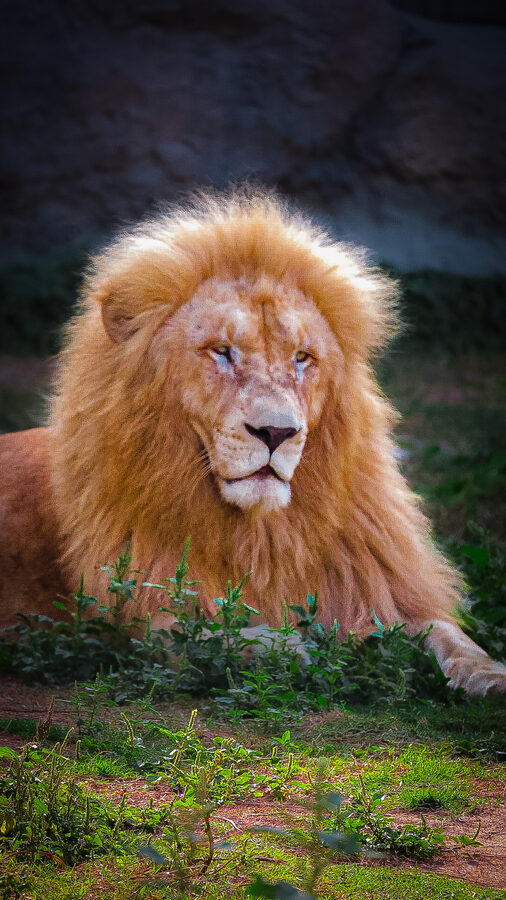
The giraffe feeding alone is worth the entry fee for families. The white lions, the drive-through safari, the aviary, the Arabian oryx — each zone has something that justifies the visit.
The park is well-maintained, the enclosures are spacious, and the conservation mission adds meaning beyond the entertainment. You leave feeling like you’ve learned something, which isn’t always true at theme-park-style attractions.
The only caveat is the location. Al Warqa is not central — you’ll spend 30+ minutes and AED 50-80 ($14-$22) each way on transport. The transport cost can exceed the entry fee, which is a very Dubai problem. But the 4-5 hours of content inside more than compensate for the journey.
Planning the Rest of Your Dubai Trip
Safari Park fills a morning or a full day. The Butterfly Garden and Miracle Garden are in the same part of the city (Dubailand) and make natural afternoon additions — both smaller attractions that pair well with a morning at the safari park.
The desert safari also departs from the eastern side of Dubai, making for an easy transition from park animals in the morning to desert wildlife in the evening. For indoor wildlife on a hot day, the Green Planet indoor rainforest and the Dubai Aquarium cover different ecosystems entirely.
If you want to cap the day with something completely different, the Burj Khalifa sunset slot is 25 minutes by taxi from Al Warqa — and the contrast between animals in the morning and the world’s tallest building at dusk makes for one of the better day structures in Dubai. The Abu Dhabi day trip is a longer but equally well-paired alternative if you’re staying multiple days.