
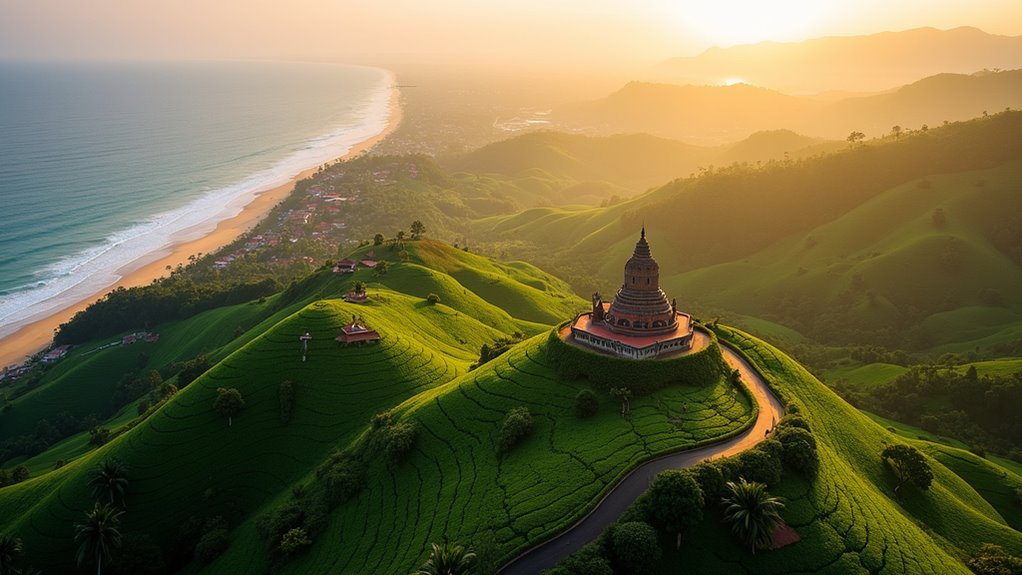
Sri Lanka offers travelers an incredible diversity of experiences within a compact island nation that’s perfect for budget-conscious road trips. From ancient rock fortresses to wildlife safaris, pristine beaches to sacred temples, adventurous visitors can explore centuries-old ruins, spot elephants in their natural habitat, and relax on palm-fringed coastlines—all without breaking the bank. The key lies in knowing which destinations deliver the most value and how to navigate between them efficiently.
- Climb the Ancient Sigiriya Rock Fortress
- Safari Adventures in Yala National Park
- Scenic Train Journey From Kandy to Ella
- Explore the Sacred Temple of the Tooth in Kandy
- Whale Watching and Beach Relaxation in Mirissa
- Discover the Historic Galle Fort
- Elephant Gatherings at Minneriya National Park
- Dambulla Cave Temple and Golden Buddha Statues
- Unawatuna’s Palm-Fringed Beaches and Turquoise Waters
- Ancient Ruins of Polonnaruwa
- Hidden Gem: Mulkirigala Rock Temple
Climb the Ancient Sigiriya Rock Fortress
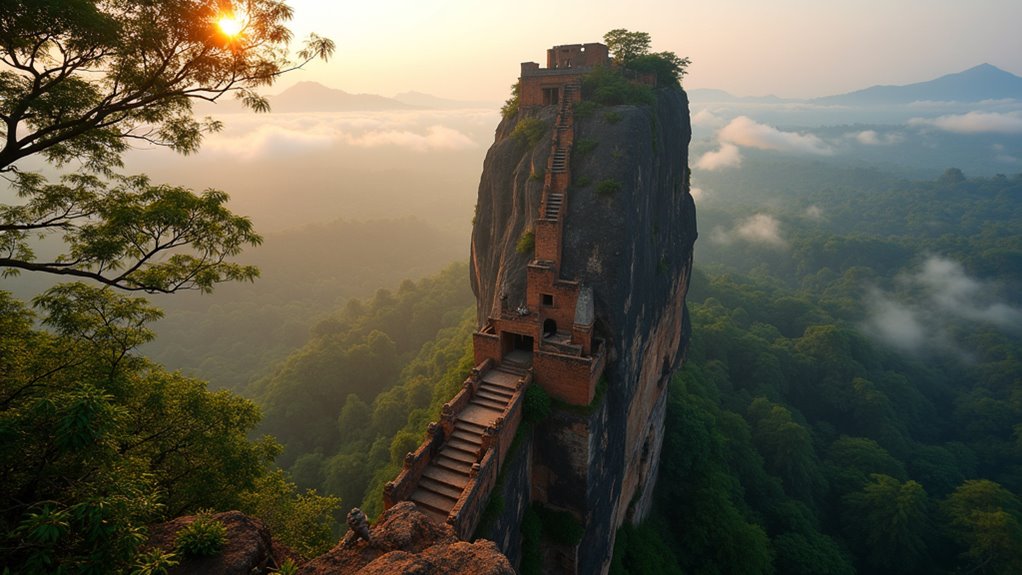
Rising dramatically from Sri Lanka’s central plains, the ancient Sigiriya Rock Fortress stands as one of the island’s most breathtaking archaeological wonders—and fortunately, it won’t break the budget at around $30 for foreign visitors.
Built by King Kashyapa I in the 5th century as a defensive palace, this 200-meter granite monolith requires climbing 1,270 steep steps to reach the summit. The ascent takes 1-2 hours and passes remarkable highlights: ancient frescoes of celestial maidens, the Mirror Wall covered in centuries-old graffiti, and the iconic Lion’s Gate entrance.
The site’s water gardens and terraced landscapes showcase sophisticated ancient engineering. Like the famous Terracotta Warriors of Xi’an, Sigiriya represents an extraordinary testament to ancient civilizations’ architectural and artistic achievements. The fortress was protected by two large moats, with the outer moat historically filled with crocodiles for additional defense. Start early to avoid crowds and heat—this UNESCO World Heritage Site delivers unforgettable views and history that justify every step.
Safari Adventures in Yala National Park
Where else can travelers spot one of the world’s highest concentrations of leopards without emptying their wallets? Yala National Park delivers exceptional wildlife experiences at budget-friendly prices. With roughly 25 Sri Lankan leopards roaming Block 1 and 350 elephants frequently bathing in Block 6, visitors get incredible value for their safari investment.
Three-to-four-hour jeep tours with licensed guides cost markedly less than African safaris while offering encounters with 44 mammal species and over 215 bird varieties. Smart travelers pack binoculars and zoom lenses to maximize wildlife spotting across the park’s diverse terrain of jungles, wetlands, and grasslands. Like China’s famous Yellow Mountain, Sri Lanka’s natural wonders offer adventurous experiences that combine stunning landscapes with unique wildlife encounters.
Dawn and dusk safaris provide the best leopard-sighting opportunities, though elephant encounters are virtually guaranteed. This 978-square-kilometer park‘s ancient rock formations and varied ecosystems create perfect conditions for unforgettable wildlife photography. The park may temporarily close during heavy rains between October and January, so visitors should plan accordingly for optimal safari conditions.
Scenic Train Journey From Kandy to Ella
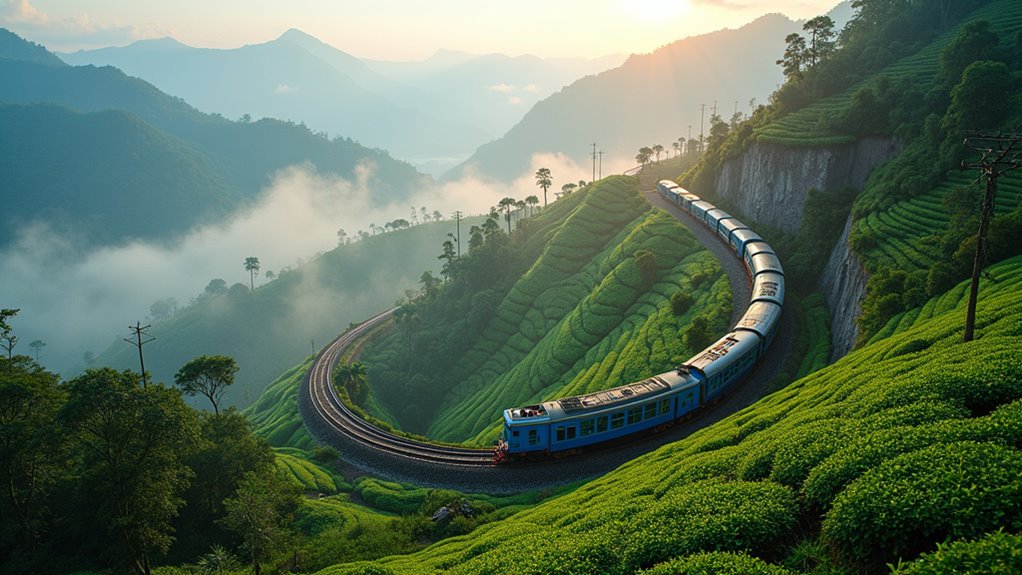
After capturing incredible wildlife moments in Yala‘s wilderness, travelers can experience Sri Lanka’s most spectacular train journey through the country’s misty hill country. The Kandy to Ella route takes around 7 hours, though delays can stretch it to 10 hours. Morning departures typically leave between 8:30 am and 11:00 am from Kandy or nearby Peradeniya station.
The train winds through lush tea plantations, mountain forests, and dramatic landscapes including waterfalls and tunnels. Key stops include Hatton, Nanu Oya, and Haputale before reaching Ella. For the best views, grab a left-side seat between Nanu Oya and Ella. Similar to other incredible journey experiences across Southeast Asia, this route offers unforgettable scenic vistas at every turn.
Carriages are basic without air-conditioning, but open windows offer perfect photo opportunities. Book tickets in advance, especially for the popular observation saloon, and plan for frequent delays. This sustainable transportation option minimizes environmental impact while providing an immersive cultural experience through Sri Lanka’s highlands.
Explore the Sacred Temple of the Tooth in Kandy
Since Kandy served as Sri Lanka’s last independent kingdom, visitors can explore one of Buddhism’s most sacred sites right in the city center. The Temple of the Tooth houses Buddha’s actual tooth relic, making it incredibly significant for Buddhists worldwide. Built around 1600 and rebuilt after Portuguese destruction, the temple showcases stunning Kandyan architecture with intricate gold, silver, and ivory carvings.
Located within the former royal palace complex beside Kandy Lake, it’s easily accessible on foot from most accommodations. The sacred relic symbolizes the divine right to rule and has been passed down through Sri Lankan royalty for centuries. Daily worship ceremonies occur at 5:30am, 9:30am, and 6:30pm when you can glimpse the relic’s golden casket.
Entry costs around 1,500 rupees for foreigners. Dress modestly with covered shoulders and legs, remove shoes before entering, and consider visiting during the spectacular Esala Perahera festival in July/August. Beyond the temple visit, travelers can discover unique experiences throughout Kandy that offer deeper culture into this historic royal city.
Whale Watching and Beach Relaxation in Mirissa
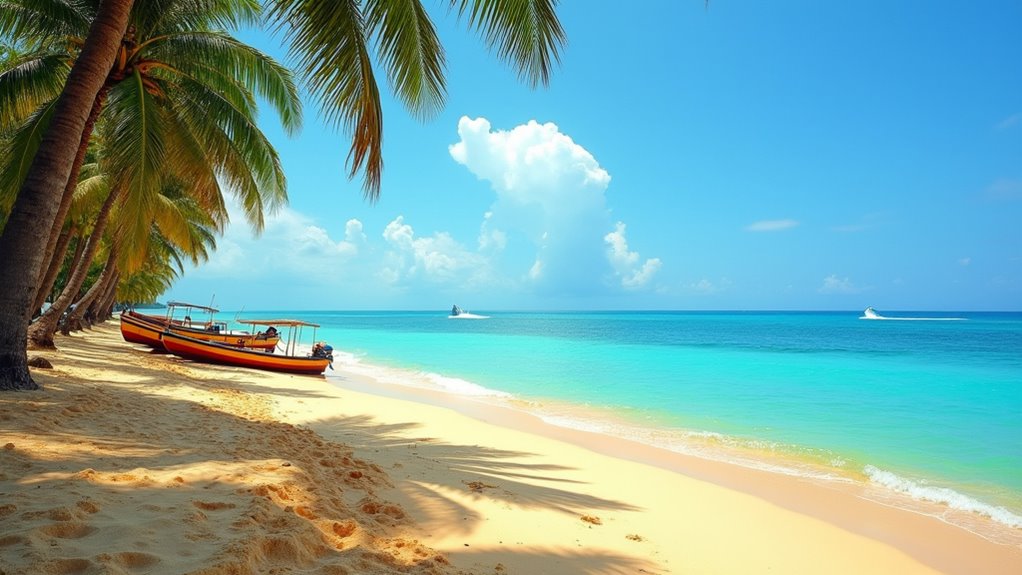
While Kandy offers culture, Mirissa delivers Sri Lanka’s premier whale watching experience along the country’s stunning southern coast.
November through April provides ideal conditions for spotting blue whales—Earth’s largest mammals reaching 30 meters long. Early morning tours maximize sightings when whales are most active, with 4-5 hour excursions costing around $50 USD. Choose operators that follow international whale watching guidelines to ensure ethical practices that protect these magnificent creatures while providing the best viewing opportunities.
Mirissa’s deep continental shelf creates nutrient-rich feeding grounds that attract diverse marine life including sperm whales, fin whales, and dolphins. However, 2024’s dramatically reduced blue whale sightings highlight conservation concerns affecting this natural spectacle.
After whale watching adventures, travelers can unwind on Mirissa’s pristine sandy beach. The area offers budget-friendly accommodations, local restaurants, and water sports like snorkeling and surfing, making it perfect for combining wildlife encounters with coastal relaxation. Similar to Krabi’s spectacular limestone cliffs, Sri Lanka’s southern coastline features dramatic geological formations that create breathtaking backdrops for beachside activities.
Discover the Historic Galle Fort
Though Mirissa offers unforgettable marine encounters, Galle Fort presents Sri Lanka’s most impressive colonial legacy just an hour’s drive east along the coast. This UNESCO World Heritage site showcases 400 years of Portuguese, Dutch, and British colonial architecture within massive stone ramparts.
Visitors can explore the 1755 Dutch Reformed Church, climb Sri Lanka’s oldest lighthouse from 1848, and walk along 14 historic bastions offering stunning ocean views. The fort’s grid-like streets house multicultural communities, boutique shops, and budget-friendly guesthouses within colonial buildings.
Entry to the fort is free, making it perfect for budget travelers. The ramparts provide excellent sunset viewing spots, while the interior reveals Dutch colonial architecture blended with local influences. For those interested in exploring more wildlife experiences, Singapore’s Mandai district offers an impressive array of nature attractions. The fort served as a crucial hub for the Dutch East India Company, facilitating trade in spices, textiles, and precious gems.
Plan at least half a day to fully appreciate this living piece of colonial history.
Elephant Gatherings at Minneriya National Park
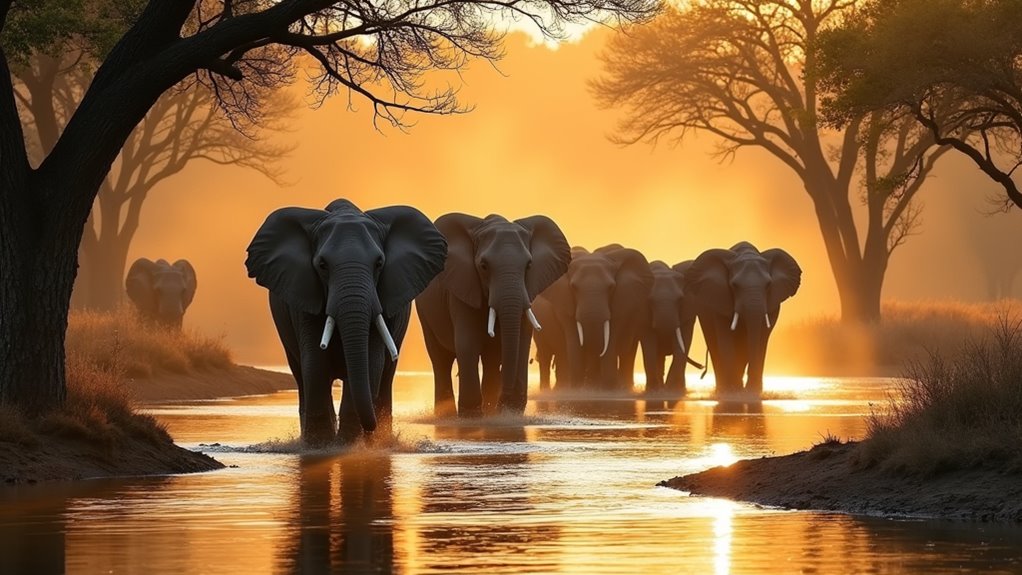
After exploring Galle’s colonial charm, travelers can witness one of Asia’s most spectacular wildlife events just a few hours inland at Minneriya National Park.
The Great Elephant Gathering draws up to 400 wild Asian elephants between July and October, peaking in August and September. Visitors can watch herds bathe, graze, and socialize around the ancient Minneriya Tank reservoir during afternoon safaris from 3-6 PM.
Budget-conscious travelers should note that jeep safaris offer the best viewing experience, though expect crowds during peak season. The park is accessed via dirt roads through lightly forested terrain that forms part of the larger Elephant Corridor ecosystem.
While the gathering has declined by 50% since 2018 due to water management issues, it remains an unforgettable wildlife spectacle.
The elephants freely move between Minneriya and nearby Kaudulla National Park, creating dynamic viewing opportunities for patient observers. Like many of Sri Lanka’s essential experiences, timing your visit during the optimal viewing season ensures the most rewarding encounter with these magnificent creatures.
Dambulla Cave Temple and Golden Buddha Statues
Just 20 minutes north of Minneriya, travelers can explore Sri Lanka’s most impressive cave temple complex at Dambulla, where over 150 golden Buddha statues glisten within five sacred caves carved into a towering rock face. This UNESCO World Heritage site spans over 2,200 years of continuous worship, with statues dating from the 2nd century BCE through the 18th century Kandyan period.
The largest cave, Maharaja Vihara, houses 57 Buddha statues alongside vibrant murals covering over 2,100 square meters of ceiling and walls. Don’t miss the 30-foot reclining Buddha carved directly from bedrock in the Maha Alut Viharaya cave. The caves originally served as a royal hideout for King Valagamba of Anuradhapura in the 1st century BC, who sheltered here for over 15 years before transforming the site into a place of worship. Like Taiwan’s historic capital of Tainan, Dambulla showcases centuries of continuous cultural and religious significance through its preserved architecture and artifacts.
The temple remains an active monastery, so dress respectfully and remove shoes before entering. Entry costs around $10 for foreigners.
Unawatuna’s Palm-Fringed Beaches and Turquoise Waters
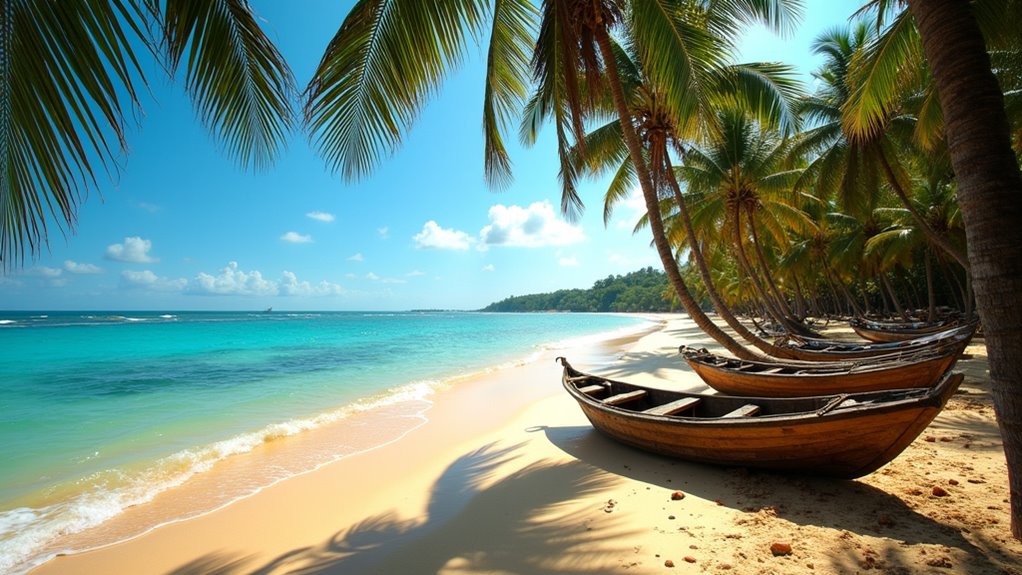
Heading south from the ancient temples and cultural treasures of the Cultural Triangle, travelers will find Sri Lanka’s coastline offers an entirely different kind of magic at Unawatuna Beach. This crescent-shaped bay boasts golden sands and crystal-clear turquoise waters protected by an outer reef, creating perfect conditions for swimming and snorkeling.
Palm trees frame the beach while gentle waves make it ideal for families and beginner swimmers.
Budget-conscious travelers can choose from affordable guesthouses or splurge on beachfront resorts. The main beach offers excellent snorkeling opportunities with vibrant coral reefs and marine life visible close to shore. Multiple dive shops provide equipment rentals and guided tours for those wanting to explore the underwater ecosystems more thoroughly.
Don’t miss nearby attractions like the Japanese Peace Pagoda and UNESCO-listed Galle Fort. While Unawatuna offers coastal relaxation, adventure seekers might also consider exploring other destinations known for their active volcanoes and unique geological features.
For fewer crowds and cleaner waters, head to the beach’s southern sections where swimming conditions are supreme.
Ancient Ruins of Polonnaruwa
Where can travelers witness over 1,000 years of Sri Lankan history carved in stone and preserved in ancient ruins? Polonnaruwa, Sri Lanka’s second ancient capital, offers exactly that experience. This UNESCO World Heritage site became the island’s political center after Anuradhapura’s fall in 993 AD, serving under both Chola rulers and Sinhalese kings like Parakramabahu I.
Budget-conscious travelers can explore the sprawling archaeological park containing palace foundations, the stunning Vatadage circular relic house, and the magnificent Gal Vihara Buddha sculptures carved directly into granite cliffs. The site showcases both Buddhist and Hindu influences, including the ancient Siva Devale temple. Like other must-see highlights across Asia, Polonnaruwa rewards visitors with unforgettable historical encounters.
Don’t miss the massive Parakrama Samudra reservoir, demonstrating the advanced irrigation systems that once made Sri Lanka “The Granary of the Orient.” Entry costs are reasonable for the wealth of history contained within. Visitors will also encounter playful toque macaques that have made their home among the ancient ruins, adding a unique wildlife element to the historical exploration.
Hidden Gem: Mulkirigala Rock Temple
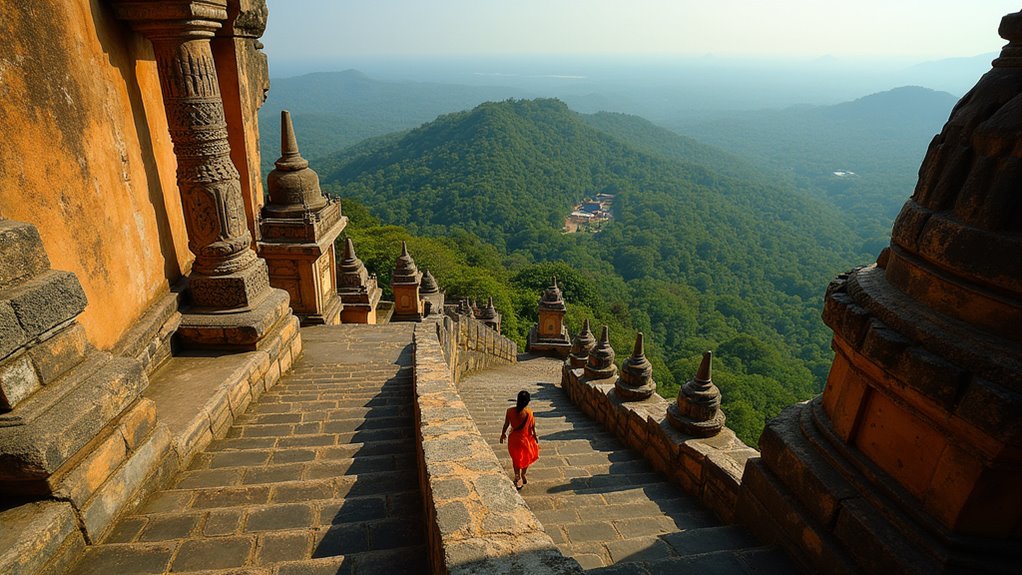
While most travelers flock to the famous Sigiriya Rock Fortress, adventurous road trippers will discover an equally spectacular but far less crowded alternative at Mulkirigala Rock Temple. Located just 17 km north of Tangalle, this “Little Sigiriya” rises 673 feet above the coastal plains and won’t break the budget.
The ancient temple complex features seven cave temples spread across five terraced levels, accessible via carved rock stairways. Visitors can explore 18th-century Kandyan murals depicting Buddhist stories and massive reclining Buddha statues without fighting crowds.
The challenging climb rewards travelers with panoramic ocean views and peaceful meditation spots. The temple houses 15 statues of Buddha on His death bed, showcasing the site’s profound religious significance.
Dating back to the 3rd century BC, this hidden gem offers authentic culture. Smart road trippers include Mulkirigala when exploring the south coast – it’s easily combined with nearby beaches for a perfect day trip. Like Japan’s renowned snow festivals, Sri Lanka’s temple complexes offer visitors unique seasonal experiences throughout the year.