Tokyo: Sumo Morning Practice Viewing Tour at a Real Stable — A Deep Dive into Japan’s Ancient Sport
If you’re curious about sumo beyond the flashy tournaments, this tour offers an authentic peek into the daily life of Japan’s national sport. While it might not be the typical tourist attraction, visiting a real sumo stable in Tokyo’s historic Ryogoku district reveals the sport’s spiritual and physical dedication—something that’s normally off-limits to outsiders.
What we love about this experience is how it combines learning with genuine human interaction. First, you get to stand just feet away from wrestlers during their rigorous morning session, which is a rare privilege. Second, the guides are knowledgeable and passionate, making complex rituals understandable and meaningful.
The one potential drawback? The tour requires punctuality and discipline—arriving late might mean missing out entirely. Also, since it’s rooted in tradition, it’s not suitable for children under 11 or those looking for a more casual sightseeing experience. Still, if you’re eager to see sumo’s true heart, this is a memorable and valuable outing.
It suits travelers who appreciate cultural authenticity and are ready for a quiet, respectful morning inside Japan’s sumo world.
Key Points
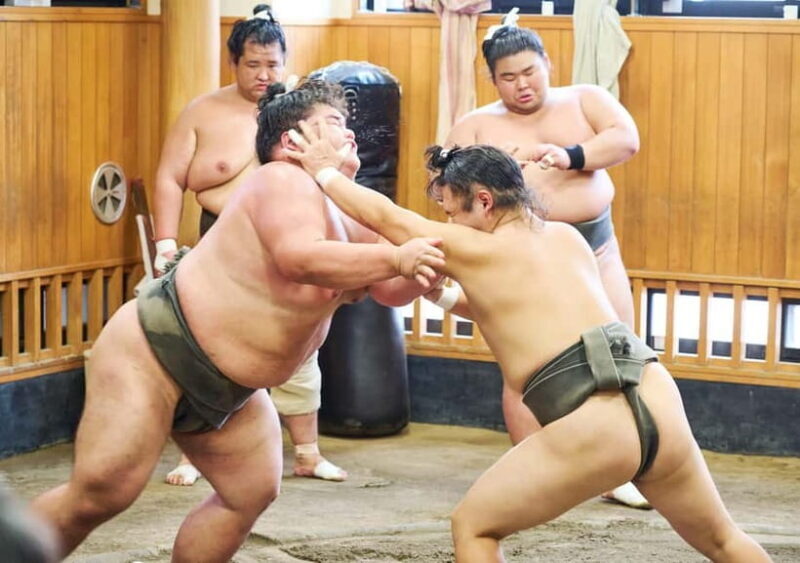
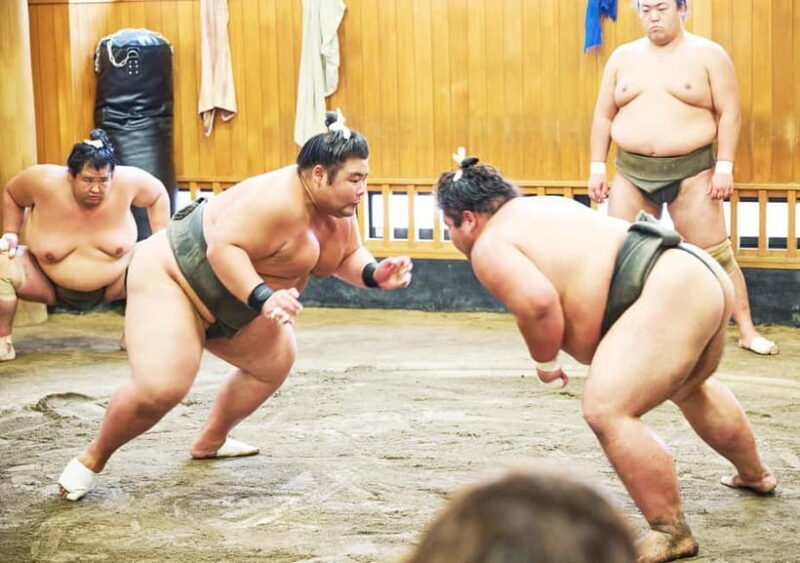
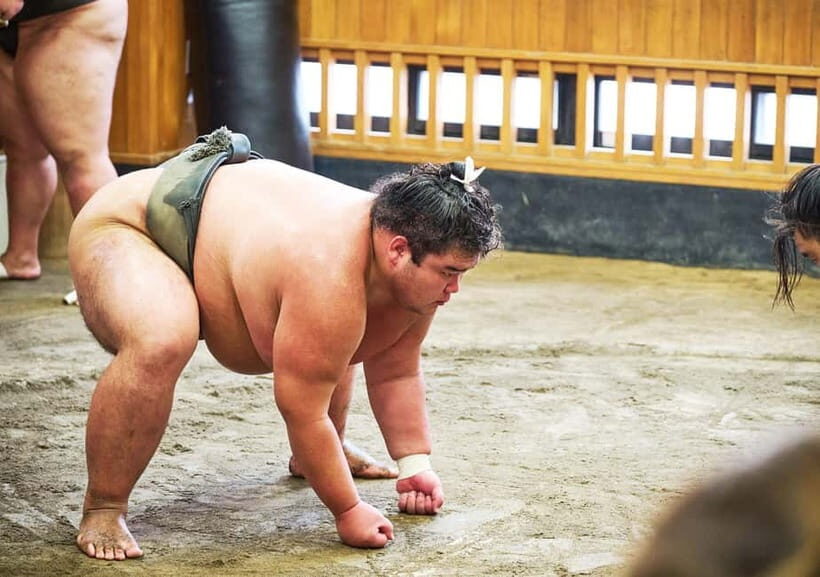
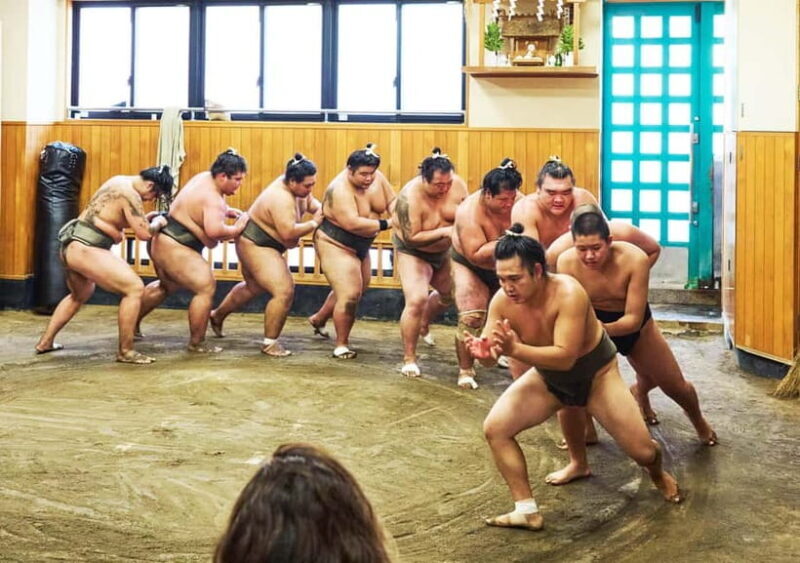
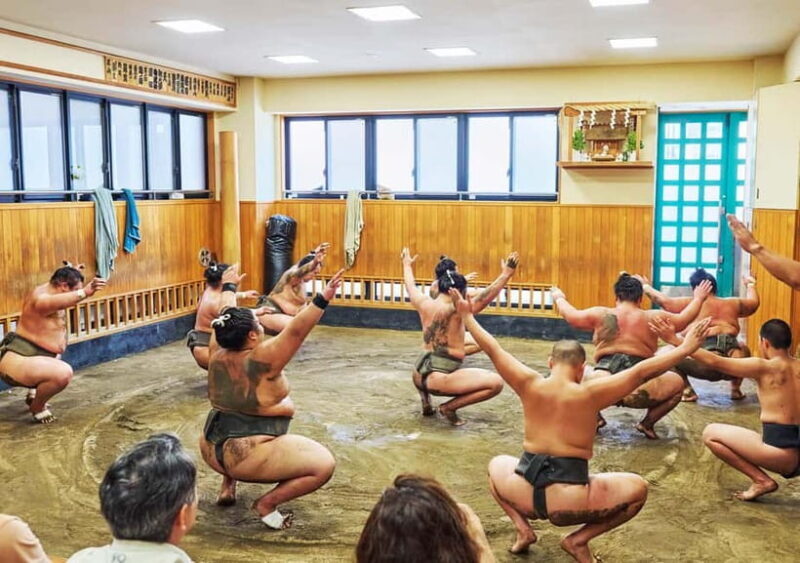
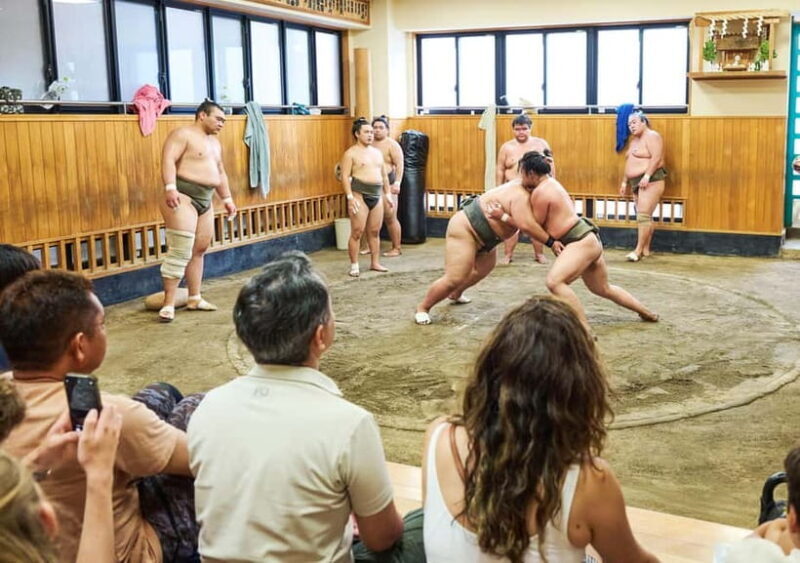
- Authentic Access: Visit a real sumo stable usually closed to the public, gaining insight into the sport’s daily routines.
- Expert Guides: Learn about sumo’s rituals, rules, and history from knowledgeable guides who enrich your understanding.
- Close-Up View: Witness the intensity of training firsthand, feeling the discipline and focus of wrestlers at work.
- Cultural Depth: Discover how sumo is intertwined with Japanese tradition and Shinto spirituality.
- Meet the Wrestlers: Have the chance to speak with wrestlers (outside of training hours), adding a personal touch.
- Location: The tour takes place in Ryogoku, Tokyo’s sumo heart, near traditional restaurants and the national stadium.
An In-Depth Look at the Sumptuous Experience
As soon as you arrive at the sumo stable, you’re stepping into a space that’s normally off-limits, giving you an instant sense of exclusivity. The tour is designed to start early—training typically begins around sunrise—and lasts until about 9 or 10 AM. You’ll likely meet your English-speaking guide at a designated point, possibly taking a short train ride together to the stable, depending on your booking.
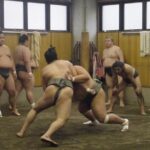
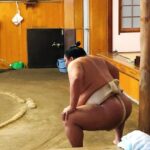
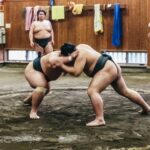
Once inside, the atmosphere is surprisingly quiet and disciplined. The stable is a working environment, not a tourist attraction, which adds a layer of seriousness and authenticity. The wrestlers—called rikishi—are young men dedicating their entire lives to this sport. We loved the way guides explain each ritual, from the ceremonial salt tosses to the formal bowing before entering the ring. These actions aren’t just for show—they have deep symbolic and spiritual meanings rooted in Shinto tradition.
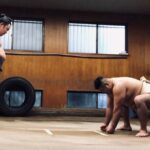
Watching the morning practice is captivating. You’ll see wrestlers performing intense drills, sparring, and practicing their throws. The atmosphere is focused and respectful, with minimal noise—making it a contemplative experience rather than a spectacle. Visitors are asked to stay silent and not stand or move around during training, preserving the dignity of the wrestlers and their work.
The guides do a fantastic job of translating the significance of each move and rule. For example, they’ll explain how sumo matches are won by pushing an opponent out of the ring or making part of their body touch the ground—rules that seem simple but are accompanied by complex rituals. You’ll also get a chance to ask questions and, depending on timing, speak briefly to the wrestlers outside of training hours. Many reviews highlight how enriching this interaction is, with one traveler describing it as “a beautiful and unforgettable experience.”
After the practice, the tour usually concludes with some time to discuss what you’ve observed, often back in the stable or at a nearby location. Some participants find it rewarding to explore Ryogoku’s traditional chanko-nabe restaurants afterward—these hearty sumo stew eateries are perfect for soaking in the local vibe.
You can also read our reviews of more tours and experiences in Tokyo

The Value of This Experience
At $97 per person, this tour offers remarkable value for what you get. Instead of a fleeting glimpse or staged show, you’re witnessing the real deal—an insider look at a sport that’s deeply embedded in Japanese culture. The price includes a knowledgeable guide, the exclusive visit to the stable, and the chance to deepen your understanding of sumo’s rituals.
Travelers frequently praise the guides for their expertise and friendliness. Mao and her team, for example, received glowing reviews for making the experience both interesting and enjoyable. The ability to speak with wrestlers and learn about their dedication genuinely enhances the visit, transforming it from mere observation into an authentic cultural exchange.
The experience’s intimate nature means group sizes often stay small, enhancing the feeling of being an honored guest rather than just another tourist. Plus, since the stable is a place of work, the rules—modest clothing, silence, no re-entry once you leave—are important to respect. These guidelines help maintain the respectful atmosphere that makes the visit meaningful.
Who Will Appreciate This Tour?
This isn’t a casual, drop-in sightseeing activity. It’s best suited for those who appreciate cultural authenticity, are comfortable with early mornings, and want a closer look at Japan’s traditional sports in their natural environment. It’s perfect for fans of martial arts, history buffs, or anyone interested in understanding the spiritual side of sumo.
Those traveling with children under 11 should consider the quiet, disciplined environment—this tour isn’t for lively little ones. Likewise, travelers with tight schedules might find the timing restrictive, as you’ll need to stay until the end of practice.
In summary, this sumo practice viewing tour offers a rare, respectful look into a sport that’s much more than just a competition. It’s a glimpse into centuries-old traditions that still thrive today, providing meaningful insights that enrich your appreciation of Japanese culture.
The Sum Up: Who Is This Tour For?
If you’re seeking an authentic, behind-the-scenes experience of sumo, this tour delivers on all fronts. It’s ideal for travelers who value cultural depth over superficial sightseeing, and who are eager to connect with Japan’s spiritual traditions. The guides’ expertise, coupled with the genuine atmosphere of the stable, makes this a memorable highlight of any trip to Tokyo.
The ticket price grants access to a rare world—one often hidden behind closed doors—making it a worthwhile investment for those eager to see sumo as it’s truly practiced. Expect a calm, respectful environment where you’ll learn, observe, and perhaps even be inspired by the unwavering dedication of Japan’s sumo wrestlers.
For anyone wanting more than just a tourist show, this experience offers an honest, respectful, and deeply engaging window into Japan’s cultural heartbeat.
Tokyo: Sumo Morning Practice Viewing Tour at a Real Stable





FAQ: Your Practical Queries Answered
Is there a specific dress code?
Yes, modest clothing is required since it’s a working stable and a place of respect. Avoid casual or revealing attire.
Can I arrive late?
No, arriving late means you might miss the entire experience. Punctuality is essential.
Can children under 11 join?
No, this tour isn’t suitable for children under 11 due to the quiet and disciplined environment.
What should I bring?
Comfortable, modest clothing and your curiosity. Sometimes, guides may suggest bringing a notebook or camera with silent operation.
Is this tour accessible for people with mobility issues?
Since the experience takes place in a working stable, some mobility restrictions might apply. Check with the provider if needed.
Can I ask questions during practice?
You can ask questions before or after the session; during practice, silence is expected to respect the wrestlers.
Are meals included?
No, meals are not included, but the tour’s location in Ryogoku means you can easily find traditional sumo restaurants afterward.
How long does the tour last?
It’s typically about 2-3 hours, ending around 9 or 10 AM, but timing can vary slightly.
Is it suitable for non-Japanese speakers?
Absolutely. Guides speak English, and they do a good job of explaining everything clearly.
Can I take photos?
This isn’t explicitly stated, but given the respectful nature of the environment, it’s best to ask the guide about photo opportunities beforehand.
In the end, this sumo practice tour is a rare chance to see Japan’s ancient sport at its most authentic. If you’re after a quiet, insightful, and respectful glimpse into the world of sumo, it’s well worth the effort.
You can check availability for your dates here: