
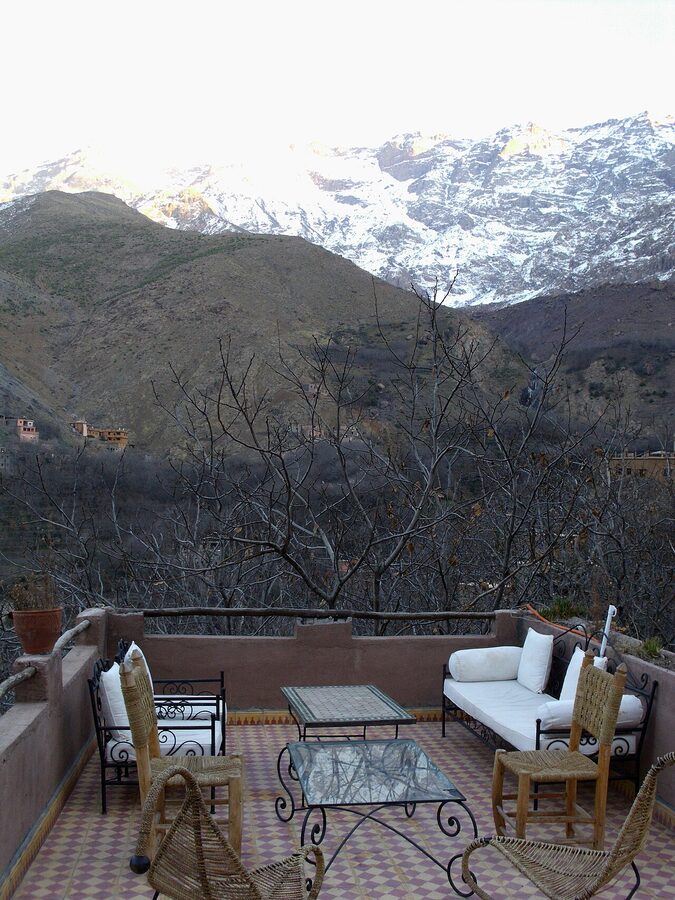
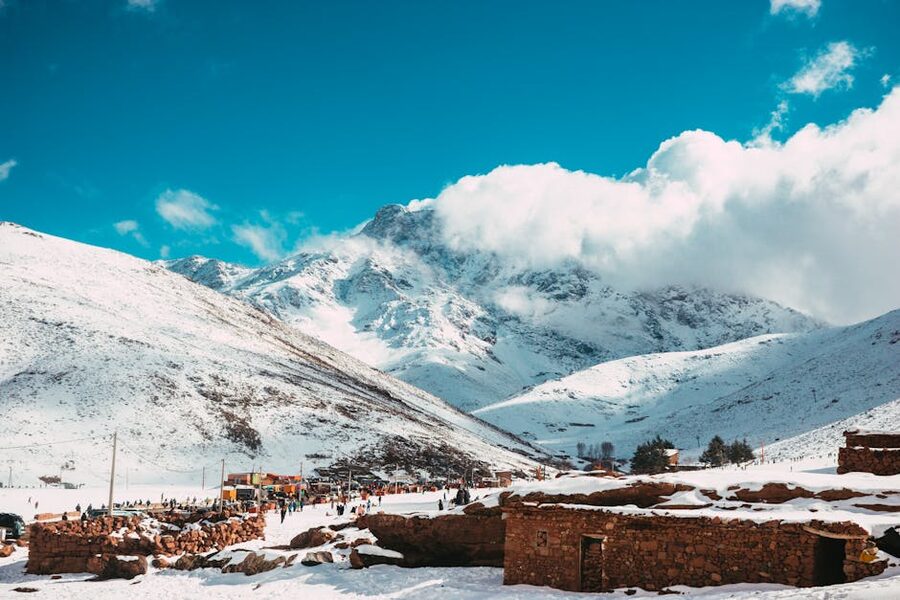
Our guide Mohammed stopped at a bend in the path and pointed up. “That is Toubkal.” The peak was 4,167 metres high and snow-covered even in April. Our objective for the day was rather less ambitious — a 6-hour walk to a Berber village and back — but the presence of Toubkal on the horizon lent weight to every step.
The Atlas Mountains day hike from Marrakech is one of those trips that delivers more than the brochure promises. The High Atlas runs for 700 kilometres across Morocco, and 90 minutes south of Marrakech you can trade the medina chaos for silent valleys, flowing streams, stone villages that have looked the same for 500 years, and mule tracks climbing into pine forest.
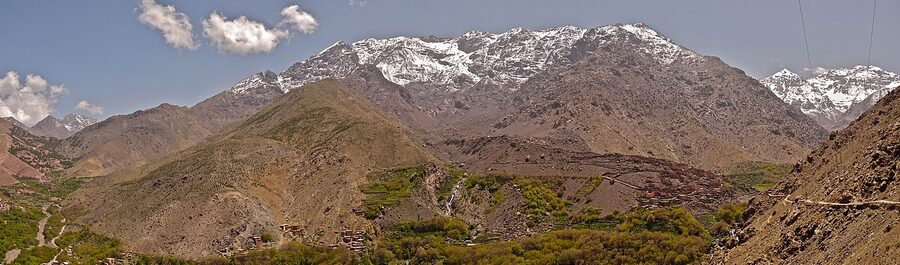

Most Atlas day hikes depart Marrakech at 8-9am, drive 1.5 hours to Imlil, walk 4-6 hours through the valley with stops at Berber villages, and return by 6-7pm. The walk difficulty varies from easy valley strolls to moderate half-ascents of the surrounding peaks.
Prices are the real draw. The mid-range Ourika Valley tour is $22-33 including transport, guide, and lunch. The premium small-group options run $50-80. This is one of the cheapest mountain hiking experiences in North Africa.

In a Hurry? Our Top Picks
Cheapest option — transport and guide included. Ourika Valley with moderate walking.
Best value — Ourika Valley hike with a waterfall stop and traditional Berber lunch.
Adventure version — zipline across a valley, followed by a hike. Thrill-seekers’ choice.
- The Two Main Routes — Ourika vs Imlil
- The Landscape
- The Berber Villages
- The Walk Itself
- Our Recommended Tours
- 1. Ourika Valley Day Trip (GYG) —
- 2. Ourika + Waterfall Hike + Lunch —
- 3. Zipline + Hike Adventure —
- When to Go
- Practical Tips
- Atlas Mountains vs Other Marrakech Day Trips
- Getting There
- Is an Atlas Day Trip Worth -?
- Building Atlas Into Your Marrakech Trip
The Two Main Routes — Ourika vs Imlil
Most Atlas day tours go to one of two valleys: Ourika or Imlil. They’re different experiences.
Ourika Valley is closer (1 hour from Marrakech), lower altitude (1,000-1,500m), and the more crowded option. The valley has waterfalls, cafes along the riverside, and relatively easy walking. Good for families and first-time hikers.
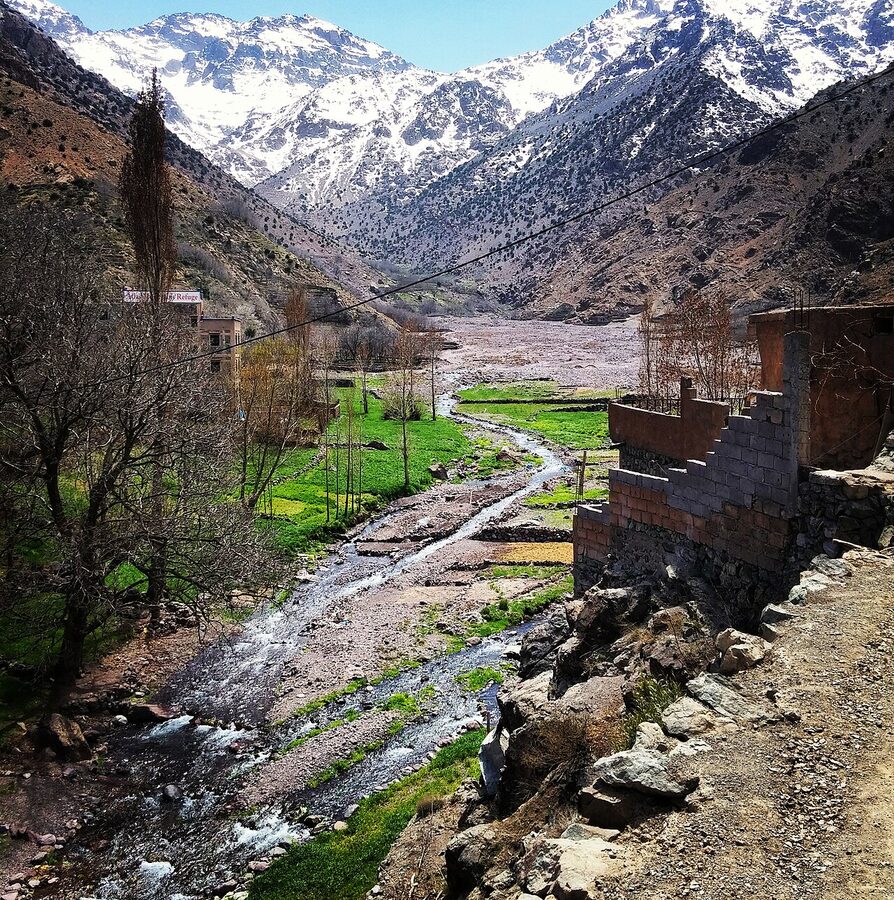
Imlil Valley is further (1.5 hours), higher altitude (1,800m+), and more dramatic. This is the gateway to Toubkal. The hikes are steeper and the scenery more alpine. Better for experienced hikers who want proper mountain terrain.
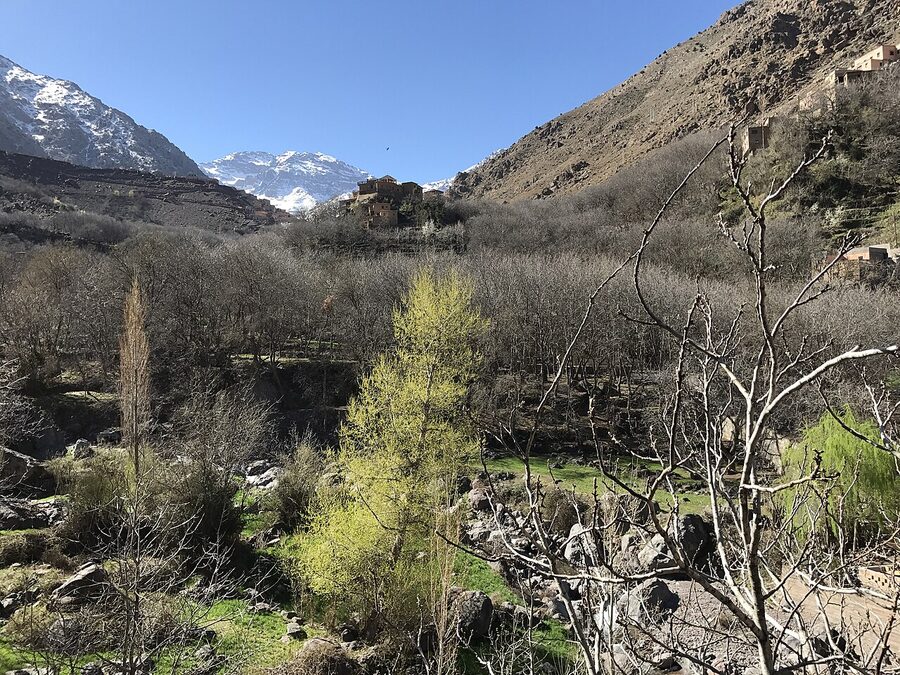

Both valleys are doable as day trips from Marrakech. Neither requires prior hiking experience for the standard route. Both include the same basic ingredients: drive, mountain walk, Berber village, lunch, return.

The Landscape
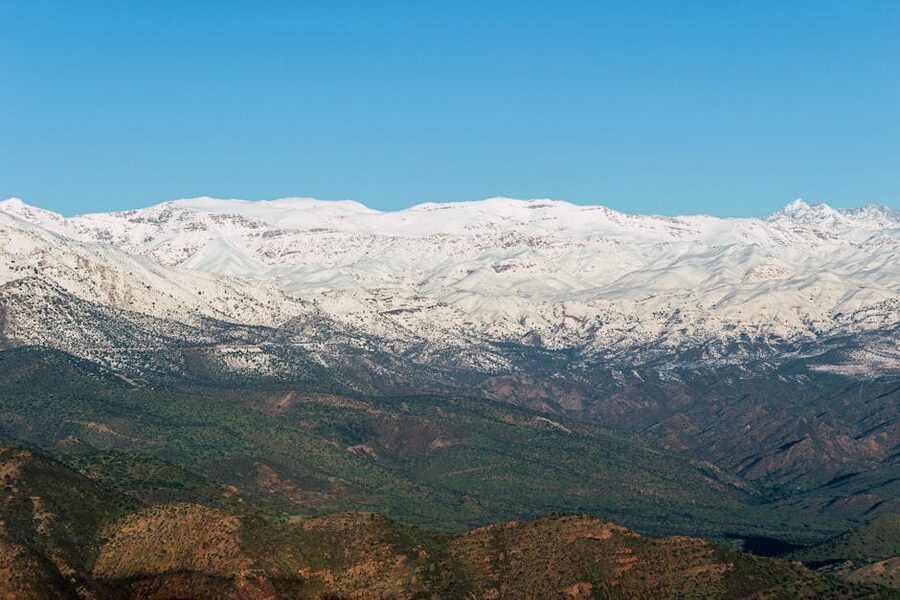
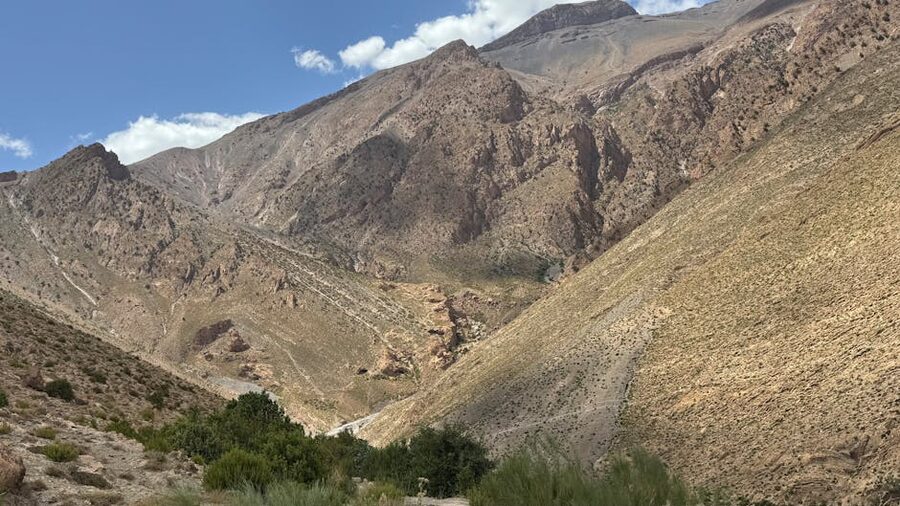
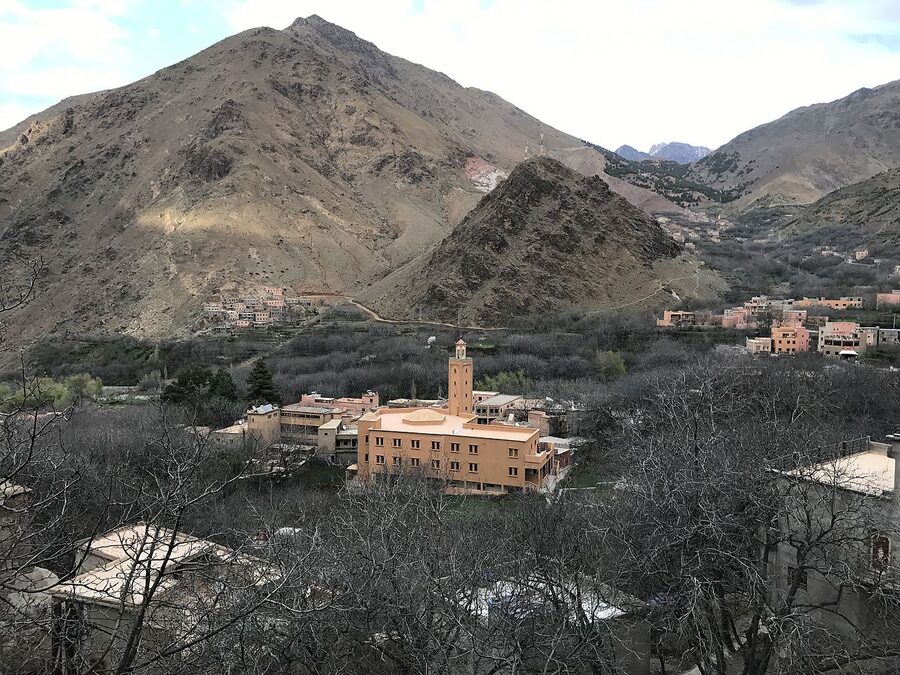
The High Atlas is the highest mountain range in North Africa. Toubkal — the highest peak — reaches 4,167 metres, higher than anything in the Alps south of Italy. The range runs northeast-southwest across Morocco for 700 kilometres.


The Berber Villages
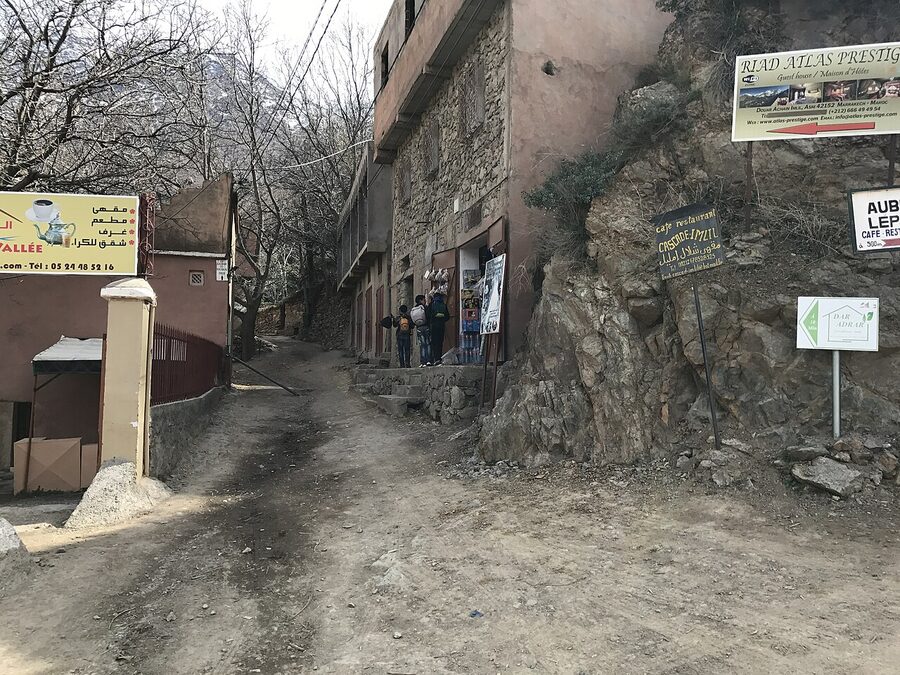
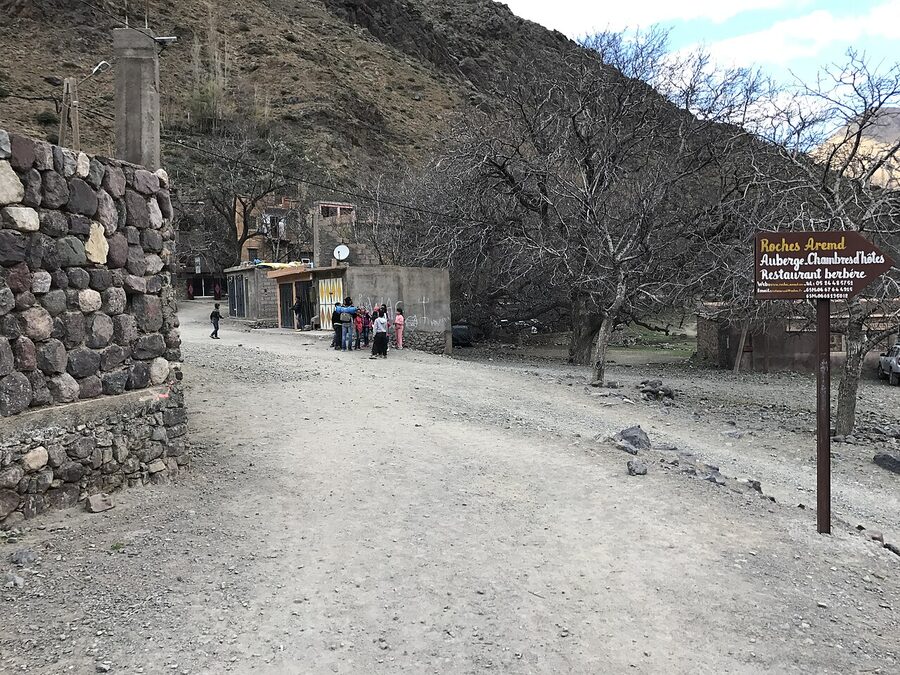
The Atlas villages are the cultural highlight. You’ll pass through 2-3 on a typical hike, and most tours include a tea or lunch stop at one.
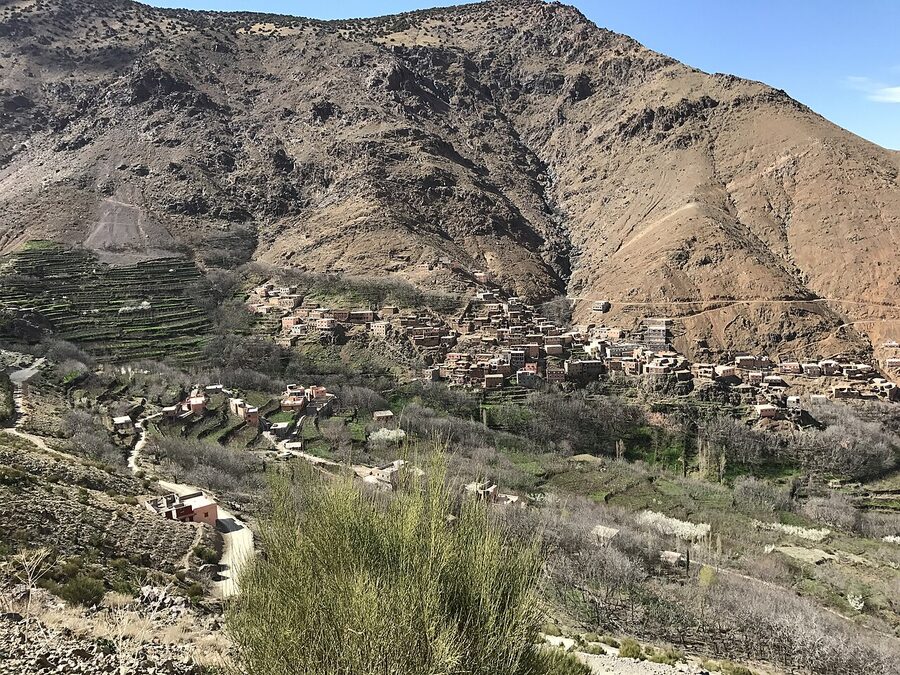

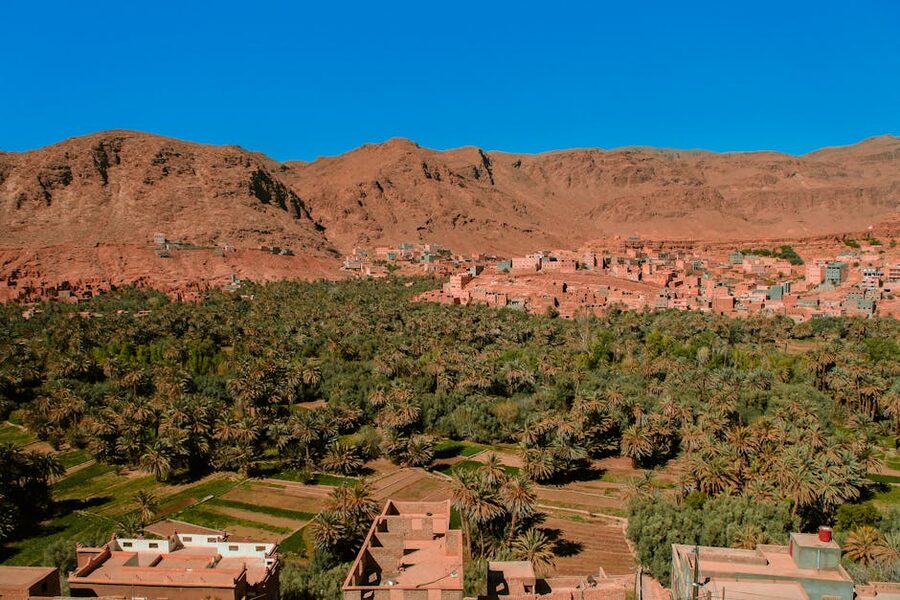
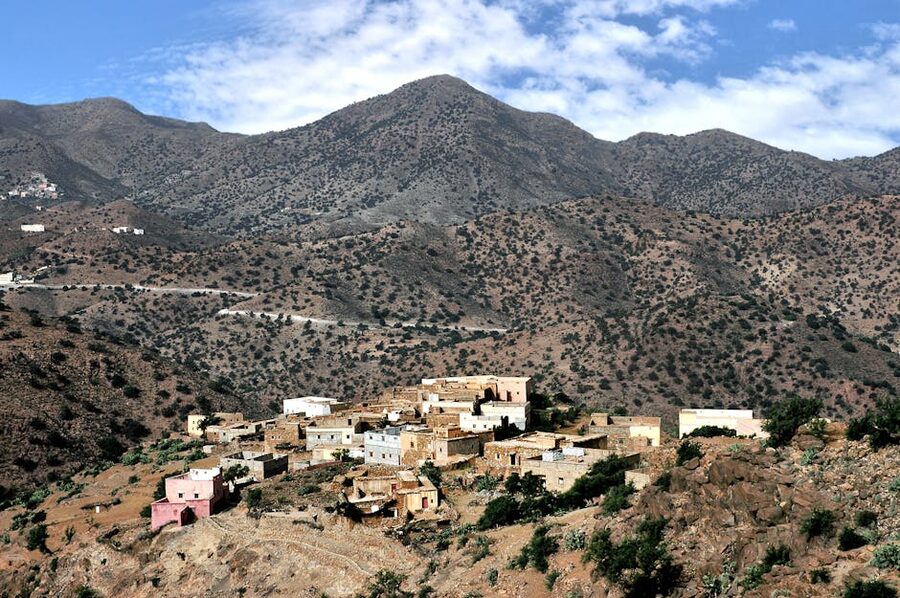
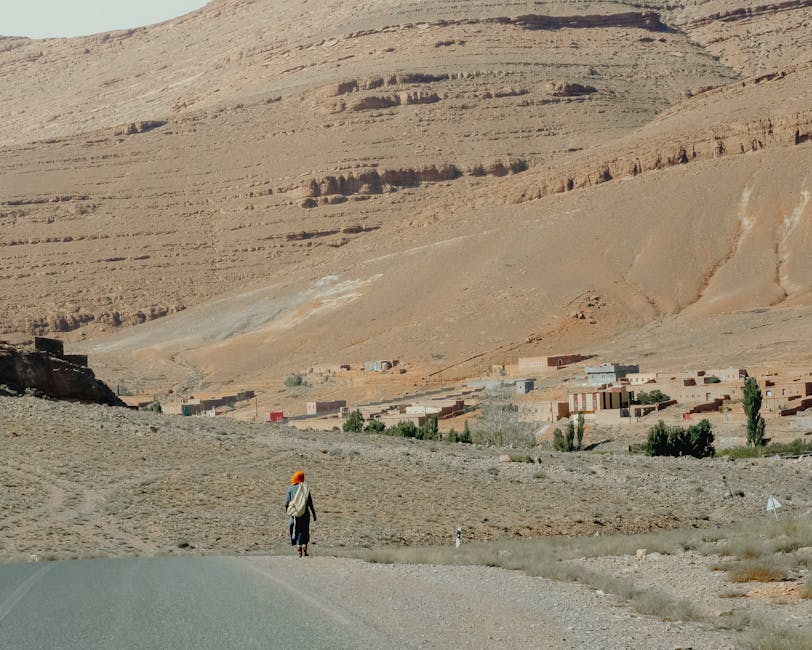
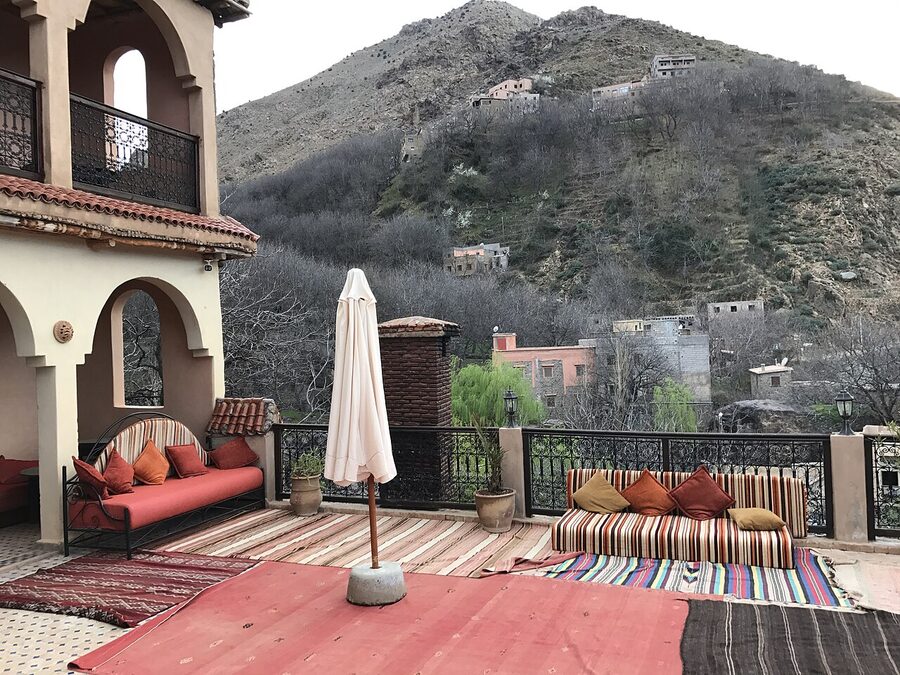
Berber hospitality is genuinely welcoming. Mint tea is offered at every stop — don’t refuse, it’s a cultural signal of respect. If you’re invited into a home, remove shoes at the door and accept whatever’s offered. Small gifts (pens, school supplies) are appropriate if you visit a family home.
The Walk Itself
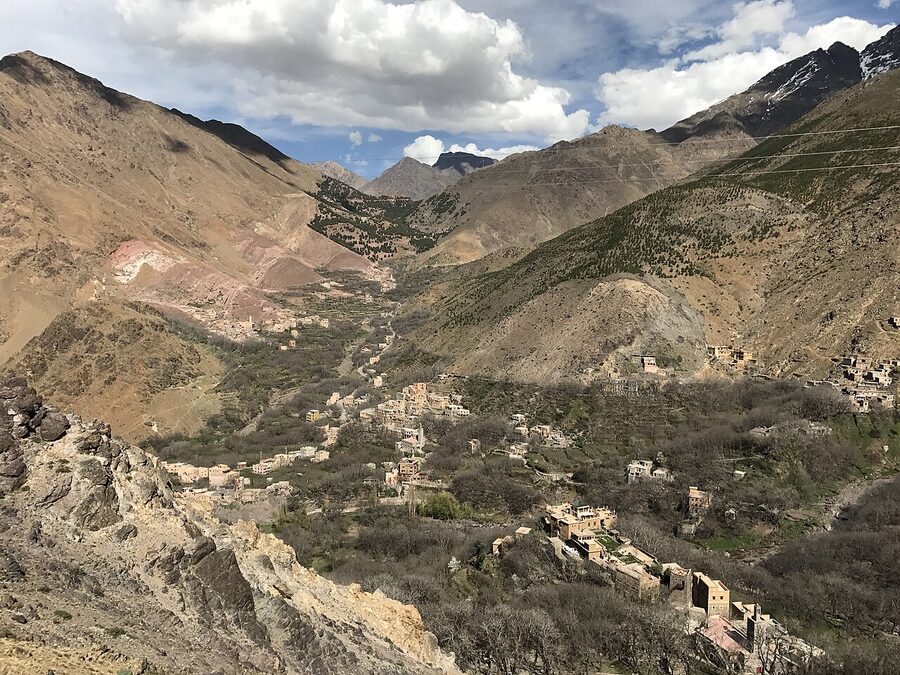
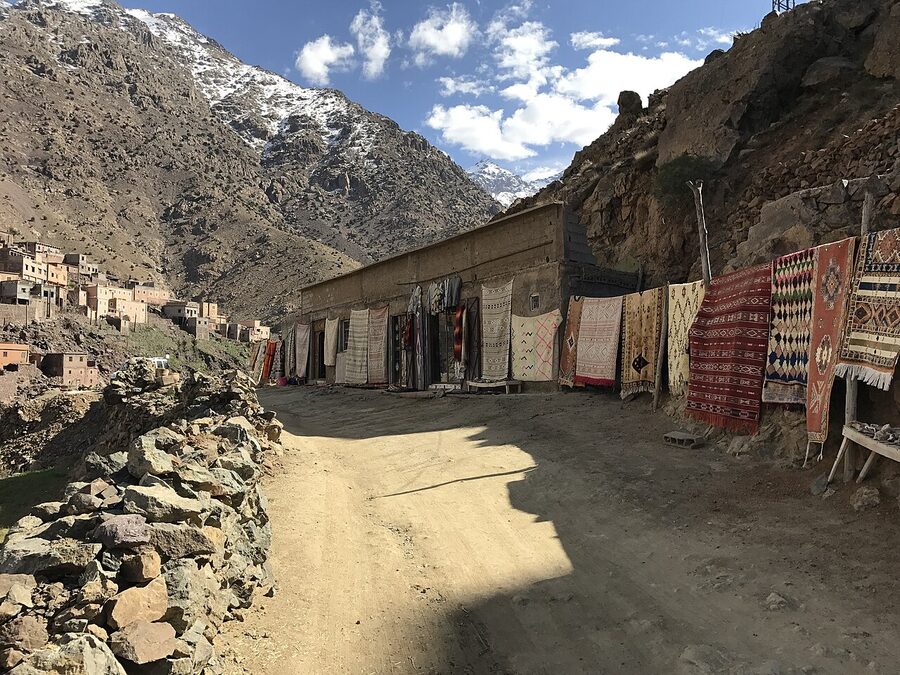
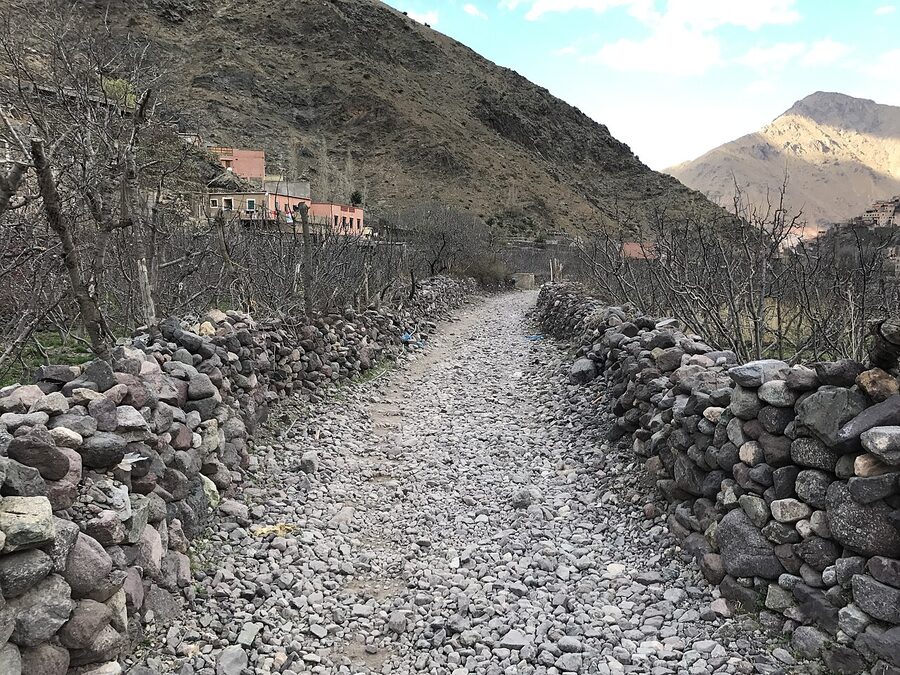
A typical Atlas day hike covers 6-12 kilometres with 200-500 metres of elevation gain. That’s moderate by mountain standards — anyone with reasonable fitness can manage it.






Our Recommended Tours
1. Ourika Valley Day Trip (GYG) — $22
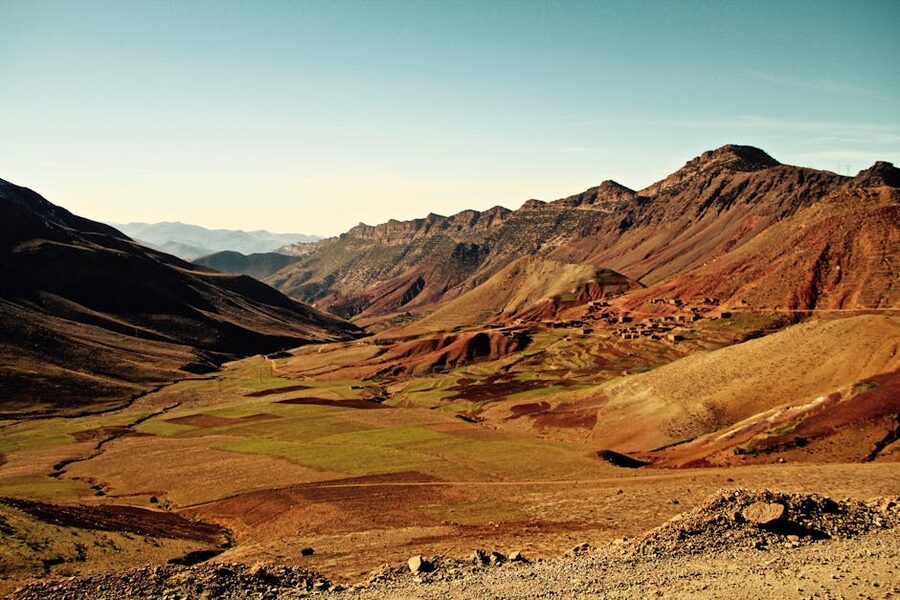
GetYourGuide’s budget Ourika Valley trip. Transport from Marrakech, guided walk through the valley, Berber home visit for mint tea. No lunch — bring your own or pay at a riverside café.
Groups are typically 10-15 people. The pace is designed for comfort rather than serious hiking. Our full review of the Ourika Valley day trip covers what to expect and how the day structures.
2. Ourika + Waterfall Hike + Lunch — $33
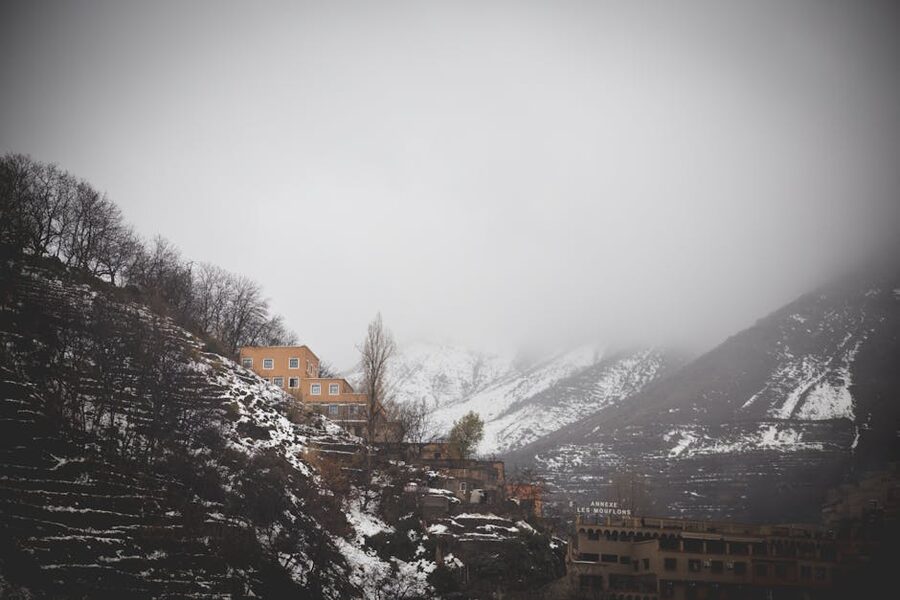
Viator’s Ourika Valley + Atlas Mountains + Waterfalls tour. 49 five-star ratings. Adds a waterfall hike and traditional Berber lunch to the standard Ourika itinerary.
The $11 premium over option 1 buys you the waterfall stop, the lunch, and a slightly smaller group. Best value across all Atlas day tours. Our review of the Ourika + waterfall tour details the exact route and lunch venue.
3. Zipline + Hike Adventure — $54
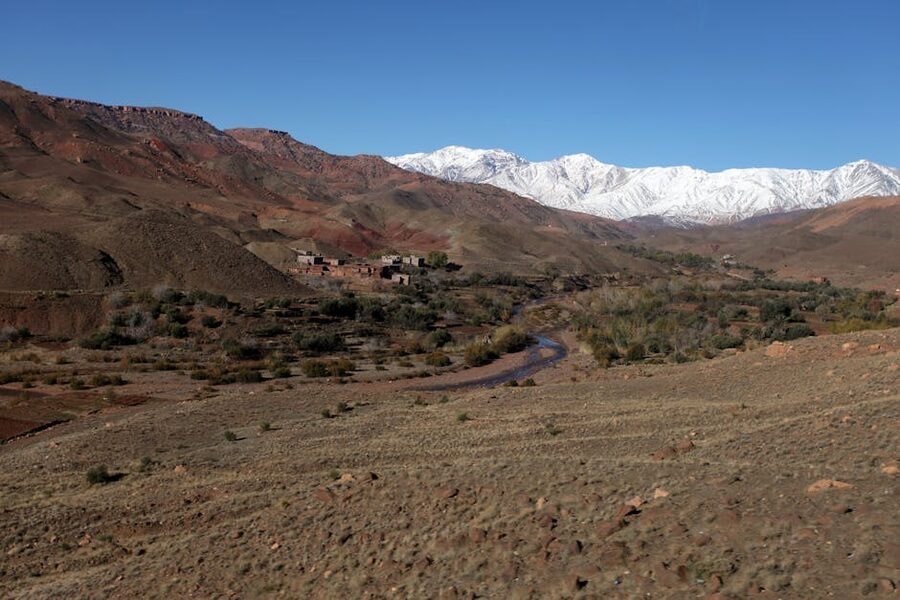
The adventure tier. Adds a zipline ride across a valley to the standard Atlas hiking day. The zipline is 800 metres long and runs at 60 km/h — a genuine thrill, not a theme-park version.
Worth the $21 premium if you want the unusual angle on the landscape. The zipline gives you a bird’s-eye view of the valley that no hiker gets. Our review of the zipline Atlas adventure covers the safety briefing, what to wear, and weather considerations.
When to Go
Spring (March-May): Best season. Snow still on the peaks, wildflowers in the valleys, comfortable walking temperatures, waterfalls at peak flow.
Autumn (September-November): Second-best. Crisp air, golden larch and walnut trees, no snow above 3,000m. Walking is pleasant.
Summer (June-August): Hot at valley floor (30-35°C at Ourika’s 1,000m elevation) but comfortable at Imlil’s 1,800m. Many Marrakech visitors come here specifically to escape city heat.
Winter (December-February): Cold, snow on upper trails, limited access to higher villages. Still hikable in the valleys but limited to Ourika or lower sections of Imlil.
Practical Tips
Hiking shoes, not sandals. Paths are rocky, muddy in spring, and slippery in places. Proper closed-toe shoes are essential. If you’re a sandal-only traveller, bring trainers specifically for this day.
Layers. Valley floor is warm, upper paths are 5-10°C cooler, and morning/evening drops another 5°C. Layers you can shed or add matter more than any single warm item.
Bring water. 1.5 litres per person minimum. More if you’re going in summer. Mountain streams look clean but they’re not safe to drink without filtration.
Cash for villages. Berber villages sell honey, argan oil, handicrafts, and hot tea. All cash only. 150-300 MAD ($15-30) covers most souvenir spending.
Altitude note. Imlil at 1,800m is fine for almost everyone. If you extend to higher villages (2,300m+), mild altitude effects can start — slight breathlessness, tiredness. Drink extra water and pace yourself.
Tip the guide and driver. 50-100 MAD ($5-10) each is appropriate for a good day. Not included in tour prices.
Photography. Golden hour in the valleys is spectacular — late afternoon low sun lighting up the terraces and peaks. Plan your return timing accordingly if you want the photo.
Atlas Mountains vs Other Marrakech Day Trips
vs Ouzoud Waterfalls: Ouzoud is the waterfall experience; Atlas is the mountain experience. Different landscapes entirely. Both are day trips. Do Atlas if you’re into mountain scenery and village culture; Ouzoud if you want natural water features and wild monkeys.
vs Agafay Desert: Agafay is rocky desert and sunset camel rides. Atlas is green valleys and real walking. Do both on a longer stay; Agafay is the easier half-day commitment while Atlas is a full day.
vs Sahara 3-Day: The Sahara trip crosses the Atlas en route. If you’re doing the 3-day Sahara, you’ll see Atlas scenery from the van. The Atlas day trip lets you actually walk in the mountains; the Sahara trip only passes through.
vs Essaouira: Essaouira is coastal — ocean, wind, seafood. Atlas is inland — mountains, villages, silence. Complete opposite experiences. Do both on a longer Marrakech stay.
Getting There
Location: Imlil (1.5 hours from Marrakech) or Ourika (1 hour from Marrakech). Both via paid tours — no practical public transport option.
Tour transport: All tours include pickup from your riad at 8-9am and return by 6-7pm.
Private driver: Possible at around 600-800 MAD ($60-80) for the day. Makes sense if you’re 3-4 people splitting the cost and want flexibility on route and pace.
Renting a car: Possible but the mountain roads are winding and not well-signposted in English. First-time Morocco visitors are better off with a tour.
Is an Atlas Day Trip Worth $22-$54?
Absolutely. At $22-33, this is one of the cheapest organized mountain hikes anywhere in the world, in a genuinely impressive range. At $54 for the adventure version, still great value.
The scenery is world-class, the villages are culturally distinctive, and the guides are typically local Berber speakers who bring authentic context to the day. Compared to the equivalent in the Alps or Pyrenees at $150-300 per person, Morocco is extraordinary value.
Verdict: a no-brainer for anyone who likes walking and mountain landscapes. Skip only if you’re strictly a beach-and-cities traveller who doesn’t walk voluntarily.
Building Atlas Into Your Marrakech Trip
An Atlas day hike fills a full day — 8am to 7pm. That leaves your evening free for Marrakech.
Pair with the Medina in the evening: a Medina walking tour on the day before, Atlas the day after. Or flip it — start with a relaxed hammam to prepare the body, then Atlas the next day.
For a full week, a good structure is Atlas on day 2, Ouzoud on day 3, Agafay sunset on day 4, and Essaouira on day 5 — four completely different Moroccan landscapes in one trip. If you want to see the full country including the desert, the 3-day Sahara tour makes the Atlas hike a good warm-up the day before. The body adjustment to valley walking is useful prep for the longer Sahara days.