
Youssef was our guide, a Marrakech native with strong opinions about bread. He led us through five medina streets to a bakery he said was “the only place still making real khobz,” ordered four loaves for a table of six, and watched us eat. Then he asked whether we were ready for lunch. It was 11am. We had already eaten three things. This is what a Marrakech food tour is: several meals masquerading as a single walk.
The Marrakech food tour is the most reliably rewarding activity in the city. Prices are low ($40-62), the food quality is genuinely high, and you learn more about Moroccan culture in 3 hours of eating than in most multi-day guided programs.
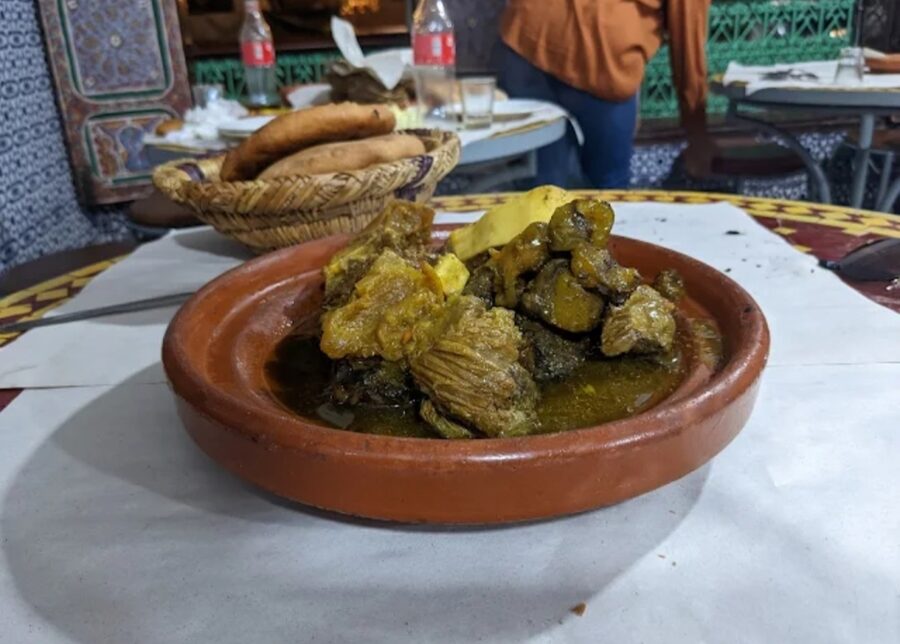

Three standard formats: street food tours (sampling multiple stalls across the medina), cooking classes (hands-on tagine making in a riad), and combined tours (food sampling plus a hands-on component).
The best-reviewed option is the $41 Berber street food tour — 55 five-star reviews. If you want more privacy, the $51 private tour covers similar ground in smaller groups. The $63 tanjia dinner tour adds a sit-down meal featuring Marrakech’s specialty clay-pot dish.
In a Hurry? Our Top Picks
The most-reviewed tour — 55 five-star ratings. 3 hours, 8-10 tastings, medina walking between stops.
Private variant with flexible pacing. Ideal for couples, dietary restrictions, or custom itineraries.
Extended tour with 10+ tastings and a sit-down tanjia dinner to close. Most food value.
- What You’ll Eat — The Core Marrakech Menu
- Tagine (obviously)
- Couscous
- Harira (the soup)
- Brochettes (kebabs)
- Mint Tea (the drink)
- Msemen and Baghrir (breakfast breads)
- Tanjia (Marrakech’s specialty)
- The Markets Within the Medina
- Our Recommended Tours
- 1. Berber Street Food Tour —
- 2. Private Food Tour —
- 3. 10+ Tastings & Tanjia Dinner —
- Cooking Classes — The Hands-On Alternative
- Practical Tips
- Food Tour vs Other Marrakech Activities
- Getting There
- Is a Food Tour Worth -?
- Building a Food Tour Into Your Marrakech Trip
What You’ll Eat — The Core Marrakech Menu
Every food tour covers a similar short list of essential dishes. The venues vary, but the plate does not.
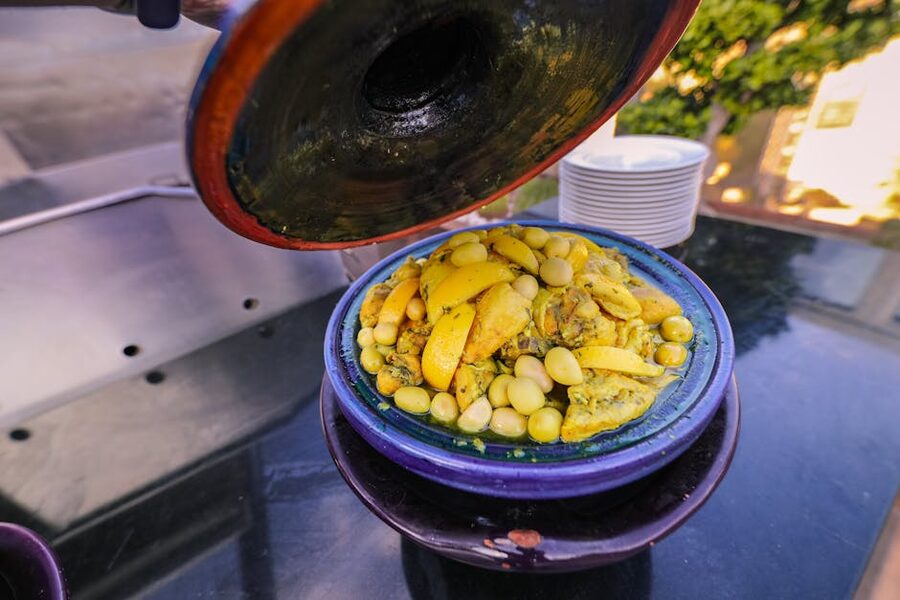
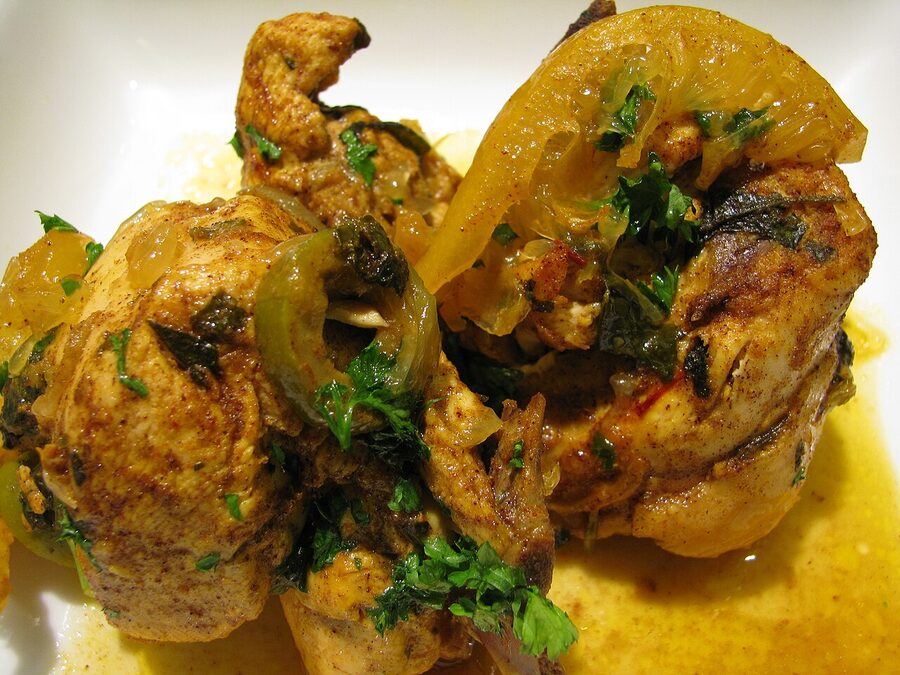
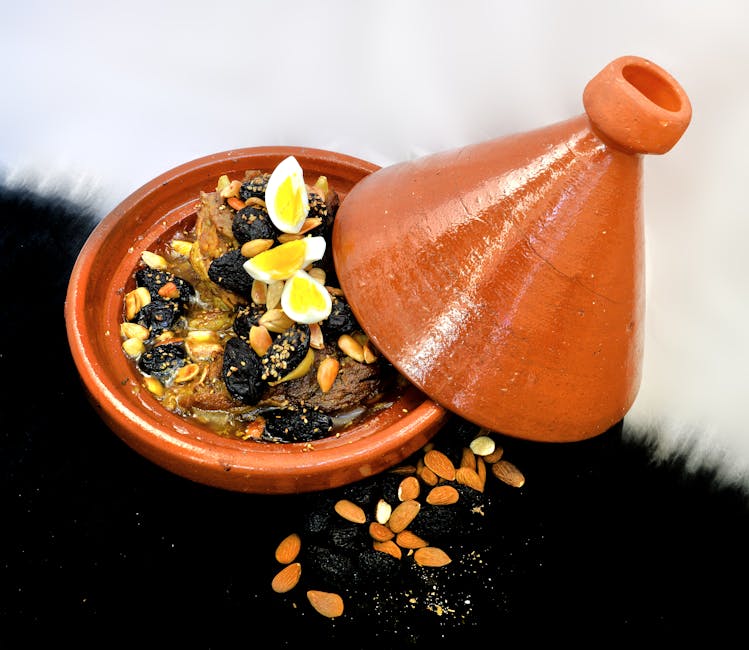
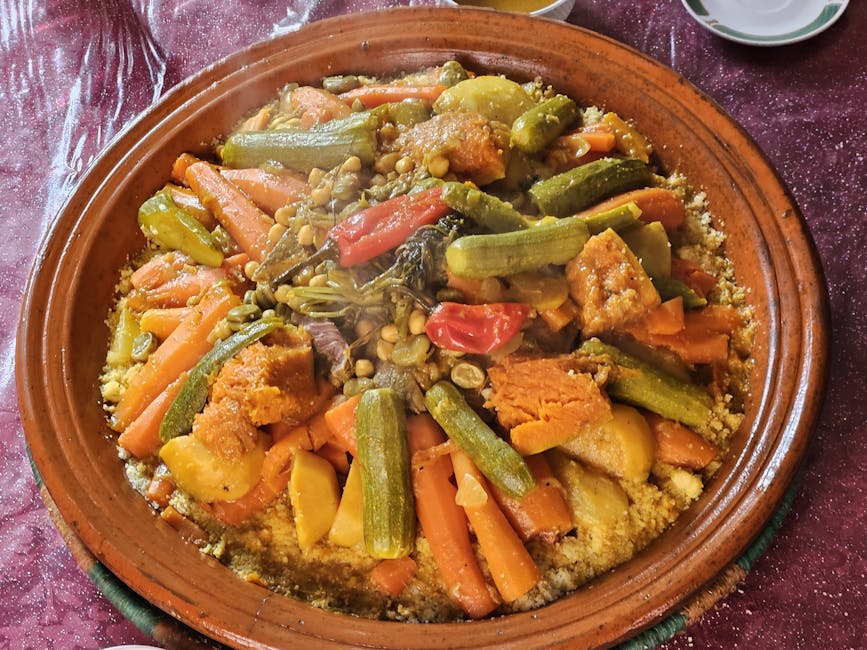
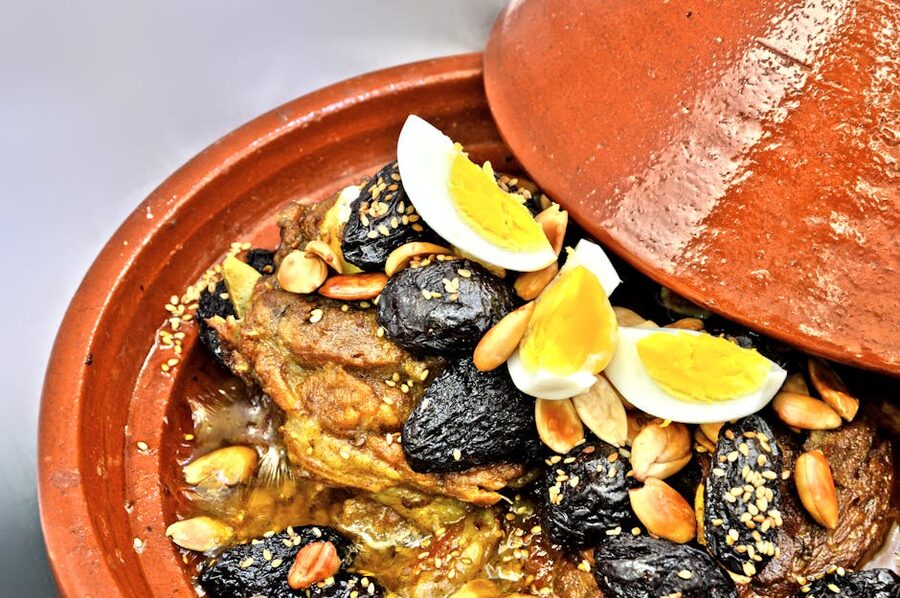
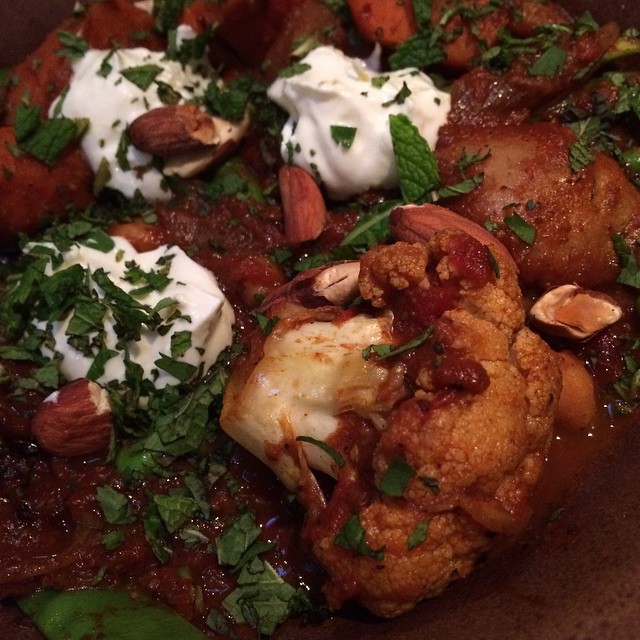
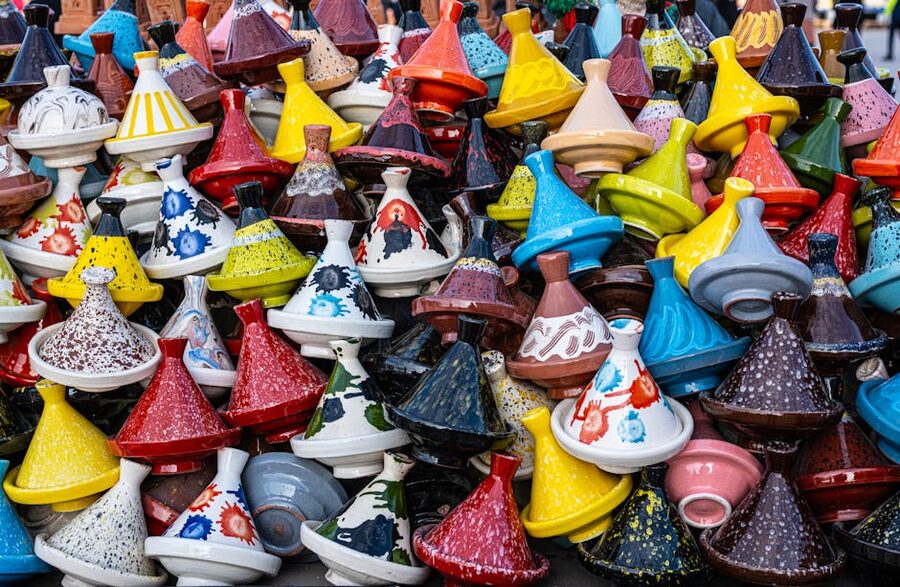
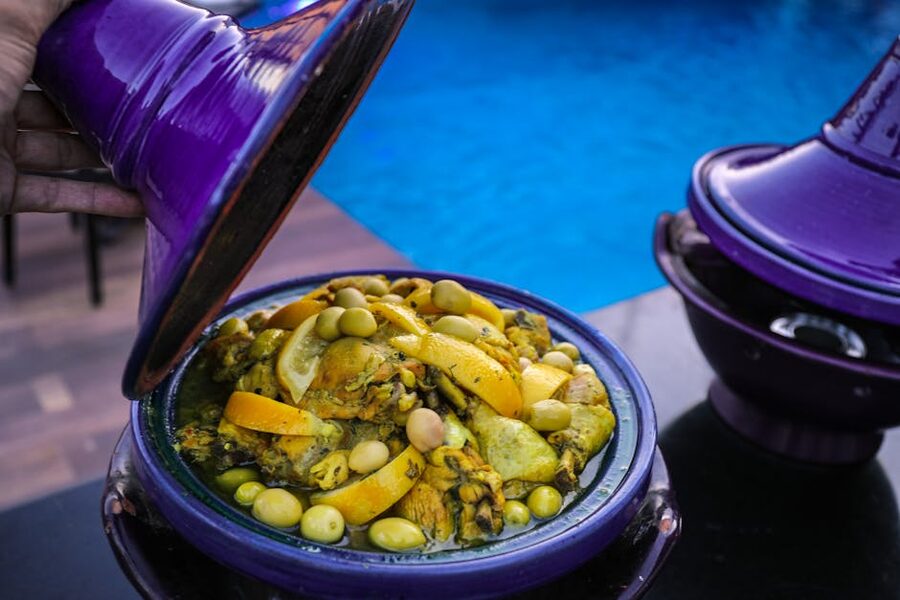
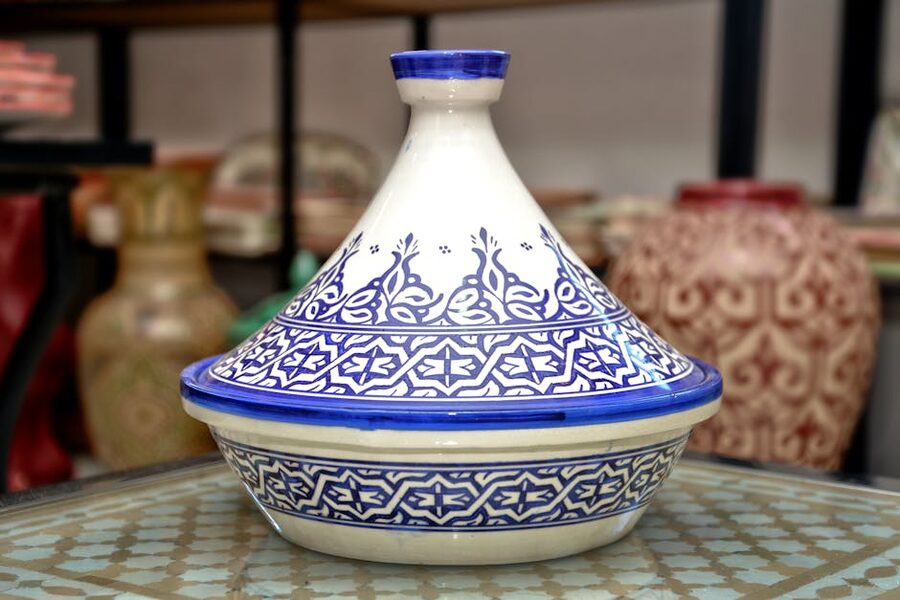
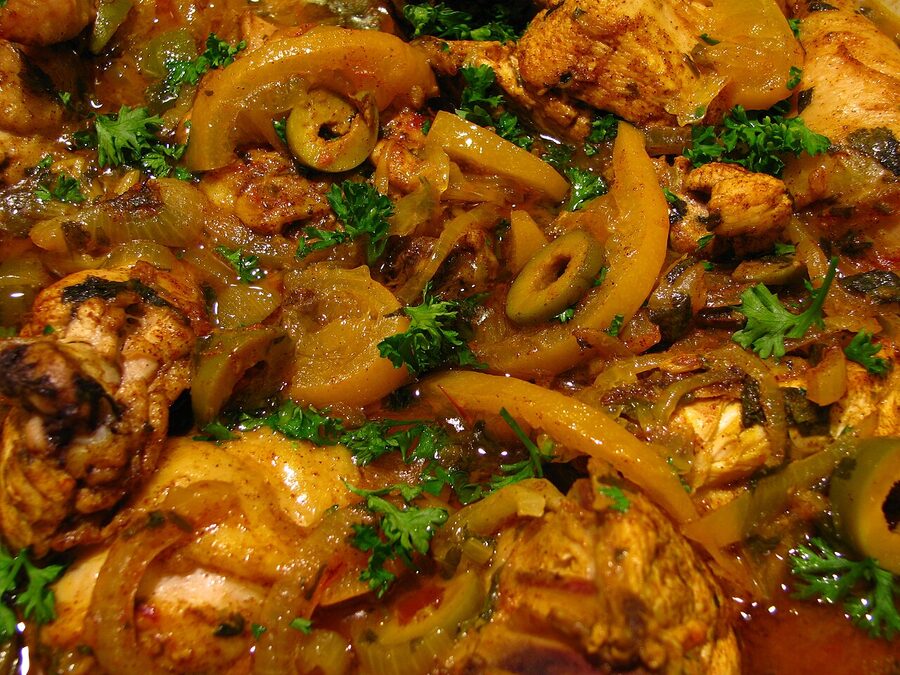
Tagine (obviously)

Couscous
Moroccan couscous is steamed three times and served on Fridays — the traditional day. Food tours rarely hit a Friday couscous (timing doesn’t align), but most tours will cover the dish somewhere in the walk.
.jpg)
Harira (the soup)
Harira is the ubiquitous Moroccan tomato-lentil-chickpea soup. It’s the traditional break-fast dish during Ramadan but served year-round. Most food tours include a stop at a harira specialist — usually a small stall where you stand and eat the soup with bread.
Brochettes (kebabs)
Grilled meat skewers — lamb, chicken, or beef. The medina brochette stalls fire up their charcoal grills around 6pm. Tours often time the brochette stop for the late afternoon transition into evening.
Mint Tea (the drink)
Poured from height, served from silver teapots, sweetened heavily by default. Mint tea is part of every meal and every transaction. Ask for “less sugar” if Moroccan levels are too much.
Msemen and Baghrir (breakfast breads)
Msemen is a flaky square pancake; baghrir is a honeycomb-textured round one. Both are breakfast staples, typically served with honey, argan oil, or amlou (almond-argan-honey paste).
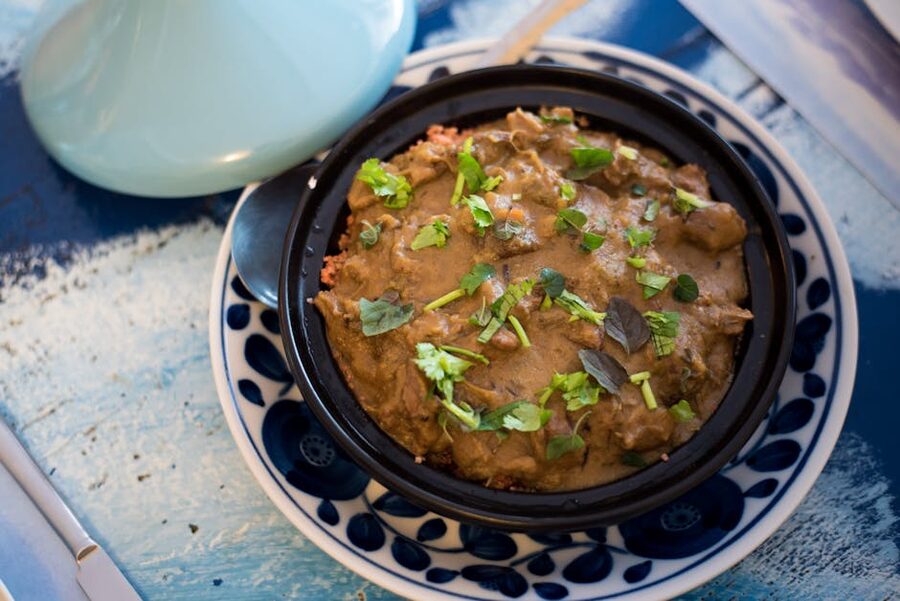
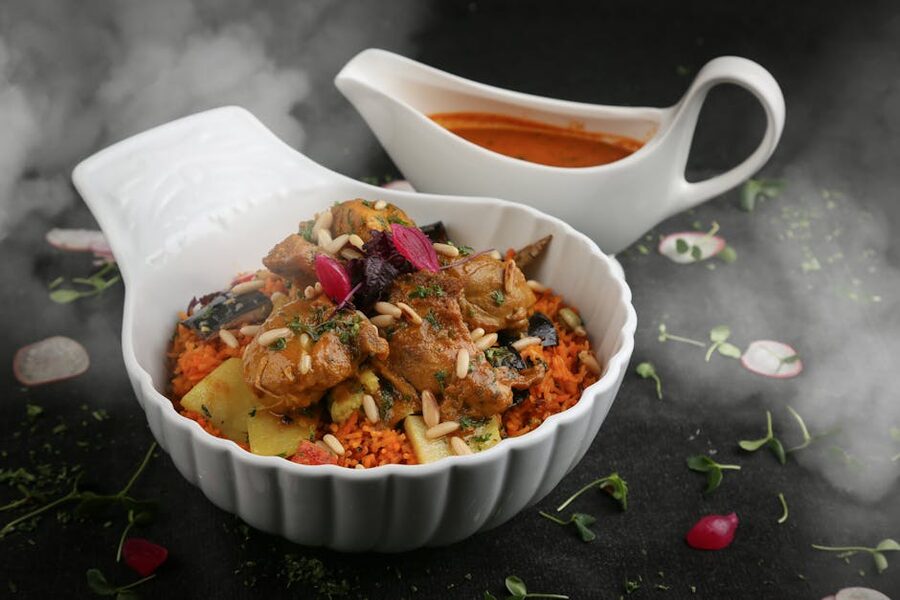
Tanjia (Marrakech’s specialty)
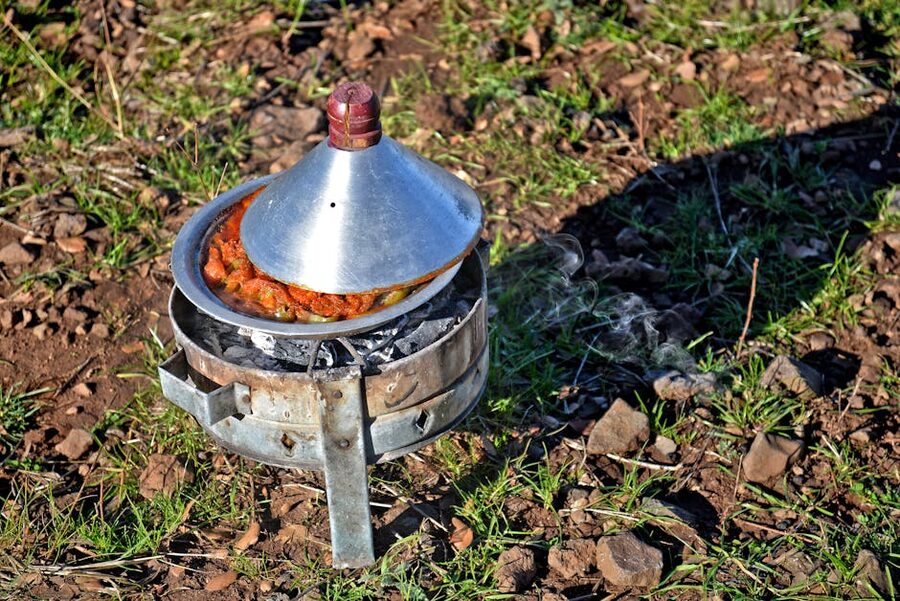
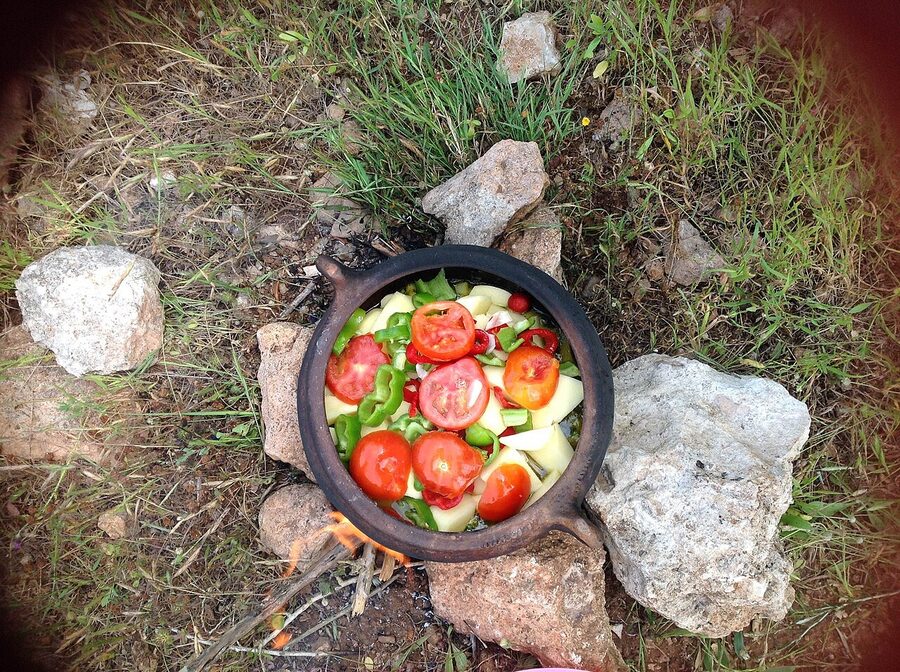
Tanjia is specifically a Marrakech dish — slow-cooked lamb in an amphora-shaped pot, buried in the hot ashes of a hammam furnace for 4-6 hours. Traditional preparation; many food tours include a tanjia tasting or end with a tanjia dinner.
This is the dish to prioritize if you only have time for one. Tanjia is harder to find than tagine and better tasted in Marrakech than anywhere else.
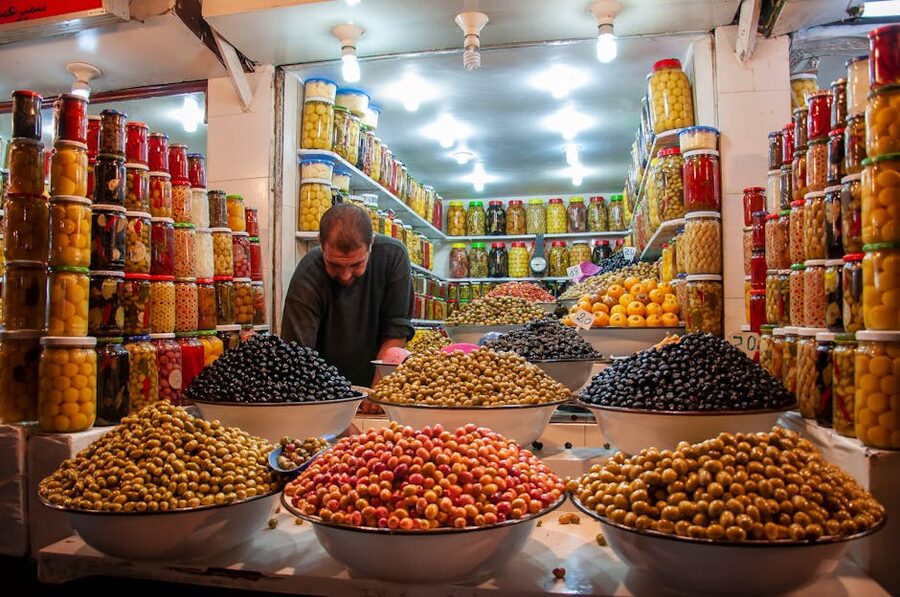
The Markets Within the Medina
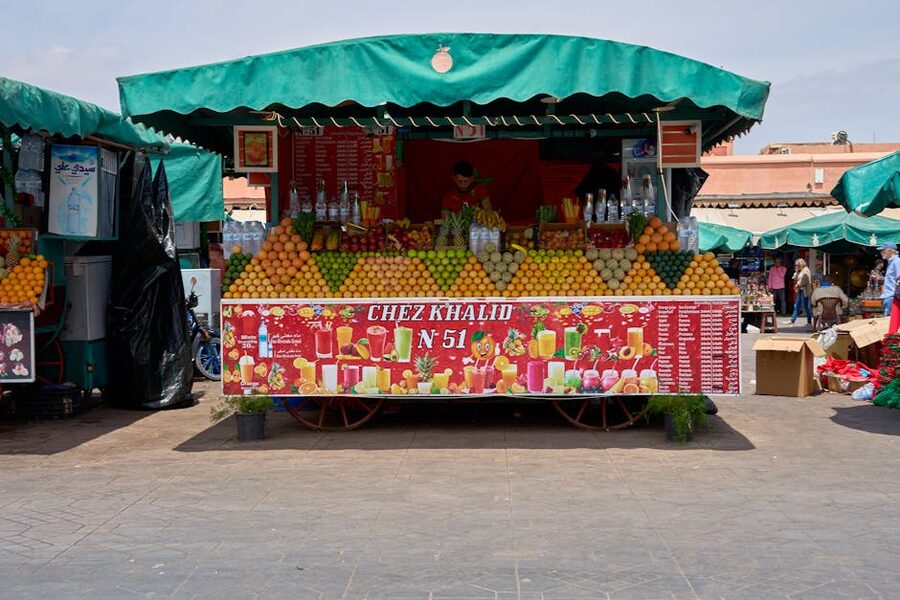
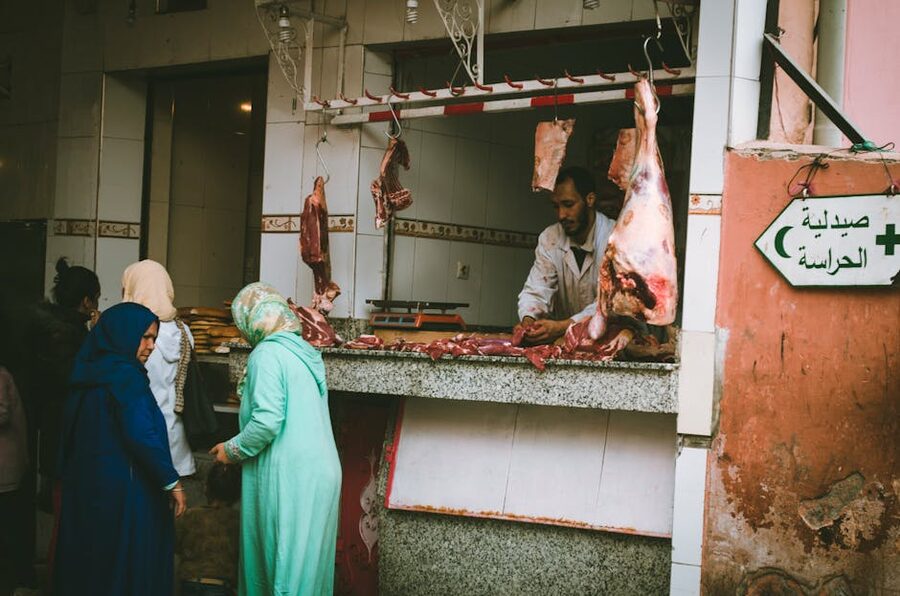
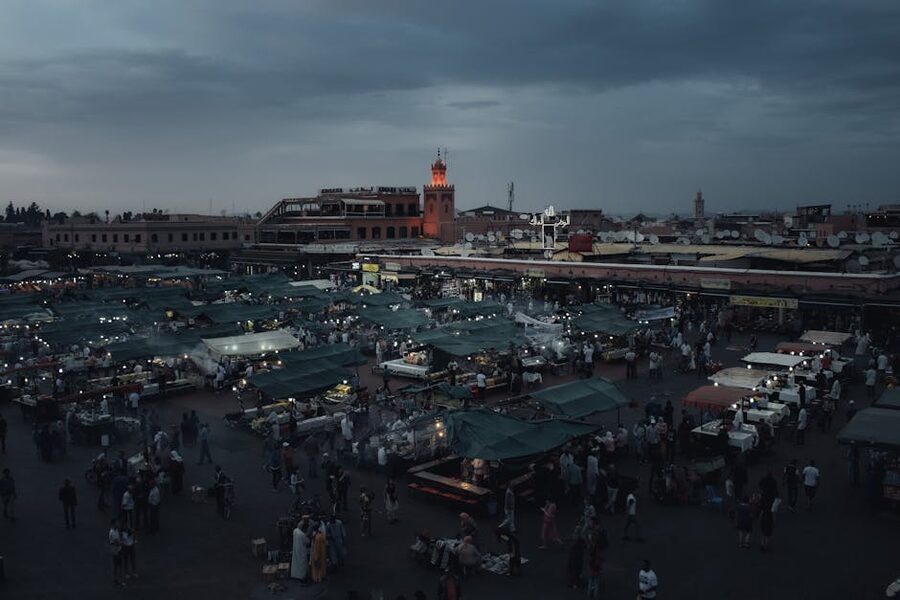
Food tours pass through the food markets where locals shop. This is where you see the ingredients before they become dishes — spice sellers, butchers, bread bakers, fruit vendors.
Our Recommended Tours
1. Berber Street Food Tour — $41
Highest-rated Marrakech food tour on Viator. Berber guide (not Arab, which matters for the cultural angle), 8-10 tastings across the medina including msemen, harira, brochettes, tanjia (if timing works), fresh juice, sweets, and mint tea.
At $41, the best entry-level food tour. Our full review of this Berber street food tour lists the specific stops and what you’ll eat at each.
2. Private Food Tour — $51
Private food tour for groups up to 6. Similar tasting itinerary to the group tour, but flexible timing and customizable. Ideal if you have dietary restrictions (vegetarian, gluten-free, halal-only) or want a specific focus area.
The $10 premium over the group tour is justified if you have any customization needs or want private guide attention. Our review of the private food tour covers how customizable the itinerary actually is.
3. 10+ Tastings & Tanjia Dinner — $63
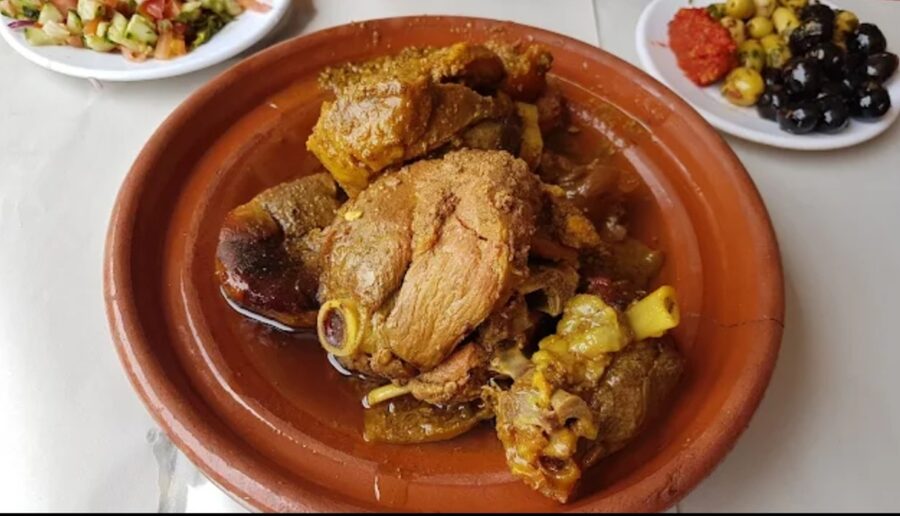

The extended food experience. 10+ tastings across the medina, then a sit-down dinner featuring tanjia (Marrakech’s signature lamb-in-clay-pot dish). More food than you’ll be able to eat comfortably. Bring your appetite, wear stretchy clothes.
Worth the $22 premium over the basic tour if tanjia is on your must-try list and you want a fuller evening experience. Our review of this extended tour covers the full tasting list and the tanjia dinner venue.
Cooking Classes — The Hands-On Alternative
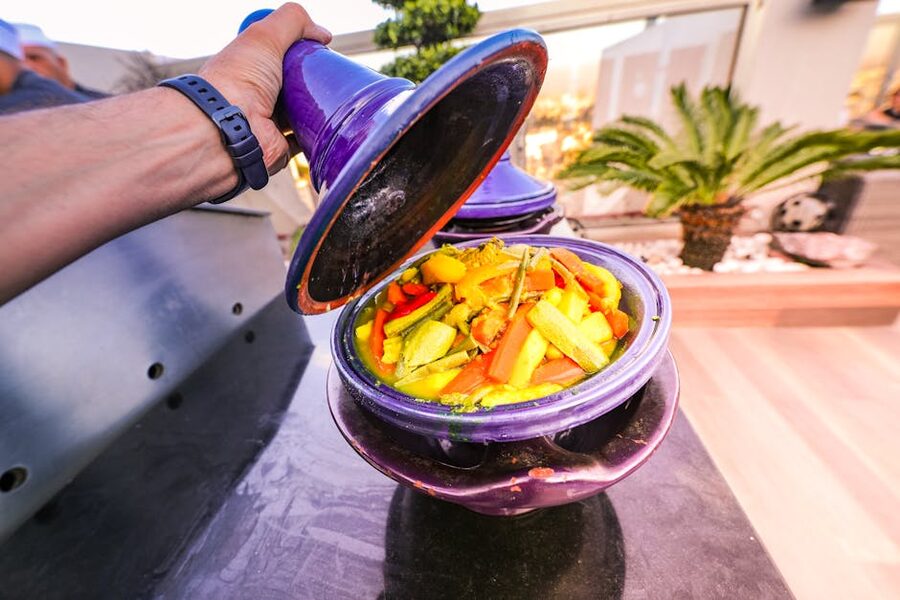
If you’d rather cook than just eat, Marrakech has dozens of hands-on cooking classes. Typical format: morning visit to the market with the chef, return to a riad kitchen, prepare 2-3 dishes, eat what you’ve cooked for lunch.
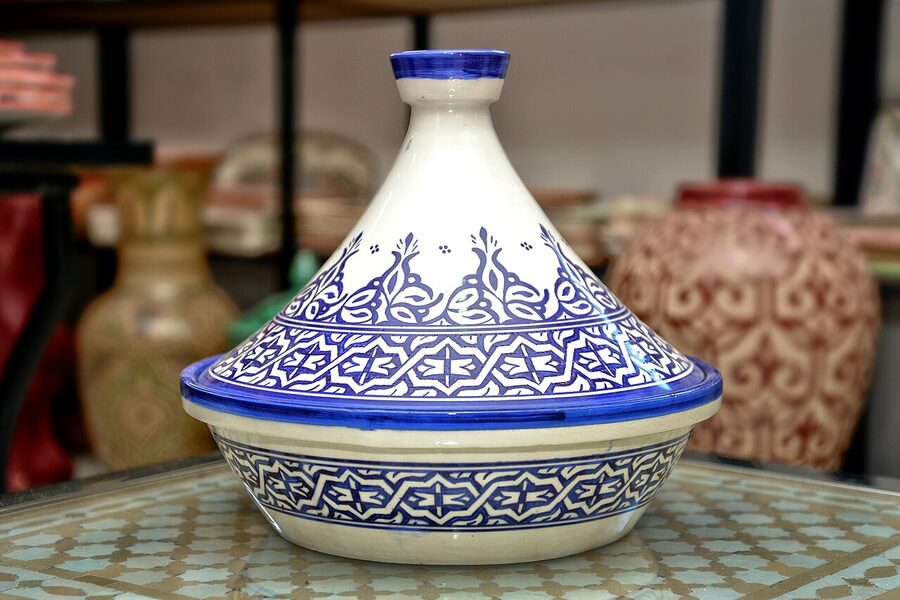

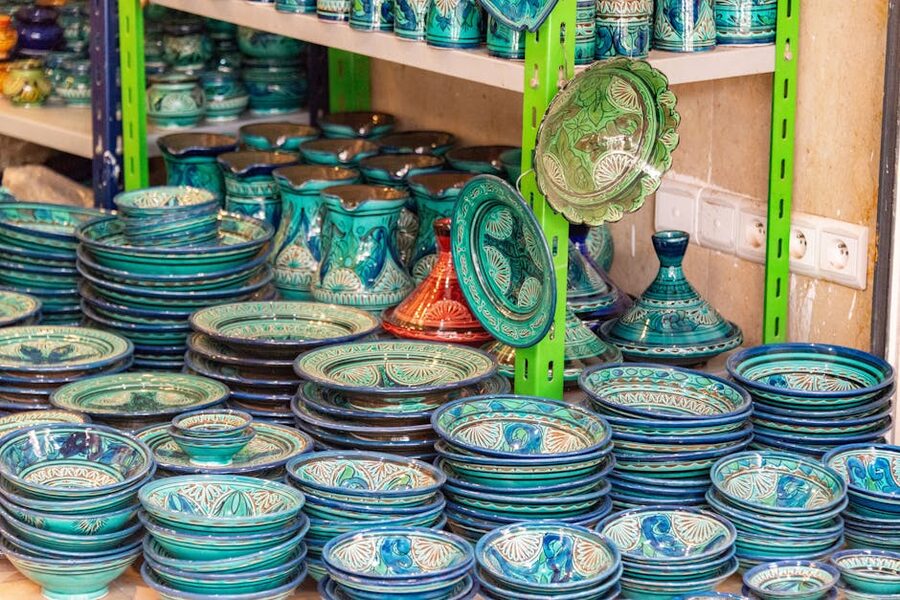
Classes run 4-5 hours and cost 300-600 MAD ($30-60). Most are morning-based, finishing around 2-3pm. Book a day ahead at minimum — the best classes (La Maison Arabe, Café Clock, Riad Jebel Hari) fill up quickly.
Practical Tips
Come hungry. Skip breakfast before the tour. Eat light the day before. By the end, you’ll want to eat dinner; don’t arrive already full.
Dietary restrictions. Vegetarian is easy — couscous, tagine, soups, mint tea. Vegan is harder — most sauces use butter. Halal is the default. Gluten-free is genuinely difficult; bread is central to every meal. Tell the tour operator 48 hours ahead if you have restrictions.
Water. Tap water is not safe for tourists. Stick to bottled water for drinking, mint tea, and freshly squeezed juices. Pre-chewed produce (fruit, salads) is higher risk than cooked items.
Alcohol. Mostly unavailable during food tours — Marrakech’s medina is largely alcohol-free. If you want wine with dinner, the nearby Gueliz district has restaurants that serve it. Tanjia dinner venues usually don’t.

Tipping. Cash tip for the guide — 50-100 MAD per person is standard. The food stall vendors don’t expect tips separately; the tour pays them.
Cash. Some stops might need additional cash if you want seconds, souvenirs, or specific market purchases. 200-300 MAD ($20-30) for extras is plenty.
Camera-friendly but ask. Most stalls are fine with photography. Some butchers and live-animal vendors prefer not — ask before shooting. Guides will often check with the vendor on your behalf.
Food Tour vs Other Marrakech Activities
vs Medina Walking Tour: Walking tour covers culture and history; food tour covers food specifically. Both walk through the same souks but with different focus. Do the walking tour first for orientation, the food tour second for the deeper food dive.
vs Marrakech Hammam: Hammam is spa relaxation; food tour is active walking-and-eating. Excellent paired — food tour in the evening, hammam next morning to recover.
vs Essaouira Day Trip: Essaouira offers different (coastal) Moroccan cuisine. Food-focused travellers do both — Marrakech food tour one day, Essaouira seafood the next.
vs Agafay Desert Dinner: Agafay dinner is one meal in a themed setting; food tour is 8-10 tastings across the medina. Different experiences; Agafay is about atmosphere, food tour is about flavour diversity.
vs Majorelle Garden: Garden is quiet aesthetic; food tour is sensory immersion. Do Majorelle in the morning for a slow start, food tour in the evening for the energy peak.
Getting There
Tour meeting point: Usually at a landmark in the medina — Jemaa el-Fna cafés, Bahia Palace entrance, or a specific riad. Exact location is in your booking confirmation.
Location of tastings: All within the medina walls. Walking distance only. You’ll cover 3-5 km total during the tour.
Transfer: Not usually included. Walk from your riad or take a taxi to Jemaa el-Fna.
Is a Food Tour Worth $41-$63?
One of the best-value activities in Marrakech. The food itself is worth the price (you’ll sample 8-10 dishes that would cost 200-300 MAD collectively if bought individually), and the cultural context the guide provides adds substantially.

Building a Food Tour Into Your Marrakech Trip
Schedule the food tour for day 2 or 3 — after you’ve done the medina walking tour and have enough context to appreciate the food tour’s deeper dive.

For a full Marrakech week: medina walking tour day 1, food tour day 2 (evening), hammam day 3 (morning recovery), Majorelle day 3 (afternoon), Atlas hike day 4, Agafay day 5 (sunset). If you have an extra day, pair the food tour with a quad bike adventure — burning calories in the afternoon before an extended food tour in the evening works well.
For food-focused travellers: combine the Marrakech food tour with an Essaouira day trip for coastal cuisine, the Agafay tanjia dinner, and a hammam session between meals. Four days of Morocco’s most distinctive sensory experiences, all centred on Marrakech.