
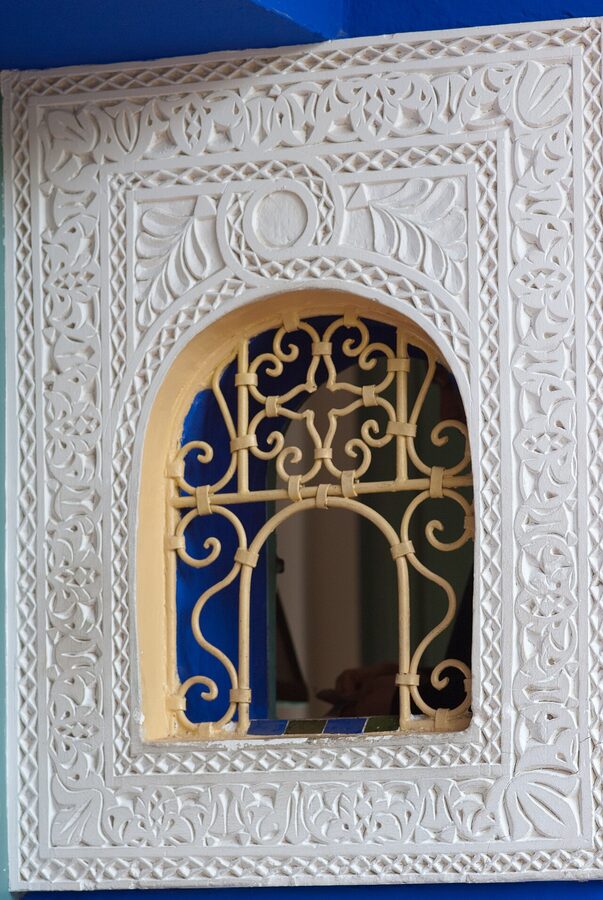
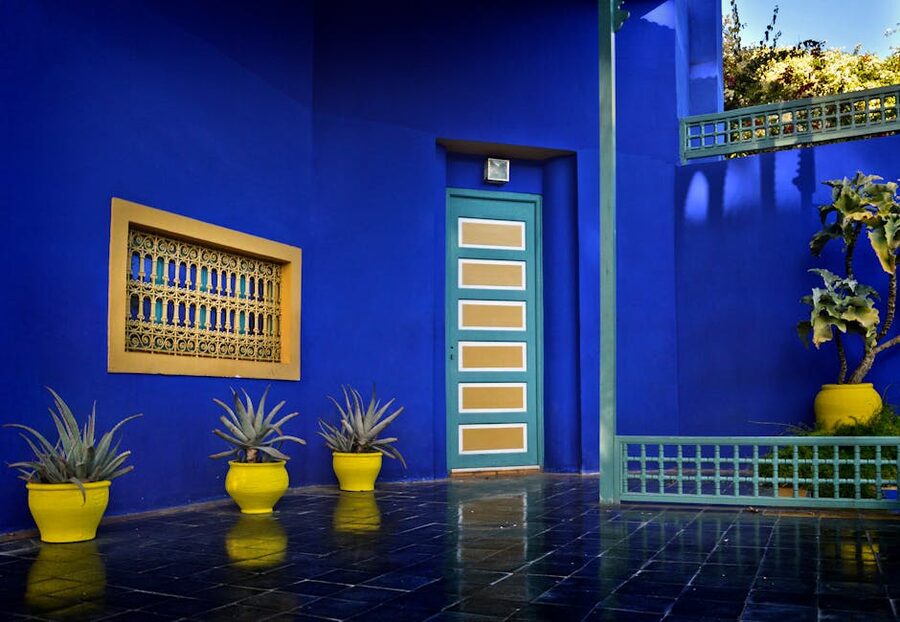
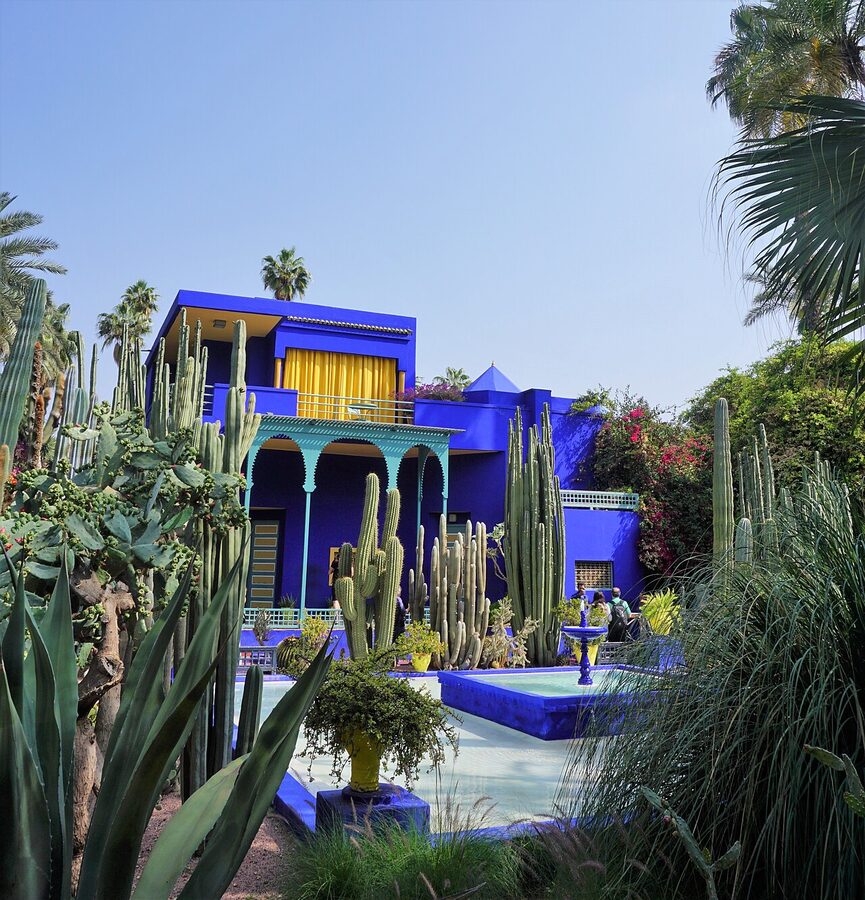
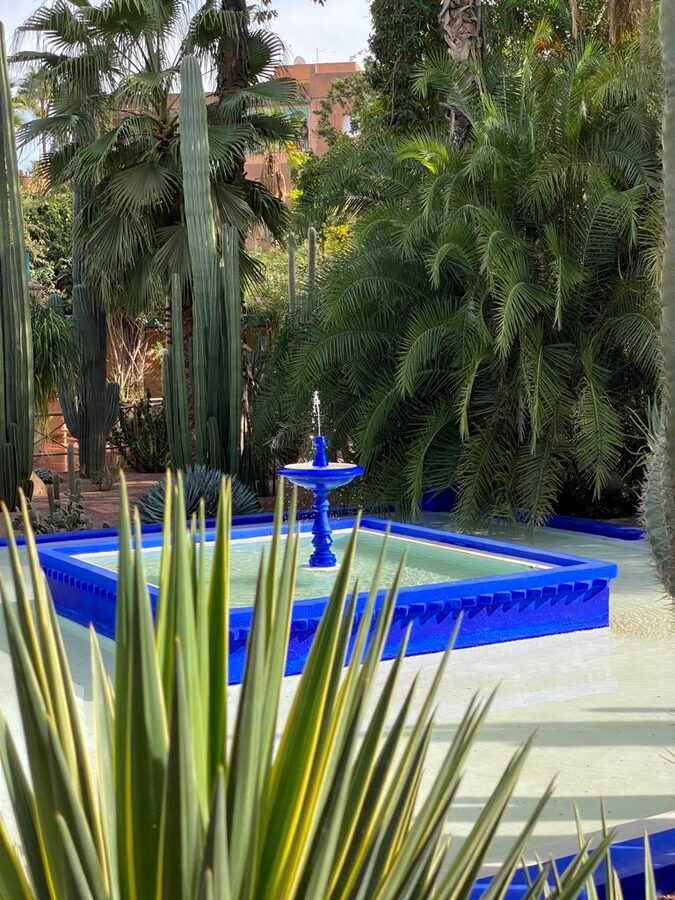
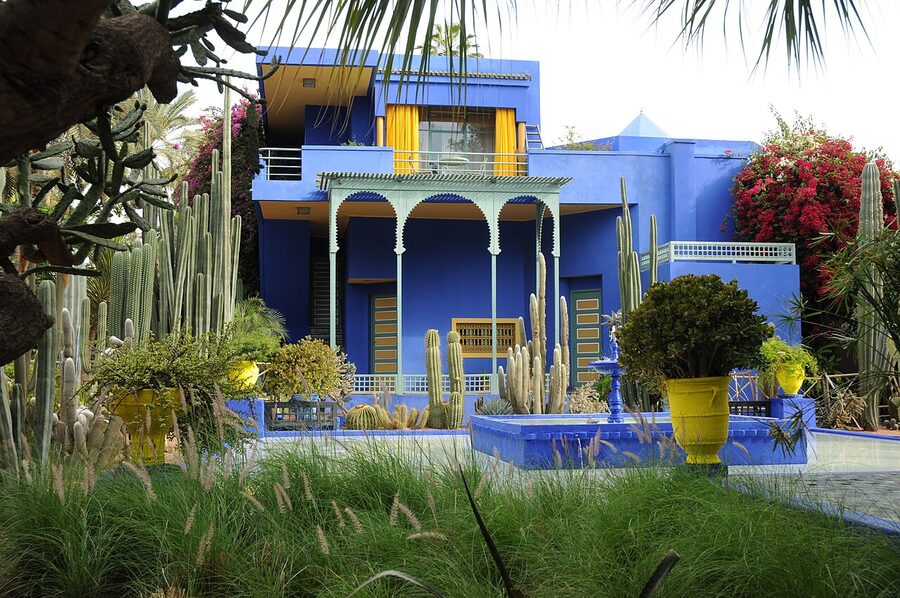
The first thing that hits you at Majorelle isn’t the plants. It’s the blue. A shade of cobalt so saturated it looks artificial — painted on every wall, planter, fountain rim, and window frame. The rest of the world looks washed-out by comparison for about an hour after you leave.
Jardin Majorelle is a 4,000-square-metre botanical garden in the centre of Marrakech, originally created by the French painter Jacques Majorelle in the 1920s, saved from demolition by Yves Saint Laurent in 1980, and now operated as a public garden, a Berber Museum, and a YSL Museum on the same grounds.

Entry is AED 80-170 ($8-17) depending on which combinations you choose — garden only, garden plus Berber Museum, garden plus YSL Museum, or all three. Most tours bundle the three-site combo into a $60-64 package that includes hotel transfer.
Budget 1.5-2 hours for the garden itself, 30-40 minutes for the Berber Museum, and 45 minutes for the YSL Museum. A full Majorelle visit is a 3-hour morning or afternoon commitment.
In a Hurry? Our Top Picks
Best combo — all three attractions plus transfer, 84 five-star reviews.
Alternative operator with slightly higher price but more reliable timing.
Premium horse-carriage tour covering Majorelle, Menara Gardens, and YSL Museum.
- The Garden — What You Actually See
- The Villa Majorelle — Now the Berber Museum
- The YSL Museum — Separate Building Next Door
- The Iconic Blue
- Our Recommended Tours
- 1. Majorelle + YSL + Berber Museum Combo —
- 2. Round-Trip Ticket (3 Sites) —
- 3. Horse Carriage Tour — 6 for up to 5 people
- The History — Painter to Fashion Designer
- Practical Tips
- Majorelle vs Other Marrakech Attractions
- Getting There
- Is Majorelle Worth ?
- Building Majorelle Into Your Marrakech Trip
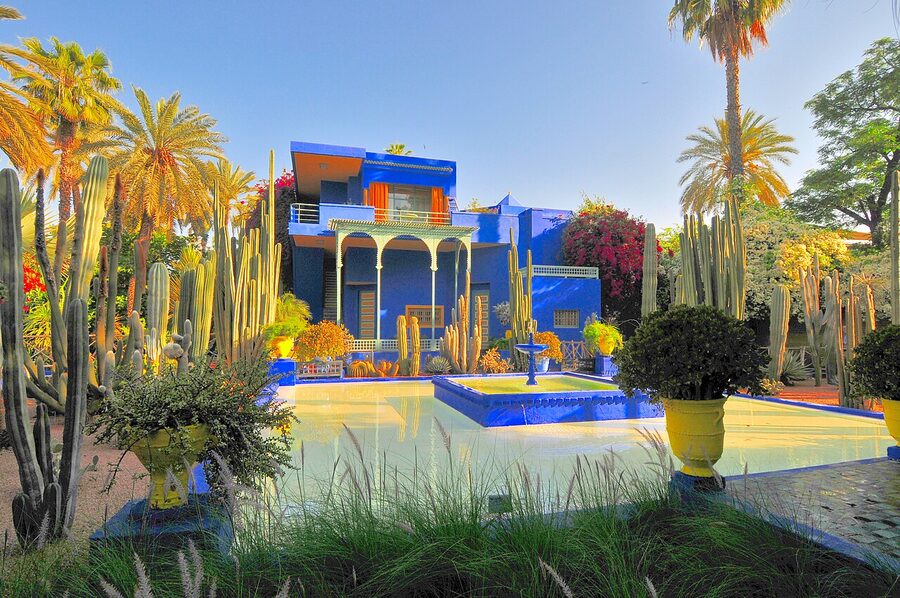
The Garden — What You Actually See
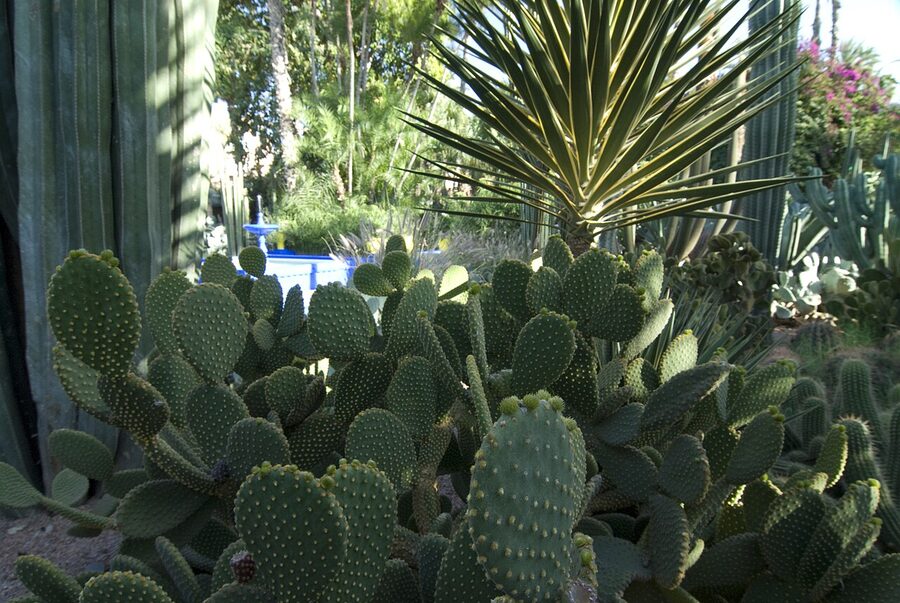
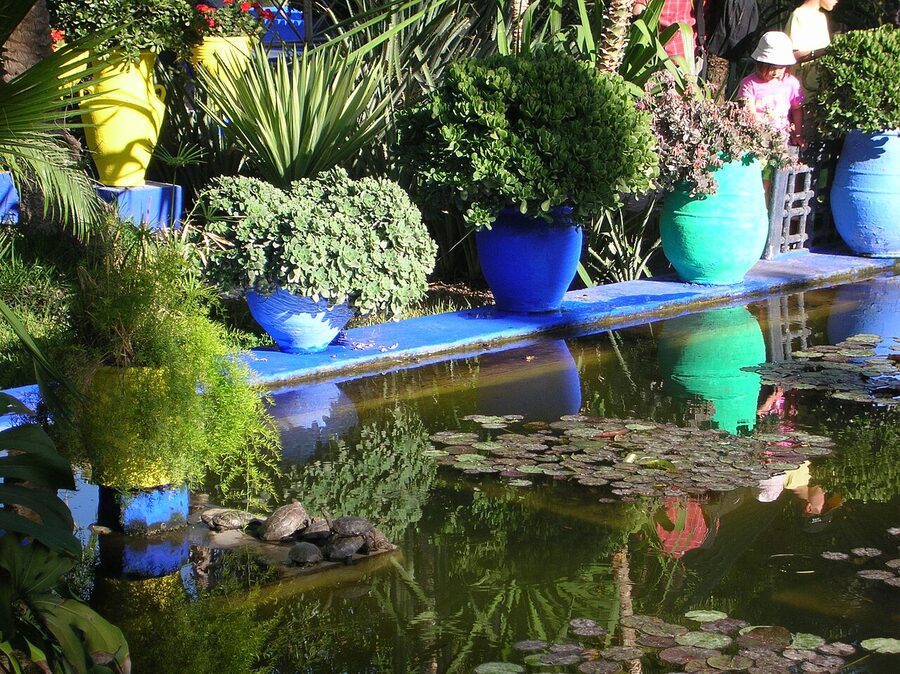
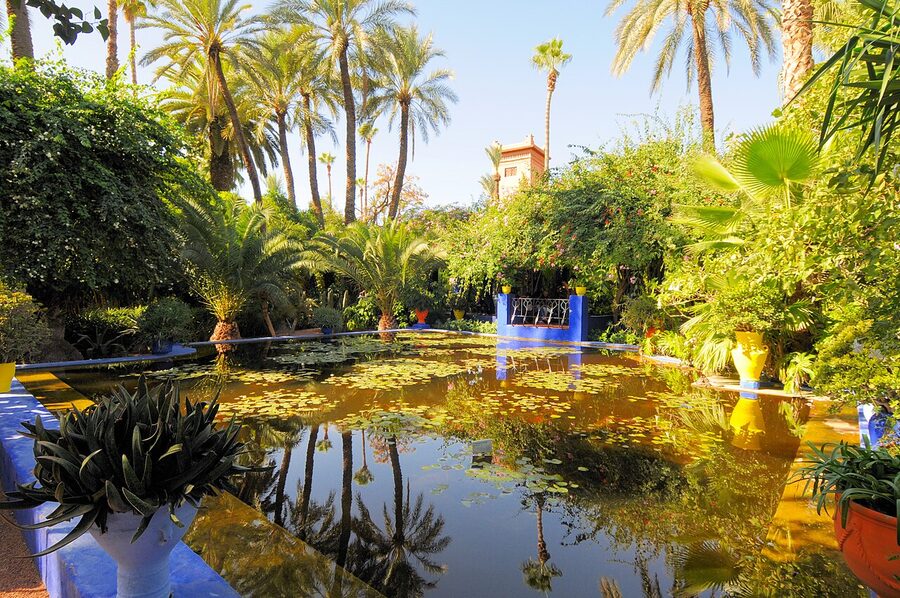
The garden contains over 300 plant species, collected from five continents over the 40 years Jacques Majorelle spent building it. Cacti dominate (he was obsessed with them), but there are also bamboo groves, water lily ponds, and tropical palms.





The Villa Majorelle — Now the Berber Museum
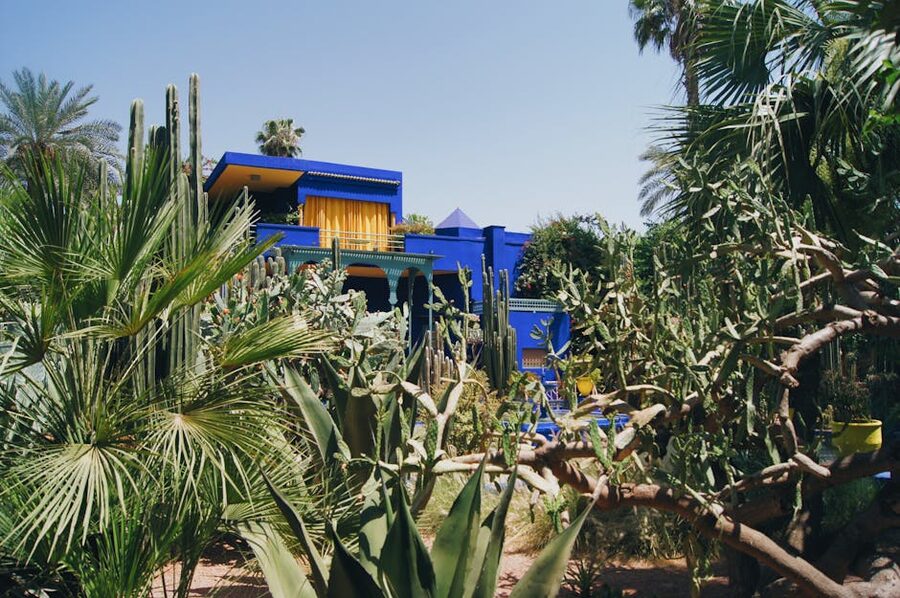
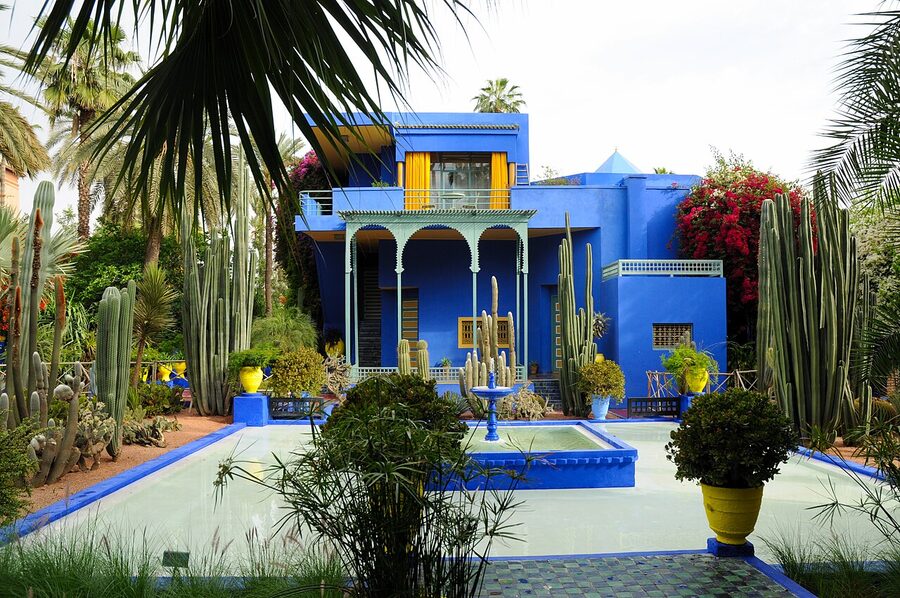
The main villa (the big blue building) houses the Berber Museum. Jacques Majorelle’s studio on the upper floor has been preserved; the rest converted to display over 600 pieces of Berber jewellery, textiles, and handicrafts collected by Yves Saint Laurent and Pierre Bergé.
.jpg)
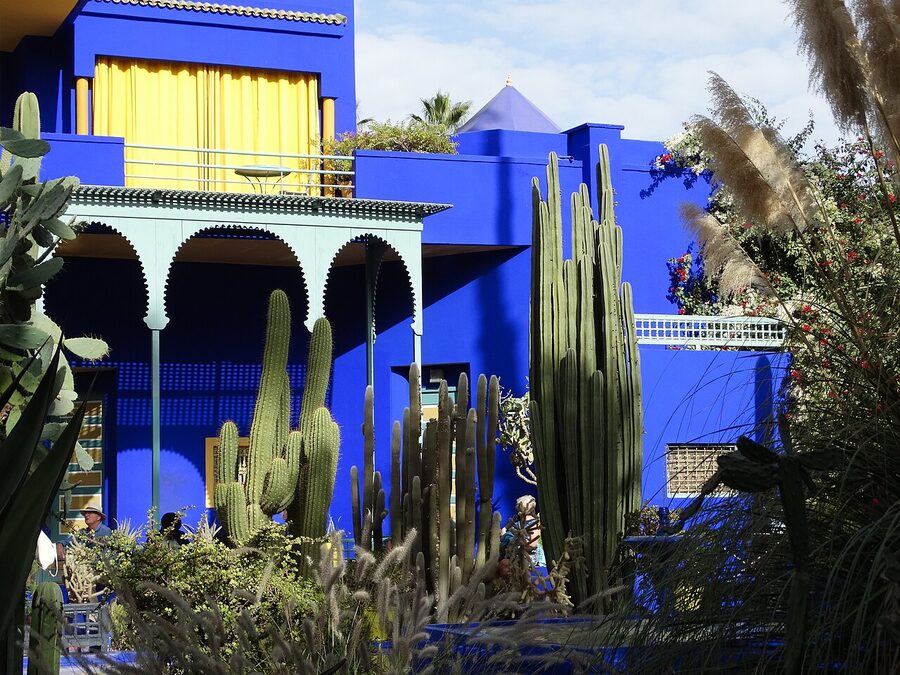

The Berber Museum opened in 2011 on the 130th anniversary of Jacques Majorelle’s birth. The collection is one of the best in Morocco — rare silver jewellery from the High Atlas, indigo-dyed textiles from the Sahara tribes, ceremonial wedding outfits, embroidered leather goods.
Photography is restricted inside (no flash, sometimes no photos at all). The museum guides are knowledgeable and can provide context on any piece you’re interested in.
The YSL Museum — Separate Building Next Door
The Yves Saint Laurent Museum opened in 2017 in a purpose-built structure adjacent to the garden. It’s a separate building with separate entry (though combined tickets exist).
The permanent collection houses over 50 Yves Saint Laurent couture pieces spanning his career, plus rotating exhibitions. Fashion history enthusiasts find it essential; casual visitors find it worthwhile but shorter (30-40 minute visit vs 90 in the garden).

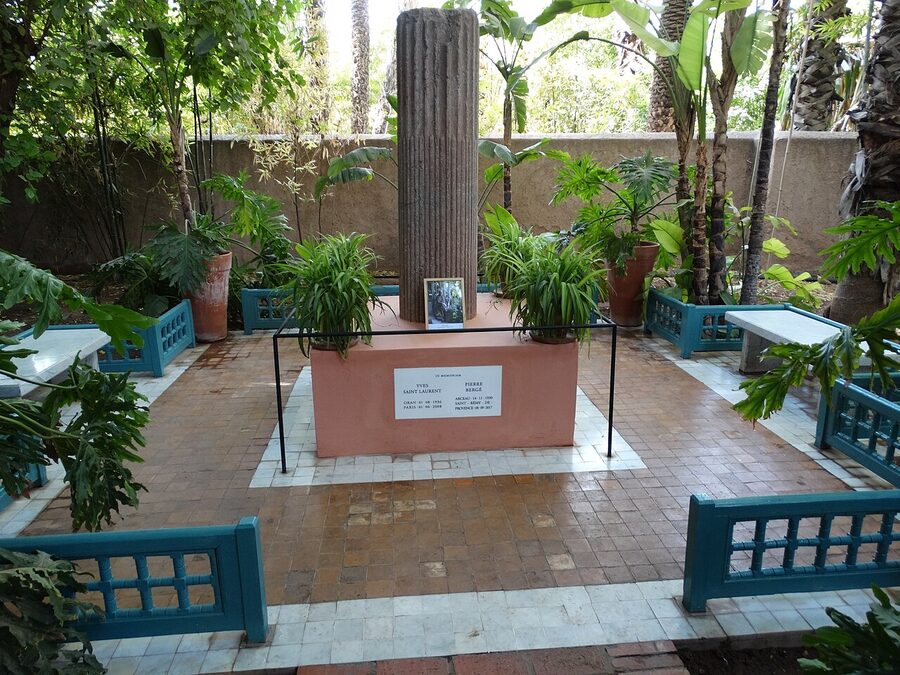
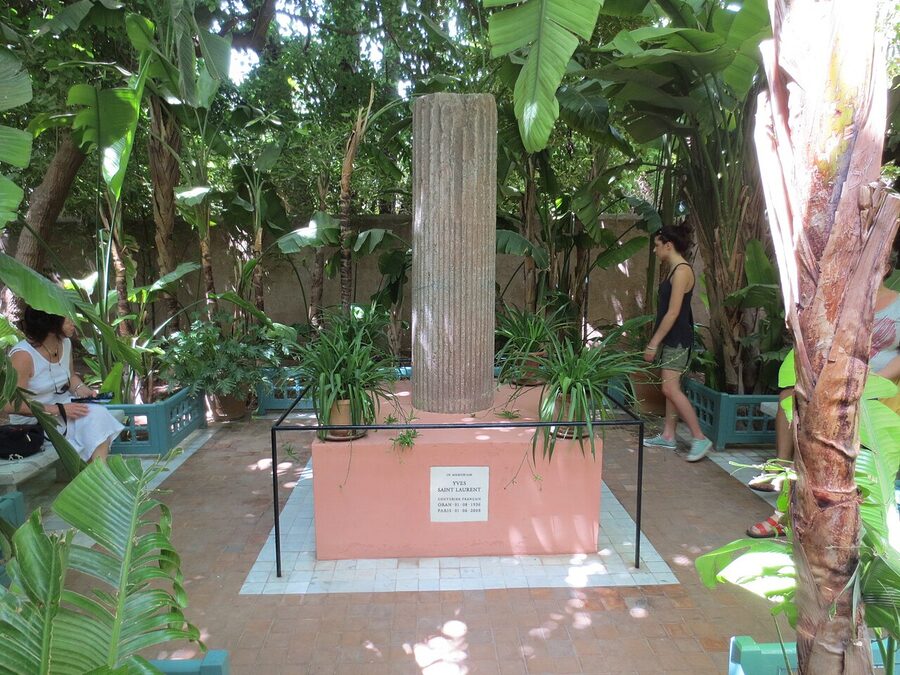
YSL famously discovered Marrakech in 1966 and bought a riad in the medina the same year. He and Pierre Bergé bought Majorelle in 1980 when it was scheduled for demolition by a hotel developer. They restored it, lived adjacent, and — on YSL’s death in 2008 — his ashes were scattered in the rose garden here.
The Iconic Blue
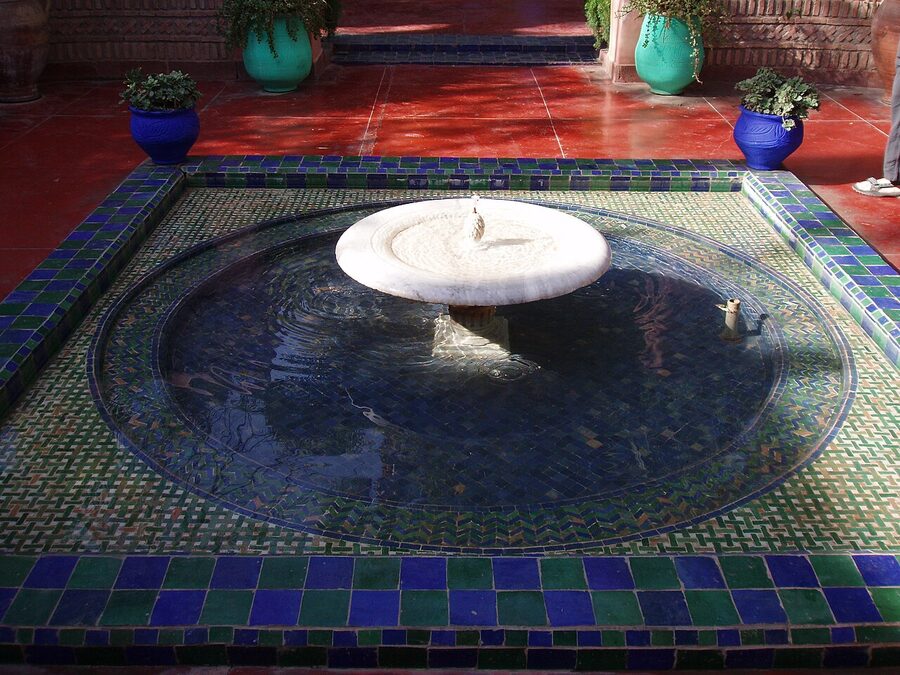
Everyone comes for the blue. Jacques Majorelle developed the specific shade through years of experimentation, blending cobalt pigments until he reached the intense cobalt-ultramarine that’s now associated with the garden.




Our Recommended Tours
1. Majorelle + YSL + Berber Museum Combo — $62
The most-reviewed Majorelle tour — 84 five-star ratings. Hotel pickup, entry tickets for all three attractions (garden, Berber Museum, YSL Museum), guided commentary, return to hotel.
The $62 price is significantly cheaper than buying tickets separately (AED 170 / $17 for the three combined, plus $20+ in transfers). Our review of this combo tour covers timing and what the guide adds versus self-guided.
2. Round-Trip Ticket (3 Sites) — $64
Similar three-site combo via a different tour operator. 34 five-star ratings. Slightly higher price, sometimes better availability.
Worth the $2 premium if the main combo is sold out. Our review of this alternative tour compares the two operators directly.
3. Horse Carriage Tour — $176 for up to 5 people
A premium tour using traditional horse-drawn carriages for transport between attractions. Price is per carriage (up to 5 people), which works out to $35 per person for groups of 5.
Worth the premium for large groups, families with kids (carriage rides are memorable), or for the novelty. Our review of the horse carriage tour details the experience and whether the transport mode affects the garden visit quality.
The History — Painter to Fashion Designer
Jacques Majorelle (1886-1962) was a French painter who settled in Marrakech in 1917 after visiting for health reasons. He bought the garden plot in 1923 and spent the next 40 years developing it.
He funded the project partly by his painting sales and partly by opening the garden to the public for a small fee. The Art Deco villa was built in 1931.
After Majorelle’s death in a car accident in 1962, the garden was abandoned for nearly two decades. Yves Saint Laurent and Pierre Bergé bought it in 1980 to save it from developers. They restored the garden, lived adjacent in a small villa, and opened it to the public.
YSL died in 2008; Bergé in 2017. The garden is now operated by the Fondation Pierre Bergé – Yves Saint Laurent. Profit from entry fees supports the foundation’s work on Berber culture preservation.
Practical Tips
Go early. The garden opens at 8am. First 90 minutes are nearly empty. By 11am, the tour buses arrive and paths become crowded.
Book online ahead. The garden operates a timed-entry system to manage crowds. Walking up without a booking on busy days means a 45-60 minute wait. Book the tour ticket which includes entry slot.
Small garden, slow pace. Don’t rush — at 4,000 sqm, you can walk around the whole thing in 30 minutes if you hurry. The point is to linger. Take 90 minutes minimum.
No re-entry. You exit the garden once; no readmission. Plan your Berber Museum and YSL Museum visits inside the ticket, not as separate re-entries.
Café inside. The garden has a café near the villa. Decent coffee and pastries; prices are tourist-level but the setting (shaded with blue walls) is worth it.
YSL Museum timing. Combine YSL Museum visit with the garden — it’s 5 minutes walk away. Separate building, same complex.
Photography etiquette. Photography is allowed throughout the garden but not inside the museums. Tripods need permission. No drones.
Majorelle vs Other Marrakech Attractions
vs Medina Walking Tour: Medina is crowded commerce. Majorelle is curated calm. Do them on consecutive days for the contrast.
vs Agafay Desert: Agafay is evening outdoor experience. Majorelle is morning garden walk. Different activities; both fit in a full Marrakech day.
vs Atlas Mountains Hike: Atlas is all-day physical activity. Majorelle is 3-hour relaxed garden visit. Save Majorelle for the day after Atlas when you want something slow.
vs Marrakech Hammam: Both are slow, contemplative activities. Hammam is bathing and massage; Majorelle is walking and viewing. Pair them — morning garden, afternoon hammam.
vs Hot Air Balloon: Balloon is adrenaline and sunrise. Majorelle is aesthetic and leisurely. Both worth doing on a longer trip.
Getting There
Location: Rue Yves Saint Laurent, Gueliz district, Marrakech. About 20 minutes walk from the main Medina.
Walking from the Medina: 20-25 minutes through Gueliz. The route is fine but boring — mostly modern residential blocks.
Taxi: 30-50 MAD from central Marrakech, 5-10 minutes. Easiest option.
Tour transport: The combo tours include transfers.
Is Majorelle Worth $62?
For garden lovers, photographers, and fashion history enthusiasts: absolutely. The garden is aesthetically unique and the combination with YSL and Berber museums makes for a culturally dense half-day.
For general travellers who don’t love gardens specifically: probably still yes at the tour price, because the transfer and three-site combo represents decent value. Skip only if you’re really time-tight and prefer cultural tours or day trips.
Building Majorelle Into Your Marrakech Trip
Majorelle fills a half-day. Pair with:
- Morning Majorelle, afternoon Medina: 9am-12pm at the garden, lunch in Gueliz, medina walking tour in the late afternoon.
- Morning Majorelle, afternoon hammam: For a contemplative day — walking the garden then a traditional hammam session.
-
Day after a hard day: Great recovery activity after an Atlas Mountains hike, a Ouzoud Waterfalls trip, or the long drives from the Sahara. Sit among the plants and recover.
For a culture-focused Marrakech week: Majorelle day 2, food tour day 3, Ouarzazate and Aït Benhaddou day 4, Essaouira day 5, medina walking tour day 6. Majorelle opens the week because it’s easy and sets a tone.