
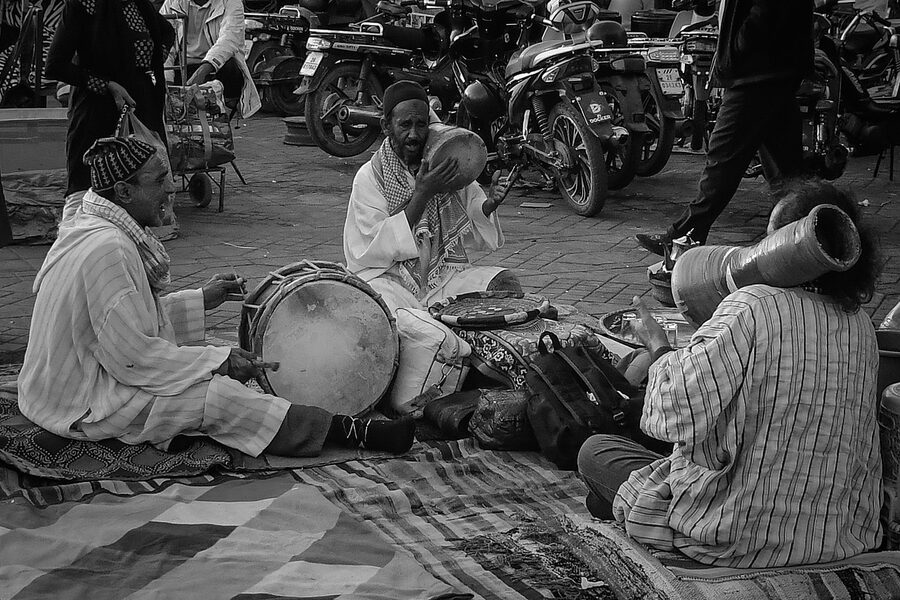
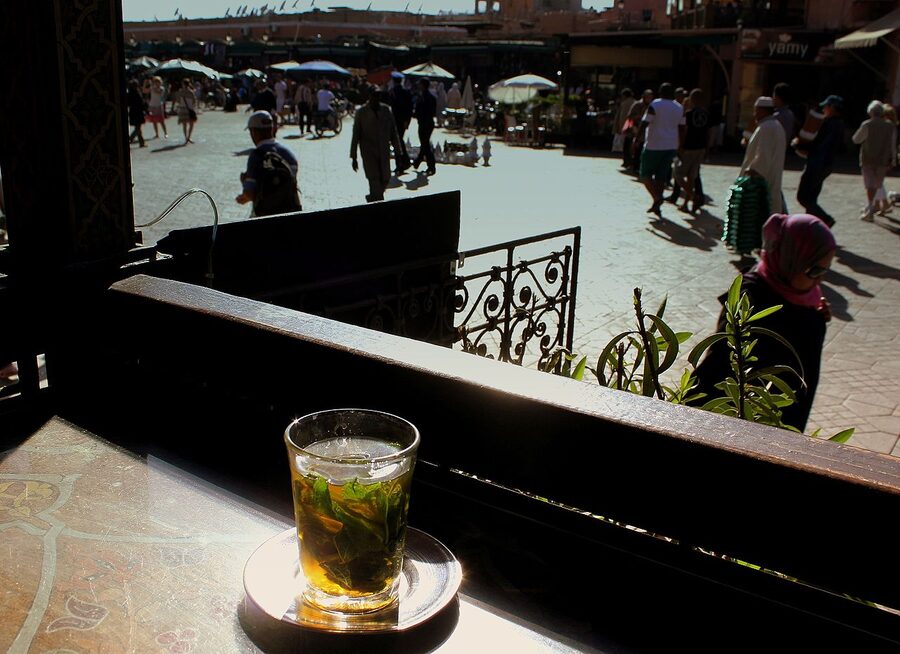
On my second walk through the Marrakech medina, I took a wrong turn and found myself in a silversmith’s alley that wasn’t on my map. The guide from my first visit hadn’t mentioned it. A man was hammering a 500-year-old design into a silver pot using tools that looked like they might also be 500 years old. Another man sold me mint tea, then pointed me back toward Jemaa el-Fna when he could see I was lost.
That’s the medina: 700 hectares of walled city founded in 1070, home to 100,000 people, full of mosques, palaces, souks, riads, and the most famous public square in North Africa. Walking tours make it navigable for first-time visitors — the medina is a genuine labyrinth, and getting lost is a rite of passage.

Tour prices range from $29 for the mystical walking tour (best-reviewed) up to $46 for the private “secrets of the medina” version. Group tours are 2-3 hours; private tours run 3-4 hours. All include a guide, entry to any gated sites, and the basic confidence of not getting hopelessly lost.
If you’re considering self-guiding: you can, but the medina is designed to disorient outsiders (deliberately — the Almoravid planners in the 11th century wanted invaders to get lost). Google Maps works in patches; GPS accuracy drops inside the covered souks. A guide for your first visit saves time and frustration.

In a Hurry? Our Top Picks
Best value — 23 five-star reviews. 3-hour walking tour covering souks, palaces, Jemaa el-Fna.
Alternative at slight premium with shopping focus. Good if bargaining help is what you need.
Premium private tour covering hidden corners most tours miss. Flexible pacing, personalized.
- What a Medina Walking Tour Covers
- The Souks — Shopping Logic
- Bargaining — The Honest Rules
- Our Recommended Tours
- 1. Mystical Medina Walking Tour —
- 2. Visit Old Medina & Souks —
- 3. Secrets of the Medina (Private) —
- Jemaa el-Fna — Day and Night
- Practical Tips
- Medina Walking Tour vs Other Marrakech Activities
- Getting There
- Is a Medina Walking Tour Worth -?
- Building the Medina Into Your Marrakech Trip
What a Medina Walking Tour Covers
The standard 3-hour tour covers a fairly consistent set of stops. Exact order varies by guide.
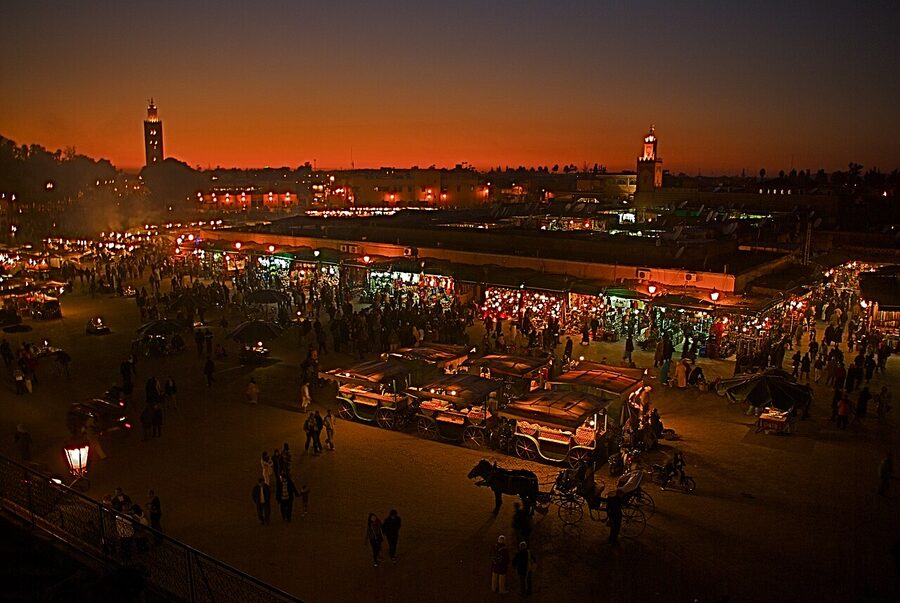
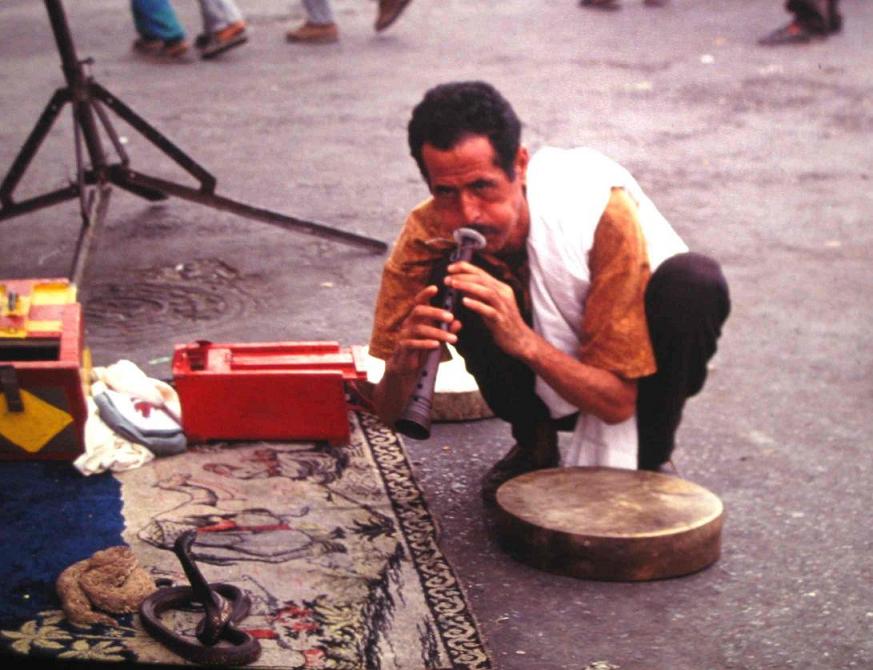
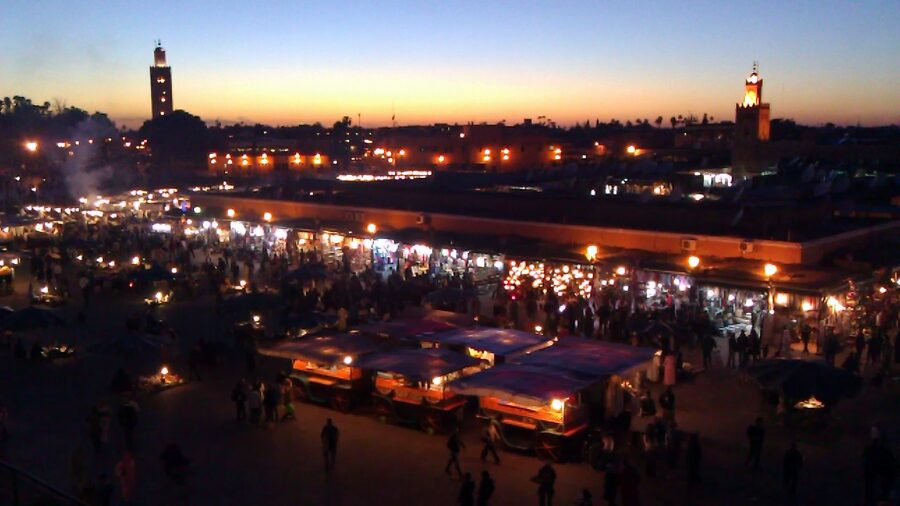
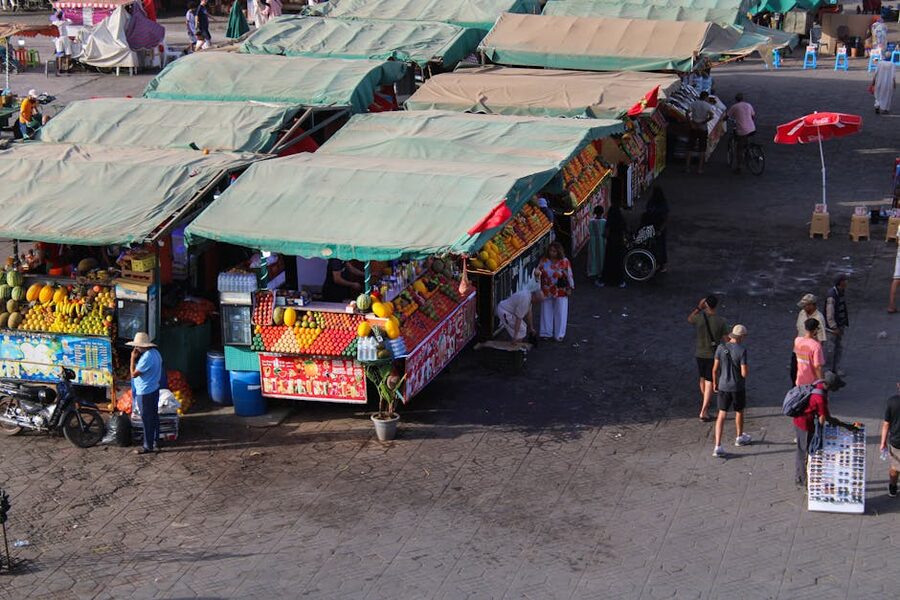
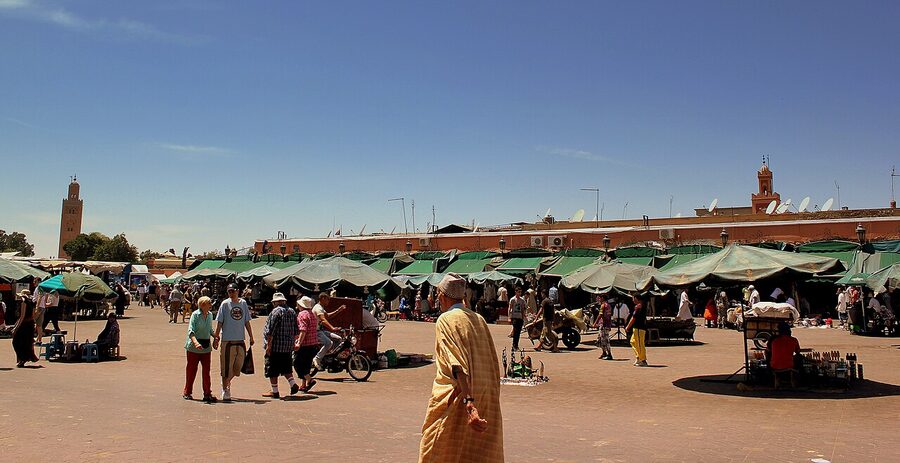
Jemaa el-Fna Square — the cultural centre, usually where tours start or end. Snake charmers, henna artists, food stalls. UNESCO-listed intangible cultural heritage.

_(6).jpg)
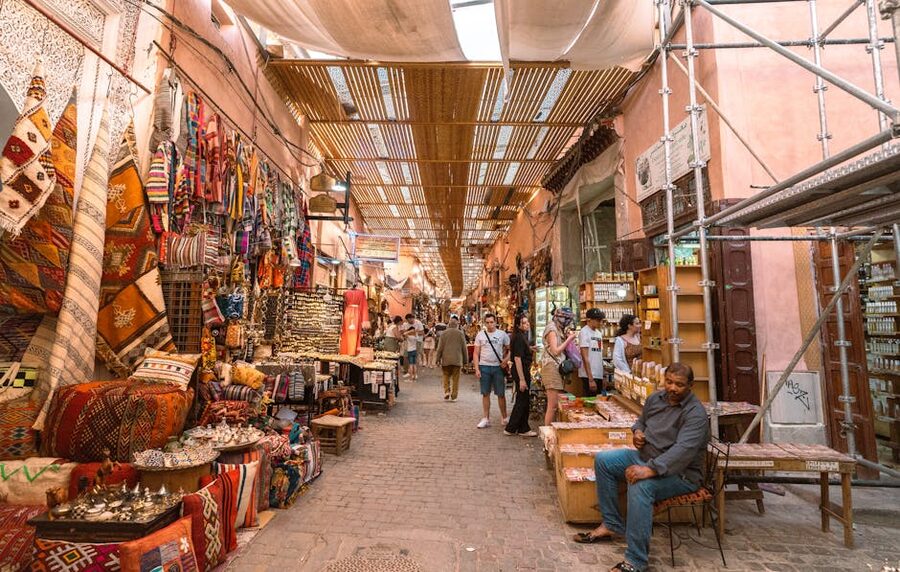
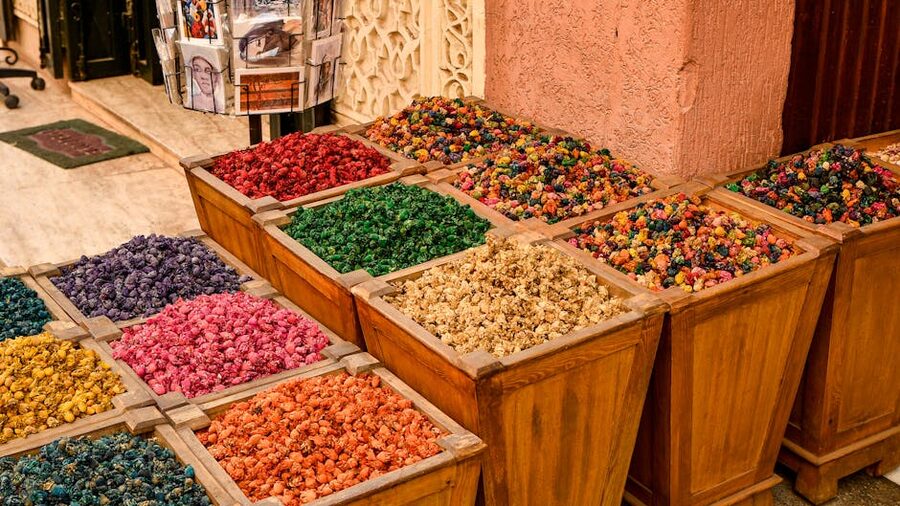
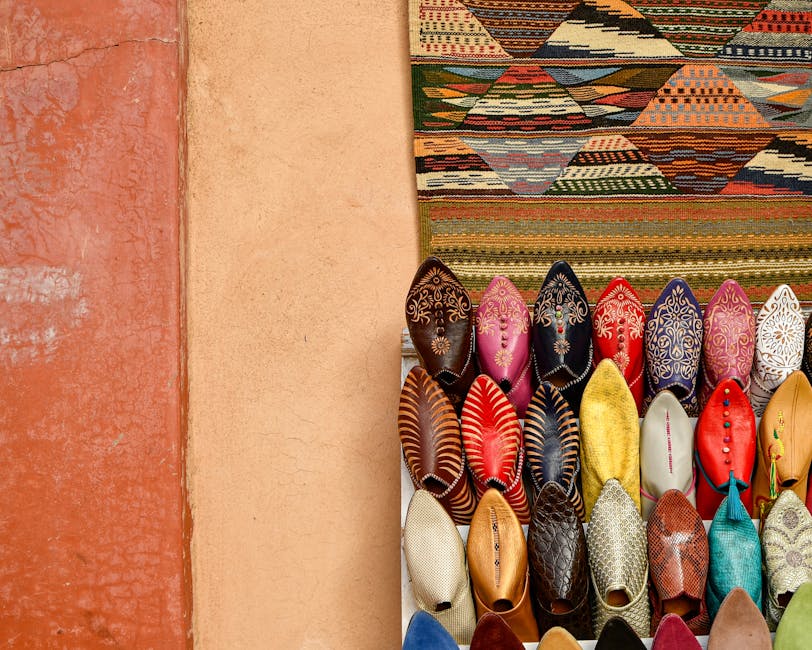
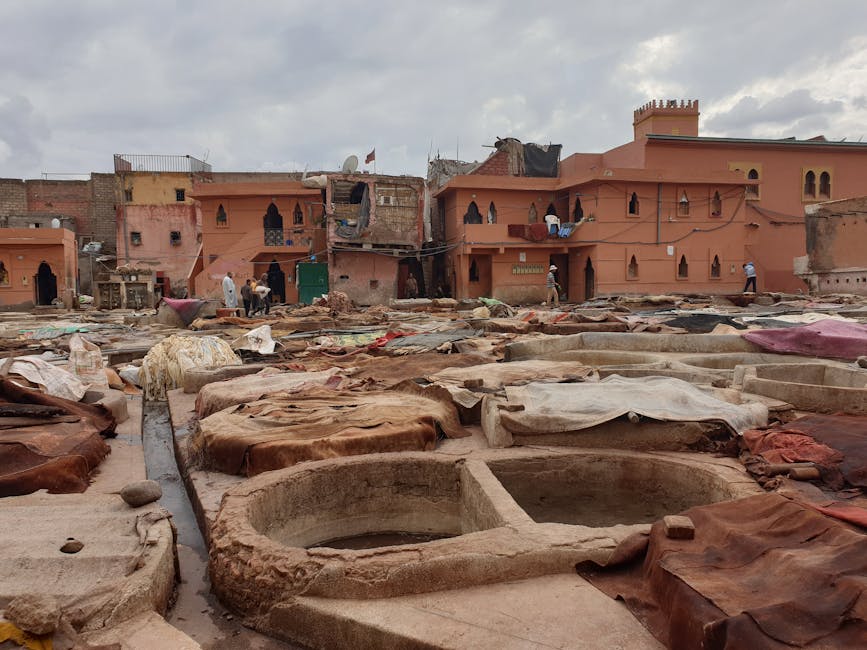
The souks — the covered market streets that radiate north from the square. Guides lead you through the specialized souks: Souk Semmarine (general), Souk Smata (babouche slippers), Souk des Teinturiers (dyers), Souk Haddadine (ironwork and lanterns).
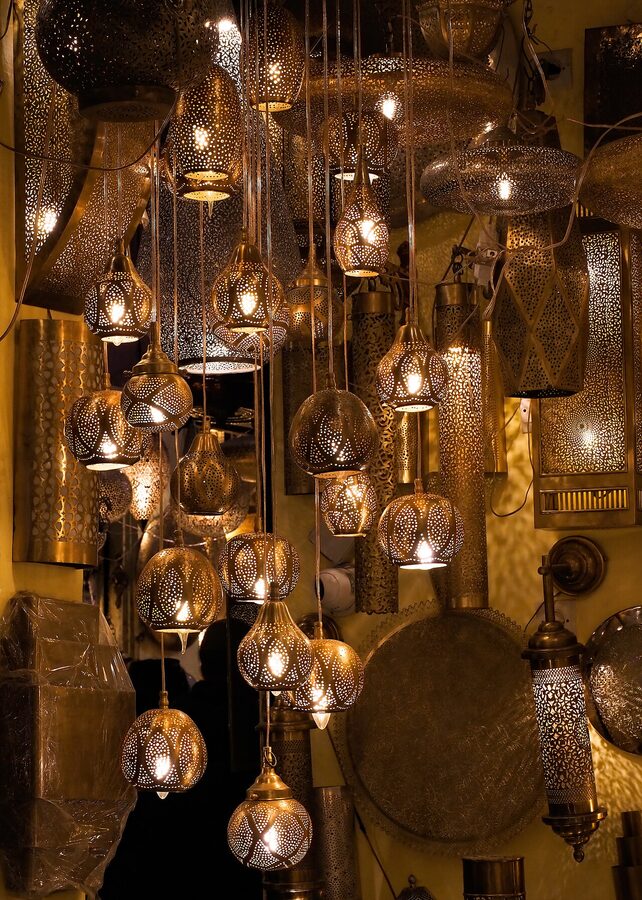

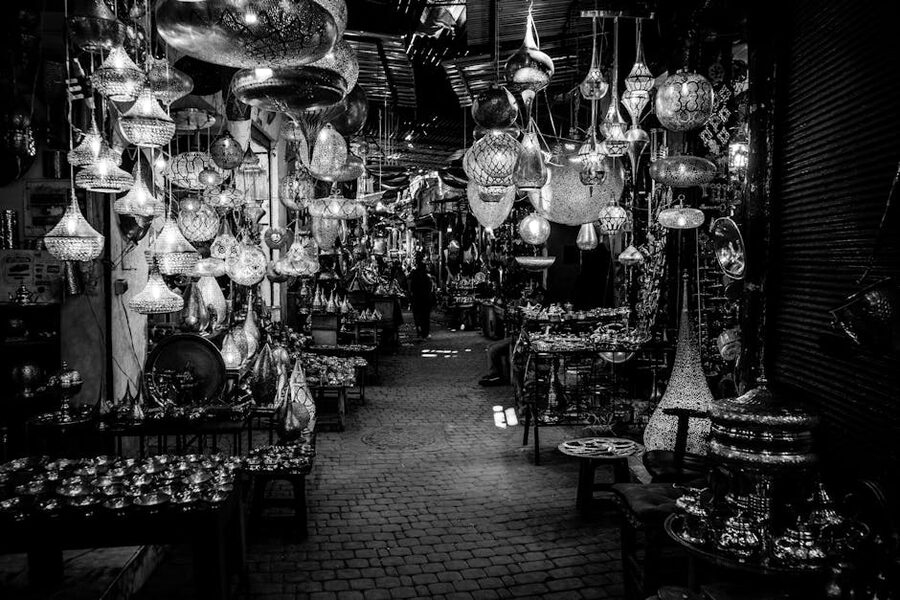
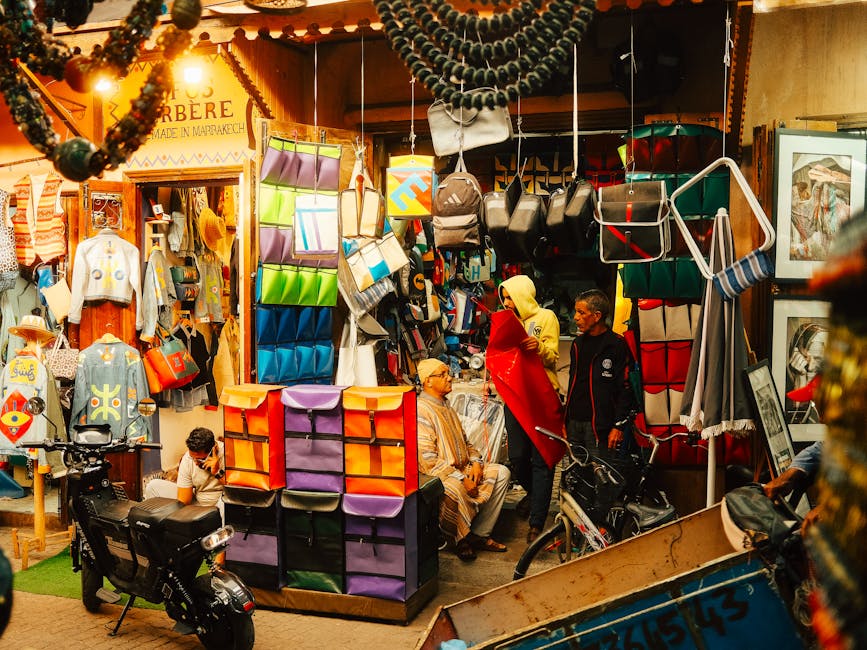
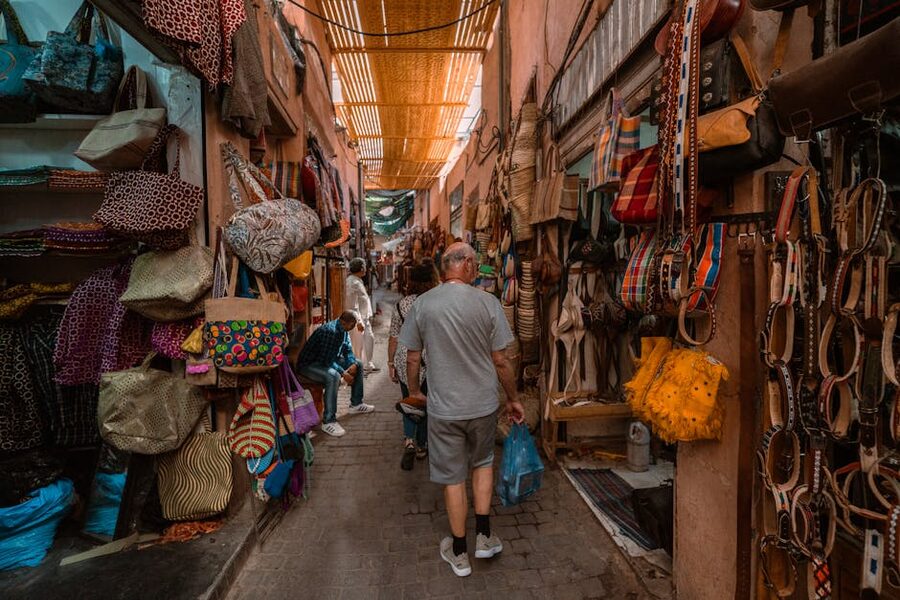
Ben Youssef Madrasa — the Koranic school (now a museum). Cedar woodwork, zellige tile patterns, carved plasterwork. Closed some mornings for cleaning; check schedules.
Bahia Palace — the 19th-century palace built for a grand vizier. Inner courtyards, painted ceilings, hareem quarters. Usually on the bigger private tours.
Saadian Tombs — the royal necropolis from the 16th century, hidden for 300 years until rediscovered in 1917. The green-tiled roof marks the location; inner chamber is elaborately carved.
The Souks — Shopping Logic
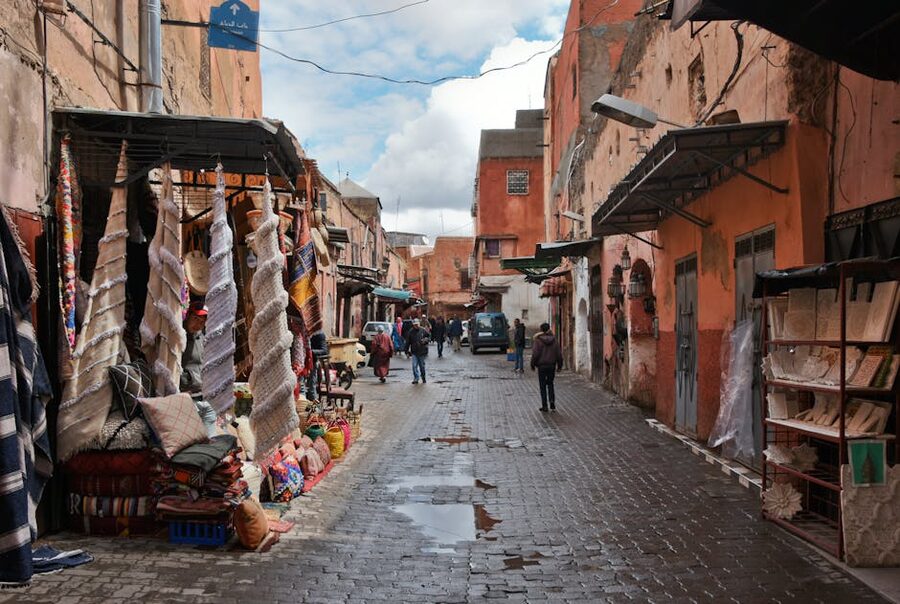
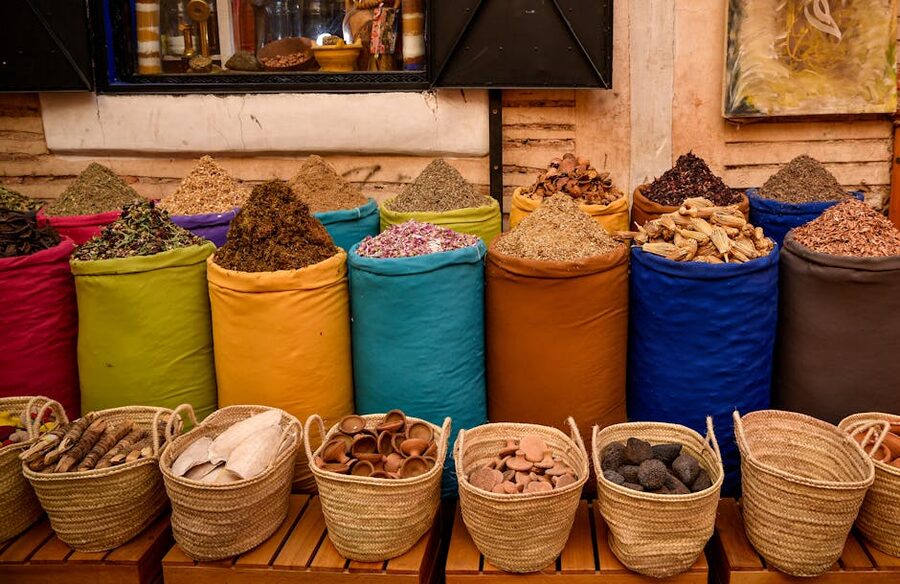
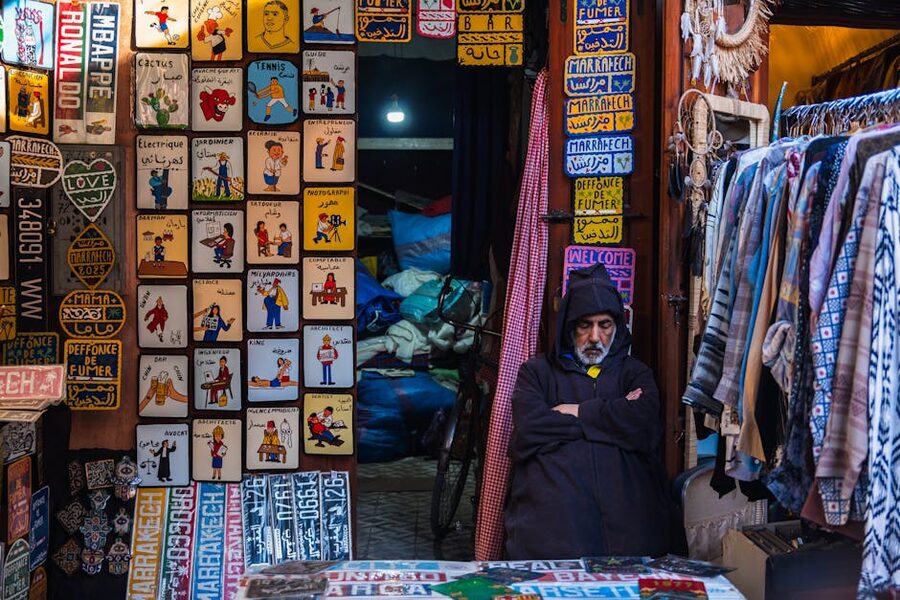
The souks are the main attraction for most walking-tour visitors. They’re not one big market — they’re a network of specialized streets, each traditionally dedicated to one craft or product.
Bargaining — The Honest Rules
Bargaining is expected. Moroccans have bargained in these souks for 900 years; they’re very good at it.
Opening price is typically 2-4x the final fair price. Counter at 30-40% of the asked price. Expect to settle around 50-60% of original. Walking away often produces a better offer — but don’t walk away unless you’re actually prepared to not return.
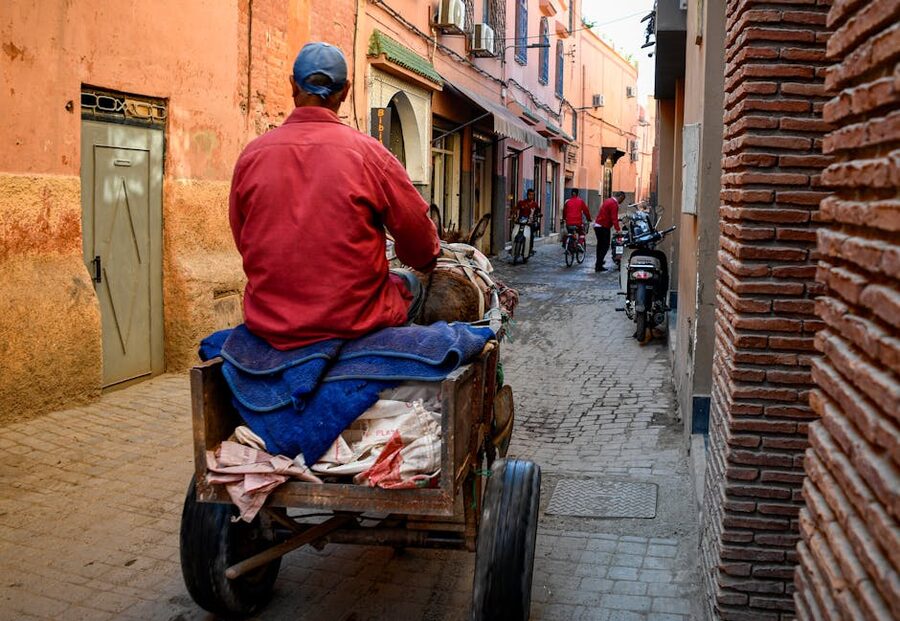
Take your guide’s estimate as a reference, not gospel. Guides typically get a commission from shops they lead you into — it’s a normal part of the system, not corruption, but it means “the real price” you’re quoted may include the commission.
Cash only for 90% of purchases. Credit cards at some larger shops but always at a premium.
Our Recommended Tours
1. Mystical Medina Walking Tour — $29
_(3225063666).jpg)
The highest-rated Marrakech medina walking tour — 23 five-star ratings. 3-hour guided walk through the souks, Jemaa el-Fna, and a few of the less-touristed alleys. Group size 8-12.
At $29, the best-value medina introduction. Includes the guide, all entry fees for gated sites, no shopping pressure. Our full review of this walking tour covers what you’ll see and the guide style.
2. Visit Old Medina & Souks — $36
.jpg)
Similar coverage to option 1 but weighted more toward shopping. The guide actively helps with bargaining and can translate during negotiations. Good if you’re specifically here to buy rugs, lamps, or higher-value items.
The $7 premium over option 1 buys you the bargaining assistance. If you’re just here to sightsee, option 1 is better. Our review of this shopping-focused tour explains what the guide adds to the buying process.
3. Secrets of the Medina (Private) — $46
.jpg)
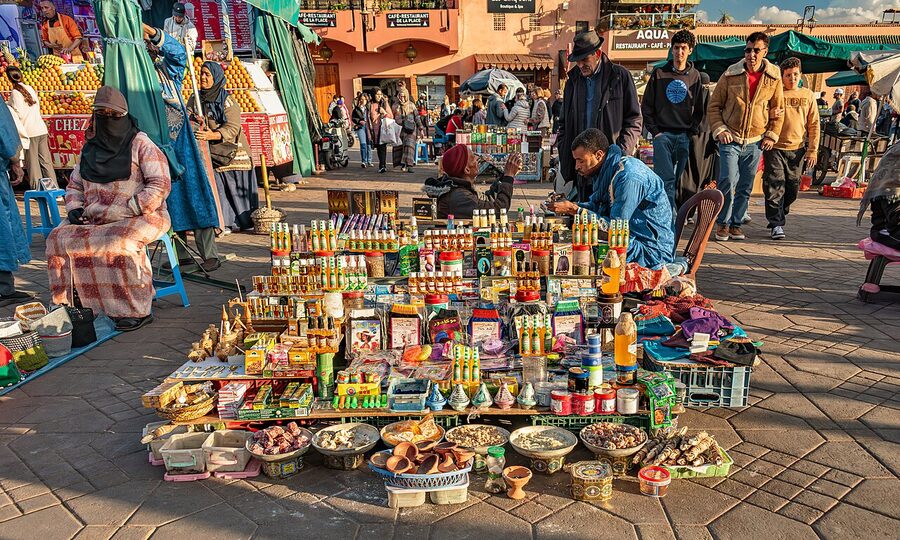
Premium private tour covering the hidden corners most group tours miss — a 12th-century caravanserai, a working silversmith’s alley, one of the old hammam buildings. Max 4 people. 3.5-4 hour duration.
Worth the $17 premium if history is your main interest or if you’re travelling with a small group (2-4 people) where the per-person cost works out similar to group tours. Our review of this private tour explains which “secrets” it actually reveals.
Jemaa el-Fna — Day and Night
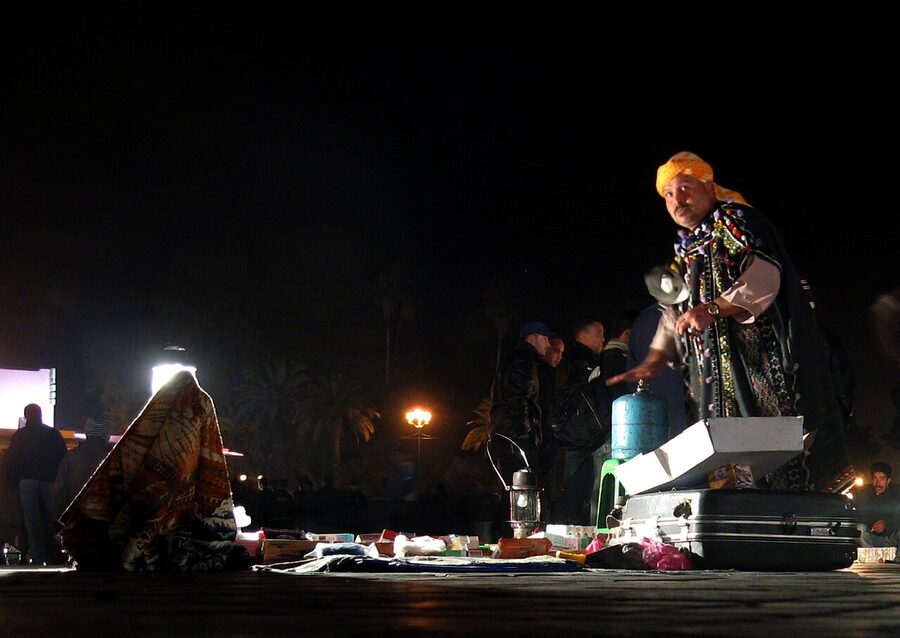
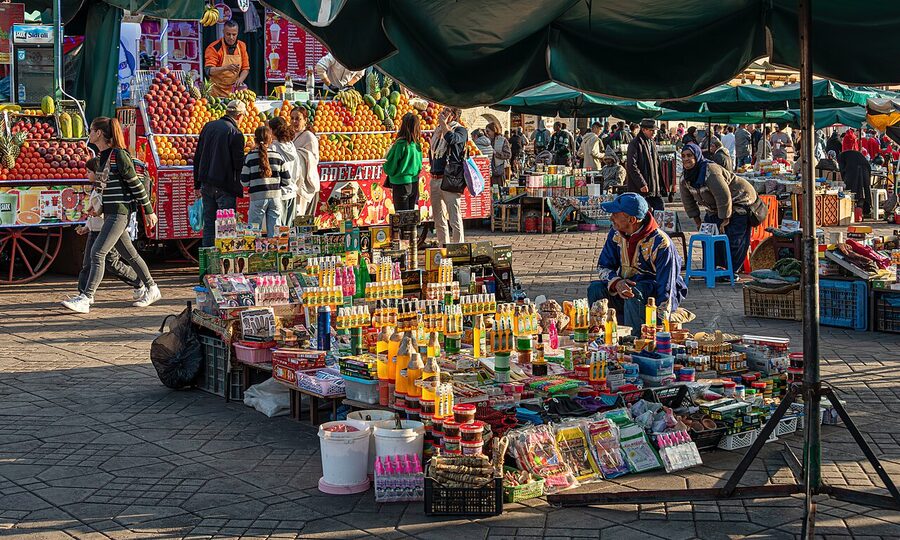
Jemaa el-Fna changes completely between morning and night. Most walking tours include at least one Jemaa visit; if your tour is morning-only, go back at night on your own.
.jpg)
.jpg)
Practical Tips
Wear real shoes. The medina streets are uneven, slippery with spilled water, occasional animal droppings. Closed-toe shoes. No sandals.
Small bills and change. Have 10, 20, and 50 MAD notes ready. Most shops can’t make change from a 200 MAD note on small purchases.
Watch for scooters. The medina is officially pedestrian-only but scooters and motorbikes do use the narrow alleys. They honk to warn; step aside quickly.
Snake charmers and henna artists. Don’t take photos without agreeing to pay — 20-50 MAD is standard. If you ignore this, expect aggressive follow-up demands.
Pickpockets are real but rare. Wear a cross-body bag in front of you in crowded souks. Don’t carry a passport.
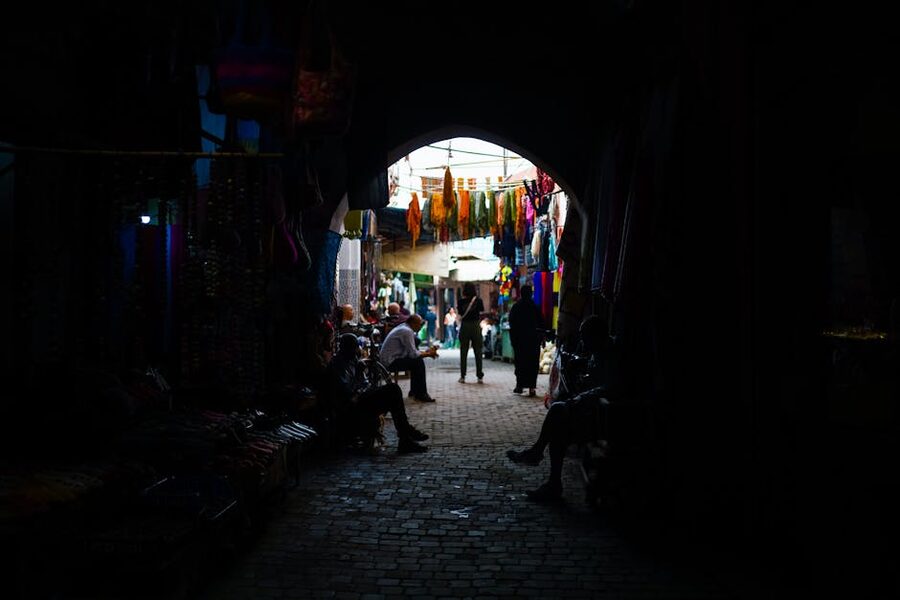
Best time for photos. Mid-morning (9-11am) has the best souk lighting through the latticed roofs. Jemaa el-Fna at dusk is the magic-hour shot.
Heat mitigation. Summer medina (June-August) is brutal — narrow alleys trap heat. Carry water. Morning walks only; afternoon skip.
Medina Walking Tour vs Other Marrakech Activities
vs Marrakech Food Tour: Medina walking tours focus on sights and shopping. Food tours focus on eating. Different emphases; pair them (food tour first, walking tour next).
vs Majorelle Garden: Garden is a calm aesthetic experience. Medina is sensory overload. Schedule Majorelle in the morning and Medina in the afternoon for a complete day.
vs Marrakech Hammam: Hammam is indoor relaxation; medina is outdoor walking. Do medina first, then hammam after to recover.
vs Atlas Mountains Hike: Atlas is all-day mountain experience. Medina is half-day urban. The two together (medina morning, Atlas the day after, or vice versa) cover the Marrakech spectrum well.
vs Agafay Desert Sunset: Agafay is an evening activity; medina works for morning or afternoon. Same-day combination is ambitious but doable.
Getting There
Location: The medina is the walled old town — instantly recognizable as the area inside the 19km of 12th-century walls.
Your riad is probably inside. Most traditional accommodations are in the medina. Walking to meeting points is usually 5-15 minutes.
From newer districts: Taxi to Jemaa el-Fna, then walk. The square is the universal starting point for medina navigation.
Tour meeting points: Typically at Jemaa el-Fna’s main cafés — Café de France, Argana, or similar named landmarks.
Is a Medina Walking Tour Worth $29-$46?
For first-time visitors: absolutely. The medina is too large and too confusing to navigate well solo on day one. A 3-hour tour on day one unlocks the rest of your Marrakech stay — after the tour you can self-guide anywhere in the medina with confidence.
For return visitors: possibly skip. If you’ve been before and know the layout, a food tour or a specialized tour (textiles, history) might be more valuable than another general walk.
Building the Medina Into Your Marrakech Trip
Plan the medina walking tour for day 1 or 2 of your Marrakech stay. It orients you to the most important area and makes everything else easier.
Natural sequence: medina walking tour day 1 (orientation), Majorelle Garden day 2 (calm contrast), Agafay sunset day 3 (outdoor evening), Atlas hike day 4 (physical day), food tour day 5 (deep dive in the souks again, this time for food), Essaouira day 6 (coastal break), balloon ride day 7 (aerial perspective). A week in Marrakech structured around the medina walking tour on day 1. If you have extra days, the 3-day Sahara tour slots in after the medina tour — the orientation day first, then the big trip.