
By the end of the exfoliation I was convinced my attendant was trying to start a fight. She was not. She was just doing her job — scrubbing my back with a black gommage soap and a rough glove called a kessa until I shed what felt like a full layer of skin. Afterward, face down on a hot marble slab while she poured warm water over my scalp, I understood the appeal. This is what people mean when they say “I needed that.”
The Moroccan hammam is a centuries-old bathhouse ritual — steam, black soap, exfoliation, rinse, massage. Every Moroccan city has public hammams where locals bathe weekly. Marrakech also has upscale tourist hammams inside hotels and spa riads, priced and styled for first-time visitors.
Tour prices run $58-67 for 90-120 minute experiences with transfer included. Walk-in prices at traditional public hammams are as low as 20 MAD ($2) but offer a completely different experience — no attendant, no oil, no English spoken.
The tour version is what first-time visitors want: a smaller, more controlled environment with English-speaking attendants, quality products, and proper towels and robes. The public hammam is an adventure for experienced Morocco travellers who speak some Arabic or French.
In a Hurry? Our Top Picks
The entry-level experience. 2 hours covering the full sequence. 33 five-star reviews.
Best value — hammam bath plus massage. 54 five-star reviews. The standard combo.
Premium version with transfer. Worth the extra $5 if hammam is far from your riad.
- The Ritual — What Actually Happens
- Step 1: Steam (20-30 minutes)
- Step 2: Black Soap (5 minutes)
- Step 3: Kessa Exfoliation (15-20 minutes)
- Step 4: Ghassoul Clay Mask (10 minutes)
- Step 5: Rinse and Massage (20-30 minutes)
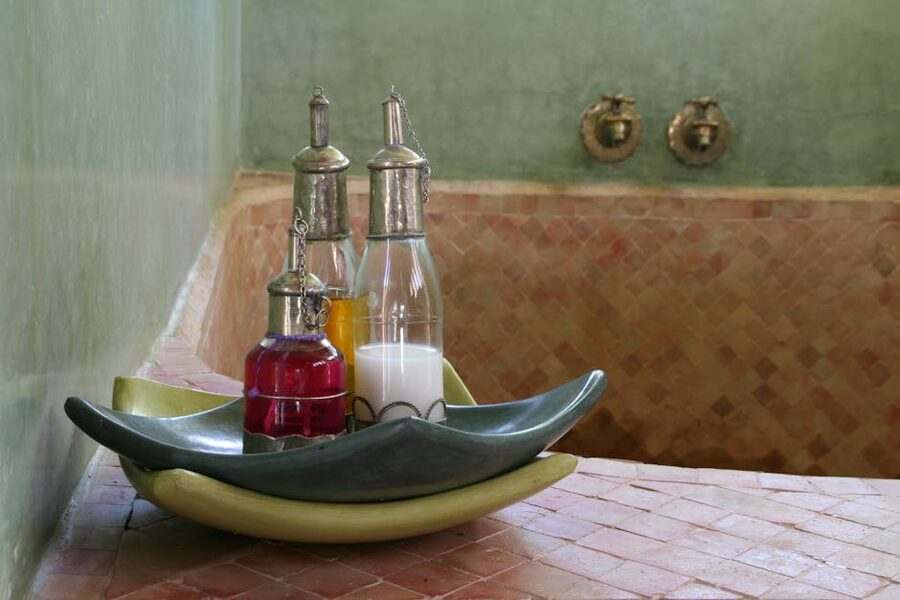
- The Products — What’s Being Used On You
- The Architecture
- Our Recommended Tours
- 1. 2-Hour Traditional Hammam Experience —
- 2. Traditional Hammam + Massage —
- 3. Hammam + Massage + Hotel Transfer —
- Practical Tips
- Hammam vs Other Marrakech Activities
- Getting There
- Is a Marrakech Hammam Worth -?
- Building the Hammam Into Your Marrakech Trip
The Ritual — What Actually Happens
The Moroccan hammam is a structured sequence, not a wellness free-for-all. First-time visitors often expect something like a European spa; the reality is more intense and more hands-on.
Step 1: Steam (20-30 minutes)
You enter the warm room, then the hot room, letting your body acclimatize. The heat comes from underground furnaces — traditionally wood-fired, though modern hammams use gas or electric. You sit on the marble benches, drink water, sweat.
Step 2: Black Soap (5 minutes)
The attendant applies savon beldi — traditional Moroccan black soap made from olive oil, black olives, and eucalyptus. It’s a dark brown paste that smells strongly of herbs. She rubs it across your body, leaves it to soak for 5-10 minutes while the steam continues.
Step 3: Kessa Exfoliation (15-20 minutes)
The aggressive part. The attendant puts on a rough mitt called a kessa and scrubs your body — arms, legs, back, stomach, feet — systematically. Dead skin peels off in visible rolls. It’s surprising the first time; some people find it uncomfortable, others love the sensation.
You’ll shed more skin than you thought possible. Don’t be alarmed; this is normal and what the hammam is for. Afterwards your skin feels genuinely different — smoother, softer, more receptive to oils and moisturizers.
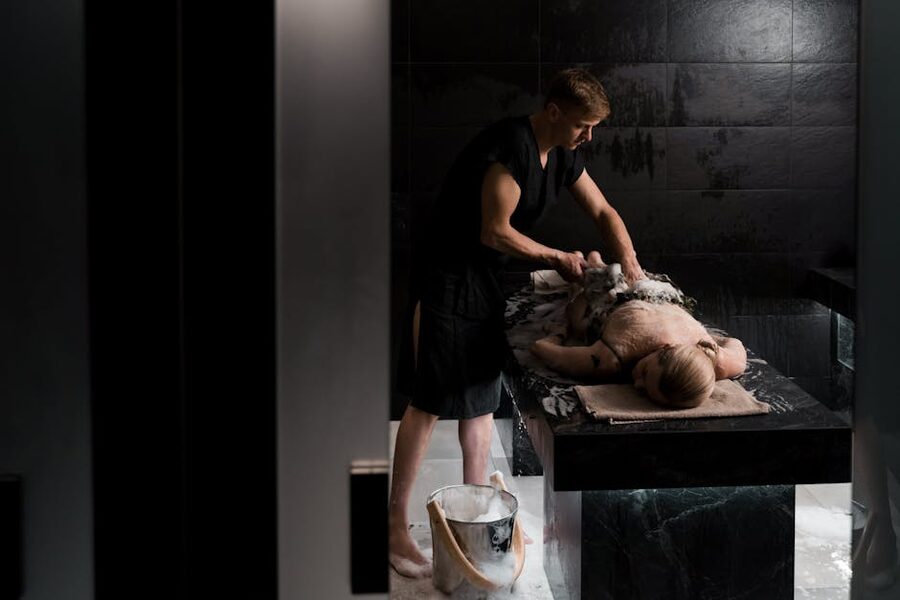
Step 4: Ghassoul Clay Mask (10 minutes)
Ghassoul is a mineral-rich clay found only in the Atlas Mountains. The attendant mixes it with rose water and applies it to your skin, particularly face and scalp. It draws out impurities and mineralizes the skin while you lie on the marble bench.
Step 5: Rinse and Massage (20-30 minutes)
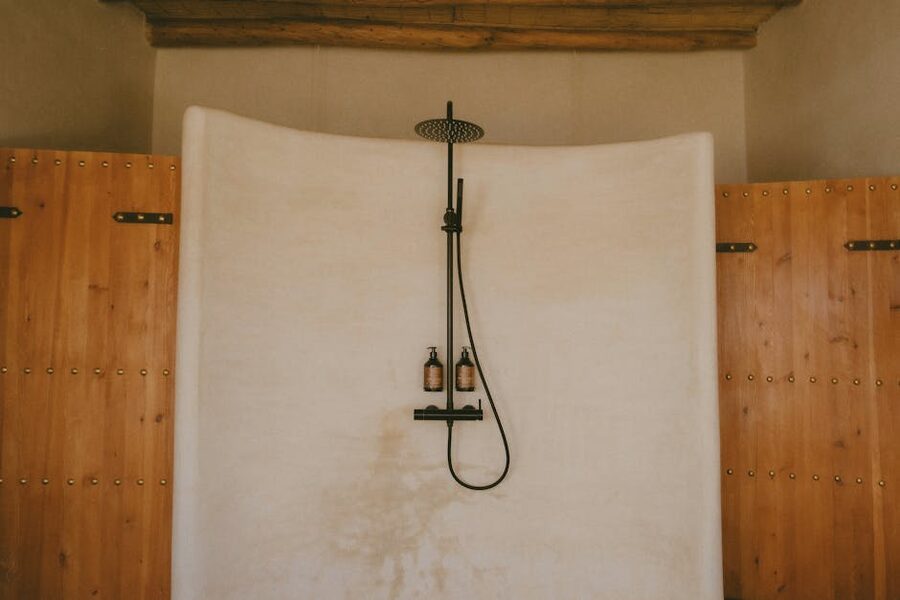
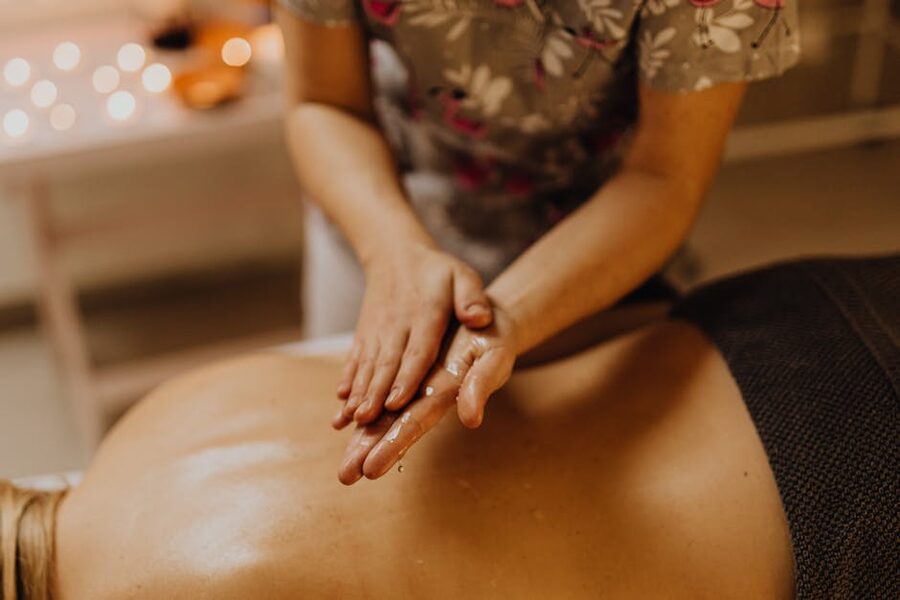
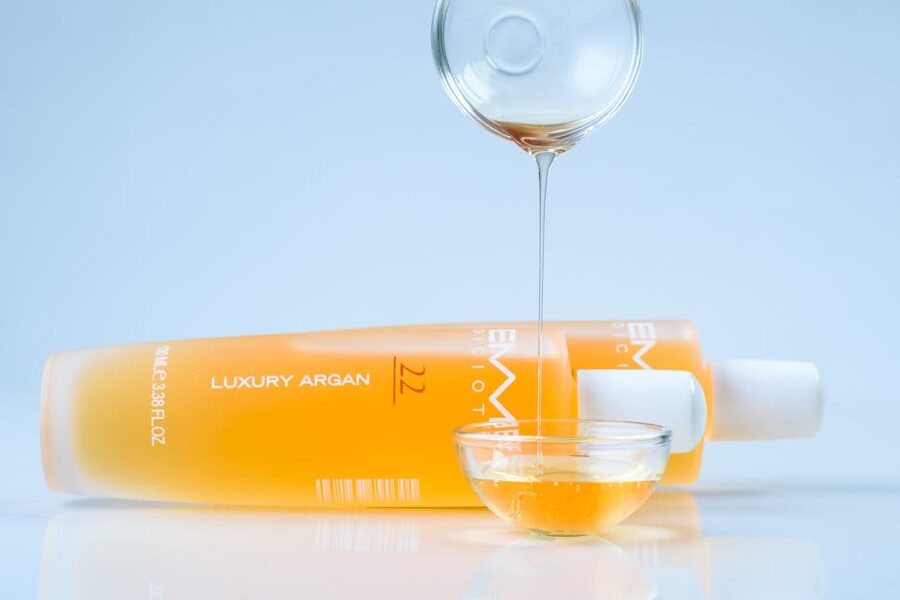
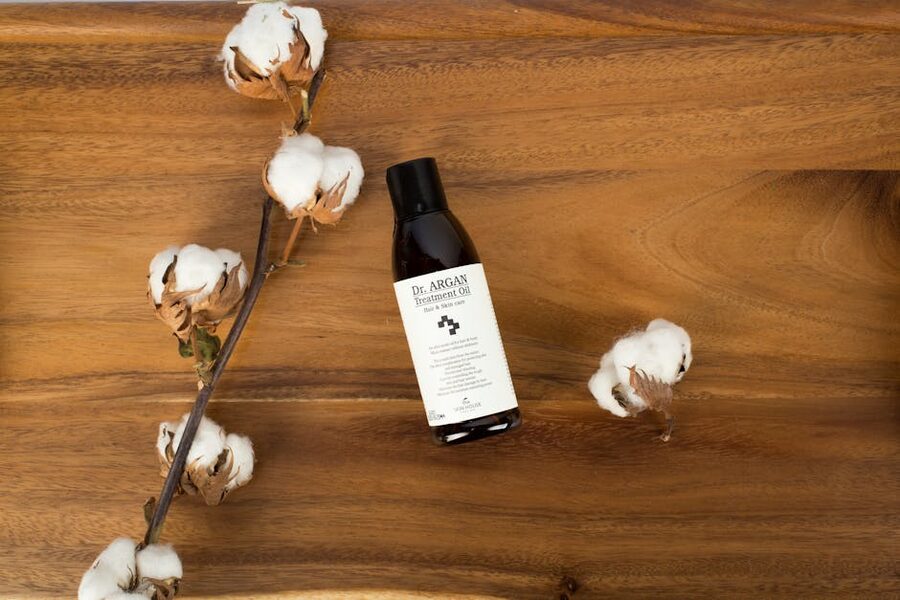
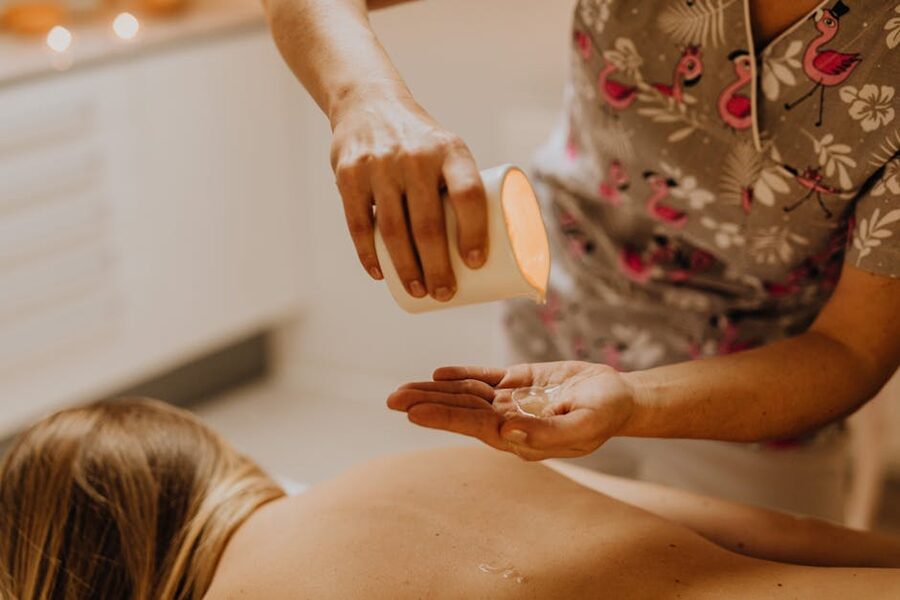
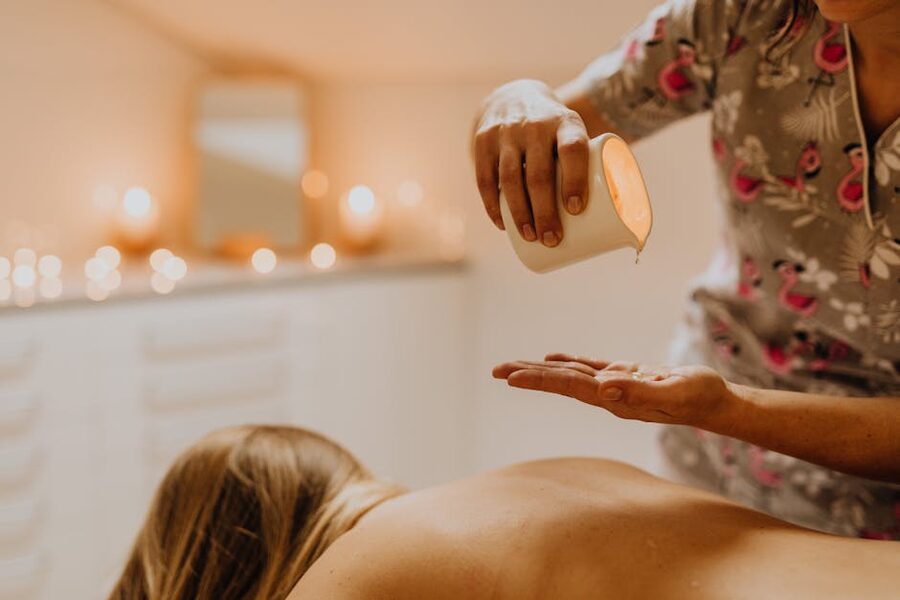
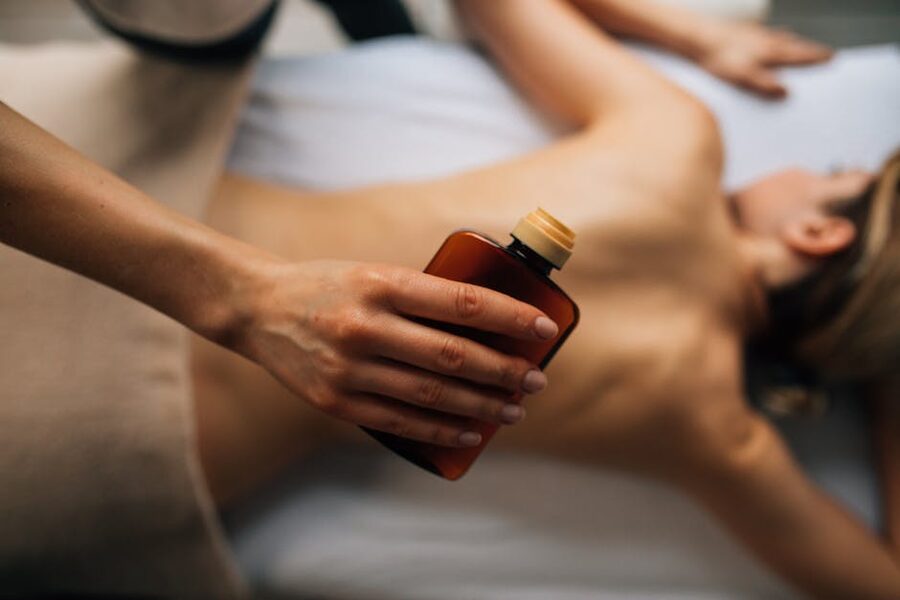
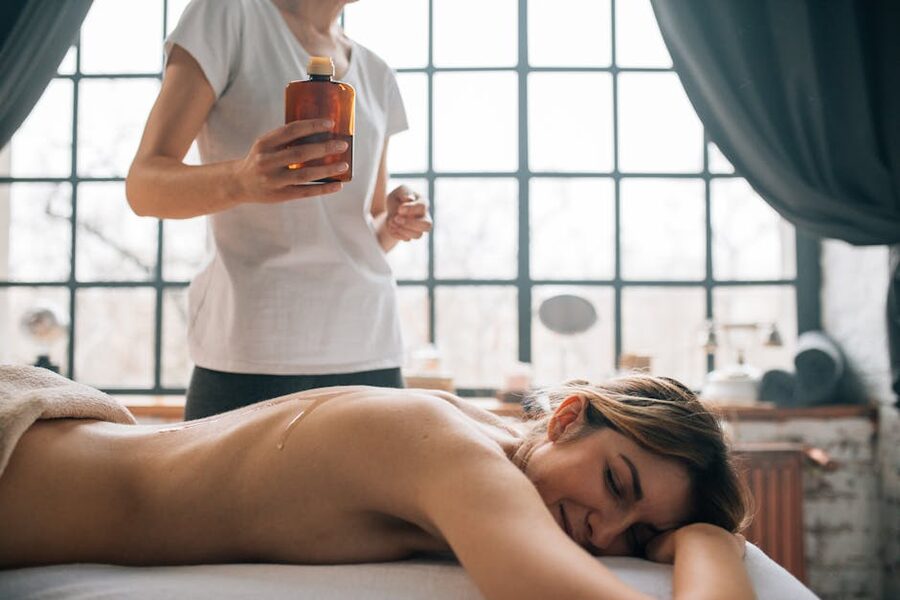
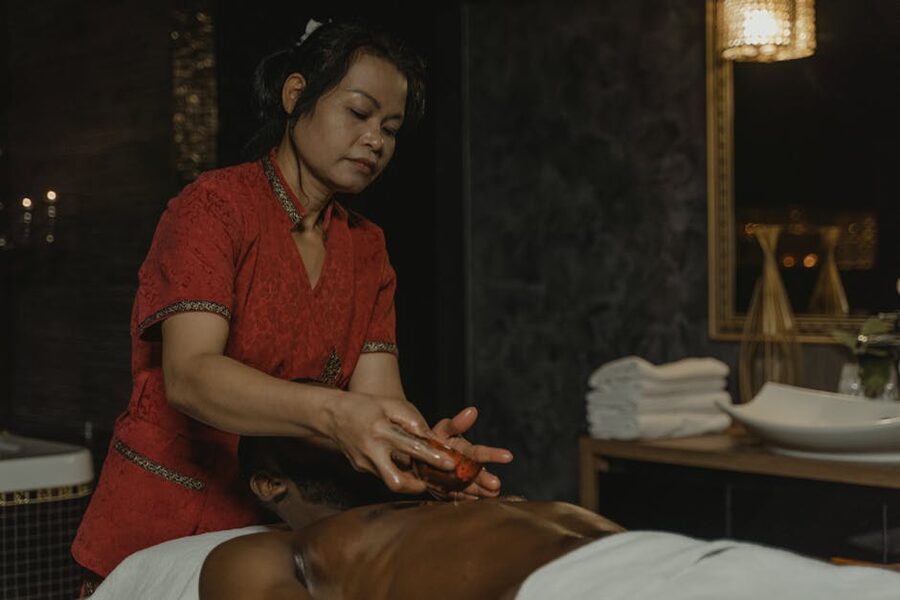
Warm water rinse — often poured from a bucket by the attendant, sometimes from a rainfall-style shower. Then the massage: oil (usually argan) worked into still-warm skin. The combination of heat-softened muscles and argan oil makes the massage deeper and more effective than a cold-room massage.
The Products — What’s Being Used On You
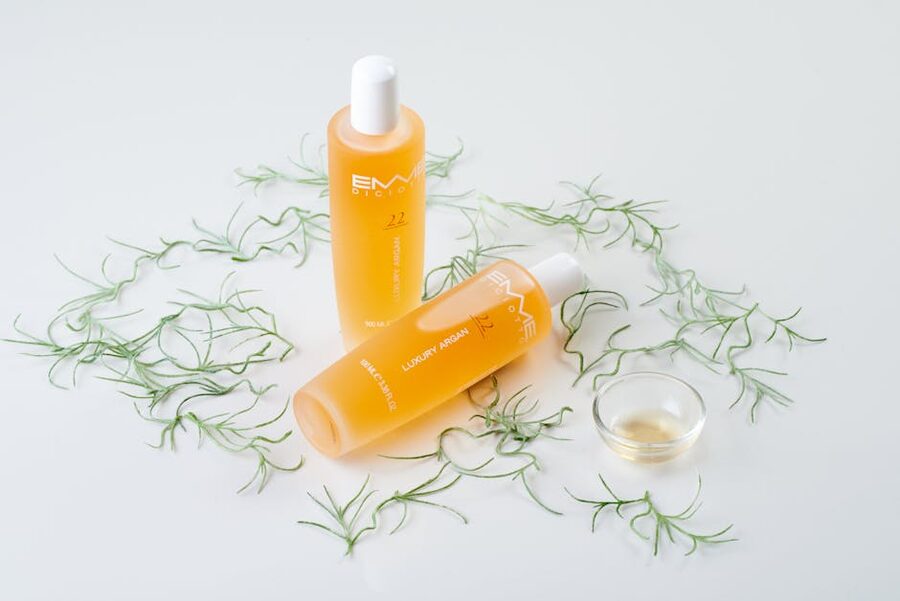
Four main products feature in a Moroccan hammam: black soap, kessa glove, ghassoul clay, and argan oil. Each has a specific purpose.
The Architecture
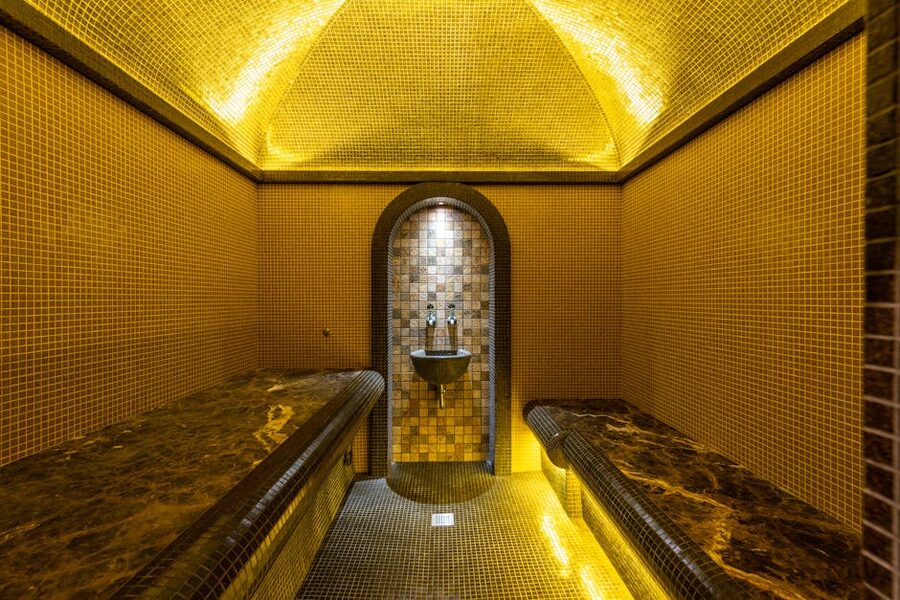
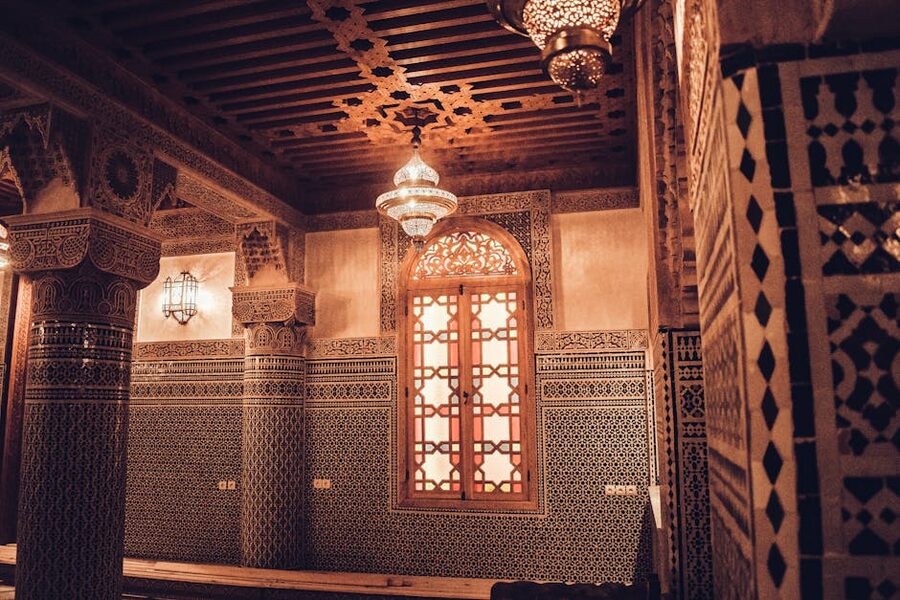
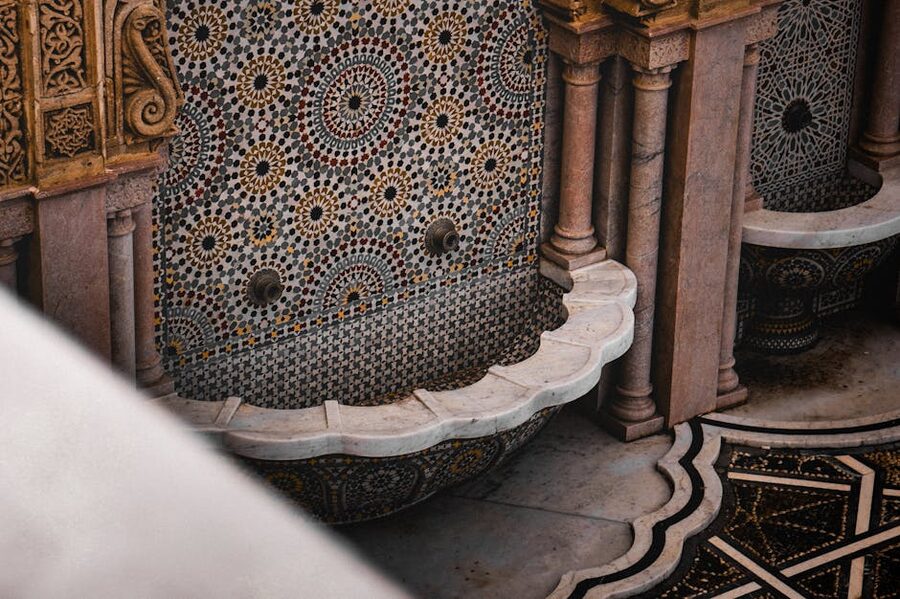
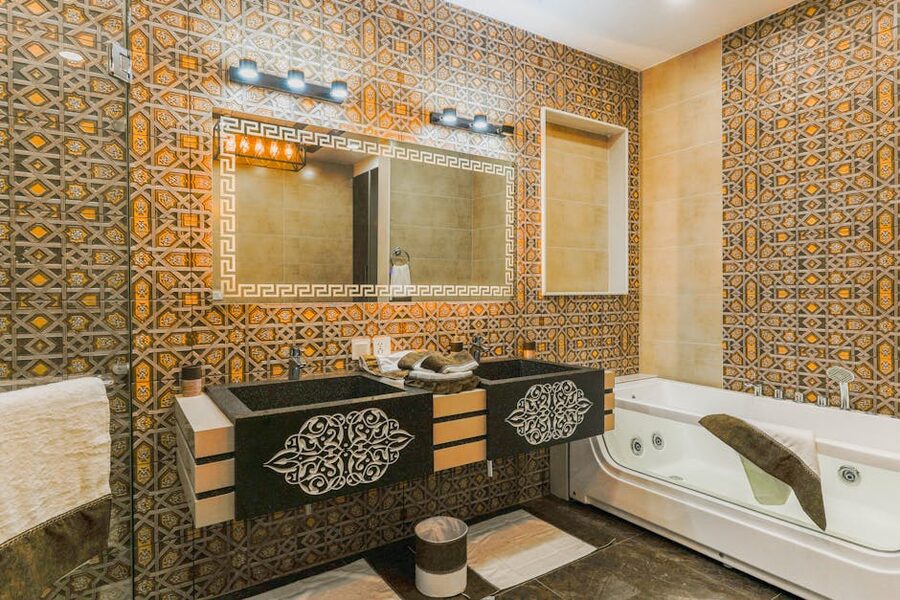
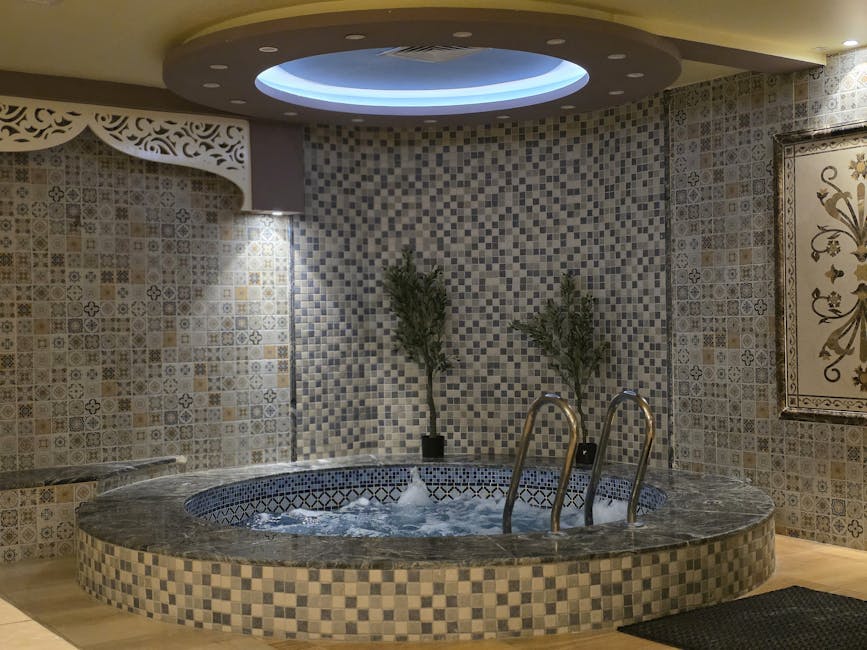
Marrakech’s tourist hammams are typically inside restored riads — traditional Moroccan houses converted to spa-and-hotel use. The hammam rooms themselves are often genuine historic bath spaces, sometimes 200+ years old.
Our Recommended Tours
1. 2-Hour Traditional Hammam Experience — $58
The pure hammam experience — steam, black soap, kessa exfoliation, ghassoul clay, rinse. No massage component. 2 hours total. 33 five-star reviews.
This is the right option if you want the authentic ritual without the spa-massage add-on. Our full review of this hammam tour breaks down the full sequence.
2. Traditional Hammam + Massage — $62
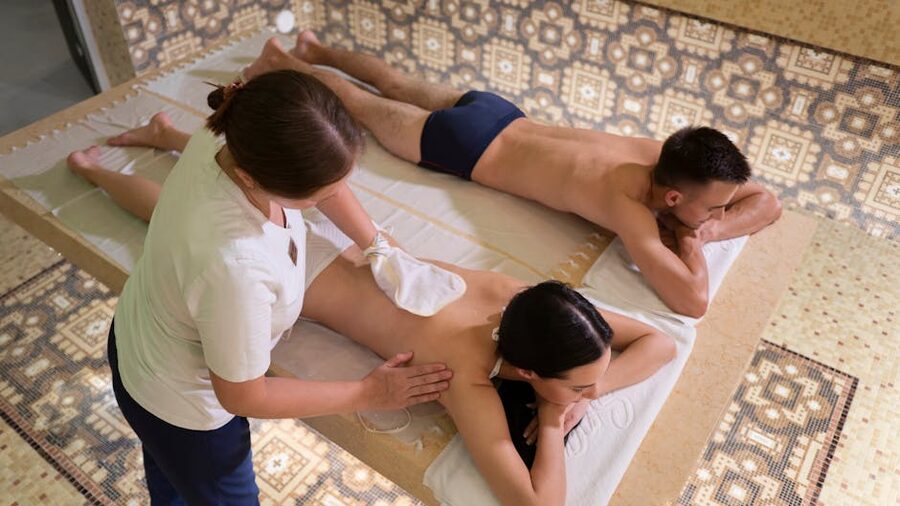
Best-reviewed hammam option — 54 five-star ratings. Full hammam sequence (90 minutes) plus a 30-minute argan oil massage. The most popular combo for tourists.
The $4 premium over the hammam-only version is easily worth it — the massage after the exfoliation is where the full benefit comes through. Our review of the full hammam-massage combo explains why this is the default recommendation.
3. Hammam + Massage + Hotel Transfer — $67
Same hammam + massage combo as option 2, with hotel pickup and drop-off. Worth the $5 premium if your riad is in Gueliz or on the far side of the medina and walking back after a massage is the last thing you want.
Transport is in an air-conditioned private car. Our review of this transfer version explains which hotel locations benefit most from the pickup service.
Practical Tips
Hydrate before. The hammam is dehydrating — 30 minutes of steam plus active exfoliation sweats you out. Drink water before arrival and plan to drink more during.
No jewellery. Metal heats up in the steam rooms. Leave valuables in the locker or at your hotel.
Dress code. Tourist hammams provide disposable underwear; public hammams expect you to wear swimwear. Bring flip-flops (not provided at cheaper venues).
Tipping. 50-100 MAD for the attendant is standard. More for excellent service. Massage therapist separately — another 50-100 MAD.
Gender separation. Traditional hammams have separate men’s and women’s sessions. Tourist hammams may be mixed-gender (couples can book together) or single-gender depending on venue. Check when booking.
Allow recovery time. Your skin will be sensitive after exfoliation. Don’t book sun exposure or pool time immediately after. Plan a light evening — a gentle dinner, not a late night out.
Health considerations. Pregnant women and people with heart conditions should consult doctors before heat exposure. The temperatures in the hot room can exceed 45°C — real heat stress.
Hammam vs Other Marrakech Activities
vs Food Tour: Food tour is active sensory engagement; hammam is passive recovery. Excellent pair — food tour evening, hammam next morning.
vs Medina Walking Tour: Walking tour is tiring; hammam is restorative. Book hammam for the day after a big walking day.
vs Atlas Mountains Hike: Atlas hike is the most physical Marrakech day. Book hammam for the day after the Atlas hike — the hammam is exactly what your muscles need.
vs Sahara 3-Day Tour: After the Sahara tour, your body will be coated in fine sand from the desert. A hammam the first day back in Marrakech is basically mandatory. Book it in advance.
vs Majorelle Garden: Both are calm slow activities. Combine on a single relaxed day — morning Majorelle, afternoon hammam.
Getting There
Location: Tourist hammams are in both the medina and Gueliz. Specific venue varies by tour operator.
Transport: Tour packages with transfer (option 3) include pickup. Walking is fine if your riad is central; taxi (30-60 MAD) if further.
Post-hammam transport: You’ll be too relaxed to walk far. Budget for a taxi back if your accommodation isn’t close.
Is a Marrakech Hammam Worth $58-$67?
Yes — one of the most distinctively Moroccan experiences you can have. Skin feels genuinely different afterwards; the muscles feel looser; you’ll have a story about being scrubbed down by a determined Moroccan woman.
At $58-67, it’s cheaper than equivalent spa treatments anywhere in Europe or North America. The argan oil massage alone would cost more at home. The price is honest value.
Building the Hammam Into Your Marrakech Trip
Think of the hammam as recovery day infrastructure. Book it:
- After a physical day: Atlas hike, quad biking, or a long medina walking day.
- Before a physical day: The day before a sunrise balloon flight (so you sleep well) or Ouarzazate day trip (so you’re relaxed for the long drive).
-
On arrival: Jet-lagged travellers often book a hammam for the first evening to signal the body into Morocco mode.
For a spa-focused Marrakech week: Hammam day 1 (arrival recovery), Majorelle Garden day 2, food tour day 3, second hammam day 4, Agafay sunset day 5, Essaouira day 6. Two hammam sessions in a week is indulgent but legitimate — locals bathe there weekly.